
ElvaX ArtXRF: Non-Destructive Artifact Testing
The Challenge of Artifact Analysis
Why Non-Destructive Testing Matters
Historical artifacts and artworks are irreplaceable. Once damaged, destroyed, or altered, they can never be fully restored to their original state. Traditional analytical methods requiring physical samples—drilling, scraping, or cutting—permanently mar these precious objects. Even micro-sampling, while minimizing visible damage, removes material that can never be replaced.
The consequences of destructive testing extend beyond physical damage. Removing samples from paintings may destroy brushwork evidence. Drilling into ceramics compromises structural integrity. Cutting metal artifacts eliminates manufacturing details. For unique historical objects, these losses are unacceptable.
Museums, conservation laboratories, and archaeological institutions face a critical dilemma: how to study artifacts scientifically while preserving them completely intact. The ElvaX ArtXRF resolves this conflict through advanced non-destructive X-ray fluorescence analysis that reveals elemental composition without any physical contact or alteration.
Applications Demanding Non-Destructive Analysis
The need for non-invasive artifact testing spans multiple fields:
- Art Authentication: Determining whether paintings contain pigments consistent with claimed historical periods or revealing modern materials indicating forgeries.
- Conservation Planning: Understanding material composition guides restoration approaches and identifies degradation risks.
- Archaeological Research: Characterizing ancient ceramics, metals, and stone tools reveals manufacturing techniques and trade routes without damaging irreplaceable finds.
- Provenance Studies: Elemental fingerprinting connects artifacts to geographical origins and production centers.
- Museum Documentation: Comprehensive material characterization supports scholarly research and exhibition planning.
The ElvaX ArtXRF consists of an integrated system combining precision hardware with intelligent software control:
- Motorized Analysis Frame: A specially engineered aluminum frame table (1.5 x 2 meters) provides stable mounting for the XRF analyzer. Electric motors controlled through computer software enable precise positioning of the analyzer above any point on the artifact. This automated positioning ensures accurate, repeatable measurements across large objects like paintings or tapestries.
- Integrated XRF Analyzer: At the system's core lies a high-performance portable XRF spectrometer featuring a Silicon Drift Detector (SDD) for exceptional sensitivity and energy resolution. The analyzer can be easily removed from the frame and used as a standalone handheld unit, providing extraordinary versatility for different analytical scenarios.
- High-Resolution Camera: An integrated camera system provides visual targeting, allowing precise positioning on specific micro-areas of artifacts. This visual feedback ensures analysts measure exactly the intended location—critical when examining small details, specific pigments, or localized corrosion.
- Computer Control System: Dedicated software manages both the XRF analyzer and motorized table positioning. The unified interface streamlines workflows, stores measurement locations, and generates comprehensive analytical reports.
This integrated approach delivers laboratory-quality analysis with the flexibility to accommodate artifacts of virtually any size or shape.
Advanced Detection Technology
The ElvaX ArtXRF uses a high-resolution SDD detector optimized for artifact analysis:
- Superior energy resolution separates elemental peaks in complex pigment, glaze, and alloy mixtures.
- Standard range: Cl (Z=17) to Pu (Z=94); optional light-element extension: Mg (Z=12) to S (Z=16) — essential for many pigments.
- Fast measurements (seconds to minutes) enable multi-point surveys of large objects.
- High sensitivity detects trace elements at ppm levels — key for authentication clues.
Comprehensive Artifact Applications
Painting and Pigment Analysis
ElvaX ArtXRF reveals pigment composition non-destructively:
- Titanium (TiO₂) — post-1916 marker; presence in older works = forgery or restoration.
- Lead white — typical pre-19th century.
- Chromium yellow — post-1800.
- Copper blues/greens (azurite, malachite) — medieval/Renaissance.
- Iron oxides — natural earth pigments across eras.
- Zinc white (1830s) and barium sulfate (late 19th c.) — chronological markers.
Full scanning of suspicious areas creates elemental maps showing overpainting, restorations, and inconsistencies.
Ceramic and Glass Analysis
- Glass: period-specific compositions (K, Ca, Mg, Mn) distinguish Roman, medieval, modern.
- Glazes: characteristic colorants/fluxes (Pb, Sn, Cu, Co).
- Obsidian sourcing: trace fingerprints match volcanic origins → ancient trade routes.
- Chinese porcelain: unique profiles vs. European fakes/modern reproductions.
Metal Artifact Characterization
- Precious metals: Au, Ag, Pt content without sampling.
- Bronze: Cu–Sn ratios + traces (Pb, As, Sb) indicate production traditions.
- Coins: alloy matches historical records.
- Corrosion: chemistry guides conservation.
Archaeological Stone Tool Analysis
- Obsidian sourcing: links tools to volcanic sources → migration & trade patterns.
- Material identification.
- Surface residues: traces reveal tool use (Cu from metalworking, Fe from butchery).
Operational Advantages
Flexibility for Different Scenarios
- Benchtop mode: motorized table for systematic scanning of large paintings/manuscripts.
- Handheld mode: detachable for immovable objects (statues, frescoes, museum pieces, field sites).
Rapid Multi-Point Analysis
Motorized positioning enables:
- Grid mapping for spatial composition variations.
- Targeted re-measurements in key areas.
- Consistent protocols for comparing artworks.
- Automated location logging for documentation.
Authentication and Forgery Detection
Revealing Modern Materials
- Titanium white — post-1916 forgery marker.
- Synthetic pigments with foreign trace elements.
- Mismatched natural ratios.
- Penetration detects hidden modern layers.
Restoration Detection
Elemental differences between original and restored areas guide conservation and inform collectors/museums.
Supporting Conservation Science
- Degradation tracking via composition changes.
- Compatible material selection for treatments.
- Risk assessment of unstable pigments/metals.
- Verification of treatment results.
Conclusion: Preserving While Revealing
ElvaX ArtXRF combines scientific analysis with cultural preservation. Fully non-destructive, it unlocks artifact secrets without harm.
For museums, conservators, archaeologists, and art historians it offers:
- Zero damage to priceless objects.
- Multi-element detection (Mg–Pu).
- Powerful authentication (anachronistic markers).
- Dual benchtop/handheld modes.
- Precise micro-area mapping.
- Field capability on-site.
- Rapid multi-point surveys.
The shift from destructive sampling to non-invasive analysis redefines heritage study. ElvaX ArtXRF reveals history while ensuring treasures endure unchanged for future generations.
Related posts
-
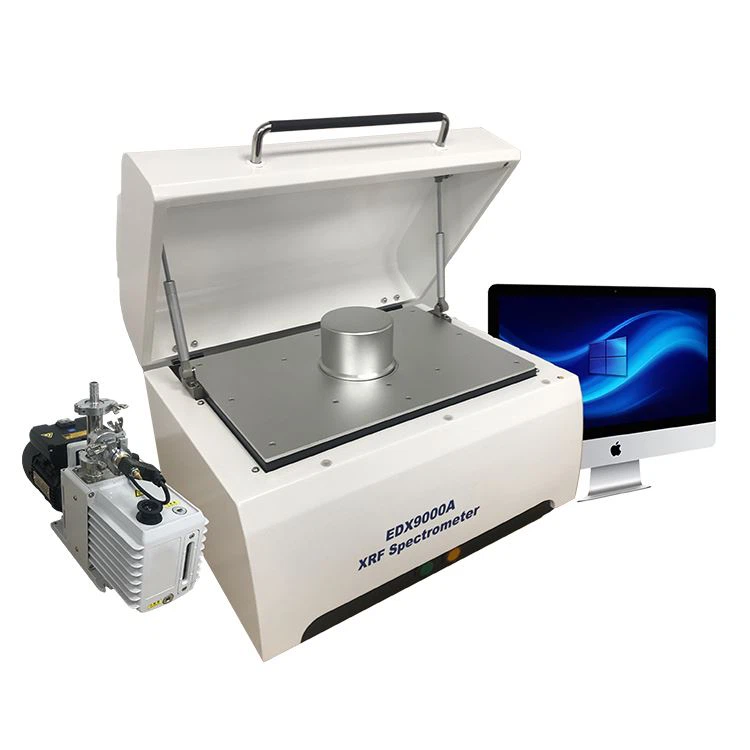 ElvaX XRF Spectrometer: Professional Metal Testing
Professional metal testing demands precision, reliability, and versatility supporting critical quality control,...Einzelheiten
ElvaX XRF Spectrometer: Professional Metal Testing
Professional metal testing demands precision, reliability, and versatility supporting critical quality control,...Einzelheiten -
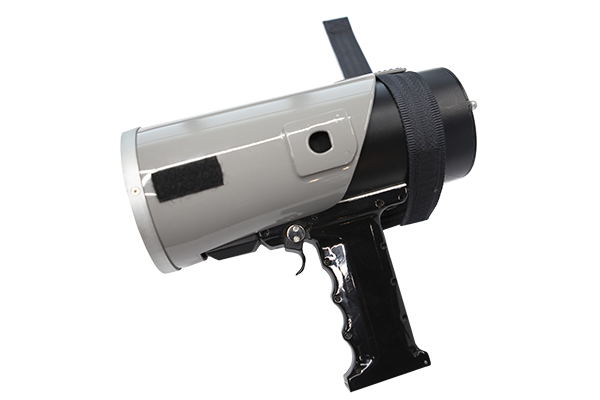 ElvaX Geo: Mining Ore Analysis Cl-U Elements
Mining exploration and ore characterization demand rapid, accurate elemental analysis of geological samples revealing...Einzelheiten
ElvaX Geo: Mining Ore Analysis Cl-U Elements
Mining exploration and ore characterization demand rapid, accurate elemental analysis of geological samples revealing...Einzelheiten -
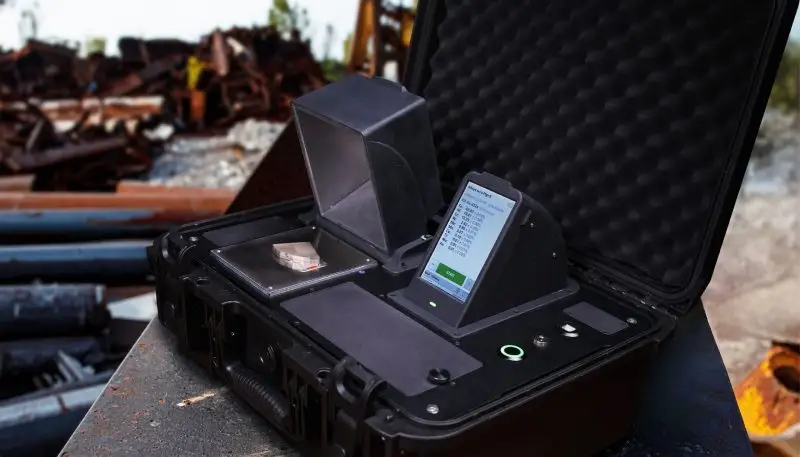 ElvaX Mobile: Portable Liquids & Powders Testing
Material characterization extends far beyond solid metals—liquids, powders, and prepared samples represent critical...Einzelheiten
ElvaX Mobile: Portable Liquids & Powders Testing
Material characterization extends far beyond solid metals—liquids, powders, and prepared samples represent critical...Einzelheiten -
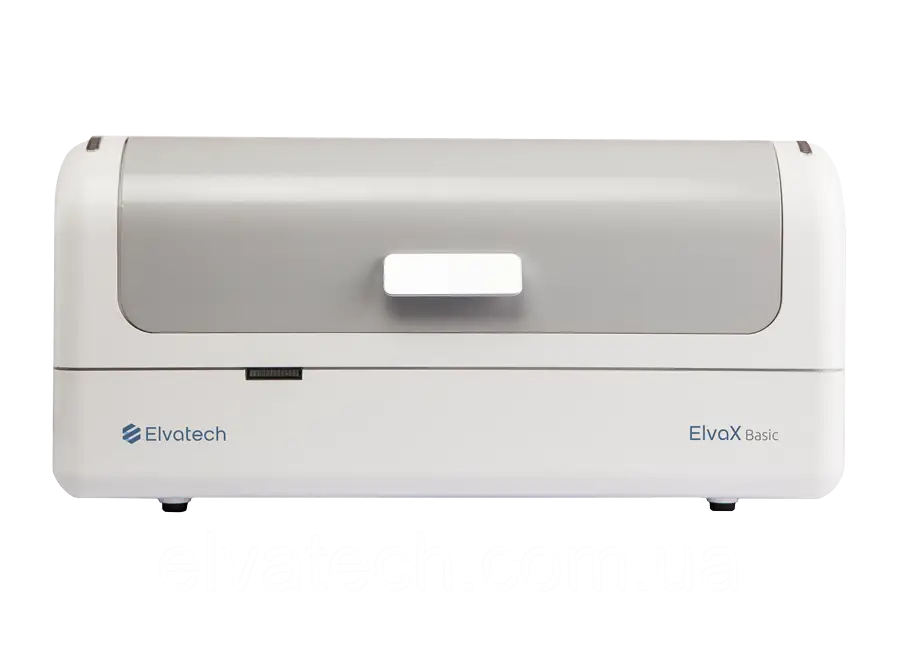 ElvaX Basic: Entry-Level PIN Detector S-U
Cost-effective X-ray fluorescence analysis need not compromise capability when properly engineered for specific...Einzelheiten
ElvaX Basic: Entry-Level PIN Detector S-U
Cost-effective X-ray fluorescence analysis need not compromise capability when properly engineered for specific...Einzelheiten -
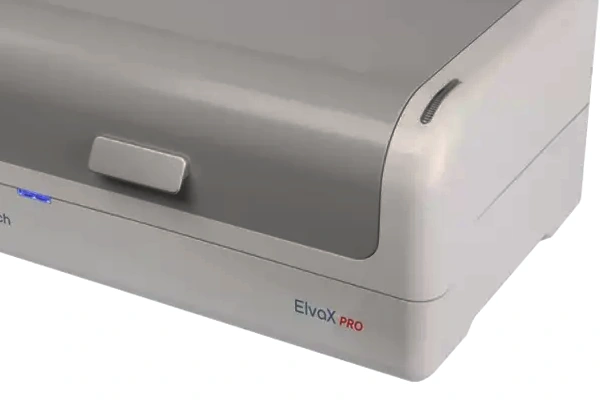 ElvaX Pro: Professional 60kV Na-U Accuracy
The ElvaX Pro represents a breakthrough in benchtop X-ray fluorescence (XRF) analysis technology, delivering...Einzelheiten
ElvaX Pro: Professional 60kV Na-U Accuracy
The ElvaX Pro represents a breakthrough in benchtop X-ray fluorescence (XRF) analysis technology, delivering...Einzelheiten