
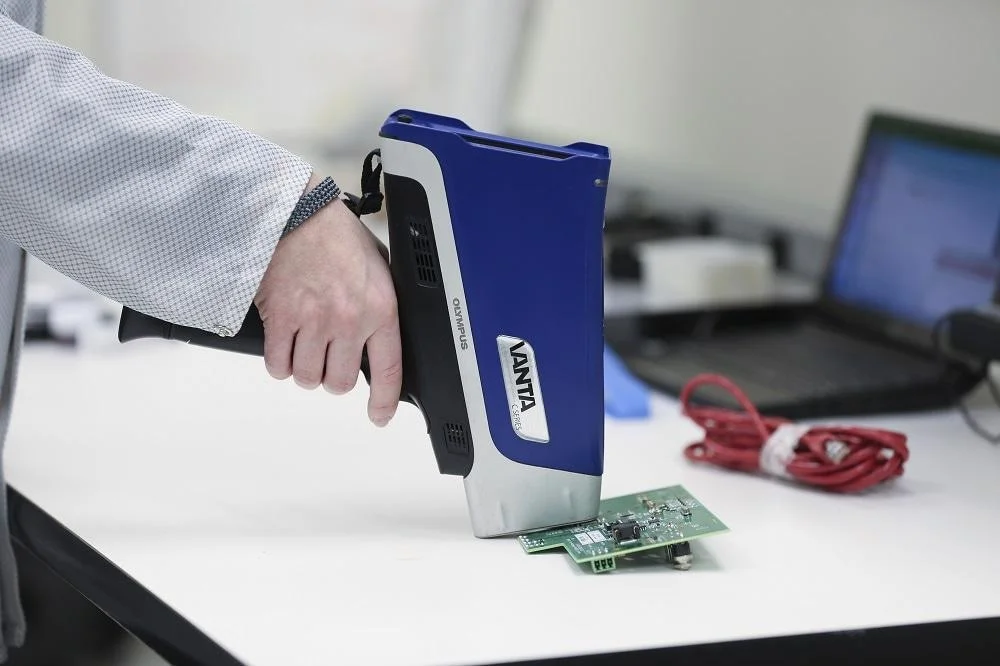
Brands and Manufacturers: Complete Guide to XRF Technology Leaders
What to Expect in This Section
This section provides comprehensive coverage of major XRF analyzer brands and manufacturers, helping professionals navigate the complex marketplace of analytical equipment. You'll discover detailed comparisons through the Thermo Scientific XRF: Niton Analyzers Comparison, examining one of the industry's most recognized brands and its extensive product portfolio. We analyze the flagship Niton analyzer series, exploring capabilities, applications, and market positioning across portable and laboratory instruments.
For professionals evaluating equipment for precious metals applications, we provide focused analysis through Thermo Scientific Gold Tester vs ElvaX comparisons, contrasting established market leaders with specialized manufacturers. This comparison illuminates different approaches to precious metals analysis, helping jewelry professionals, pawn shops, and gold buyers select optimal technology for their specific requirements.
The Panalytical XRF: Axios Zetium Laboratory Systems discussion examines high-performance benchtop and floor-standing instruments designed for demanding laboratory environments. We explore Malvern Panalytical's wavelength-dispersive and energy-dispersive XRF systems, demonstrating how advanced laboratory equipment serves research institutions, quality control laboratories, and production environments requiring maximum analytical performance.
Beyond these specific brands, you'll gain understanding of the broader manufacturer landscape including American, European, Japanese, and emerging manufacturers. We examine how different brands approach portable versus laboratory configurations, discuss specialization areas like precious metals or industrial alloys, and provide guidance on evaluating manufacturers based on technical support, calibration services, and long-term reliability.
Throughout this section, you'll develop comprehensive knowledge enabling confident brand selection decisions aligned with your analytical requirements, operational environment, and budget considerations.
Global XRF Manufacturer Landscape
Major Industry Players
The XRF analyzer market features established manufacturers with global presence and comprehensive product portfolios serving diverse industries. American manufacturers including Thermo Fisher Scientific and SciAps lead in portable analyzer innovation, offering rugged handheld instruments suited for industrial and field applications. German manufacturers like Bruker Corporation and AMETEK SPECTRO excel in both portable and laboratory systems, emphasizing precision engineering and analytical performance.
Japanese manufacturers including Olympus Corporation, Hitachi High-Tech, HORIBA, and JEOL provide technologically advanced analyzers with user-friendly interfaces and robust construction. British manufacturer Malvern Panalytical leads in high-performance laboratory XRF systems, particularly wavelength-dispersive configurations for demanding analytical applications. This geographic diversity ensures competitive innovation and provides customers worldwide with multiple equipment options.
Emerging Manufacturers and Market Dynamics
The XRF analyzer market continues evolving with emerging manufacturers introducing innovative technologies at competitive price points. These newer entrants often focus on specific application niches or geographic markets, providing alternatives to established brands. Market dynamics increasingly emphasize connectivity, data analytics, and integration with quality management systems, driving all manufacturers toward enhanced software capabilities and cloud-based solutions.
Competition among manufacturers benefits customers through continuous technological advancement, improved performance, and expanding application capabilities. Buyers gain access to sophisticated analytical instruments previously available only at premium prices, while established manufacturers respond with enhanced features and service offerings. Understanding this competitive landscape helps professionals identify optimal value propositions matching specific requirements.
Thermo Scientific Niton Analyzers
Niton Product Portfolio
Thermo Fisher Scientific, through its Niton brand, represents one of the most recognized names in portable XRF analysis with decades of market presence. The Niton analyzer series encompasses multiple models optimized for different applications, from basic alloy identification to comprehensive multi-element analysis. Niton XL2 analyzers deliver value-leading performance for scrap metal identification, mining exploration, and lead screening applications, featuring standard integrated cameras and lightweight construction.
The Niton XL3t series provides environmental testing capabilities for brownfield assessments, remediation monitoring, and occupational safety compliance. These handheld analyzers analyze major contamination elements from magnesium to uranium at parts-per-million detection levels, generating real-time on-site results. Advanced Niton models incorporate silicon drift detectors for exceptional accuracy, comprehensive element libraries, and Niton Data Transfer software for report generation and data management.
Niton Technology and Applications
Niton analyzers utilize advanced X-ray fluorescence technology with selectable beam options optimizing excitation for different element groups and sample types. The integration of high-resolution cameras enables accurate positioning of analysis areas, ensuring measurements from intended sample locations. Rugged construction withstands harsh industrial environments including extreme temperatures, dust, and moisture exposure common in field operations.
Applications span manufacturing quality assurance for metal alloy verification, environmental compliance testing, RoHS and WEEE directive compliance for electronics, and geological exploration. The Niton Data Transfer PC software suite allows operators to set permissions, generate custom reports, print certificates of analysis, and remotely monitor instruments. This comprehensive ecosystem positions Niton analyzers as complete analytical solutions rather than standalone instruments.
Precious Metals Analyzer Comparisons
Specialized Gold Testing Solutions
The precious metals testing market features specialized analyzers optimized specifically for jewelry, gold buying, and authentication applications. Manufacturers approach this niche market with different strategies, some offering dedicated precious metals analyzers while others provide general-purpose instruments with precious metals calibrations. Key differentiators include analysis speed, accuracy for specific gold karat levels, user interface design for customer-facing operation, and integrated features like scales and certificate printers.
Thermo Scientific offers gold testing capabilities through Niton analyzer models configured with precious metals calibrations and software. These versatile instruments serve multiple applications beyond gold testing, providing flexibility for businesses requiring both precious metals and general material analysis capabilities. The established Niton brand reputation and comprehensive support network appeal to buyers prioritizing proven reliability and service availability.
ElvaX Specialized Approach
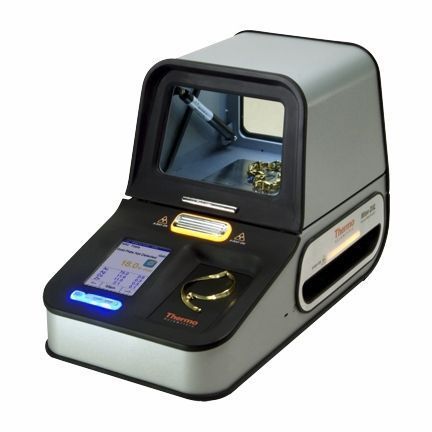
ElvaX manufacturers focus specifically on XRF analyzers for precious metals and metallurgical applications, developing instruments optimized for jewelry industry requirements. This specialization enables features tailored to jewelry professionals including karat value displays, customer-facing screens, integrated precision scales, and certificate printing capabilities. ElvaX Jewelry Lab models exemplify this focused approach, incorporating elements specifically requested by jewelry store operators, pawn shops, and gold buyers.
The comparison between established general-purpose brands and specialized manufacturers involves trade-offs between versatility and optimization. General-purpose analyzers provide flexibility serving multiple application areas but may lack convenience features valued in specific industries. Specialized instruments offer workflow optimization and industry-specific functionality but with narrower application ranges. Understanding these distinctions helps precious metals professionals select equipment matching their operational priorities.
Malvern Panalytical Laboratory Systems
Axios and Zetium Product Lines
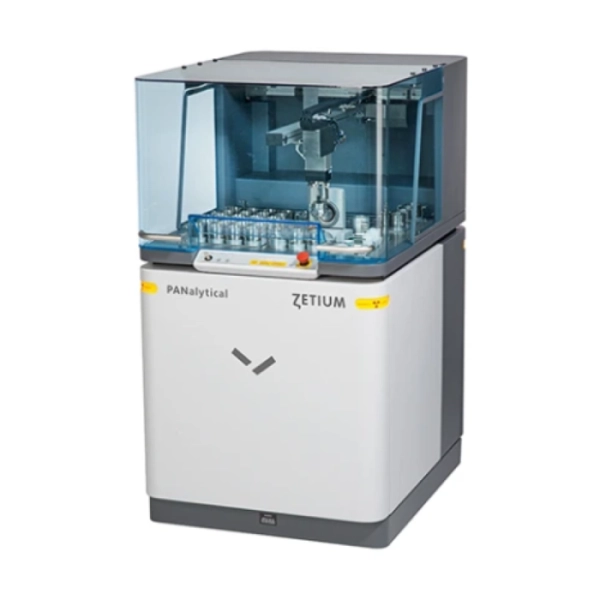
Malvern Panalytical represents a world-leading provider of X-ray analytical equipment with decades of experience in high-performance laboratory XRF systems. The Zetium platform integrates both energy-dispersive and wavelength-dispersive X-ray fluorescence spectroscopy in unified instruments, providing comprehensive analytical capabilities. This dual-technology approach combines the simultaneous multi-element capability of EDXRF with the superior spectral resolution of WDXRF, optimizing performance across diverse sample types and analytical requirements.
The Zetium Mineral edition features increased tube power to four kilowatts, intensifying X-ray emissions from samples and reducing analysis times significantly. Fast sample changers and advanced SuperQ software deliver unique advantages in mineral and mining applications including rapid batch processing and sophisticated quantitative analysis. The Axios series provides flexible configurations from easy-to-use benchtop systems to comprehensive floor-standing instruments for production-critical environments.
Laboratory XRF Applications
Malvern Panalytical laboratory systems serve demanding applications requiring maximum accuracy, sensitivity, and analytical flexibility. These instruments excel in quality control laboratories where high-throughput analysis supports production monitoring and certification requirements. Research institutions utilize the comprehensive elemental coverage and exceptional detection limits for materials characterization and method development.
The wavelength-dispersive capability provides superior performance for challenging analyses including light elements, trace concentrations, and complex matrices where spectral peak overlaps complicate energy-dispersive measurements. Applications span cement and construction materials, geological and mining samples, metals and alloys, petroleum products, and environmental specimens. The combination of advanced hardware, sophisticated software, and comprehensive calibration libraries positions Malvern Panalytical systems as complete laboratory solutions.
Manufacturer Selection Criteria
Technical Specifications and Performance
Evaluating XRF manufacturers begins with comparing technical specifications across product lines. Key performance metrics include X-ray tube voltage and current determining elemental range coverage and sensitivity, detector type and specifications affecting spectral resolution and count rates, and element detection ranges spanning your required analytical targets. Analysis speed, accuracy specifications, and detection limits directly impact operational efficiency and result quality.
Portable analyzer comparisons should assess weight, battery life, environmental ratings, and ergonomic design affecting field usability. Laboratory system evaluations examine sample handling capabilities, automation options, throughput rates, and integration with existing laboratory infrastructure. Software features including calibration libraries, method development tools, data management, and connectivity capabilities increasingly differentiate manufacturer offerings.
Support Services and Total Ownership Cost
Beyond initial purchase price, total ownership costs encompass ongoing operational expenses, maintenance requirements, and support services. Manufacturers differ significantly in technical support quality, response times, and geographic service coverage. Calibration service availability, frequency requirements, and costs affect long-term operational budgets. Training programs, documentation quality, and user communities influence how quickly operators achieve proficiency and resolve issues.
Warranty terms, parts availability, and instrument longevity represent important considerations for multi-year ownership. Established manufacturers with extensive installed bases typically offer comprehensive service networks and long-term parts support. Newer manufacturers may provide competitive pricing but with less proven track records for long-term reliability and support sustainability. Evaluating total cost of ownership rather than purchase price alone leads to better long-term value decisions.
Application-Specific Brand Strengths
Industrial and Manufacturing Applications
Different manufacturers excel in specific application domains based on product design philosophies and market focus. Industrial manufacturing and quality control applications benefit from brands emphasizing rugged portable analyzers with extensive alloy libraries and fast analysis speeds. Thermo Scientific Niton, Bruker, and Olympus lead this segment with comprehensive PMI and alloy verification solutions. These manufacturers prioritize durability, ease of use, and integration with industrial workflows.
Scrap metal recycling operations value brands offering rapid sorting capabilities and simple interfaces enabling high-volume testing by diverse operators. Environmental testing applications require manufacturers with specialized calibrations for soil contamination analysis and regulatory compliance. Understanding which brands invest in specific application development helps match equipment to operational requirements.
Laboratory and Research Applications
High-performance laboratory applications favor manufacturers specializing in benchtop and floor-standing systems with advanced capabilities. Malvern Panalytical, HORIBA, and JEOL lead in wavelength-dispersive XRF systems for demanding analytical requirements. These brands emphasize spectral resolution, detection limits, and analytical flexibility for diverse sample matrices.
Research institutions value manufacturers supporting method development, offering customizable configurations, and providing comprehensive technical support for novel applications. Production laboratories prioritize reliability, throughput, and integration with quality management systems. Academic laboratories may emphasize educational resources, versatile configurations, and student-friendly operation. Aligning manufacturer strengths with specific laboratory requirements ensures optimal equipment selection.
Regional Considerations and Market Access
Global Distribution Networks
XRF analyzer manufacturers maintain different approaches to global distribution, affecting product availability, pricing, and support access across regions. Major multinational manufacturers including Thermo Fisher Scientific, Bruker, and Malvern Panalytical operate comprehensive global networks with local representation in most markets. This worldwide presence ensures accessible technical support, calibration services, and parts availability regardless of customer location.
Regional manufacturers or brands with limited distribution may offer competitive pricing in home markets but with reduced international support infrastructure. Import regulations, certification requirements, and service availability vary significantly across countries, affecting total ownership experience. Buyers operating in multiple countries benefit from manufacturers with standardized global products and unified support systems.
Regulatory Compliance and Certifications
Different markets impose varying regulatory requirements for XRF analyzer operation, safety certifications, and analytical method validation. Established manufacturers typically maintain comprehensive certification portfolios covering international safety standards, radiation regulations, and industry-specific requirements. These certifications ensure legal operation and may be prerequisites for certain applications like regulatory compliance testing.
Environmental regulations, export controls, and trade policies affect equipment availability and pricing across borders. Manufacturers with extensive regulatory compliance experience navigate these complexities more effectively, reducing customer burden. Understanding regional considerations helps avoid purchasing equipment that may face operational restrictions or support limitations in specific markets.
Conclusion
The diverse landscape of XRF analyzer brands and manufacturers provides professionals with comprehensive options matching every analytical requirement, budget, and operational environment. Through detailed examination of Thermo Scientific XRF: Niton Analyzers Comparison, we've explored one of the industry's most established brands and its extensive portable analyzer portfolio serving industrial, environmental, and precious metals applications.
The Thermo Scientific Gold Tester vs ElvaX comparison illuminates different manufacturer approaches to precious metals analysis, contrasting established general-purpose brands with specialized manufacturers optimizing specifically for jewelry industry requirements. This analysis helps precious metals professionals understand trade-offs between versatility and application-specific optimization when selecting analytical equipment.
Our coverage of Panalytical XRF: Axios Zetium Laboratory Systems demonstrates the capabilities of high-performance benchtop and floor-standing instruments serving demanding laboratory environments. Malvern Panalytical's integration of wavelength-dispersive and energy-dispersive technologies in unified platforms exemplifies advanced analytical instrumentation for research and production laboratories.
Beyond specific brand comparisons, understanding the global manufacturer landscape, evaluating selection criteria including technical performance and support services, recognizing application-specific strengths, and considering regional factors enables informed purchasing decisions. Whether your requirements involve portable field analysis, precious metals testing, or high-performance laboratory applications, the right manufacturer selection ensures analytical success through optimal equipment capabilities, reliable support, and long-term value.
Related posts
-
 Thermo Scientific XRF: Niton Analyzers Comparison
Portable X-ray fluorescence technology has revolutionized metal and material testing across industries, enabling...Einzelheiten
Thermo Scientific XRF: Niton Analyzers Comparison
Portable X-ray fluorescence technology has revolutionized metal and material testing across industries, enabling...Einzelheiten -
 Thermo Scientific Gold Tester vs ElvaX
Precious metal testing demands accuracy, speed, and non-destructive analysis that preserves valuable item value...Einzelheiten
Thermo Scientific Gold Tester vs ElvaX
Precious metal testing demands accuracy, speed, and non-destructive analysis that preserves valuable item value...Einzelheiten -
 PANalytical XRF: Axios Zetium Laboratory Systems
Laboratory X-ray fluorescence spectroscopy represents the gold standard for quantitative elemental analysis across...Einzelheiten
PANalytical XRF: Axios Zetium Laboratory Systems
Laboratory X-ray fluorescence spectroscopy represents the gold standard for quantitative elemental analysis across...Einzelheiten