

XRF Metal Analyser: Metal Product Testing
XRF Technology for Product Testing
XRF metal analysers employ X-ray fluorescence spectroscopy identifying and quantifying elements in metal products without altering or damaging tested items. High-energy X-rays excite atoms in metal surfaces, causing characteristic fluorescent emission at element-specific energies. Advanced detectors capture these emissions, creating spectral signatures revealing elemental composition within seconds.
The non-destructive nature proves transformative for product testing. Traditional destructive methods—drilling samples, spark testing, chemical analysis—consume material, damage products, and create waste. XRF testing leaves products pristine and ready for sale, installation, or use immediately after verification. This capability enables 100% testing rather than statistical sampling, dramatically improving quality assurance thoroughness.
The speed advantage accelerates production workflows. Results appear in 2-30 seconds enabling real-time acceptance decisions without laboratory delays. Correct materials proceed to next production stages. Non-conforming products receive immediate identification preventing further processing investment in defective items. The immediate feedback supports lean manufacturing principles eliminating waste and optimizing throughput.
Testing Stages Through Production
Raw Material Incoming Inspection
Product quality begins with verified raw materials. XRF analysers test incoming metal stock—bar, plate, sheet, castings, forgings—confirming supplier deliveries match purchase specifications before materials enter inventory. The rapid testing enables 100% incoming inspection rather than statistical sampling accepting some risk of specification deviations.
Stainless steel bar stock undergoes verification that chromium, nickel, molybdenum content matches grade specifications. Aluminum extrusions receive testing confirming series and alloy composition. Titanium material verification ensures aerospace-grade chemistry. Copper alloy inspection distinguishes brass from bronze from cupronickel preventing mix-ups causing downstream product failures.
The incoming gate prevents non-conforming materials from entering production. Rejected shipments return to suppliers immediately avoiding contamination of inventory with wrong alloys. This quality control foundation ensures all subsequent production uses correct materials meeting specifications.
In-Process Component Testing
Manufacturing workflows integrate XRF testing at critical production stages. Machined components receive verification before expensive secondary operations like heat treatment, plating, or assembly. Fabricated structures undergo testing ensuring correct alloy selection before welding. Castings receive compositional verification confirming metallurgical quality before machining operations.
The in-process testing catches errors early preventing value-added processing of wrong materials. Discovering alloy errors after final machining, assembly, or finishing wastes significant labor and materials. XRF testing at intermediate stages identifies problems when corrective action costs least—replacing wrong blanks before machining, segregating incorrect castings before assembly, verifying materials before irreversible joining operations.
Automotive component production tests critical parts—engine blocks, suspension components, safety structures—ensuring correct alloy specifications throughout manufacturing. Aerospace fabrication verifies titanium, aluminum, and specialty alloy components meet stringent compositional requirements. Electronics manufacturing confirms correct alloys for connectors, housings, and heat sinks supporting reliable product performance.
Finished Product Certification
Final product testing certifies completed items meet customer specifications and regulatory requirements. XRF analysers generate comprehensive compositional data documenting material conformance. The certificates accompany shipments providing customers verified quality assurance and supporting their receiving inspection processes.
Finished fasteners, fittings, valves, and hardware undergo certification testing documenting correct alloy composition. Structural steel components receive PMI verification ensuring installed materials meet engineering specifications. Consumer products undergo compliance testing for restricted substances meeting RoHS, REACH, and regulatory limits on lead, cadmium, mercury, and other hazardous elements.
The documented testing creates complete traceability throughout product lifecycles. Quality records link raw material certifications through in-process testing to final inspection results supporting ISO quality systems, customer audits, and regulatory compliance requirements.
Product Categories and Testing Requirements
Automotive Components
Automotive manufacturing employs XRF testing extensively throughout component production. Safety-critical parts—suspension components, steering systems, brake components, structural elements—require verified metallurgy ensuring mechanical properties and reliability. Engine components undergo testing confirming correct alloys withstanding thermal and mechanical stresses. Exhaust systems receive corrosion-resistant alloy verification.
The high-volume automotive production demands rapid testing supporting manufacturing throughput. Seconds-scale XRF analysis integrates naturally into production lines enabling comprehensive testing without creating bottlenecks. Automated XRF systems test components on moving conveyors providing continuous quality monitoring.
Regulatory requirements for automotive materials include recycling considerations and restricted substances. XRF testing verifies compliance with End-of-Life Vehicle directives limiting hazardous substances in automotive components supporting environmental regulations.
Aerospace Products
Aerospace applications impose ultimate material quality requirements where failures cause catastrophic consequences. XRF testing verifies titanium alloys, aluminum aerospace grades, nickel superalloys, and specialty materials throughout aircraft component manufacturing. The non-destructive testing preserves expensive machined parts, complex assemblies, and flight-critical components while ensuring specification compliance.
Traceability requirements demand documented testing at multiple production stages. Raw material certifications, in-process verification, and final product testing create comprehensive quality records supporting airworthiness certification. XRF analysers with data management systems generate compliant documentation automatically linking test results to part serial numbers and production records.
Electronics and Consumer Goods
Electronics manufacturing tests metal components—connectors, housings, shields, heat sinks—ensuring correct alloy specifications and regulatory compliance. RoHS testing identifies restricted substances like lead in solder, cadmium in coatings, or mercury in switches ensuring products meet environmental regulations enabling sale in regulated markets.
Consumer goods undergo compliance testing verifying that metal parts in appliances, toys, jewelry, and household products meet safety standards. The rapid XRF screening enables high-volume testing supporting mass production quality control and regulatory compliance verification.
Construction Products
Construction materials—structural steel, reinforcing bar, fasteners, fittings, piping—undergo XRF testing ensuring specification compliance supporting structural integrity and code requirements. Stainless steel architectural products receive grade verification ensuring corrosion resistance. Copper plumbing components undergo alloy testing confirming correct materials for potable water systems.
The field-portable XRF capability enables testing at construction sites verifying delivered materials match specifications before installation. This on-site verification prevents installation of wrong materials that would require expensive removal and replacement.
Regulatory Compliance Testing
RoHS and REACH Compliance
Environmental regulations restrict hazardous substances in electrical equipment, electronics, and consumer products. XRF analysers rapidly screen for restricted elements—lead, cadmium, mercury, hexavalent chromium, brominated flame retardants—supporting compliance verification. The non-destructive testing enables screening without damaging products, particularly valuable for testing finished goods where destructive sampling would render items unsaleable.
Manufacturers integrate XRF compliance testing throughout production—incoming material screening ensures compliant components, in-process testing prevents contamination, finished product certification documents regulatory conformance. The comprehensive testing creates documented compliance supporting customs clearance and regulatory audits.
Product Safety Standards
Children's products, jewelry, food contact materials, and consumer goods face strict compositional limits ensuring safety. XRF testing verifies compliance with lead paint standards, toxic metal limits in jewelry, and food-safe alloy specifications in cookware and utensils. The rapid screening enables high-volume testing supporting manufacturing quality control and import inspection programs.
Advantages for Product Testing
Non-destructive testing preserves product value—tested items proceed directly to customers without damage or appearance degradation. The preservation proves particularly valuable for expensive components, finished goods, or materials where destructive sampling would compromise functionality.
Speed enables 100% testing rather than statistical sampling. Every product receives verification rather than relying on batch sampling accepting some defect risk. The comprehensive coverage dramatically improves quality assurance confidence preventing defective products from reaching customers.
Multi-element simultaneity reveals complete composition from single measurements. One quick scan detects 20-40 elements supporting both specification verification and contamination screening. Traditional methods requiring sequential testing multiply time and cost proportionally with element count.
Portability brings testing to products wherever they exist—production lines, warehouses, assembly areas, installation sites. The field capability eliminates sample transport to laboratories and multi-day turnaround delays enabling immediate testing and acceptance decisions.
Automated data management creates complete quality documentation. Results automatically record with part identifications, timestamps, operator details, GPS coordinates, and photographs. Export capabilities integrate seamlessly with quality management systems supporting compliant documentation requirements.
Best Practices for Product Testing
Clean test surfaces ensure accurate results—remove oils, dirt, coatings, or contamination that interfere with analysis. Multiple measurement locations verify compositional uniformity especially important for castings or products with potential segregation.
Proper calibration using certified reference standards matching tested product types optimizes accuracy. Regular calibration verification maintains analytical reliability. Site-specific calibrations using representative materials improve performance for unique product compositions.
Standard operating procedures define testing requirements, acceptance criteria, and documentation standards ensuring consistent quality verification across production shifts and personnel. Operator training delivers proper technique supporting reliable results and efficient workflows.
Conclusion
XRF metal analysers transform product testing from bottleneck to competitive advantage through non-destructive, rapid, comprehensive compositional analysis at every production stage. From incoming material verification preventing wrong alloys from entering inventory, through in-process testing catching errors before value-added processing, to finished product certification documenting specification compliance, XRF technology delivers the immediate quality data modern manufacturing demands.
The combination of non-destructive preservation, seconds-scale testing speed, multi-element capability, regulatory compliance screening, and portable field deployment creates unprecedented product quality assurance capability. For manufacturers requiring verified material composition, regulatory compliance documentation, and confident quality control, XRF metal analysers deliver proven solutions supporting product excellence, customer satisfaction, and competitive success across automotive, aerospace, electronics, construction, and consumer goods industries worldwide.
Related posts
-
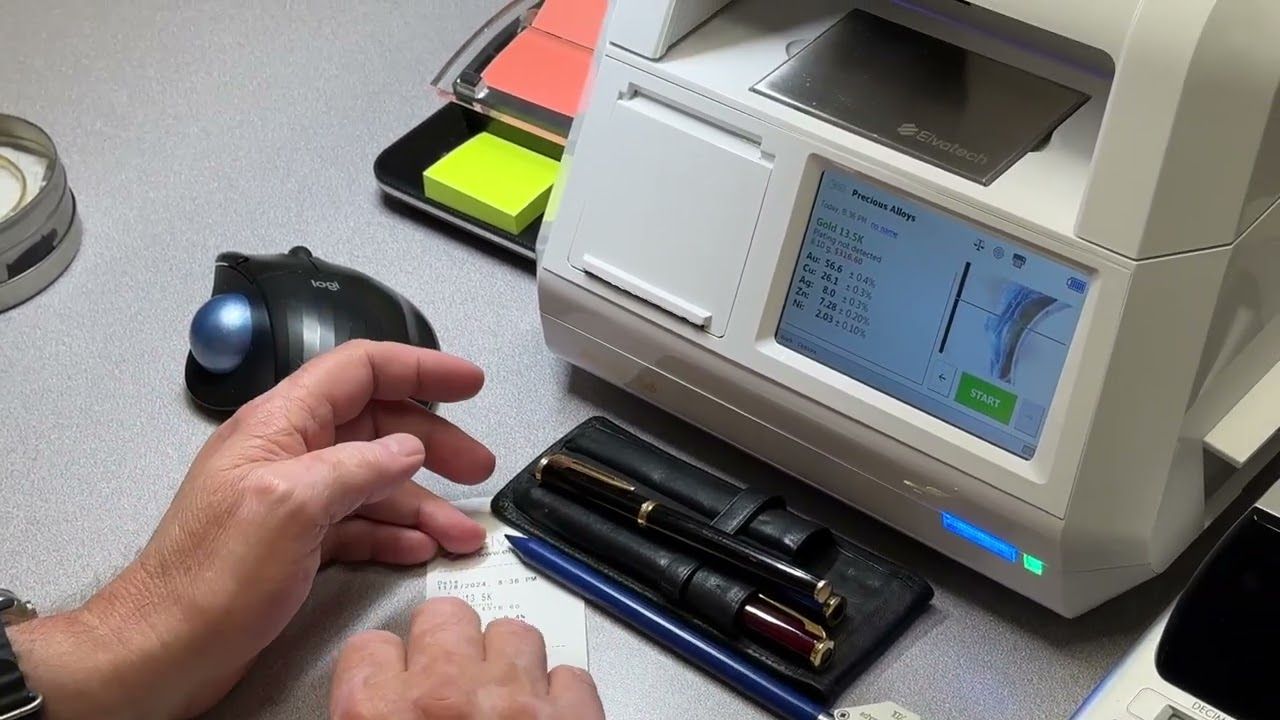 Metal Analyzer: ElvaX XRF Composition Testing
Metal composition determines every critical property from strength to corrosion resistance, weldability to...Einzelheiten
Metal Analyzer: ElvaX XRF Composition Testing
Metal composition determines every critical property from strength to corrosion resistance, weldability to...Einzelheiten -
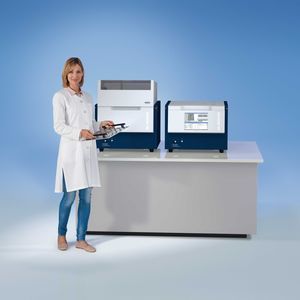 XRF Metal Analyzer: Precise Alloy Composition
Precision defines quality in metal industries where compositional accuracy separates specification compliance from...Einzelheiten
XRF Metal Analyzer: Precise Alloy Composition
Precision defines quality in metal industries where compositional accuracy separates specification compliance from...Einzelheiten -
 Handheld Precious Metal Analyzer: Gold Silver Testing
Gold and silver authenticity verification demands instant, accurate purity determination without damaging valuable...Einzelheiten
Handheld Precious Metal Analyzer: Gold Silver Testing
Gold and silver authenticity verification demands instant, accurate purity determination without damaging valuable...Einzelheiten -
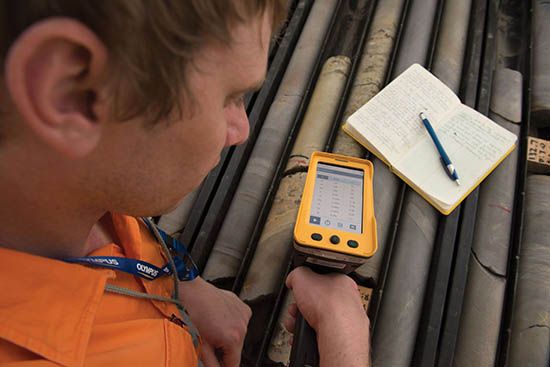 Handheld XRF: ElvaX ProSpector Metal Tester
Metal testing demands speed, accuracy, and portability in environments where laboratory analysis creates...Einzelheiten
Handheld XRF: ElvaX ProSpector Metal Tester
Metal testing demands speed, accuracy, and portability in environments where laboratory analysis creates...Einzelheiten -
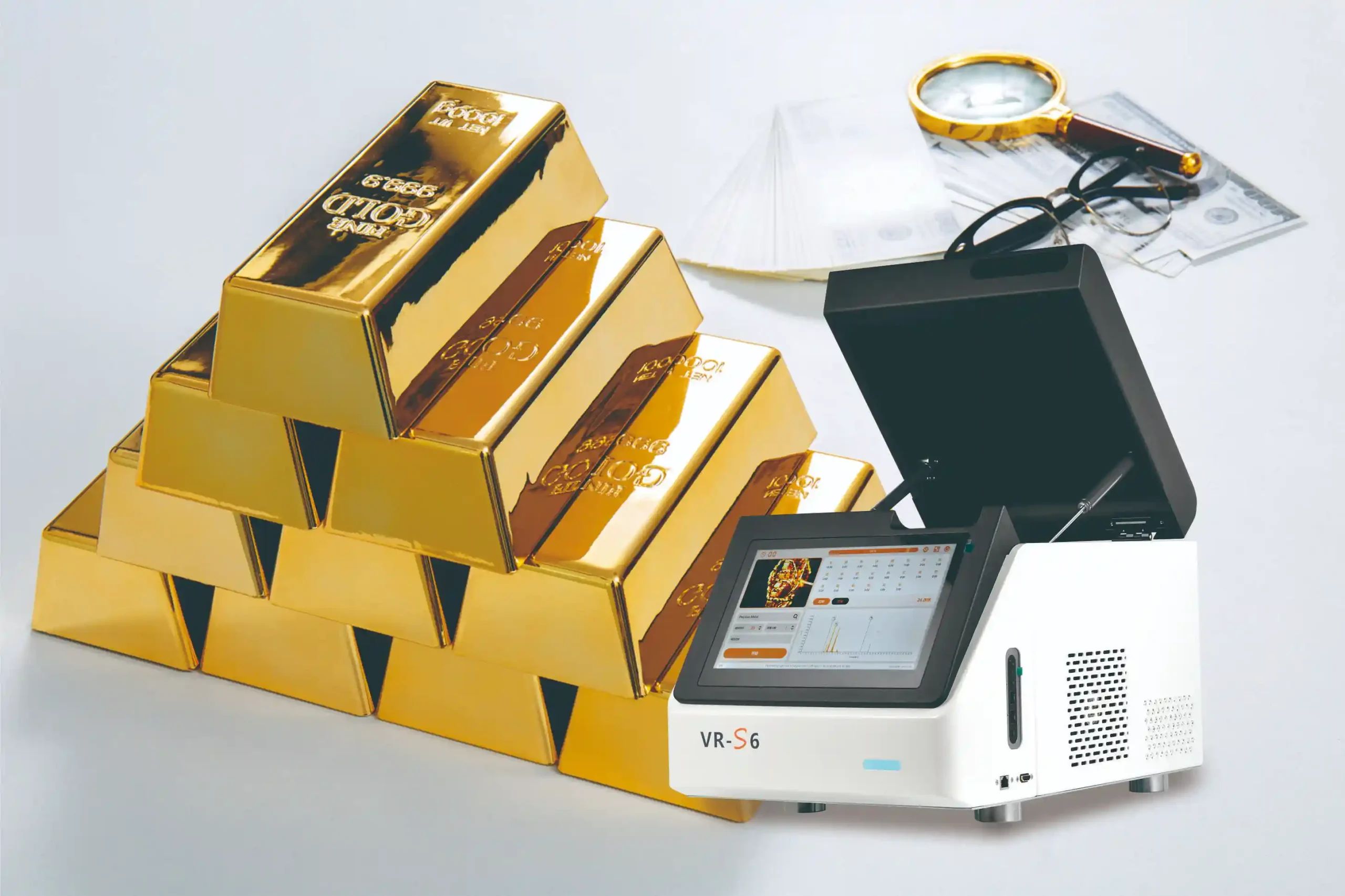 XRF Gold Tester: ElvaX Jewelry Lab Karat Testing
Gold purity verification drives trust and value in jewelry industries where karat accuracy determines pricing,...Einzelheiten
XRF Gold Tester: ElvaX Jewelry Lab Karat Testing
Gold purity verification drives trust and value in jewelry industries where karat accuracy determines pricing,...Einzelheiten