
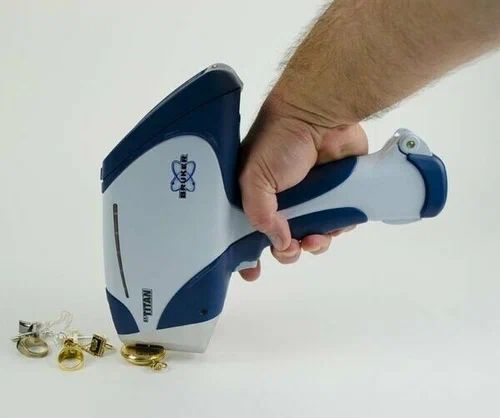
Handheld Precious Metal Analyzer: Gold Silver Testing
Understanding Precious Metal Testing
Precious metal value depends directly on purity—gold content determines karat ratings from 10K (41.7% gold) through 24K (99.9% pure gold). Silver fineness ranges from Sterling 925 (92.5% silver) to Fine 999 (99.9% pure). Platinum grades span PT850 to PT950 to PT999. These compositional differences dramatically affect market value—24K gold commands substantially higher prices than 10K, fine silver exceeds sterling value, and platinum purity determines pricing.
Traditional testing methods present significant limitations. Acid testing scratches surfaces, requires destructive sampling for conclusive results, poses chemical hazards, and provides only approximate purity estimates. Fire assay delivers ultimate accuracy but destroys tested items completely, requires laboratory facilities, consumes days for results, and costs hundreds per sample. Electronic testers measure conductivity providing rough estimates affected by surface plating, alloy composition, and temperature variables.
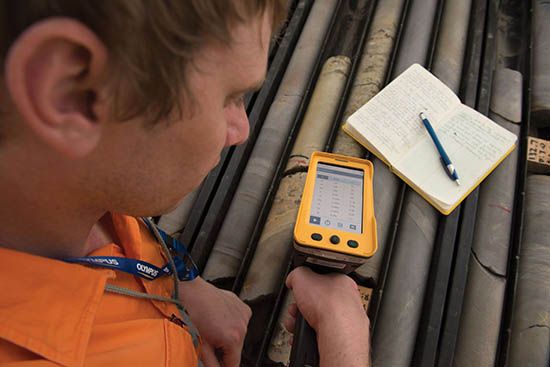
Handheld precious metal analyzers revolutionize testing through non-destructive X-ray fluorescence spectroscopy. Point the analyzer at jewelry, coins, bars, or scrap, pull the trigger, and receive precise purity determination in 2-5 seconds without marking, scratching, or altering tested items. The technology detects actual elemental composition—measuring gold, silver, platinum, palladium, copper, zinc, and other constituents revealing true metallurgical makeup rather than surface characteristics.
XRF Technology for Gold and Silver
How XRF Precious Metal Analysis Works
Handheld analyzers emit focused X-ray beams exciting atoms in precious metal items. Gold atoms respond with characteristic fluorescent X-rays at 68.8 and 77.9 keV. Silver fluoresces at 22.1 and 25.0 keV. Platinum emits at 66.8 and 75.7 keV. Each element produces unique fluorescent energies creating elemental fingerprints enabling positive identification.
Advanced silicon PIN or silicon drift detectors capture fluorescent emissions with exceptional energy resolution. The detectors distinguish between closely-spaced elemental peaks in complex alloy spectra—separating gold from mercury, silver from palladium, platinum from gold. This precision enables accurate quantification even in multi-element precious metal alloys.
Sophisticated algorithms convert fluorescent intensities into concentrations. Fundamental parameters modeling accounts for matrix effects where element interactions influence fluorescence. Empirical calibrations using certified gold, silver, and platinum standards optimize accuracy across karat ranges and alloy types. The processed results display as karat values, purity percentages, and complete elemental composition showing gold, silver, copper, zinc, palladium, and other alloying elements.
Accuracy and Precision
Professional handheld precious metal analyzers achieve remarkable accuracy—typically ±0.1-0.3% absolute for gold and silver content, translating to ±0.3-1.0 karat accuracy for gold testing. Premium instruments with optimized calibrations achieve even better performance—±0.03% for gold, enabling confident distinction between adjacent karat grades.
This accuracy rivals laboratory methods while maintaining seconds-scale testing speed and complete non-destructive preservation. The precision proves sufficient for virtually all commercial precious metal applications—jewelry authentication, scrap evaluation, investment verification, quality control, and regulatory compliance testing.
Applications in Precious Metal Industries
Jewelry Store Authentication
Jewelry retailers employ handheld analyzers for customer service and inventory verification. Customers bring items for authentication—the instant, non-destructive testing confirms gold karat, silver fineness, or platinum purity without damaging treasured pieces. The immediate verification builds trust, supports fair pricing discussions, and enables confident buying decisions.
Estate jewelry evaluation benefits particularly from XRF testing. Unmarked pieces, worn stamps, or questionable authenticity receive definitive compositional analysis. The analyzer distinguishes genuine gold from gold-plated brass, identifies silver versus nickel alloys, and confirms platinum versus white gold—determinations impossible through visual inspection alone.
Inventory management integrates handheld testing verifying stock matches documentation. New inventory receives authentication before display. Consignment pieces undergo testing confirming quality. The comprehensive testing protects stores from counterfeit materials while ensuring customers receive verified quality.
Pawn Shop Collateral Evaluation
Pawn operations depend on accurate precious metal assessment for loan valuations. Handheld analyzers enable immediate testing of gold jewelry, silver items, platinum pieces, and scrap offered as collateral. The precise purity determination supports fair loan amounts protecting both businesses and customers.
The seconds-scale testing enables high-volume operations. Multiple items receive rapid testing during single transactions without delays sending samples to laboratories. The immediate results facilitate negotiation, loan documentation, and customer service while maintaining operational efficiency.
Gold-plated items represent significant pawn shop concerns—XRF analyzers detect thin surface plating over base metals preventing overvaluation of deceptive items. The penetration depth and compositional profiling reveal plating thickness and substrate composition protecting against fraudulent collateral.
Precious Metal Refining and Recycling
Refineries processing scrap jewelry, electronic waste, dental gold, and industrial precious metal scrap employ handheld analyzers for rapid material classification. Mixed scrap segregates by composition—10K, 14K, 18K, and 24K gold separate into grade-specific lots. Silver scrap classifies by purity. Platinum group metals identify and quantify enabling accurate valuation.
The handheld capability enables testing large volumes efficiently. Operators scan hundreds of pieces hourly, rapidly characterizing mixed inputs and optimizing processing strategies. GPS data logging and automated documentation create complete traceability supporting custody records and customer reporting.
Catalyst recycling operations test automobile catalytic converters for platinum, palladium, and rhodium content. The handheld analysis reveals precious metal concentrations guiding purchasing decisions and processing strategies for valuable catalyst recovery.
Investment and Bullion Verification
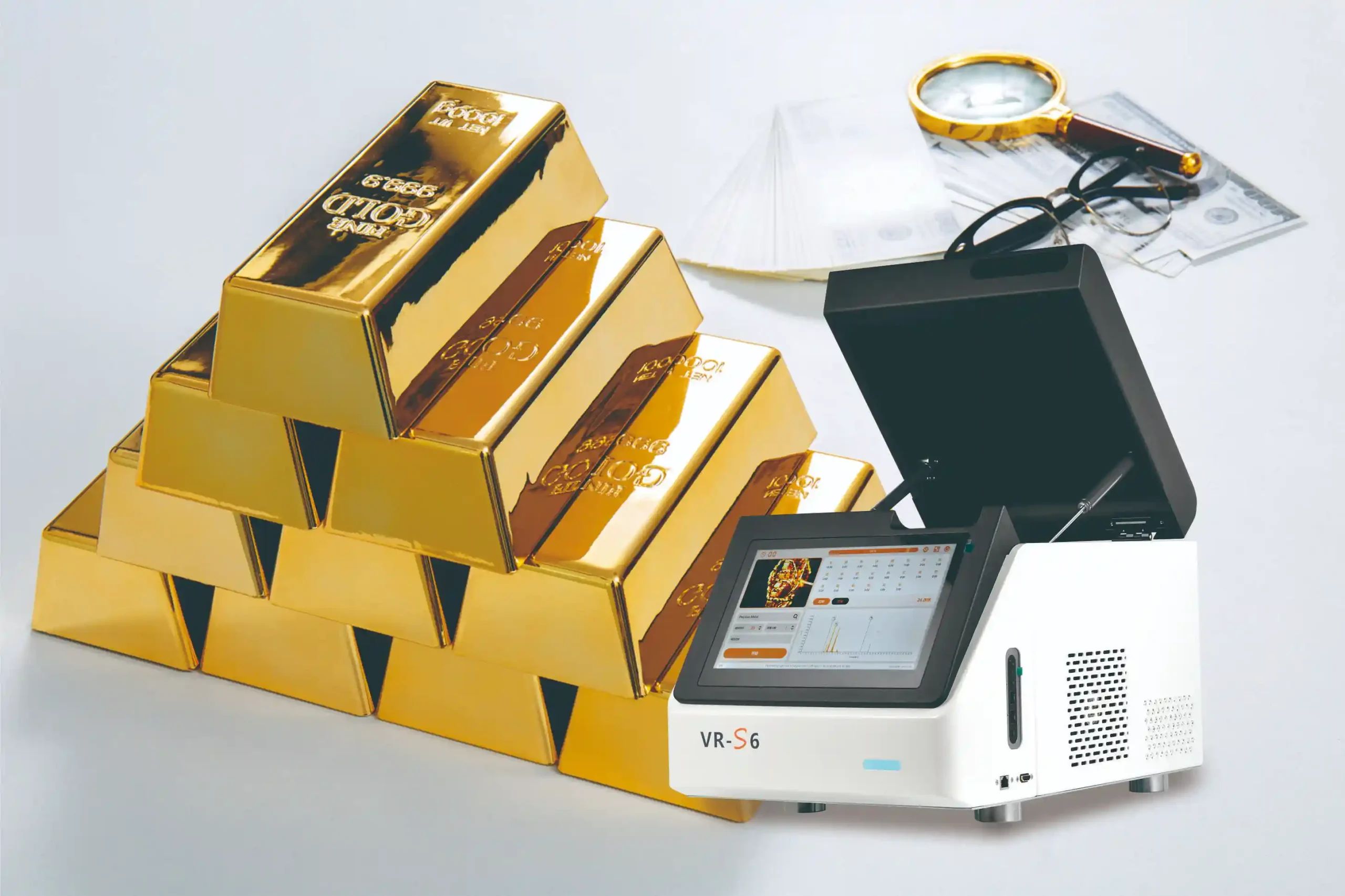
Investment dealers, banks, and private collectors employ handheld analyzers verifying gold bars, silver bullion, platinum ingots, and precious metal coins. The testing confirms advertised purity matches actual composition protecting against counterfeit products or misrepresented materials.
The non-destructive verification preserves numismatic value—rare coins, collectible bullion, and investment-grade bars undergo testing without surface damage that would diminish collector premiums. The complete preservation proves essential for high-value items where even minor scratches reduce market value substantially.
Key Features in Handheld Analyzers
Optimized Detection Systems
Precious metal analyzers employ specialized detectors optimized for gold, silver, and platinum fluorescence energies. Silicon PIN detectors provide cost-effective performance for routine testing. Silicon drift detectors deliver superior resolution enabling better separation of overlapping peaks in complex alloys and enhanced sensitivity for trace element detection.
Large-area detectors capture more fluorescent photons improving counting statistics, reducing measurement time, and enhancing precision. Premium analyzers incorporate 25-50 square millimeter detectors supporting rapid high-accuracy testing.
Specialized Software and Calibrations
Dedicated precious metal software automatically converts measured compositions into familiar karat ratings, fineness values, and purity percentages. Built-in alloy libraries identify common gold alloys—yellow gold, white gold, rose gold—silver compositions, platinum grades, and jewelry alloys providing instant grade identification.
Comprehensive calibrations spanning 8K through 24K gold, 800-999 silver fineness, and platinum grades ensure accurate testing across full precious metal ranges. Custom calibrations accommodate regional alloys or specialized compositions optimizing performance for specific markets.
Small-Spot Collimators
Jewelry testing often requires analyzing small areas—chain links, ring shanks, clasp markings, or delicate filigree. Adjustable collimators focus X-ray beams into pinpoint spots measuring 1-3 millimeter areas enabling precise targeting. The small-spot capability tests specific jewelry components avoiding contamination from solder joints, different-purity sections, or decorative elements.
Built-in high-resolution cameras provide macro and micro sample views ensuring precise targeting. The visual confirmation documents measurement locations and reveals surface conditions affecting testing.
Gold Plating Detection
Advanced analyzers detect gold plating over base metals—a critical capability preventing overvaluation of deceptive items. The XRF penetration depth and compositional profiling reveal layered structures. Specialized algorithms calculate plating thickness and identify substrate composition distinguishing solid gold from plated brass, copper, or steel.
Testing Procedure and Best Practices
Effective precious metal testing follows straightforward procedures. Clean item surfaces removing dirt or lotions that interfere with analysis. Position the analyzer ensuring good contact with flat areas. Avoid testing near solder joints, engravings, or different-metal decorations that create mixed signals.
Test multiple locations verifying compositional uniformity, particularly on unmarked items, estate jewelry, or questionable pieces. Consistent results across locations confirm homogeneous composition. Variations suggest plating, repairs using different alloys, or assembled pieces combining multiple gold qualities.
Maintain calibration accuracy through regular verification using certified gold, silver, and platinum reference standards. Daily calibration checks ensure reliable results. Periodic recalibration maintains long-term accuracy under operational conditions.
Document results comprehensively including item descriptions, test results, photographs, and customer information. Modern analyzers automate documentation through integrated data management storing thousands of test records with timestamps, GPS coordinates, and images supporting quality assurance and transaction records.
Advantages Over Traditional Methods
Non-destructive testing preserves item value completely—no scratches, no acid stains, no material consumption. Tested jewelry returns to customers pristine. Investment bullion maintains uncirculated condition. Rare coins preserve numismatic premiums. The preservation proves particularly valuable for expensive items where any damage significantly reduces market value.
Speed enables high-volume testing—analyze dozens of items in minutes rather than hours or days through laboratory methods. The immediate results support real-time decision-making during customer transactions, buying negotiations, or quality control inspections.
Safety eliminates hazardous chemicals—no corrosive acids, no fumes, no disposal concerns. The clean operation suits retail environments where chemical hazards would be unacceptable for customer-facing operations.
Comprehensive analysis reveals complete composition—gold plus all alloying elements like copper, silver, zinc, nickel, palladium. The multi-element data identifies alloy types, detects unusual compositions suggesting counterfeits, and characterizes jewelry alloys supporting authenticity verification beyond simple purity determination.
Conclusion
Handheld precious metal analyzers revolutionize gold and silver testing by delivering laboratory-quality purity determination in seconds without damaging valuable items. The advanced X-ray fluorescence technology provides accurate karat identification, fineness measurement, and compositional analysis supporting confident authentication, fair valuation, and quality verification across jewelry retail, pawn operations, refining, and investment markets.
The combination of non-destructive preservation maintaining full item value, rapid 2-5 second testing enabling high-volume operations, precise accuracy rivaling laboratory methods, and portable convenience bringing testing to wherever precious metals exist creates unprecedented capability for precious metal verification. From authenticating customer jewelry building retail trust, through evaluating pawn collateral protecting loan values, to verifying investment bullion ensuring genuine quality, handheld analyzers deliver reliable testing that protects transactions and ensures fair dealing.
For businesses and professionals requiring instant, accurate, non-destructive precious metal testing, handheld XRF analyzers represent proven technology supporting confident decisions, operational efficiency, and customer confidence in industries where precious metal authenticity and purity directly determine value and trust.
Related posts
-
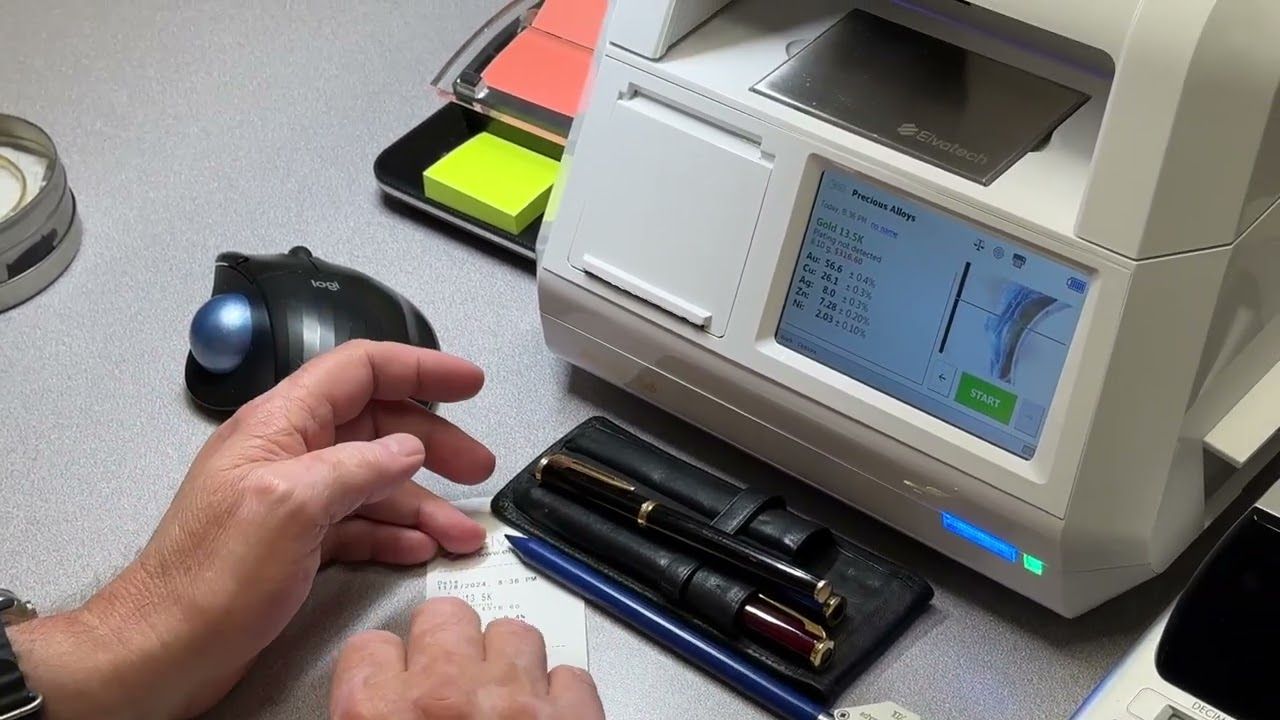 Metal Analyzer: ElvaX XRF Composition Testing
Metal composition determines every critical property from strength to corrosion resistance, weldability to...Einzelheiten
Metal Analyzer: ElvaX XRF Composition Testing
Metal composition determines every critical property from strength to corrosion resistance, weldability to...Einzelheiten -
 XRF Metal Analyzer: Precise Alloy Composition
Precision defines quality in metal industries where compositional accuracy separates specification compliance from...Einzelheiten
XRF Metal Analyzer: Precise Alloy Composition
Precision defines quality in metal industries where compositional accuracy separates specification compliance from...Einzelheiten -
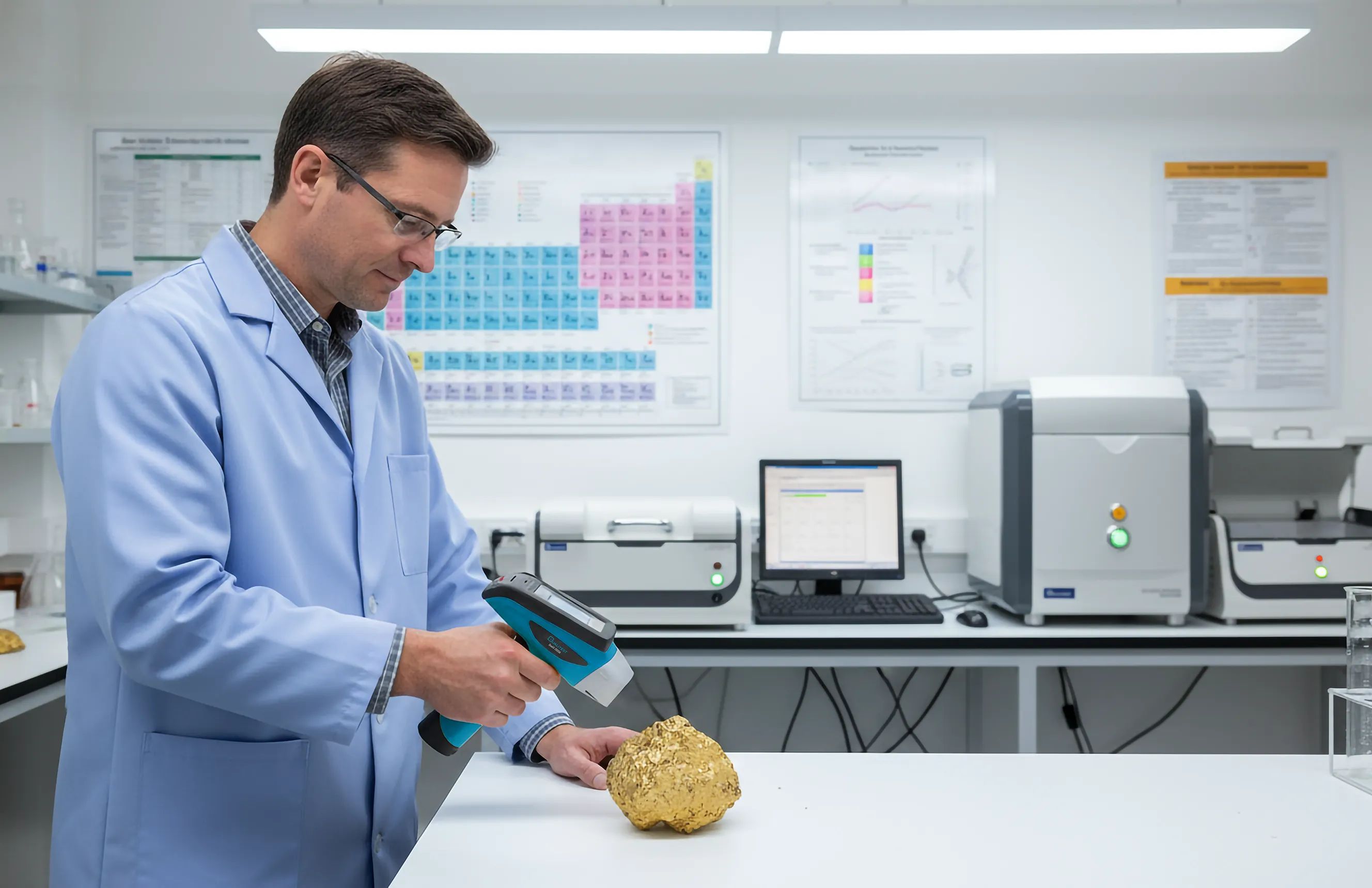 XRF Metal Analyser: Metal Product Testing
Metal product quality depends on verified composition meeting specifications throughout manufacturing—from raw...Einzelheiten
XRF Metal Analyser: Metal Product Testing
Metal product quality depends on verified composition meeting specifications throughout manufacturing—from raw...Einzelheiten -
 Handheld XRF: ElvaX ProSpector Metal Tester
Metal testing demands speed, accuracy, and portability in environments where laboratory analysis creates...Einzelheiten
Handheld XRF: ElvaX ProSpector Metal Tester
Metal testing demands speed, accuracy, and portability in environments where laboratory analysis creates...Einzelheiten -
 XRF Gold Tester: ElvaX Jewelry Lab Karat Testing
Gold purity verification drives trust and value in jewelry industries where karat accuracy determines pricing,...Einzelheiten
XRF Gold Tester: ElvaX Jewelry Lab Karat Testing
Gold purity verification drives trust and value in jewelry industries where karat accuracy determines pricing,...Einzelheiten