
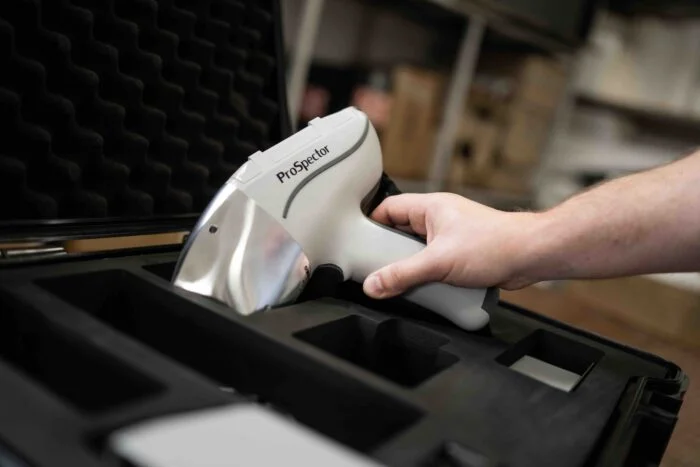
How to Choose Handheld XRF Metal Analyzer
Understanding Your Application Requirements
The first step in choosing a handheld XRF analyzer involves clearly defining your primary application and testing objectives. Different industries demand different analytical capabilities and performance characteristics. Scrap metal sorting operations prioritize rapid alloy identification and grade verification across thousands of daily measurements, requiring rugged instruments with extensive alloy libraries and fast response times. Quality control departments need reliable quantitative analysis for incoming material verification and production monitoring, emphasizing accuracy and reproducibility over speed.
Precious metal testing applications such as jewelry verification, pawnshop authentication, and gold buying require analyzers optimized for accurate karat determination and precious metal quantification. These applications benefit from specialized calibrations and small spot sizes for testing intricate items. Mining exploration and geochemical surveying demand analyzers capable of measuring geological elements in soil and rock matrices under field conditions, requiring weatherproof designs and extended battery life.
Environmental screening for contaminated sites and compliance testing represents another distinct application category. These projects require detection of regulated elements like lead, chromium, arsenic, and cadmium at relatively low concentrations. Manufacturing applications including metal fabrication, aerospace component verification, and automotive parts inspection need analyzers that balance speed with precision for efficient production workflows.
Detector Technology Comparison
Detector type represents the most critical technical specification influencing analyzer performance and price. Three main detector technologies dominate the handheld XRF market, each offering distinct advantages. Silicon PIN diode (Si-PIN) detectors provide cost-effective performance suitable for routine metal alloy identification and basic quantitative analysis. These detectors typically achieve energy resolution around 165 eV at Mn Kα, adequate for distinguishing between most common alloy elements. Si-PIN detectors use Peltier cooling for temperature stability and deliver low noise performance.
Silicon Drift Detectors (SDD) represent advanced technology offering superior performance for demanding applications. SDDs achieve energy resolution typically around 140-150 eV, enabling better separation of overlapping spectral peaks in complex alloys. The improved resolution translates to more accurate quantification of elements with similar characteristic X-ray energies. SDDs handle significantly higher count rates than PIN detectors, reducing measurement times while maintaining precision. This capability proves especially valuable in high-throughput sorting operations where speed directly impacts productivity.
The enhanced sensitivity of SDD detectors enables detection of trace elements at parts-per-million (ppm) levels, essential for applications requiring low detection limits. Recent SDD design advances allow rapid analysis even in handheld configurations, maintaining high signal-to-noise ratios that improve measurement reliability. While SDD-equipped analyzers cost more than PIN-based models, the performance advantages justify the investment for applications demanding maximum accuracy and lowest detection limits.
Portability Versus Accuracy Trade-offs
Understanding the inherent trade-offs between portability and analytical performance helps set realistic expectations. Handheld XRF analyzers excel at providing fast, convenient on-site measurements but typically achieve slightly lower accuracy compared to laboratory benchtop systems. This difference stems from physical constraints including smaller detectors, battery power limitations, and the need for lightweight compact designs.
Handheld units deliver results within seconds to minutes, making them ideal for rapid screening and sorting applications where immediate decisions are required. The portability advantage allows testing anywhere including remote field locations, vertical surfaces, large objects, and materials that cannot be transported to laboratories. Minimal sample preparation requirements save time and resources, with most measurements performed directly on materials as-found.
Benchtop laboratory XRF systems provide higher accuracy, better detection limits for trace elements, and more comprehensive elemental coverage. These instruments accommodate liquids and powders in addition to solids, offer automated sample changers for high-throughput analysis, and include advanced calibration options. For applications requiring the lowest possible detection limits and highest quantitative accuracy, benchtop systems remain superior. However, when mobility and instant results outweigh marginal accuracy improvements, handheld analyzers represent the practical choice
Essential Features and Specifications
Several key specifications differentiate handheld XRF analyzers and directly impact usability and performance. Elemental range defines which elements the analyzer can detect, typically spanning from light elements like magnesium or sodium up to heavy elements like uranium. Metal alloy applications generally require coverage from aluminum through uranium, while precious metal testing focuses on the gold, silver, platinum group.
Analysis time significantly affects productivity, with faster measurements enabling more samples per shift. Modern analyzers deliver qualitative identification in 2-5 seconds and quantitative analysis in 5-30 seconds depending on required precision. Longer measurement times improve counting statistics and reduce detection limits for trace elements. The optimal balance depends on whether speed or precision takes priority for your application.
Display quality and user interface design impact operational efficiency. Tilting touchscreens provide better viewing angles in various lighting conditions and allow operation with gloved hands. Integrated cameras enable photographic documentation of test locations and samples, valuable for quality records and traceability. Data storage capacity determines how many results the analyzer can retain internally before requiring download, with modern units storing 5,000 to over 130,000 measurements.
Connectivity options including WiFi, Bluetooth, USB, and email capability enable flexible data transfer and integration with laboratory information systems. Cloud connectivity allows remote access to results and facilitates team collaboration across multiple testing locations. Battery life directly affects field productivity, with extended-capacity batteries supporting 8-12 hours of continuous operation.
Calibration and Software Capabilities
Pre-installed calibrations and software functionality significantly influence out-of-box usability and long-term versatility. Quality handheld XRF analyzers include factory calibrations for common applications such as stainless steels, aluminum alloys, copper alloys, precious metals, and soil analysis. These pre-programmed modes enable immediate productive use without requiring extensive setup or custom calibration development.
Fundamental Parameters (FP) algorithms provide standardless analysis capability for unknown samples and materials outside programmed calibrations. FP methods calculate elemental concentrations from first principles physics rather than relying solely on calibration standards, offering versatility when analyzing unusual matrices. This capability proves valuable when encountering unexpected materials or developing new applications.
Custom calibration development features allow users to optimize analyzer performance for specific sample types. Creating empirical calibrations using representative standards improves accuracy for routine high-volume applications. The software should support flexible calibration editing, multi-point regression models, and matrix correction factors.
Data management capabilities including result filtering, statistical analysis, grade matching against specification databases, and pass-fail testing streamline workflows. Report generation features that produce professional certificates with company branding support quality documentation requirements. Integration with enterprise software systems through data export in standard formats enables seamless incorporation of XRF results into broader quality management processes.
Ruggedness and Environmental Protection
Field-deployed handheld analyzers must withstand harsh conditions including temperature extremes, humidity, dust, and accidental impacts. Industrial protection ratings indicate the instrument's resistance to environmental hazards. IP ratings (Ingress Protection) specify dust and water resistance, with IP54 providing protection against dust and water splashes, while IP65 offers complete dust protection and resistance to water jets.
Drop test certifications indicate the analyzer's ability to survive accidental falls onto concrete or other hard surfaces. Military-grade construction with reinforced housings and shock-mounted internal components protects sensitive electronics and detectors. Rubber overmolding provides grip and impact absorption while sealed membrane keypads prevent contamination ingress.
Operating temperature ranges define environmental limits for accurate measurements. Quality analyzers function across -10°C to +50°C ranges, accommodating outdoor use in diverse climates. Humidity tolerance and precipitation resistance enable operation during light rain or in damp conditions. These ruggedness features directly impact instrument longevity and reduce maintenance costs in demanding field environments.
Budget Considerations and Total Cost of Ownership
Handheld XRF analyzers represent significant capital investments ranging from entry-level models to premium instruments with advanced capabilities. Initial purchase price correlates with detector technology, analytical performance, features, and brand reputation. PIN detector models typically cost less than SDD-equipped units, providing an accessible entry point for basic applications. Premium analyzers with large-area SDD detectors, advanced software, and extensive calibration libraries command higher prices justified by superior performance.
Total cost of ownership extends beyond purchase price to include operational expenses. Handheld analyzers generally have lower operating costs compared to benchtop systems and traditional laboratory testing. Battery replacement represents the primary consumable expense, with lithium-ion batteries typically lasting 2-3 years under normal use. Periodic factory recalibration and certification maintains accuracy, with annual or biennial service recommended depending on usage intensity.
Return on investment analysis should consider savings from eliminating external laboratory fees, reducing material misidentification losses, accelerating decision-making, and improving throughput. A handheld analyzer that prevents a single significant sorting error or material rejection can pay for itself in months. Calculating cost per test based on expected usage volume helps quantify the economic advantage over traditional testing methods.
Vendor Support and Warranty Coverage
Manufacturer support quality significantly impacts long-term ownership experience and instrument uptime. Comprehensive warranty coverage typically spans 2-3 years and should include parts, labor, and detector replacement. Extended warranty options provide cost protection beyond standard coverage periods. Responsive technical support with knowledgeable staff helps resolve operational questions and troubleshoot issues quickly.
Training programs ensure operators understand proper measurement techniques, optimize analysis parameters, and interpret results correctly. On-site training, webinars, and detailed documentation contribute to user competency. Application support from experienced specialists helps develop custom methods and solve unique analytical challenges.
Service network accessibility affects repair turnaround times and equipment availability. Manufacturers with regional service centers and certified repair partners provide faster support than those requiring return shipment to distant facilities. Loaner programs that provide temporary replacement instruments during repairs minimize operational disruption. Software update policies determine whether feature enhancements and new calibrations are included or require additional fees.
Conclusion
Choosing the optimal handheld XRF metal analyzer requires balancing application requirements, performance specifications, and budget constraints. Start by clearly defining your primary testing objectives and typical sample types to identify necessary analytical capabilities. Detector technology represents the most critical decision, with SDD detectors offering superior performance for demanding applications while PIN detectors provide cost-effective solutions for routine testing.
Evaluate essential features including elemental range, analysis speed, user interface quality, data management capabilities, and ruggedness for your operating environment. Understand the trade-offs between handheld portability and benchtop accuracy to set appropriate expectations. Consider total cost of ownership including operational expenses and quantify potential return on investment from improved efficiency and reduced external testing costs.
Request demonstration units to evaluate analyzer performance with your actual samples under real working conditions. Compare multiple manufacturers to assess software usability, ergonomics, and support quality. Verify that vendor technical support, training resources, and service capabilities meet your requirements. By systematically evaluating these factors, you can confidently select a handheld XRF analyzer that delivers reliable results, improves productivity, and provides lasting value for your metal analysis applications.
Related posts
-
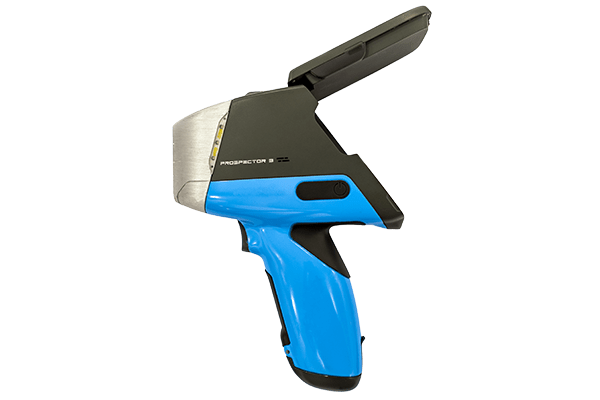 ProSpector 2 vs 3: Complete Comparison Guide
Choosing between the ProSpector 2 and ProSpector 3 handheld XRF analyzers requires understanding the significant...Einzelheiten
ProSpector 2 vs 3: Complete Comparison Guide
Choosing between the ProSpector 2 and ProSpector 3 handheld XRF analyzers requires understanding the significant...Einzelheiten -
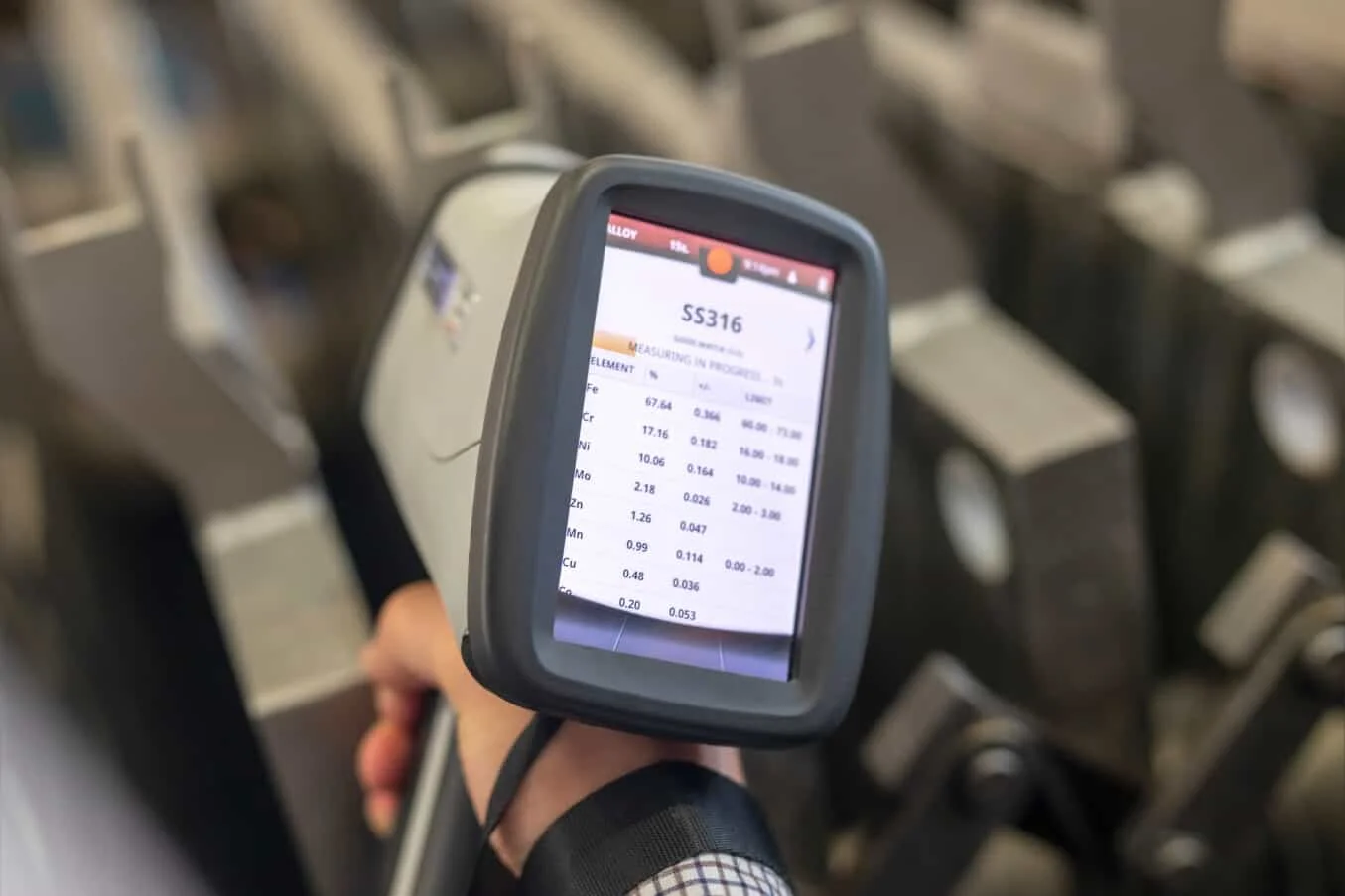 XRF Analyzer Selection and Comparison: Complete Resource Guide
Choosing the right XRF analyzer represents one of the most critical investment decisions for organizations requiring...Einzelheiten
XRF Analyzer Selection and Comparison: Complete Resource Guide
Choosing the right XRF analyzer represents one of the most critical investment decisions for organizations requiring...Einzelheiten