
XRF Analyzer Selection and Comparison: Complete Resource Guide
Why Proper Selection Matters
The XRF analyzer you choose directly impacts measurement accuracy, operational efficiency, and long-term cost-effectiveness. Selecting an under-specified instrument creates frustration through inadequate performance, while over-investing in unnecessary capabilities wastes budget resources. Different applications demand different analytical characteristics, making it essential to match analyzer specifications to your specific testing requirements.
Material analysis applications span diverse industries including metal fabrication, jewelry authentication, environmental monitoring, mining exploration, electronics manufacturing, and quality control. Each application presents unique challenges regarding sample types, required elements, detection limits, throughput demands, and testing environments. An analyzer optimized for rapid scrap metal sorting differs significantly from one designed for precise coating thickness measurement or trace element detection in geological samples.
The financial implications extend beyond initial purchase price to include operational costs, maintenance expenses, and productivity impacts. A faster analyzer processes more samples per shift, potentially justifying higher upfront costs through increased throughput. Rugged construction reduces repair frequency in demanding field environments, lowering total cost of ownership despite premium pricing. Understanding these trade-offs enables strategic investment decisions aligned with business objectives.
Key Selection Criteria Overview
Several fundamental factors determine XRF analyzer suitability for specific applications. Detector technology represents the most critical specification, with Silicon PIN detectors offering cost-effective basic performance and Silicon Drift Detectors providing superior sensitivity and speed. Your choice between these technologies depends on required detection limits, measurement speed priorities, and budget constraints.
Elemental range defines which elements the analyzer can detect and quantify. Metal alloy identification typically requires coverage from aluminum through uranium, while precious metal testing focuses on gold, silver, and platinum group elements. Environmental applications need sensitivity to toxic heavy metals like lead, arsenic, chromium, and mercury at low concentrations. Matching elemental capabilities to target analytes prevents purchasing inadequate or excessive functionality.
X-ray tube specifications including anode material, voltage, and power output influence excitation efficiency and analytical versatility. Tungsten anodes suit general metal analysis, while rhodium anodes optimize light element detection in aluminum alloys and magnesium-containing materials. Higher voltage tubes excite heavier elements more effectively but cost more and consume additional power.
Portability requirements significantly impact analyzer design and capabilities. Handheld instruments enable on-site testing anywhere including remote locations, vertical surfaces, and materials too large for laboratory transport. Benchtop analyzers deliver superior accuracy and accommodate liquid and powder samples but require stationary laboratory installations. Your testing location and sample characteristics determine optimal portability level.
Understanding Comparison Factors
When evaluating multiple XRF analyzer models, systematic comparison across standardized criteria reveals meaningful performance differences. Analysis speed directly impacts productivity, with measurement times ranging from seconds to minutes depending on required precision and instrument capabilities. Faster analyzers enable higher sample throughput but typically command premium pricing justified only when speed creates operational bottlenecks.
Accuracy and precision specifications indicate measurement reliability and repeatability. Handheld analyzers generally achieve slightly lower accuracy than benchtop systems due to physical constraints, but modern portable instruments deliver results sufficient for most quality control and sorting applications. Understanding your accuracy requirements prevents over-specifying instruments or accepting inadequate performance.
User interface design and software capabilities significantly affect operational efficiency and learning curves. Intuitive touchscreen displays with clear navigation reduce training requirements and minimize operational errors. Advanced software features including automatic grade matching, pass-fail testing, statistical analysis, and cloud connectivity enhance workflow integration. Evaluating software usability through hands-on demonstrations reveals practical differences not apparent from specification sheets.
Build quality and environmental protection determine instrument longevity in demanding conditions. IP ratings specify dust and water ingress resistance, while drop test certifications indicate impact survival capabilities. Operations in harsh environments including extreme temperatures, humidity, or corrosive atmospheres require rugged construction that may not be necessary for controlled laboratory settings.
What You'll Find in This Section
This Selection and Comparison section contains detailed articles addressing specific aspects of XRF analyzer evaluation and model comparisons. Each article provides comprehensive information to support your decision-making process.
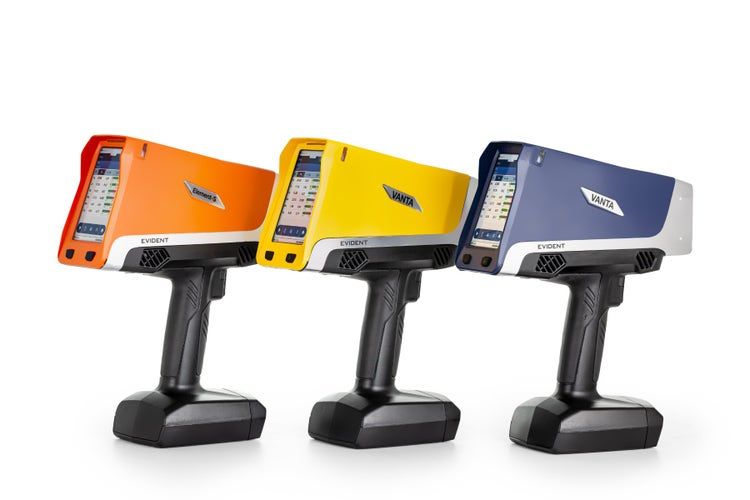
How to Choose Handheld XRF Metal Analyzer serves as your complete buyer's guide for portable XRF instruments. This article systematically walks through the selection process starting with defining application requirements and understanding detector technology options. You'll learn about essential features including elemental range, analysis speed, display quality, connectivity, and battery life. The guide explains ruggedness considerations for field deployment and provides budget guidance including total cost of ownership calculations. Vendor support evaluation criteria help you select manufacturers offering reliable technical assistance and warranty coverage. This resource equips you with knowledge to confidently evaluate handheld XRF analyzers and select models matching your analytical needs.
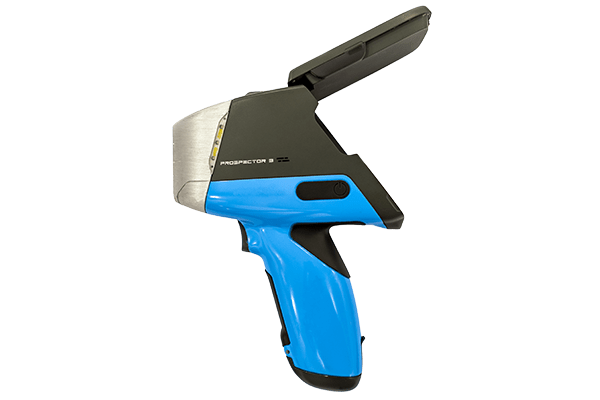
ProSpector 2 vs 3: Complete Comparison Guide delivers an in-depth analysis of two generations of popular handheld XRF analyzers. This detailed comparison examines the significant technological advancements distinguishing the ProSpector 3 from its predecessor. You'll discover the dramatic speed improvements that make the ProSpector 3 up to 10 times faster than the ProSpector 2, along with ergonomic enhancements including a larger display and reduced size and weight. The article compares camera integration, wireless connectivity, software interfaces, and configuration options across both model lines. Practical application suitability analysis helps you determine which generation best fits your operational requirements and budget constraints. This comparison provides the detailed model-specific information necessary for choosing between different technology generations.
Matching Analyzers to Applications
Different industries and applications prioritize different analytical characteristics, making application-specific guidance valuable. Metal fabrication and alloy verification require rapid identification across stainless steels, aluminum alloys, copper alloys, and titanium grades. Speed and extensive alloy libraries take priority over ultimate precision since grade confirmation rather than exact composition determines pass-fail decisions.
Precious metal testing for jewelry, pawnshops, and gold buying demands accurate quantification of gold, silver, platinum, and palladium content. Small spot sizes enable testing intricate items, while non-destructive analysis preserves valuable merchandise. Calibrations optimized for karat determination and purity certification deliver reliable results that satisfy customers and regulatory requirements.
Environmental site assessment and contamination screening focus on detecting regulated heavy metals including lead, arsenic, chromium, and cadmium at relatively low concentrations. Sensitivity to these specific elements outweighs speed considerations since thorough site characterization requires comprehensive sampling rather than rapid screening. Rugged weatherproof construction withstands outdoor field conditions during multi-day surveys.
Mining exploration and geochemical surveying analyze geological materials for indicator elements signaling mineralization potential. Extended battery life supports remote field deployment where recharging opportunities are limited. GPS integration enables automatic georeferencing of measurement locations for GIS mapping applications. The ability to measure multiple geological elements simultaneously including rare earth elements provides comprehensive exploration intelligence.
Quality control and incoming inspection in manufacturing verify that raw materials meet specifications before entering production. Pass-fail functionality against specification databases enables rapid compliance screening without detailed result interpretation. Integration with quality management systems through data export facilitates documentation and traceability requirements.
Technology Evolution and Future Considerations
XRF analyzer technology continues advancing with each generation delivering improved performance, enhanced features, and better user experiences. Understanding technological trends helps evaluate whether current-generation instruments meet long-term needs or whether waiting for upcoming innovations makes strategic sense.
Speed improvements through faster detectors and optimized pulse processing electronics characterize recent developments. Modern analyzers deliver results in seconds that required tens of seconds with previous generation instruments, dramatically increasing throughput without sacrificing accuracy. This performance leap benefits high-volume operations where testing time directly constrains capacity.
Connectivity enhancements including Wi-Fi, Bluetooth, and cloud integration reflect broader digitalization trends. Modern analyzers function as networked devices transmitting results to centralized databases, enabling remote monitoring and collaborative workflows. Integration with enterprise software systems streamlines quality management and compliance documentation.
User interface evolution toward larger touchscreens with intuitive navigation reduces training requirements and improves operational efficiency. Integrated cameras provide photographic documentation automatically linked to measurement results, supporting traceability and quality records. These ergonomic and usability improvements make sophisticated analytical technology accessible to operators with minimal technical backgrounds.
Artificial intelligence and machine learning integration represents emerging capabilities that may influence future purchasing decisions. Advanced algorithms could provide automated grade identification, anomaly detection, and predictive calibration adjustments. While these features remain developmental, understanding technology roadmaps helps assess whether current investments will remain competitive or face rapid obsolescence.
Making Your Decision
Successful XRF analyzer selection balances multiple factors including analytical requirements, budget constraints, operational priorities, and future flexibility. Begin by clearly defining your primary application and typical sample types to establish baseline performance requirements. Identify must-have features that directly enable your analytical objectives versus nice-to-have enhancements that provide marginal benefits.
Request demonstrations with your actual samples under realistic working conditions. Specification sheets provide technical data, but hands-on evaluation reveals practical usability differences and real-world performance. Compare multiple manufacturers to assess build quality, software intuitiveness, and ergonomics. Include operators who will use the equipment daily in evaluation sessions since their experience directly impacts productivity.
Evaluate vendor support quality including technical assistance responsiveness, training programs, and service network accessibility. Comprehensive warranty coverage and clear repair policies protect your investment and minimize downtime. Investigate software update policies to understand whether feature enhancements and new calibrations are included or require additional fees.
Consider upgrade paths and future scalability when selecting instrument configurations. Modular designs allowing detector upgrades or accessory additions provide flexibility as analytical needs evolve. Compatibility with existing software systems and quality management platforms simplifies integration and reduces implementation complexity.
Calculate total cost of ownership including operational expenses beyond purchase price. Battery replacement costs, periodic calibration services, and potential repair expenses factor into long-term financial planning. Quantify return on investment by estimating productivity gains, external testing cost savings, and quality improvement benefits that justify the initial expenditure.
Conclusion
Selecting the optimal XRF analyzer requires systematic evaluation of detector technology, analytical capabilities, portability requirements, and application-specific features. The resources in this Selection and Comparison section provide comprehensive guidance for navigating the decision process, from understanding fundamental selection criteria to comparing specific models across multiple dimensions.
The detailed articles within this section address both general selection principles and specific model comparisons that support informed purchasing decisions. By thoroughly researching your options, testing instruments with representative samples, and carefully evaluating vendor support quality, you can confidently invest in XRF analyzer technology that delivers reliable results, improves operational efficiency, and provides lasting value.
Whether you're establishing new analytical capabilities or upgrading existing equipment, the knowledge gained from these resources empowers you to select analyzers perfectly matched to your requirements. Take time to explore the detailed guides and comparisons that follow to build the expertise necessary for making strategic technology investments that benefit your organization for years to come.
Related posts
-
 How to Choose Handheld XRF Metal Analyzer
Selecting the right handheld XRF metal analyzer requires careful consideration of your specific application...Einzelheiten
How to Choose Handheld XRF Metal Analyzer
Selecting the right handheld XRF metal analyzer requires careful consideration of your specific application...Einzelheiten -
 ProSpector 2 vs 3: Complete Comparison Guide
Choosing between the ProSpector 2 and ProSpector 3 handheld XRF analyzers requires understanding the significant...Einzelheiten
ProSpector 2 vs 3: Complete Comparison Guide
Choosing between the ProSpector 2 and ProSpector 3 handheld XRF analyzers requires understanding the significant...Einzelheiten