
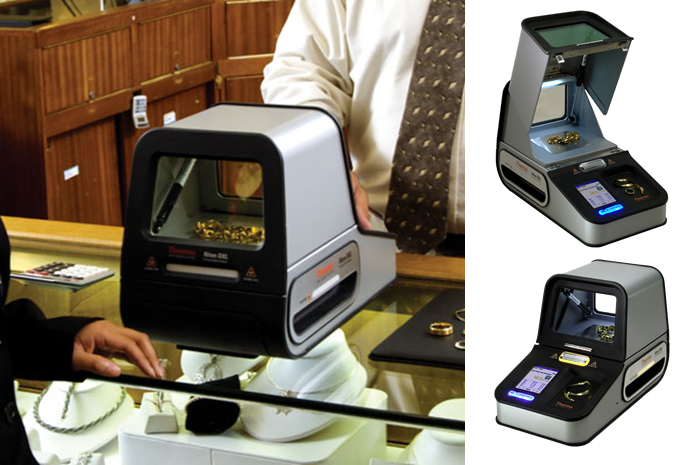
XRF Gold Testing Machine: Precious Metal Verification
Understanding XRF Precious Metal Technology
XRF gold testing machines employ X-ray fluorescence spectroscopy—a proven analytical technique detecting and quantifying elements through characteristic X-ray emissions. When the machine's X-ray source irradiates precious metal samples, atoms absorb energy causing inner-shell electron excitation. As electrons return to ground states, they emit fluorescent X-rays at element-specific energies unique to each element—gold fluoresces at 68.8 and 77.9 keV, silver at 22.1 and 25.0 keV, platinum at 66.8 and 75.7 keV.
Advanced detectors capture these characteristic emissions with exceptional energy resolution. Silicon PIN detectors provide cost-effective performance suitable for routine testing. Silicon drift detectors deliver superior resolution better than 140 eV enabling precise separation of closely-spaced elemental peaks and enhanced sensitivity for trace constituent detection. The captured fluorescent signals process through sophisticated algorithms converting X-ray intensities into elemental concentrations and purity percentages.
The fundamental advantage lies in non-destructive analysis—X-rays penetrate surfaces, excite fluorescence, and exit without altering materials. Test expensive jewelry, rare coins, investment bullion, or precious artifacts repeatedly without scratches, chemical damage, or material consumption. This preservation proves essential where any damage reduces value substantially or where items require return to customers in pristine condition after verification.
Accuracy and Precision
Exceptional Measurement Performance
Professional XRF gold testing machines achieve remarkable accuracy—typically ±0.05-0.1% absolute for gold content determination, translating to ±0.2-0.4 karat accuracy for gold jewelry testing. Premium instruments with optimized calibrations reach even better performance—±0.03% for gold in ideal conditions. This precision rivals laboratory fire assay methods while maintaining seconds-scale testing speed and complete sample preservation.
The accuracy proves sufficient for virtually all commercial precious metal applications—distinguishing 14K from 18K gold reliably, confirming 999 fine gold versus 995 fineness in bullion, verifying Sterling 925 silver authenticity, and detecting gold plating over base metals. Research indicates XRF captures gold purity with 99.9% accuracy in global markets when properly calibrated and operated.
Factors Affecting Accuracy
Several variables influence XRF testing accuracy. Calibration quality proves critical—machines require regular calibration using certified gold, silver, and platinum reference standards traceable to national metrology institutes. Proper calibration ensures measured values match true compositions across purity ranges from 8K through 24K gold and corresponding silver and platinum fineness grades.
Sample characteristics affect results. Homogeneous, flat samples provide optimal accuracy. Uneven surfaces, complex structures, or thick samples may challenge X-ray penetration and fluorescence collection. Surface contamination—dirt, oils, oxidation—interferes with X-ray interaction requiring clean surfaces for reliable testing. Plated items present complexity—XRF detects surface layers requiring depth profiling capabilities to distinguish solid precious metal from plated base metals.
Measurement time influences precision through counting statistics. Quick 3-5 second scans provide adequate accuracy for routine verification. Extended 30-60 second measurements accumulate better statistics improving precision for certification applications or when analyzing low-concentration alloy constituents. The optimal balance between speed and accuracy depends on specific testing requirements.
Comprehensive Verification Capabilities
Gold Purity Testing
Gold verification represents the primary XRF application—testing karat jewelry from 8K (33.3% Au) through 24K (99.9% Au) plus gold bullion at various fineness grades. The machines simultaneously measure gold content and identify alloying elements—copper, silver, zinc, nickel, palladium—revealing complete compositional profiles. Yellow gold typically contains copper and silver. White gold incorporates palladium or nickel. Rose gold increases copper content creating characteristic pink color.
The multi-element analysis supports authenticity verification beyond simple gold percentage. Expected alloy compositions for specific karat grades provide compositional fingerprints—measured alloys matching typical formulations confirm authenticity, while unusual compositions suggest counterfeits or mismarked items requiring further investigation.
Silver Verification
Silver testing verifies fineness from Sterling 925 (92.5% silver) through Fine 999 (99.9% pure silver). XRF machines measure silver content plus copper and other alloying additions. The analysis distinguishes genuine sterling from silver-plated nickel alloys—a common deception where inexpensive base metals receive thin silver coatings appearing authentic but containing minimal silver value.
Antique silver often contains variable compositions requiring testing for accurate assessment. Coin silver at 900 fineness, European silver at different standards, and regional variations receive precise characterization through XRF analysis supporting fair valuation and authentication.
Platinum Group Metals
Platinum jewelry typically ranges from PT850 (85% platinum) through PT950 (95% platinum) to PT999 (99.9% pure). XRF testing verifies platinum content distinguishing genuine platinum from white gold—visually similar but dramatically different in value. Palladium testing supports emerging markets using this platinum-group metal in jewelry and industrial applications.
Rhodium plating on white gold jewelry presents verification challenges—thin rhodium surface layers can confuse simple tests. Advanced XRF machines with depth profiling capabilities penetrate coatings revealing underlying compositions, distinguishing rhodium-plated white gold from solid platinum jewelry.
Multi-Metal Analysis
Professional XRF machines test 20-72 elements simultaneously depending on configuration. Beyond gold, silver, and platinum, the analysis detects copper, zinc, nickel, palladium, iridium, rhodium, ruthenium, and other constituents. This comprehensive capability supports complex precious metal alloy characterization, catalyst analysis containing multiple platinum-group metals, and electronic scrap evaluation for precious metal recovery.
Plating and Coating Detection
Gold-plated items represent significant verification challenges—thin gold layers over base metals appear genuine but contain minimal precious metal content. Advanced XRF gold testing machines detect plating through compositional depth profiling. The X-ray penetration depth (typically 10-100 micrometers depending on element and matrix) enables analysis of layered structures.
Thin plating shows mixed signals—surface gold fluorescence combined with substrate base metal emissions. Algorithms calculate plating thickness and identify underlying compositions distinguishing solid gold from gold-over-brass, gold-over-copper, or gold-over-steel constructions. This capability proves invaluable for estate jewelry authentication, unmarked pieces evaluation, and fraud detection protecting against deceptive items.
Applications Across Industries
Jewelry Industry Verification
Jewelry manufacturers, retailers, and repair shops employ XRF machines for comprehensive quality control. New inventory receives authentication before display. Customer items undergo testing during purchases, appraisals, or repairs. Estate jewelry evaluation benefits particularly from instant compositional analysis—unmarked pieces, worn stamps, or questionable authenticity receive definitive verification.
The non-destructive testing preserves jewelry value completely—no scratches from acid tests, no filing samples for fire assay, no damage compromising appearance or function. Tested jewelry returns to customers pristine, maintaining full collector and monetary value while providing verified authenticity documentation.
Pawn Shop Authentication
Pawn operations depend entirely on accurate precious metal assessment for collateral valuations. XRF machines enable immediate testing of gold jewelry, silver items, platinum pieces, and scrap offered as collateral. The precise purity determination supports fair loan amounts protecting businesses from overvaluation while ensuring customers receive appropriate credit for pledged items.
The seconds-scale testing accommodates high-volume pawn transactions without delays. Multiple items receive rapid verification during single customer visits. The immediate results facilitate negotiation, loan documentation, and customer service maintaining operational efficiency during busy periods.
Precious Metal Refineries
Refineries processing scrap jewelry, dental gold, electronic waste, and industrial precious metal scrap employ XRF machines for rapid material classification and valuation. Mixed scrap segregates by composition—10K, 14K, 18K, 22K, and 24K gold separate into grade-specific lots optimizing refining strategies. Silver and platinum materials receive similar compositional classification.
High-throughput XRF testing enables refineries to process large volumes efficiently—hundreds of items undergo testing hourly creating detailed compositional inventories supporting accurate purchasing, optimized processing, and fair settlements with material suppliers.
Investment and Bullion Markets
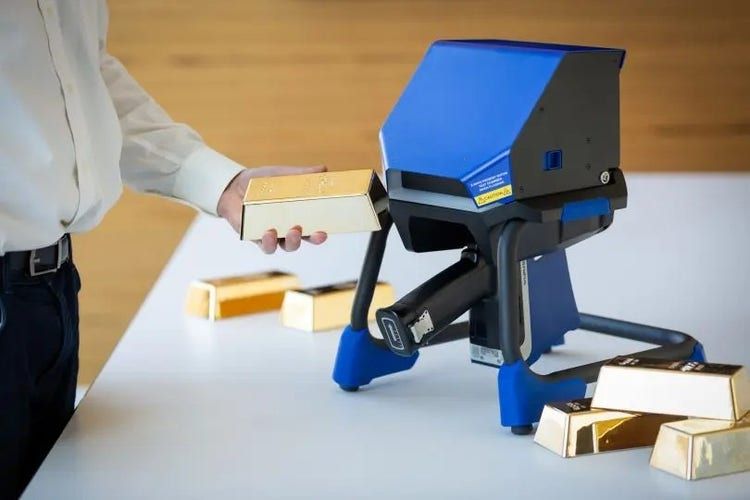
Investment dealers, banks, and collectors employ XRF verification for gold bars, silver bullion, platinum ingots, and precious metal coins. The testing confirms advertised fineness matches actual composition protecting against counterfeit products or misrepresented materials. The non-destructive verification preserves numismatic value—rare coins and collectible bullion undergo testing without surface damage maintaining collector premiums.
The instant verification supports transaction confidence. Buyers confirm authenticity before purchase. Sellers document quality supporting fair pricing. The mutual verification builds trust facilitating precious metal trading and investment markets.
Mining and Exploration
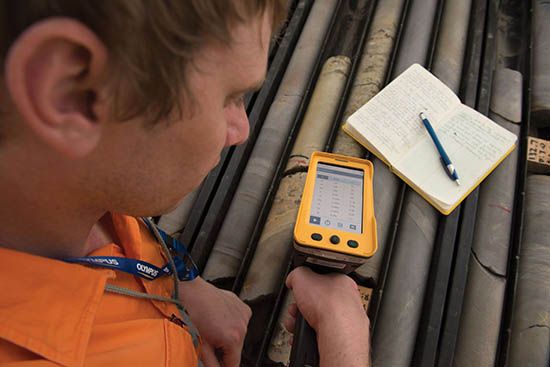
Mining operations employ XRF machines for ore grade determination and metallurgical testing. The rapid analysis supports resource evaluation, processing optimization, and quality control throughout extraction operations. Exploration projects use portable XRF testing for field geochemical analysis guiding drilling programs and discovery efforts.
Machine Types and Configurations
XRF gold testing machines span benchtop and handheld configurations each offering distinct advantages. Benchtop systems deliver superior accuracy through controlled measurement geometry, larger detectors, higher-power X-ray sources, and integrated accessories like precision scales, automatic collimators, and certificate printers. These laboratory instruments suit operations prioritizing ultimate precision, high throughput, or specialized testing requirements.
Handheld XRF analyzers provide portability bringing precious metal testing to field locations, mobile operations, or multiple sites without permanent laboratory installation. The battery-operated portability enables gold buyers testing at estate sales, field mining operations evaluating ore samples, or customs inspectors screening jewelry imports. While slightly lower absolute accuracy than benchtop systems, quality handheld analyzers achieve performance sufficient for most commercial verification applications.
Best Practices for Reliable Testing
Achieving optimal XRF verification requires proper procedures. Clean sample surfaces thoroughly removing dirt, oils, lotions, or oxidation that interfere with X-ray interactions. Position samples flat against measurement windows ensuring good contact and stable geometry. Test multiple locations on items verifying compositional uniformity—particularly important for unmarked pieces, estate jewelry, or suspicious items where consistency confirms authenticity.
Maintain calibration accuracy through regular verification using certified reference standards. Daily calibration checks using gold, silver, and platinum standards ensure reliable results. Periodic recalibration maintains long-term accuracy under operational conditions. Document calibration records supporting quality assurance and regulatory compliance.
Understand equipment limitations. XRF provides surface analysis—extremely thin plating may yield misleading results if substrate compositions influence measurements. Complex geometries, uneven surfaces, or items with coatings require careful interpretation. When results seem questionable, employ complementary techniques like specific gravity testing or fire assay for conclusive verification.
Conclusion
XRF gold testing machines deliver revolutionary precious metal verification combining laboratory-grade accuracy typically ±0.05-0.1% with non-destructive preservation and seconds-scale testing speed. The advanced X-ray fluorescence technology provides comprehensive compositional analysis identifying gold, silver, platinum, palladium, and alloying elements while detecting plating and revealing authentic precious metal content without damaging valuable items.
From jewelry authentication building retail confidence through transparent testing, to investment bullion verification ensuring genuine quality, to refinery scrap evaluation enabling accurate purchasing, to pawn shop collateral assessment supporting fair valuations, XRF machines provide the reliable precious metal verification modern industries demand. The combination of exceptional accuracy, complete preservation, rapid results, and multi-metal capabilities creates unprecedented testing capability protecting transactions and ensuring fair dealing.
For businesses and professionals requiring instant, accurate, non-destructive precious metal verification—whether benchtop laboratory systems or portable handheld analyzers—XRF gold testing machines represent proven technology supporting confident authentication, operational efficiency, and customer trust in industries where precious metal authenticity and purity directly determine value, reputation, and success.
Related posts
-
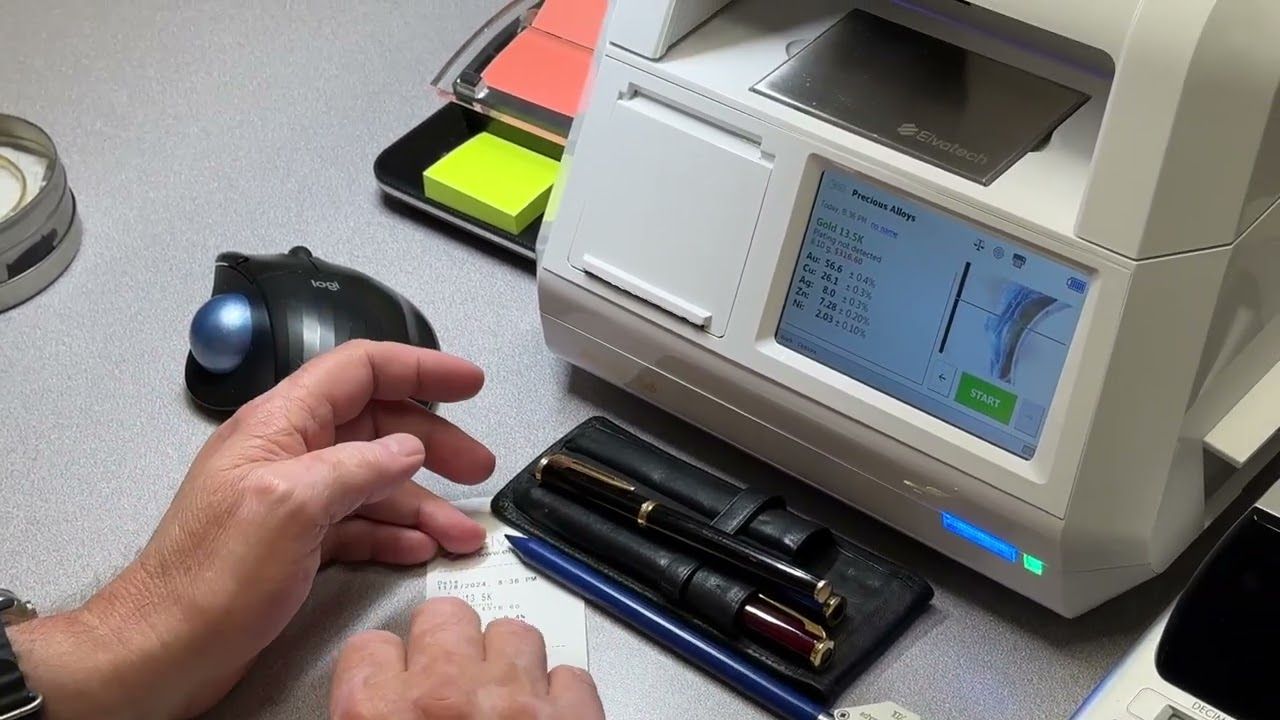 Metal Analyzer: ElvaX XRF Composition Testing
Metal composition determines every critical property from strength to corrosion resistance, weldability to...Einzelheiten
Metal Analyzer: ElvaX XRF Composition Testing
Metal composition determines every critical property from strength to corrosion resistance, weldability to...Einzelheiten -
 XRF Metal Analyzer: Precise Alloy Composition
Precision defines quality in metal industries where compositional accuracy separates specification compliance from...Einzelheiten
XRF Metal Analyzer: Precise Alloy Composition
Precision defines quality in metal industries where compositional accuracy separates specification compliance from...Einzelheiten -
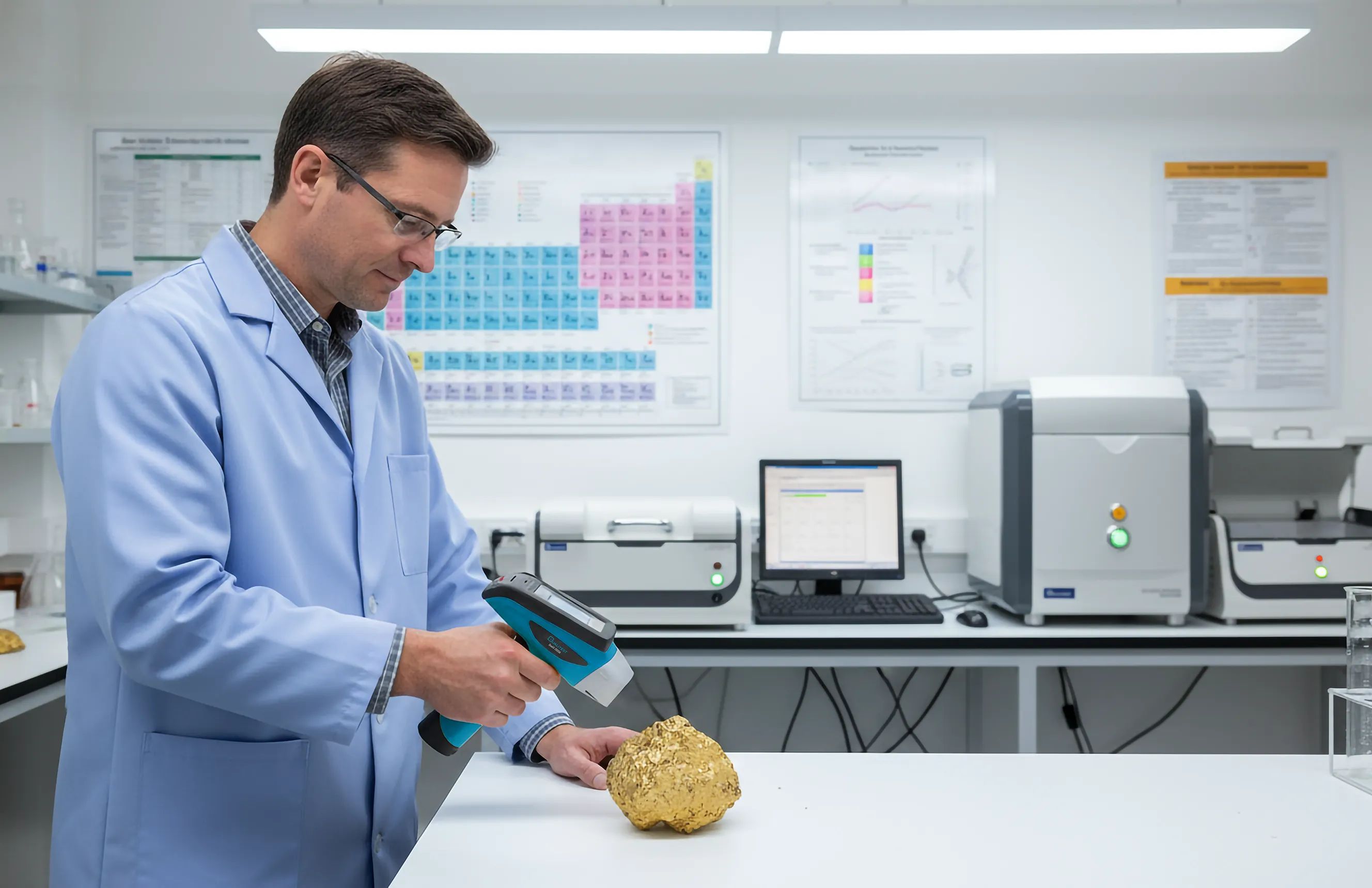 XRF Metal Analyser: Metal Product Testing
Metal product quality depends on verified composition meeting specifications throughout manufacturing—from raw...Einzelheiten
XRF Metal Analyser: Metal Product Testing
Metal product quality depends on verified composition meeting specifications throughout manufacturing—from raw...Einzelheiten -
 Handheld Precious Metal Analyzer: Gold Silver Testing
Gold and silver authenticity verification demands instant, accurate purity determination without damaging valuable...Einzelheiten
Handheld Precious Metal Analyzer: Gold Silver Testing
Gold and silver authenticity verification demands instant, accurate purity determination without damaging valuable...Einzelheiten -
 Handheld XRF: ElvaX ProSpector Metal Tester
Metal testing demands speed, accuracy, and portability in environments where laboratory analysis creates...Einzelheiten
Handheld XRF: ElvaX ProSpector Metal Tester
Metal testing demands speed, accuracy, and portability in environments where laboratory analysis creates...Einzelheiten