

Handheld XRF Analyser: Professional Metal Analysis
Defining Professional Metal Analysis
Professional metal analysis encompasses comprehensive compositional characterization supporting critical applications across aerospace, petrochemical, construction, automotive, and manufacturing industries where material performance directly impacts safety, regulatory compliance, and operational success. Unlike simple identification distinguishing steel from aluminum, professional analysis quantifies precise elemental percentages—measuring chromium at 17.5% versus 16.8%, detecting molybdenum at 2.3% versus 2.8%, identifying trace titanium at 0.15%—compositional details determining specification compliance, mechanical properties, and fitness for service.
Traditional professional analysis required laboratory instrumentation—optical emission spectrometers, inductively coupled plasma systems, or wet chemistry methods consuming hours or days per sample. Sample collection, transport to laboratories, queue time, analysis, and reporting created multi-day or multi-week delays between testing needs and actionable results. The laboratory dependence created bottlenecks constraining operations, delayed critical decisions, and increased costs through sample handling and analytical fees.
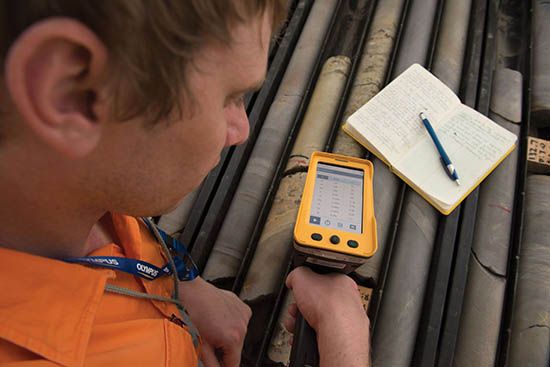
Handheld XRF analysers revolutionize professional metal analysis by delivering laboratory-comparable performance through field-portable instruments. Point-and-shoot operation provides compositional results in 2-30 seconds enabling same-shift decisions. Non-destructive testing preserves expensive components, finished products, or installed equipment. The immediate field capability eliminates laboratory delays transforming metal analysis from constraint to advantage.
XRF Technology for Professional Standards
Advanced Detection Systems
Professional handheld XRF analysers employ sophisticated silicon drift detectors achieving energy resolution around 125-145 eV—performance enabling clear separation of closely-spaced elemental peaks in complex alloy spectra containing 20-40 simultaneous elements. Large detector areas of 25-50 square millimeters capture more fluorescent photons improving counting statistics, reducing measurement uncertainty, and enhancing precision for minor elements critical in professional specifications.
Count rate capabilities exceeding 100,000-500,000 photons per second enable rapid data accumulation. Higher throughput collects statistically reliable measurements faster, supporting the seconds-scale analysis speeds making professional field analysis practical. Thermoelectric cooling maintains stable detector temperatures crucial for consistent energy calibration and reproducible results across varying ambient conditions encountered in field operations.
Optimized Excitation and Processing
Variable X-ray tube voltage from 10-50 kV enables element-specific optimization—lower voltages efficiently excite light elements like magnesium and aluminum critical in aluminum aerospace alloys, higher voltages penetrate to excite heavy elements like molybdenum and tungsten defining tool steel performance. Automatic voltage selection matches excitation to analyzed materials maximizing analytical performance.
Multi-position filter changers optimize primary beam filtering for different element groups. Appropriate filters reduce background, minimize matrix effects, and enhance sensitivity improving signal-to-noise ratios critical for trace element detection at parts-per-million levels. Digital signal processing with advanced algorithms extracts maximum information from captured spectra, converting raw fluorescent intensities into accurate elemental concentrations through fundamental parameters modeling and empirical calibration refinements.
Professional-Grade Precision
Precision separates professional from consumer-grade analysers. Quality handheld XRF achieves precision typically 0.05-0.3% relative standard deviation for major and minor elements under controlled conditions—performance meeting stringent professional quality control requirements. Major alloying elements like chromium at 18% measure with precision ±0.009-0.054% absolute. Minor constituents at 2-3% achieve precision around ±0.002-0.009% absolute.
This performance enables confident specification verification distinguishing compliant materials from marginal compositions. Stainless 316L requiring 16.0-18.0% chromium, 10.0-14.0% nickel, 2.0-3.0% molybdenum receives reliable verification through handheld analysis. Aerospace titanium alloys with narrow compositional windows undergo field confirmation. The professional precision transforms handheld instruments from screening tools to verification systems.
Critical Professional Applications
Positive Material Identification Programs
PMI represents essential professional application verifying that installed piping, pressure vessels, heat exchangers, valves, and structural components match engineering specifications throughout petrochemical facilities, power plants, pharmaceutical installations, and critical infrastructure. Material errors cause catastrophic failures—wrong stainless grades corrode in service, inadequate alloy steels fail under stress, mismatched materials create galvanic corrosion or welding defects.
Handheld XRF analysers enable comprehensive PMI testing installed components without disassembly. Inspectors access elevated piping runs, test assembled vessels, verify confined-space components, and analyse welded structures in place. Thousands of components receive verification during construction or maintenance turnarounds with immediate compositional confirmation. GPS integration documents tested locations, cameras photograph measurement points, and wireless data transfer generates complete inspection reports proving material conformance.
Aerospace Quality Assurance
Aerospace manufacturing imposes ultimate professional standards where material failures cause catastrophic consequences. Titanium alloys, aluminum aerospace grades, nickel superalloys, and specialty materials undergo comprehensive verification throughout component production. Incoming material inspection confirms supplier deliveries meet specifications. In-process testing verifies correct alloy selection before expensive machining. Final certification documents finished parts meet airworthiness requirements.
Handheld XRF non-destructive testing preserves expensive aerospace components—no surface damage, no material removal, no contamination compromising flight safety. The immediate verification prevents costly errors—wrong titanium grade machined into structural component, incorrect aluminum alloy in critical assembly, misidentified superalloy in hot-section part. Professional handheld analysis catches errors immediately when correction costs least.
Automotive Component Verification
Automotive manufacturing employs professional metal analysis for safety-critical components—suspension systems, steering assemblies, brake components, engine parts, structural elements—where material performance directly affects vehicle safety and reliability. High-volume production demands rapid testing supporting manufacturing throughput without creating bottlenecks.
Handheld XRF integrates naturally into automotive quality systems. Incoming steel verification confirms correct grades. Foundry casting analysis ensures metallurgical quality. Machined component testing verifies final composition. The seconds-scale analysis enables high sampling frequencies dramatically improving statistical confidence in production quality.
Scrap Metal Professional Sorting
Professional scrap operations maximize material values through precise compositional segregation. Handheld XRF enables rapid high-accuracy sorting distinguishing stainless grades by chromium-nickel-molybdenum content, separating aluminum series through elemental patterns, classifying copper alloy families, and identifying specialty metals commanding premium prices. The 1-2 second analysis supports sorting 500-1000 pieces per shift—throughput impossible with laboratory testing.
GPS data logging creates complete traceability documenting material sources and compositional classifications. Automated inventory management integrates analytical results optimizing lot planning, customer reporting, and processing strategies. The professional analytical capability transforms mixed scrap from unknown composition to characterized material lots.
Professional Features and Capabilities
Comprehensive Alloy Libraries
Professional analysers incorporate extensive grade libraries containing thousands of international specifications—ASTM, ASME, EN, DIN, JIS, GB, GOST standards covering stainless steels, aluminum alloys, titanium grades, nickel superalloys, copper compositions, tool steels, and specialty materials. Automatic grade identification compares measured compositions against specification limits, identifying matching grades and flagging deviations requiring attention.
Custom library capability accommodates proprietary alloys, company-specific specifications, and acceptance criteria unique to operations. Users add, modify, or delete library entries without manufacturer intervention, tailoring instruments to specific professional requirements.
Environmental Ruggedness
Professional field operations encounter harsh conditions—dust, moisture, temperature extremes, drops, vibration. IP54-IP67 environmental ratings provide protection ranging from basic dust resistance through complete dust-tight and water-resistant capability. Operating temperature ranges from -20°C to +50°C accommodate arctic to desert conditions.
Reinforced housings protect sensitive electronics. Sealed displays resist impacts. Shock-resistant designs withstand drops onto concrete. The durability ensures reliable professional analysis despite challenging field environments encountered in construction, mining, outdoor installations, or extreme industrial conditions.
Advanced Data Management
Professional operations require comprehensive documentation supporting quality systems, regulatory compliance, and customer reporting. Modern handheld analysers store thousands of test results including complete compositional data, timestamps, operator identification, GPS coordinates, sample photographs, and measurement parameters.
Multiple connectivity options—USB, WiFi, Bluetooth—enable flexible data workflows. Wireless transfer integrates results with enterprise systems. Customizable reporting generates certificates, inspection records, and compliance documentation. Export formats including CSV, PDF, XML support diverse professional documentation requirements.
Extended Battery Performance
Professional field campaigns require sustained operation without charging constraints. Quality handheld analysers provide 8-16 hours continuous testing supporting full work shifts or multi-day remote deployments. Hot-swappable battery designs enable uninterrupted operation by rotating charged batteries during time-critical inspections or extensive survey programs.
Intelligent power management optimizes battery life adjusting X-ray output and system parameters based on measurement requirements. The extended operation supports professional applications—construction PMI programs verifying thousands of components, mining exploration conducting comprehensive geochemical surveys, or maintenance turnarounds performing extensive material verification.
Professional Selection Criteria
Selecting professional handheld XRF requires evaluating critical specifications. Elemental range must span materials encountered—magnesium through uranium for comprehensive capability including light element detection for aluminum alloys. Detection limits should achieve trace element sensitivity to parts-per-million for contamination screening and minor constituent verification.
Analysis speed must balance throughput requirements against precision needs. Applications prioritizing rapid screening benefit from 1-2 second identification. Certification applications justify 30-60 second comprehensive analysis. Professional instruments provide flexible measurement modes matching speed to requirements.
Precision specifications should quote performance quantitatively enabling objective evaluation. Typical professional specifications include relative standard deviations for major, minor, and trace elements under defined conditions. Verify specifications match actual operational requirements rather than idealized laboratory conditions.
Vendor support infrastructure matters critically for professional applications. Technical support, calibration services, repair capabilities, software updates, and training programs ensure long-term operational success. Evaluate total cost of ownership including acquisition, calibration standards, consumables, maintenance, and support rather than initial purchase price alone.
Conclusion
Handheld XRF analysers deliver professional metal analysis combining laboratory-quality precision with field portability, transforming material verification from laboratory limitation requiring days to field capability delivering immediate results. The advanced X-ray fluorescence technology provides comprehensive compositional analysis quantifying elements from magnesium through uranium with precision typically 0.05-0.3% relative standard deviation—performance meeting stringent professional quality control requirements across aerospace, petrochemical, automotive, and manufacturing industries.
From comprehensive PMI programs verifying critical infrastructure materials ensuring safety and compliance, through aerospace quality assurance protecting flight safety via rigorous material verification, to professional scrap sorting maximizing resource values through precise compositional segregation, handheld XRF provides the immediate analytical capability modern professional operations demand. The combination of exceptional precision, true field portability, non-destructive preservation, and comprehensive data management creates unprecedented professional analysis capability.
For organizations requiring reliable professional metal analysis, instant compositional verification, and field-deployable analytical capability meeting industry standards, handheld XRF analysers represent proven technology supporting operational excellence, quality assurance, regulatory compliance, and competitive success across metal industries worldwide where professional analysis determines safety, quality, and profitability.
Related posts
-
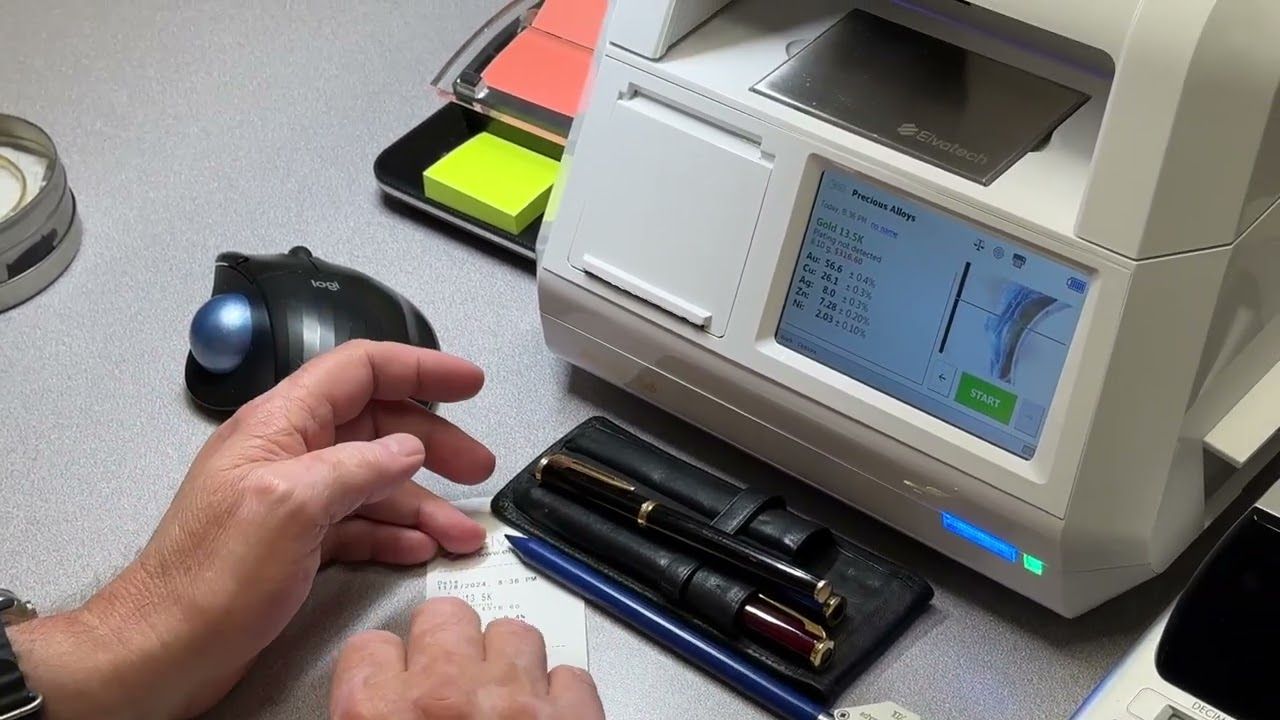 Metal Analyzer: ElvaX XRF Composition Testing
Metal composition determines every critical property from strength to corrosion resistance, weldability to...Einzelheiten
Metal Analyzer: ElvaX XRF Composition Testing
Metal composition determines every critical property from strength to corrosion resistance, weldability to...Einzelheiten -
 XRF Metal Analyzer: Precise Alloy Composition
Precision defines quality in metal industries where compositional accuracy separates specification compliance from...Einzelheiten
XRF Metal Analyzer: Precise Alloy Composition
Precision defines quality in metal industries where compositional accuracy separates specification compliance from...Einzelheiten -
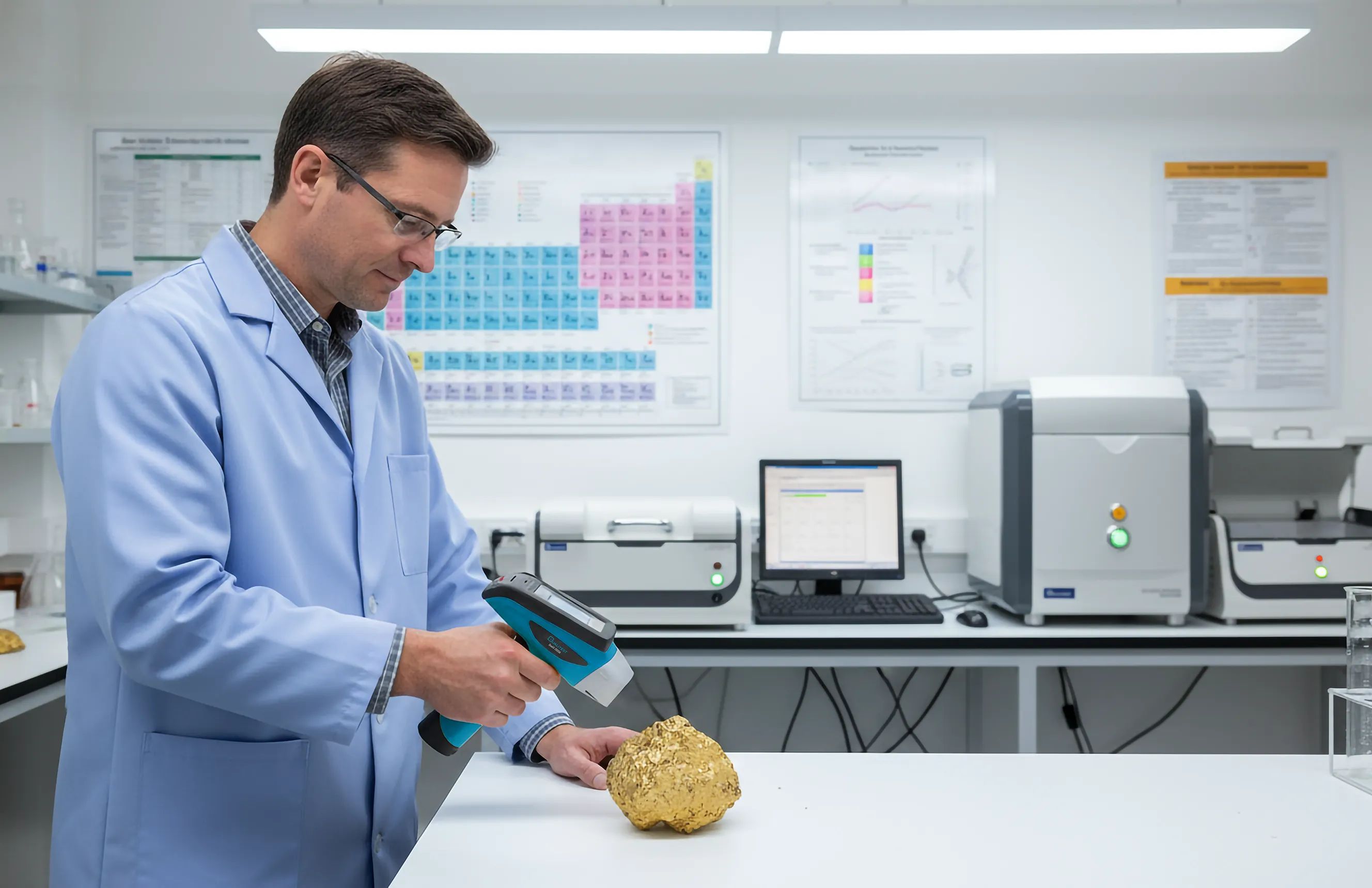 XRF Metal Analyser: Metal Product Testing
Metal product quality depends on verified composition meeting specifications throughout manufacturing—from raw...Einzelheiten
XRF Metal Analyser: Metal Product Testing
Metal product quality depends on verified composition meeting specifications throughout manufacturing—from raw...Einzelheiten -
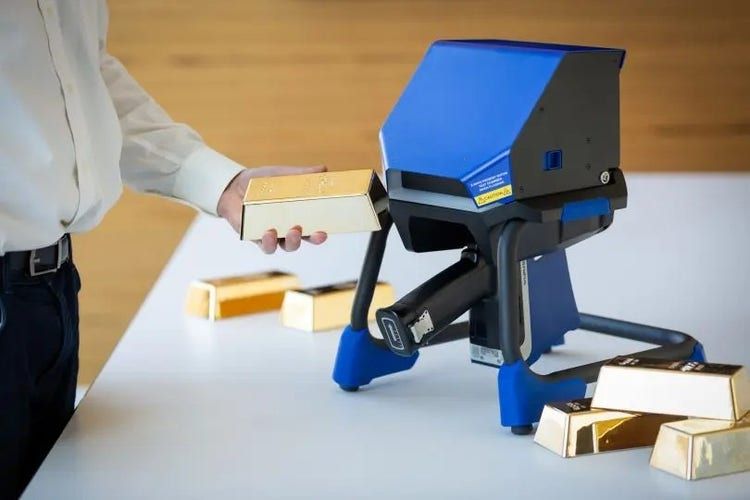 Handheld Precious Metal Analyzer: Gold Silver Testing
Gold and silver authenticity verification demands instant, accurate purity determination without damaging valuable...Einzelheiten
Handheld Precious Metal Analyzer: Gold Silver Testing
Gold and silver authenticity verification demands instant, accurate purity determination without damaging valuable...Einzelheiten -
 Handheld XRF: ElvaX ProSpector Metal Tester
Metal testing demands speed, accuracy, and portability in environments where laboratory analysis creates...Einzelheiten
Handheld XRF: ElvaX ProSpector Metal Tester
Metal testing demands speed, accuracy, and portability in environments where laboratory analysis creates...Einzelheiten