
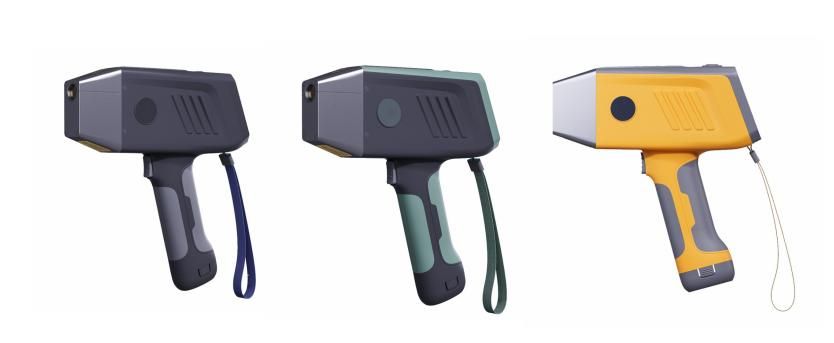
XRF Instrument: Material Chemistry Analysis Device
Understanding XRF Material Chemistry Analysis
X-ray fluorescence instruments employ high-energy X-rays exciting atoms within material samples. The excitation displaces inner-shell electrons creating temporarily unstable atomic configurations. As outer electrons cascade down filling vacancies, they release energy as characteristic fluorescent X-rays at element-specific energies unique to each element—sodium fluoresces at 1.04 keV, magnesium at 1.25 keV, aluminum at 1.49 keV, silicon at 1.74 keV, and so on through the periodic table.
Advanced detectors capture these characteristic emissions creating energy spectra—plots of fluorescent intensity versus photon energy displaying peaks identifying present elements. Peak positions reveal which elements exist. Peak heights indicate concentrations—tall peaks represent major constituents, small peaks show minor components, tiny peaks detect trace impurities. Sophisticated algorithms convert spectral data into quantitative chemical compositions through fundamental parameters modeling or empirical calibration methods.
The non-destructive analysis preserves materials completely—no cutting, no dissolution, no sample consumption. Test expensive prototypes, limited specimens, or archived materials repeatedly without alteration. Analyze finished products, coated components, or assembled devices without disassembly. The preservation proves invaluable for irreplaceable samples, production materials, or situations requiring return of tested items to service or inventory.
XRF Instrument Configurations
Energy Dispersive XRF (EDXRF)
Energy dispersive instruments represent the most common XRF configuration, employing solid-state detectors—silicon PIN or silicon drift detectors—measuring fluorescent X-ray energies directly. Single measurements detect all elements simultaneously within detector capabilities, typically from sodium (Z=11) through uranium (Z=92). Analysis completes in seconds to minutes depending on required precision and detection limits.
EDXRF advantages include compact design, affordable pricing, simple operation, and simultaneous multi-element capability. The technology suits diverse applications from routine quality control to research characterization. Benchtop EDXRF instruments provide laboratory precision. Handheld EDXRF analyzers deliver field portability. The versatile platform addresses most material chemistry analysis requirements across industries.
Wavelength Dispersive XRF (WDXRF)
Wavelength dispersive instruments employ crystal diffraction separating fluorescent X-rays by wavelength rather than direct energy measurement. Sequential analysis examines one element at a time through crystal rotation and detector positioning. The method achieves superior energy resolution compared to EDXRF—approximately 5-15 eV versus 125-145 eV—enabling clearer separation of closely-spaced elemental peaks and better detection limits.
WDXRF excels at demanding applications requiring ultimate precision—trace element detection below 1 ppm, light element analysis from beryllium through fluorine, or certification-quality results for reference materials. The larger, more expensive systems suit high-throughput laboratories, research facilities, or applications justifying premium performance. Automated sample changers handle dozens or hundreds of samples unattended.
Portable and Handheld Instruments
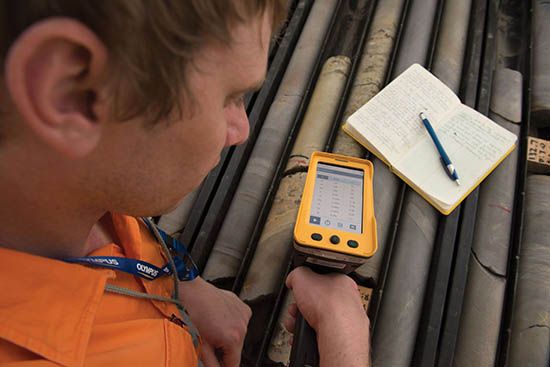
Field-portable XRF instruments bring material chemistry analysis to wherever samples exist—manufacturing floors, construction sites, mining operations, environmental investigations, or remote locations lacking laboratory infrastructure. Battery operation provides 6-16 hours continuous testing. Rugged construction withstands harsh field conditions. Intuitive touchscreen interfaces enable operation without extensive training.
Handheld XRF proves transformative for applications requiring on-site testing—scrap metal sorting, alloy verification, contamination screening, geological exploration, or regulatory compliance verification. The immediate field results eliminate sample transport and laboratory delays enabling real-time decisions impossible with laboratory-dependent analysis.
Material Types and Chemistry Analysis
Metal Alloy Chemistry
Metal alloy analysis represents primary XRF application—identifying stainless steel grades, aluminum series, titanium alloys, copper compositions, nickel superalloys, and specialty materials through elemental fingerprinting. Ferrous alloys reveal iron, chromium, nickel, molybdenum, manganese, copper defining properties and specifications. Aluminum alloys show aluminum, magnesium, silicon, copper, zinc, chromium patterns differentiating aerospace, structural, and casting grades.
The rapid non-destructive testing supports comprehensive quality control—incoming material verification, in-process testing, and finished product certification—throughout manufacturing ensuring specification compliance and preventing costly material errors that cause product failures or safety incidents.
Mineral and Geological Materials
Mining and geological applications employ XRF for ore grade determination, mineral identification, and geochemical characterization. Rock samples reveal major elements—silicon, aluminum, iron, calcium, magnesium—defining mineralogy plus trace elements—copper, zinc, lead, gold, silver—indicating economic mineralization. Soil chemistry analysis supports environmental assessments, agricultural studies, and contamination investigations.
Sample preparation for geological materials typically involves crushing to fine powders, mixing with binders, and pressing into pellets creating homogeneous flat surfaces optimizing measurement reproducibility. Fused glass beads provide ultimate precision for major element determination eliminating particle size and mineralogical effects through complete sample dissolution in lithium tetraborate fluxes.
Ceramics and Glass
Ceramic and glass industries utilize XRF monitoring chemical compositions throughout production. Raw material characterization verifies supplier deliveries. Batch composition control ensures correct proportions of silica, alumina, calcium oxide, sodium oxide, and other constituents. Product testing confirms finished ceramics and glass meet specifications for optical properties, mechanical strength, thermal expansion, or chemical resistance determined by precise elemental control.
Polymers and Organic Materials
While XRF primarily targets inorganic elements, polymer analysis detects additives, fillers, and contaminants affecting properties and compliance. Flame retardants containing bromine or chlorine receive quantification supporting safety standards. Heavy metal stabilizers—lead, cadmium, barium, tin—identify in PVC formulations. Pigments and dyes containing metal elements undergo characterization. RoHS and REACH compliance verification screens restricted substances in plastics and consumer products.
Coatings and Thin Films
XRF excels at coating analysis—measuring thickness and composition of electroplated, vapor-deposited, or painted layers on substrates. Galvanized coatings, chromate treatments, tin plate, precious metal electroplating, and semiconductor thin films receive non-destructive characterization. The technique quantifies single or multi-layer structures revealing individual layer thickness and chemistry critical for corrosion protection, electrical properties, or optical performance.
Key Analytical Capabilities
Elemental Range and Detection Limits
Modern XRF instruments detect elements from sodium (atomic number 11) through uranium (92)—covering over 80 elements spanning most of the periodic table. Light element capability extends analysis to magnesium, aluminum, silicon, phosphorus, and sulfur critical in many materials. Specialized configurations with vacuum or helium atmospheres enable detection down to beryllium or carbon though routine analysis typically begins at sodium.
Detection limits vary by element and matrix, typically ranging 1-100 parts per million (ppm) for most elements in favorable matrices. Heavy elements achieve better detection limits—fractions of ppm for elements like lead, mercury, or cadmium. Light elements show higher detection limits—tens to hundreds of ppm for sodium, magnesium, or aluminum. The sensitivity supports both major component quantification and trace contamination screening.
Accuracy and Precision
XRF accuracy for major elements typically reaches 0.1-1% relative under optimized conditions with appropriate calibration standards. Minor elements at 1-10% achieve 1-5% relative accuracy. Trace constituents show 5-20% relative accuracy depending on concentration and matrix effects. This performance proves adequate for most quality control, research, and compliance applications requiring material chemistry characterization.
Precision—repeatability of measurements on identical samples—typically equals or exceeds accuracy. Major elements achieve 0.05-0.5% relative standard deviation. Minor constituents show 0.5-2% RSD. Trace elements demonstrate 2-10% RSD. The excellent precision supports detection of small compositional variations during process control or research investigations.
Analysis Speed
XRF instruments deliver remarkably fast material chemistry results. Handheld analyzers provide alloy identification in 1-2 seconds. Comprehensive multi-element quantification completes in 30-120 seconds depending on required precision and element list. Benchtop instruments analyze samples in 1-10 minutes including automated sample loading. High-throughput systems process dozens of samples hourly through automated changers and optimized methods.
Sample Preparation Methods
Sample preparation requirements vary by material type and analysis goals. Solid metal samples require only clean flat surfaces—grinding or machining removes oxidation, coatings, or contamination. Minimal preparation enables rapid testing supporting high-throughput operations or field analysis where sample preparation is impractical.
Powdered materials—minerals, ceramics, polymers—typically require pressing into pellets or fusing into glass beads. Pellet pressing under 10-40 tons pressure creates dense flat surfaces reducing particle size effects and improving reproducibility. Fused beads eliminate particle size and mineralogical effects completely through complete sample dissolution at high temperature, achieving ultimate precision for major element analysis.
Liquid samples require containment in specialized sample cups with thin polymer films preventing spills while allowing X-ray transmission. The configuration enables non-destructive liquid analysis supporting petrochemical, pharmaceutical, or environmental applications where liquid chemistry characterization proves essential.
Quality Control Applications
Manufacturing quality control represents the dominant XRF application—verifying raw materials meet specifications, monitoring process consistency, and certifying finished products satisfy requirements. Incoming material inspection prevents non-conforming materials from entering production. In-process testing detects compositional drift enabling timely corrections. Final inspection documents product quality supporting customer requirements and regulatory compliance.
The rapid non-destructive testing enables 100% inspection rather than statistical sampling, dramatically improving quality assurance effectiveness. Every batch, every component, every product receives verification rather than relying on representative samples that accept some defect risk. The comprehensive testing catches material errors immediately preventing costly downstream failures.
Research and Development
Materials research employs XRF characterizing experimental compositions, studying compositional effects on properties, and optimizing formulations. The multi-element capability reveals complete chemistry from single measurements accelerating research cycles. Non-destructive testing enables repeated analysis tracking composition changes through processing, aging, or service exposure.
New material development benefits from rapid feedback correlating composition to performance. Researchers iterate formulations, test properties, analyze chemistry, and refine compositions efficiently. The immediate analytical capability accelerates innovation cycles supporting competitive advantage through faster time-to-market for new materials and products.
Environmental and Compliance Testing
Environmental applications utilize XRF screening contaminated soils, sediments, or waste materials for heavy metals—lead, cadmium, mercury, arsenic, chromium. Regulatory compliance verification tests consumer products, electronics, packaging materials for restricted substances meeting RoHS, REACH, CPSIA, and similar regulations limiting hazardous materials.
The rapid non-destructive screening enables high-volume testing supporting comprehensive contamination surveys or production quality control impossible through laboratory-dependent methods. Positive screening results receive laboratory confirmation, but XRF provides cost-effective initial assessment dramatically reducing overall analytical costs while maintaining data quality through strategic laboratory verification.
Conclusion
XRF instruments represent versatile material chemistry analysis devices delivering comprehensive elemental composition for metals, minerals, ceramics, polymers, liquids, powders, and diverse materials supporting quality control, research, regulatory compliance, and process optimization across industries. The combination of non-destructive preservation, rapid analysis completing in seconds to minutes, multi-element simultaneity detecting 20-80 elements per measurement, and configurations spanning portable field instruments to automated high-throughput laboratory systems creates unprecedented analytical flexibility.
From metal alloy verification ensuring specification compliance, through mineral characterization supporting mining operations, to coating analysis optimizing surface treatments, to polymer compliance screening meeting regulations, XRF instruments provide the immediate chemistry data modern materials industries demand. The technology continues advancing—improved detectors, enhanced software, better light element capabilities—promising even greater performance supporting future applications where material chemistry analysis drives quality, innovation, and competitive success.
For organizations requiring reliable material chemistry analysis—whether routine quality control, demanding research characterization, or comprehensive compliance verification—XRF instruments deliver proven analytical solutions combining speed, accuracy, versatility, and non-destructive preservation supporting operational excellence across manufacturing, mining, research, environmental, and countless applications where understanding material chemistry determines success.
Related posts
-
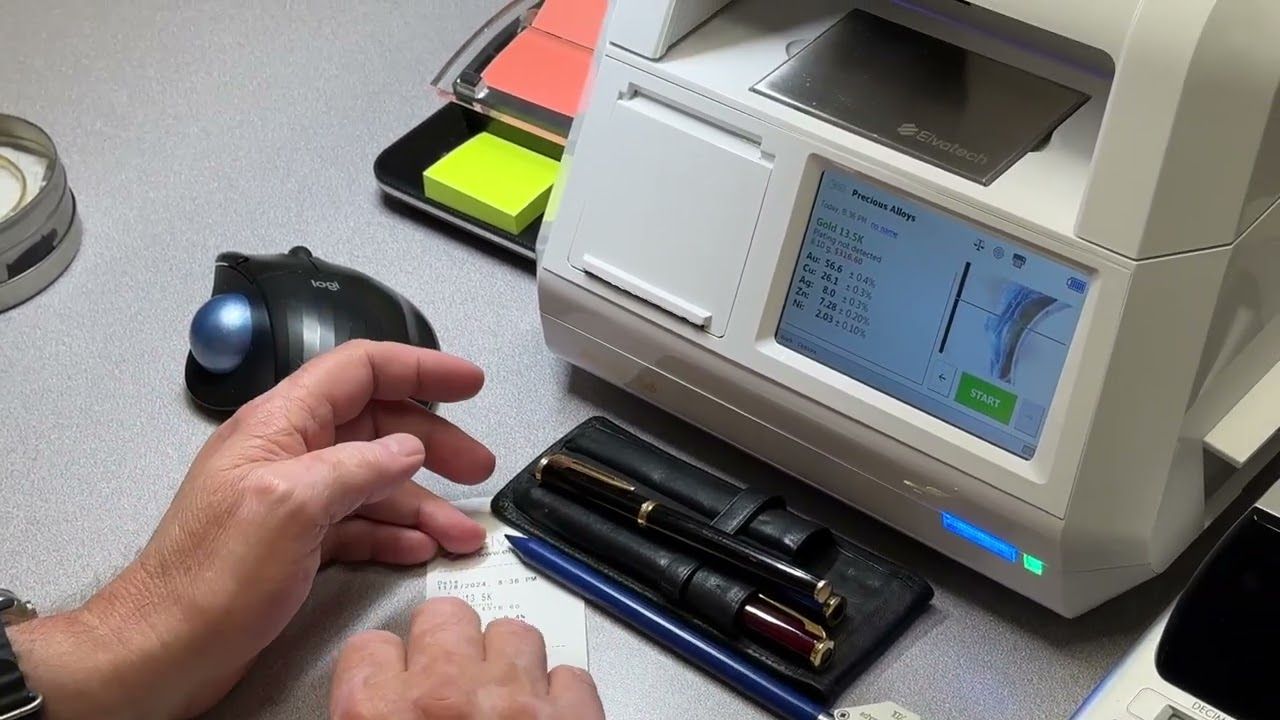 Metal Analyzer: ElvaX XRF Composition Testing
Metal composition determines every critical property from strength to corrosion resistance, weldability to...Einzelheiten
Metal Analyzer: ElvaX XRF Composition Testing
Metal composition determines every critical property from strength to corrosion resistance, weldability to...Einzelheiten -
 XRF Metal Analyzer: Precise Alloy Composition
Precision defines quality in metal industries where compositional accuracy separates specification compliance from...Einzelheiten
XRF Metal Analyzer: Precise Alloy Composition
Precision defines quality in metal industries where compositional accuracy separates specification compliance from...Einzelheiten -
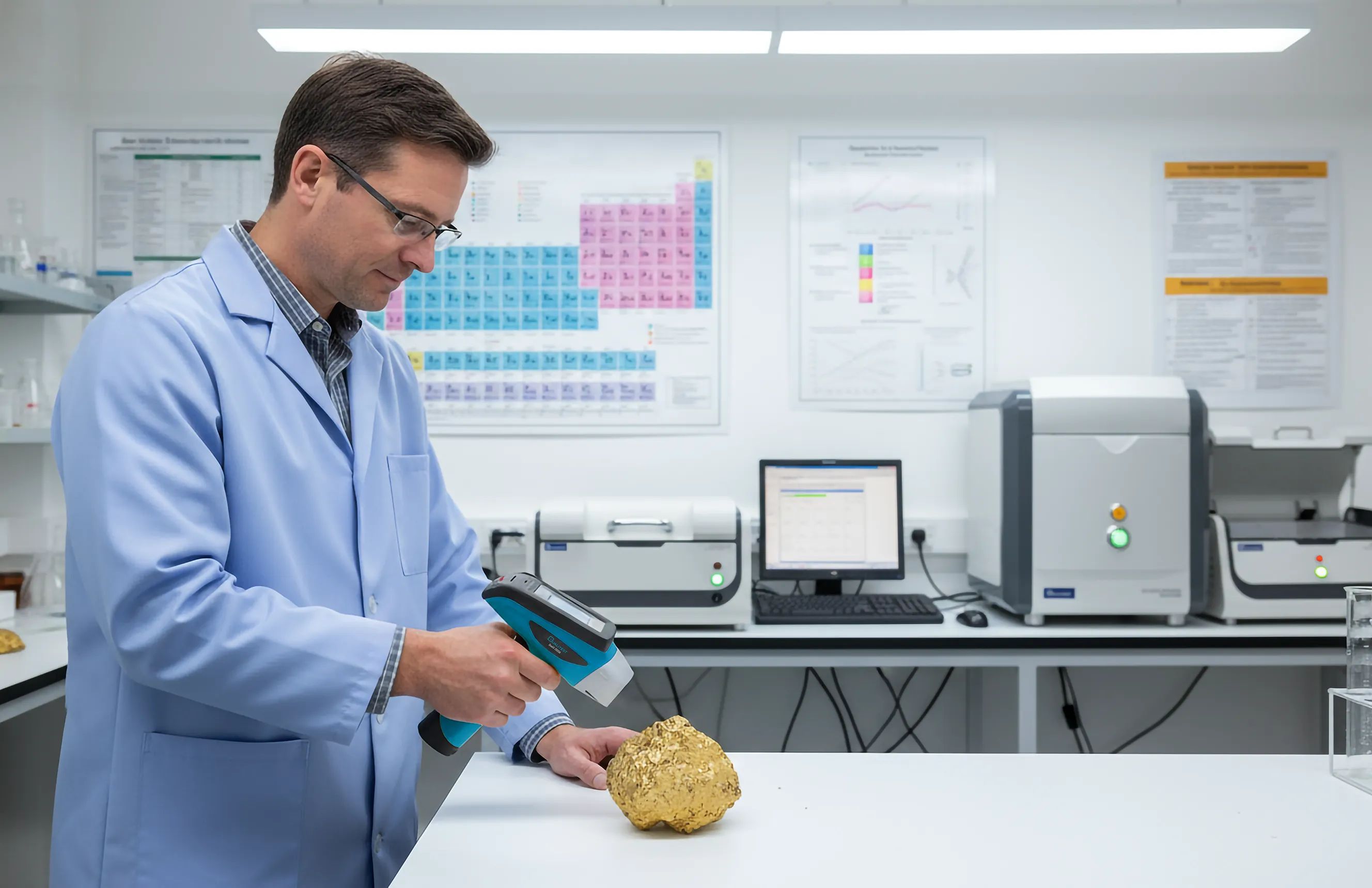 XRF Metal Analyser: Metal Product Testing
Metal product quality depends on verified composition meeting specifications throughout manufacturing—from raw...Einzelheiten
XRF Metal Analyser: Metal Product Testing
Metal product quality depends on verified composition meeting specifications throughout manufacturing—from raw...Einzelheiten -
 Handheld Precious Metal Analyzer: Gold Silver Testing
Gold and silver authenticity verification demands instant, accurate purity determination without damaging valuable...Einzelheiten
Handheld Precious Metal Analyzer: Gold Silver Testing
Gold and silver authenticity verification demands instant, accurate purity determination without damaging valuable...Einzelheiten -
 Handheld XRF: ElvaX ProSpector Metal Tester
Metal testing demands speed, accuracy, and portability in environments where laboratory analysis creates...Einzelheiten
Handheld XRF: ElvaX ProSpector Metal Tester
Metal testing demands speed, accuracy, and portability in environments where laboratory analysis creates...Einzelheiten