
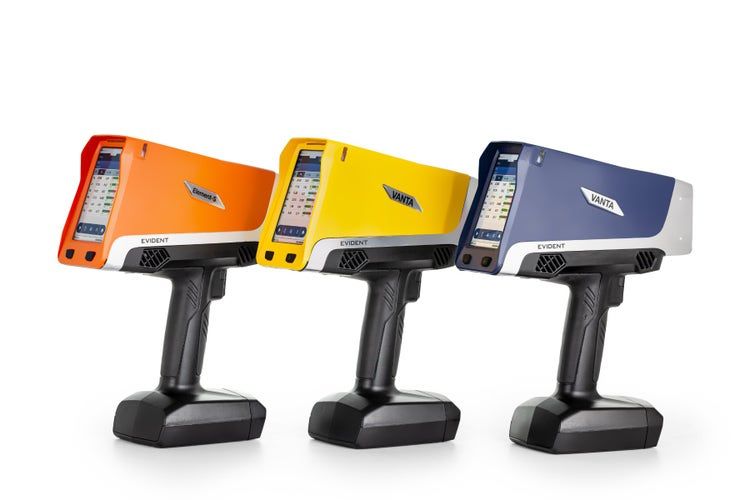
XRF Device: Professional Spectroscopy Equipment
Defining Professional Spectroscopy Equipment
Professional spectroscopy equipment distinguishes itself through exceptional analytical performance, comprehensive capabilities, rigorous quality standards, and reliable operation supporting critical applications where analytical accuracy directly impacts safety, compliance, and scientific validity. Unlike consumer-grade instruments designed for basic identification, professional XRF devices deliver quantitative elemental analysis with certified accuracy, traceable calibrations, validated methodologies, and comprehensive documentation meeting international standards like ISO, ASTM, and regulatory requirements across industries.
The professional designation encompasses multiple aspects—technical specifications achieving superior detection limits and precision, robust construction ensuring reliable long-term operation, comprehensive software supporting method development and data management, complete documentation enabling quality system compliance, manufacturer support providing calibration services and technical expertise, and validation capabilities demonstrating performance meets specified requirements through certified reference materials.
Professional XRF spectroscopy supports applications where analytical failures cause significant consequences—aerospace component verification preventing safety incidents, pharmaceutical quality control ensuring patient safety, environmental compliance meeting regulatory standards, research publications requiring defensible data quality, or manufacturing quality assurance protecting brand reputation. The elevated requirements justify premium equipment investment through superior performance, reliability, and manufacturer support.
Professional XRF Device Architecture
High-Performance X-Ray Sources
Professional XRF devices employ sophisticated X-ray tubes delivering optimized excitation for diverse analytical requirements. Power ranges from 4 watts in handheld instruments through 12-60 watts in benchtop systems to 4,000 watts in high-end wavelength dispersive spectrometers. Variable voltage operation from 10-50 kV enables element-specific optimization—lower voltages efficiently excite light elements, higher voltages penetrate to excite heavy elements throughout the periodic table.
Target material selection—tungsten, rhodium, silver, or chromium—optimizes spectral output for specific element groups. Multiple anode options enable tailored performance matching application requirements. Professional systems often incorporate multiple targets or automated target changers maximizing analytical versatility from single platforms.
Primary beam filtration through multi-position automatic filter changers optimizes excitation conditions for different materials and element groups. Appropriate filters reduce background, minimize matrix effects, and enhance sensitivity improving overall analytical performance. Professional instruments typically incorporate 5-8 position filter changers versus 2-3 positions in basic systems.
Advanced Detector Systems
Detector technology fundamentally determines XRF performance. Professional devices employ high-performance silicon drift detectors achieving energy resolution 125-145 eV—performance clearly separating closely-spaced elemental peaks in complex spectra. Large detector areas of 25-50 square millimeters capture more fluorescent photons improving counting statistics and reducing measurement uncertainty.
Count rate capabilities exceeding 500,000 counts per second enable rapid analysis—comprehensive multi-element quantification completes in minutes rather than hours. Thermoelectric cooling maintains stable detector temperatures crucial for consistent energy calibration across varying ambient conditions. Professional-grade detectors demonstrate long-term stability maintaining performance specifications throughout multi-year service lives.
Wavelength dispersive systems—ultimate professional configuration—employ crystal diffraction achieving energy resolution 5-15 eV versus 125-145 eV for energy dispersive detectors. The superior resolution enables detection limit improvements of 10-100x for many elements and precise quantification of closely-spaced peaks impossible with energy dispersive technology. The premium performance justifies substantially higher investment for demanding applications requiring ultimate analytical capability.
Sophisticated Sample Handling
Professional sample presentation ensures reproducible measurement geometry and optimized analytical conditions. Automated sample changers handle 8-180 samples enabling unattended operation overnight or weekends dramatically improving laboratory throughput. Programmable sample positioning accommodates irregular shapes, multiple measurement locations, or mapping applications.
Sample chambers range from compact handheld measurement windows through 200-400 millimeter benchtop chambers accommodating large components to massive wavelength dispersive systems accepting entire automobile wheels. The versatile geometries support diverse sample types from small coupons through finished products to large assemblies without destructive sampling.
Professional Analytical Capabilities
Comprehensive Elemental Coverage
Professional XRF devices detect elements from sodium (atomic number 11) through uranium (92)—over 80 elements spanning most commercially significant constituents. Advanced configurations extend coverage to lighter elements—magnesium, aluminum, silicon critical in aluminum alloys, ceramics, and minerals. Specialized vacuum or helium atmosphere systems enable analysis down to beryllium or even carbon for ultimate light element capability.
The broad elemental range enables complete material characterization from single measurements. Analyze major constituents at tens of percent, minor additions at fractions of percent, and trace impurities at parts-per-million levels simultaneously. This multi-element capability dramatically accelerates analysis compared to techniques requiring sequential single-element determinations.
Superior Detection Limits
Professional XRF achieves detection limits typically 1-100 parts per million depending on element and matrix—performance supporting both major component quantification and trace contamination screening. Heavy elements like lead, mercury, cadmium, or arsenic achieve sub-ppm detection critical for environmental compliance and consumer product safety verification. Light elements show higher detection limits but still enable quantification of minor constituents affecting material properties.
Wavelength dispersive systems push detection limits to parts-per-billion for some elements—ultimate sensitivity supporting trace element research, high-purity materials verification, or demanding regulatory applications. The exceptional sensitivity distinguishes professional equipment from basic instruments limited to major constituent analysis.
Validated Accuracy and Precision
Professional XRF devices achieve certified accuracy typically 0.1-1% relative for major elements through rigorous calibration using certified reference materials traceable to national metrology institutes. Precision reaches 0.05-0.5% relative standard deviation demonstrating exceptional repeatability. The validated performance meets international standard requirements supporting quality system compliance, regulatory submissions, and publication in peer-reviewed journals.
Comprehensive method validation protocols document linearity, accuracy, precision, detection limits, and matrix effects for specific applications. The rigorous validation distinguishes professional equipment supported by defensible performance data from instruments lacking documented analytical capabilities.
Professional Software and Data Management
Advanced Analysis Algorithms
Professional XRF software incorporates sophisticated quantification algorithms converting raw spectral data into accurate elemental concentrations. Fundamental parameters modeling employs first-principles physics calculations accounting for matrix effects, fluorescent yields, absorption coefficients, and spectral interferences. Empirical calibration methods using certified standards optimize accuracy for specific materials. Hybrid approaches combining fundamental parameters with empirical refinements deliver ultimate performance.
Method development tools enable creation of custom analytical procedures tailored to unique materials or specifications. Users optimize measurement parameters, select appropriate calibrations, define acceptance criteria, and validate performance for specific applications. The flexibility supports diverse analytical requirements from routine quality control through research investigations.
Comprehensive Data Management
Professional data systems store complete analytical records—raw spectra, processed results, measurement parameters, sample information, operator details, timestamps, and instrument status. Secure databases protect data integrity supporting quality system requirements and regulatory compliance. Audit trails document all data access, modifications, or exports maintaining complete traceability.
Automated reporting generates certificates, analytical summaries, trend analyses, and statistical process control charts. Customizable templates incorporate company branding, specification comparisons, pass/fail indicators, and acceptance criteria. Export capabilities in multiple formats—CSV, XML, PDF, LIMS integration—support diverse documentation requirements and enterprise system connectivity.
Quality System Integration
Professional XRF devices integrate seamlessly with laboratory information management systems (LIMS), enterprise resource planning (ERP), and manufacturing execution systems (MES) enabling automated workflows. Electronic data transfer eliminates manual transcription errors. Real-time result availability supports immediate decision-making. The system integration optimizes operational efficiency across quality control, production management, and business intelligence applications.
Professional Application Areas
Research and Development
Research institutions employ professional XRF investigating fundamental material science, developing new alloys and formulations, studying compositional effects on properties, or characterizing experimental materials. The quantitative accuracy, comprehensive elemental coverage, and non-destructive preservation support rigorous scientific investigations requiring defensible analytical data. Publications in peer-reviewed journals depend on validated analytical methods and certified instrumentation that professional XRF provides.
Regulatory Compliance
Pharmaceutical, environmental, consumer products, and aerospace industries utilize professional XRF demonstrating regulatory compliance. Validated methods meeting FDA, EPA, RoHS, REACH, or industry-specific requirements depend on professional-grade instrumentation with documented performance capabilities. Regulatory submissions require analytical validation, instrument qualification, and ongoing quality control demonstrating continued compliance—capabilities inherent in professional spectroscopy equipment.
Quality Control and Assurance
Manufacturing quality systems integrate professional XRF verifying raw materials, monitoring process consistency, and certifying finished products meet specifications. ISO 9001, AS9100 aerospace, ISO 13485 medical device, and industry-specific standards require calibrated instruments, validated methods, and complete documentation. Professional XRF devices with manufacturer support, calibration services, and comprehensive software meet these stringent requirements supporting quality system audits and customer approvals.
High-Throughput Operations
Laboratories analyzing hundreds or thousands of samples daily employ professional automated XRF systems with robotic sample changers, optimized methods, and statistical process control. The combination of analytical performance, automation capabilities, and data management supports efficient high-volume operations impossible with basic instrumentation. Investment in professional equipment delivers return through operational efficiency and analytical confidence.
Professional Support Infrastructure
Professional XRF device manufacturers provide comprehensive support ecosystems distinguishing premium equipment from basic instruments. Technical support assists with method development, troubleshooting, and optimization. Regular calibration services maintain accuracy through certified reference materials and performance verification. Software updates deliver capability enhancements and regulatory compliance updates. Application specialists provide expert consultation addressing unique analytical challenges.
Training programs ensure operators develop proficiency maximizing equipment capabilities. Preventive maintenance contracts maintain optimal performance throughout equipment lifetimes typically spanning 10-15+ years. Parts availability and repair services minimize downtime when issues occur. The complete support infrastructure protects equipment investment ensuring long-term analytical capability.
Conclusion
XRF devices represent professional spectroscopy equipment delivering comprehensive elemental analysis through advanced X-ray fluorescence technology supporting critical applications across research, quality control, regulatory compliance, and high-throughput operations. The professional designation encompasses superior analytical performance—detection limits to parts-per-million, accuracy 0.1-1% relative, precision better than 0.5% RSD—robust construction ensuring reliable long-term operation, sophisticated software enabling method development and quality system integration, and manufacturer support providing calibration, training, and technical expertise.
From research institutions requiring validated analytical methods for scientific publications, through manufacturing quality control ensuring specification compliance and regulatory adherence, to high-throughput laboratories processing thousands of samples supporting operational excellence, professional XRF devices deliver the analytical capability, reliability, and documentation modern applications demand. The combination of exceptional performance, comprehensive capabilities, and complete support infrastructure justifies premium investment through superior analytical confidence and long-term operational success.
For organizations requiring professional spectroscopy equipment—whether benchtop laboratory systems or field-portable analyzers—meeting international standards, supporting quality systems, and delivering defensible analytical results, XRF devices represent proven technology supporting scientific excellence, regulatory compliance, and competitive advantage across industries where analytical capability determines success.
Related posts
-
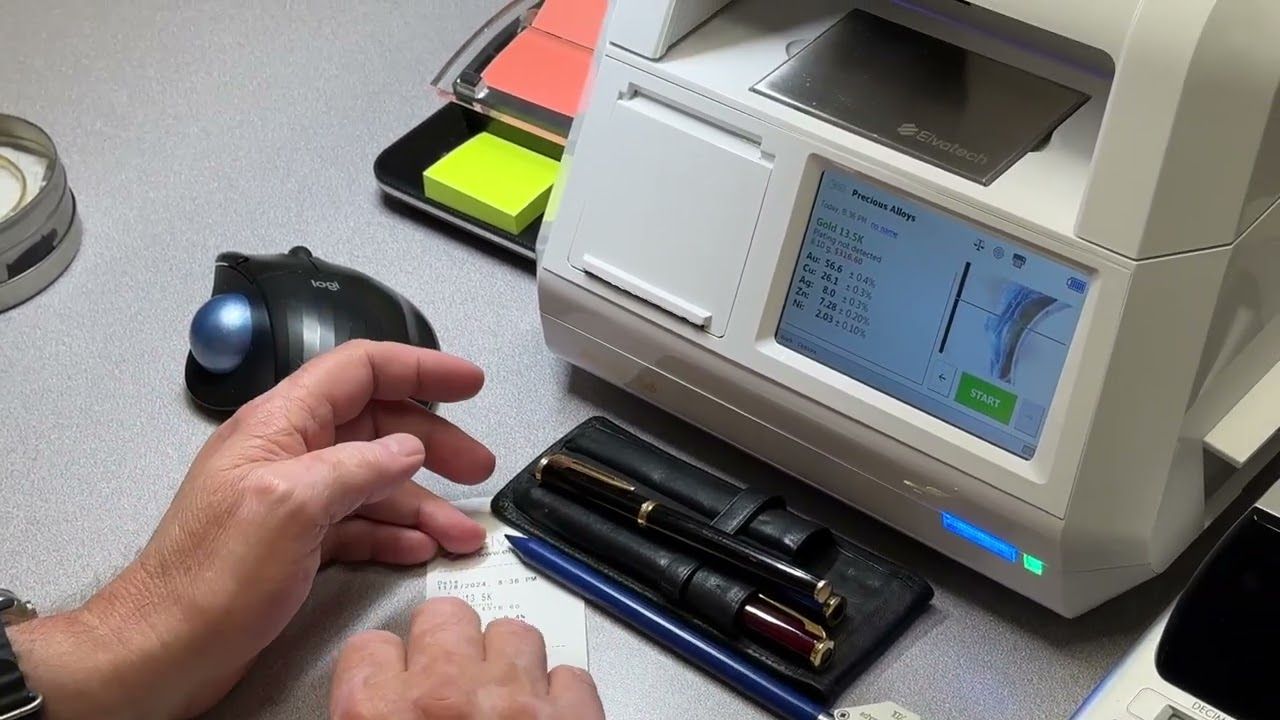 Metal Analyzer: ElvaX XRF Composition Testing
Metal composition determines every critical property from strength to corrosion resistance, weldability to...Einzelheiten
Metal Analyzer: ElvaX XRF Composition Testing
Metal composition determines every critical property from strength to corrosion resistance, weldability to...Einzelheiten -
 XRF Metal Analyzer: Precise Alloy Composition
Precision defines quality in metal industries where compositional accuracy separates specification compliance from...Einzelheiten
XRF Metal Analyzer: Precise Alloy Composition
Precision defines quality in metal industries where compositional accuracy separates specification compliance from...Einzelheiten -
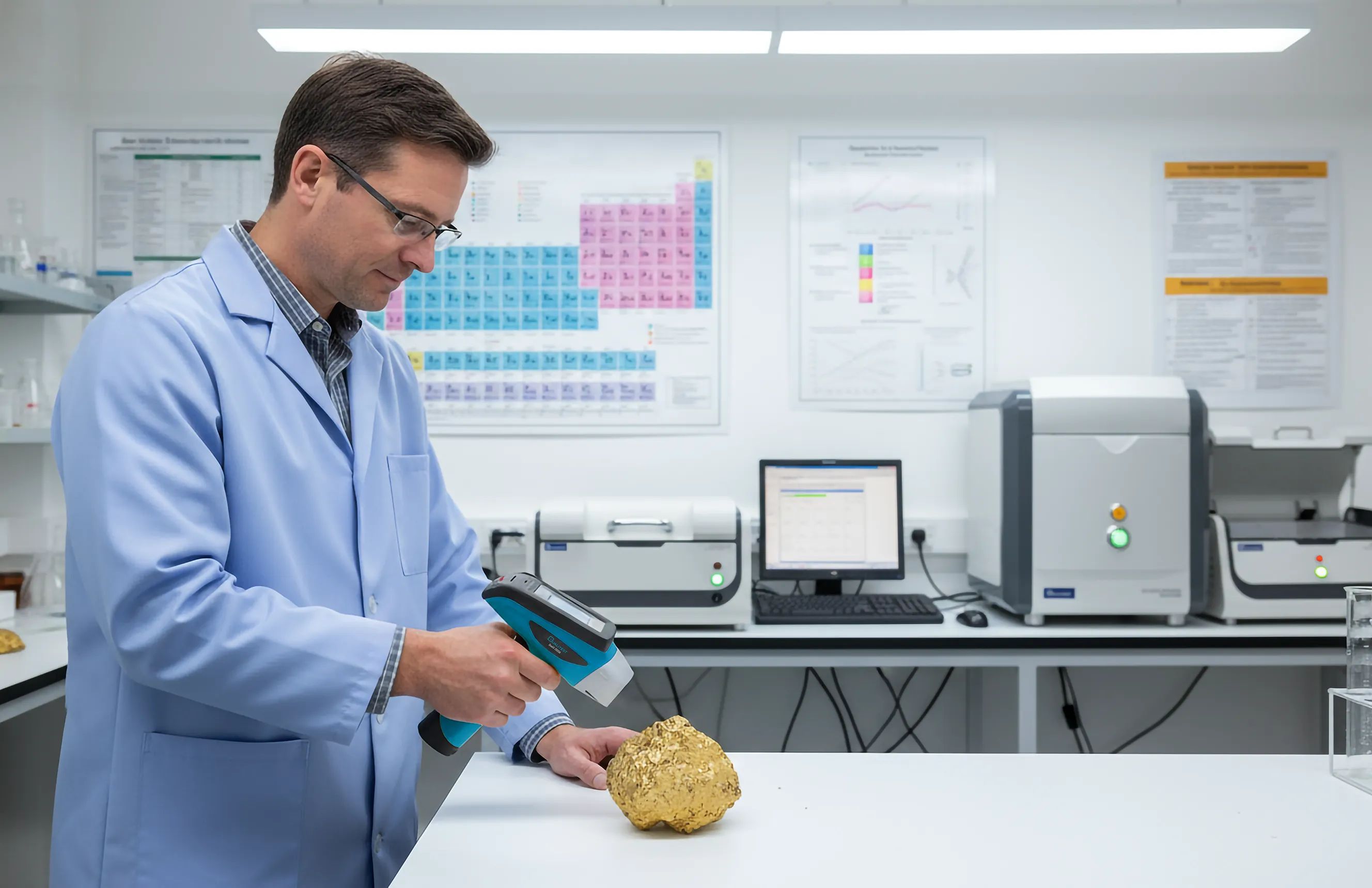 XRF Metal Analyser: Metal Product Testing
Metal product quality depends on verified composition meeting specifications throughout manufacturing—from raw...Einzelheiten
XRF Metal Analyser: Metal Product Testing
Metal product quality depends on verified composition meeting specifications throughout manufacturing—from raw...Einzelheiten -
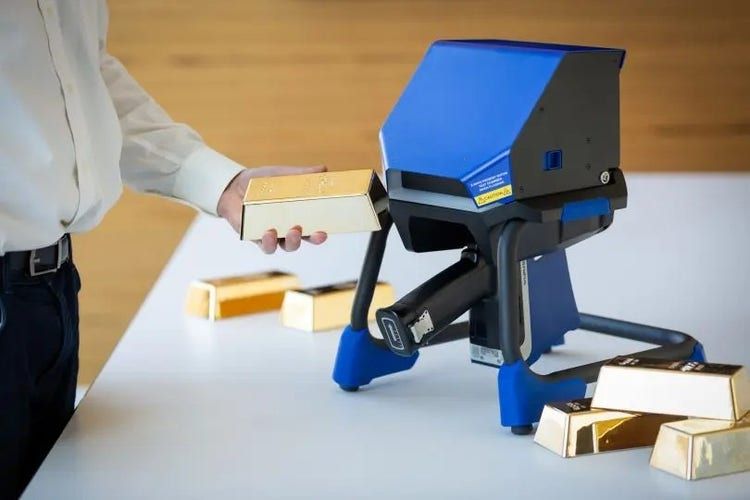 Handheld Precious Metal Analyzer: Gold Silver Testing
Gold and silver authenticity verification demands instant, accurate purity determination without damaging valuable...Einzelheiten
Handheld Precious Metal Analyzer: Gold Silver Testing
Gold and silver authenticity verification demands instant, accurate purity determination without damaging valuable...Einzelheiten -
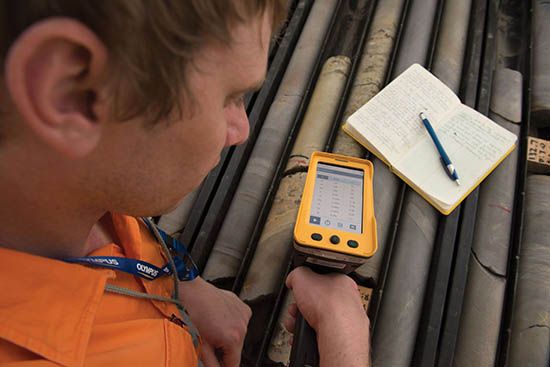 Handheld XRF: ElvaX ProSpector Metal Tester
Metal testing demands speed, accuracy, and portability in environments where laboratory analysis creates...Einzelheiten
Handheld XRF: ElvaX ProSpector Metal Tester
Metal testing demands speed, accuracy, and portability in environments where laboratory analysis creates...Einzelheiten