

Lead in Paint Analysis
XRF Technology as the Go-To Method for Lead Paint Detection
Handheld X-ray fluorescence (XRF) analyzers have established themselves as the preferred, industry-standard tool for non-destructive lead paint screening. This approach aligns well with key regulations, such as the U.S. EPA's Renovation, Repair and Painting (RRP) Rule, which applies to pre-1978 structures and emphasizes safe practices to control lead hazards during disturbances. While the RRP Rule allows firms to presume lead presence and follow protective protocols without mandatory testing, opting to test with approved methods like XRF provides clear documentation and helps avoid assumptions. Advances in XRF instrumentation have improved speed, sensitivity, and reliability, making it easier to comply with standards (e.g., detecting lead at or above 1.0 mg/cm² as per HUD/EPA thresholds) and raise overall awareness of lead risks.
Portable Handheld XRF Analyzers for Lead-Based Paint
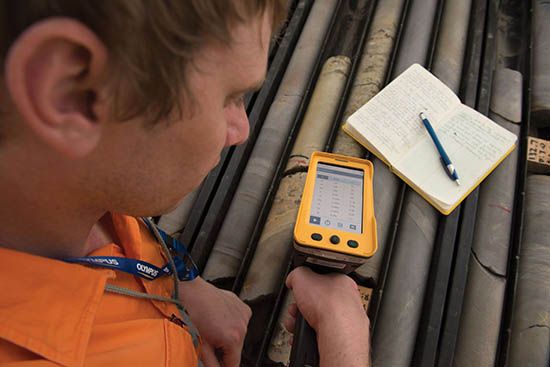
Modern handheld XRF devices offer fast, accurate, on-site screening without damaging surfaces. They deliver quantitative lead readings in seconds, often with features that adjust automatically for environmental variables like temperature and pressure to ensure consistent performance.
Two standout models in this category include:
- One reliable, widely used option emphasizes precision and speed through proprietary digital pulse processing technology and a stable high-voltage X-ray source. It features extended battery life (over 10 hours of continuous operation), robust detector protection, minimal upkeep requirements, and seamless integration with PC-based software for data review and reporting. Its lightweight, compact design makes it practical for field inspections, providing dependable results with low risk of inconclusive readings.
- A more recent, advanced version builds on these strengths with even greater portability — often cited as one of the lightest and quickest available. It incorporates dual cameras for detailed macro and micro imaging, enhanced calibration stability across varying conditions, superior radiation safeguards, longer runtime (up to 16 hours per charge), and fortified detector shielding. This model excels at delivering rapid, error-free lead quantification, ideal for high-volume or demanding inspection scenarios.
Other Portable Configurations for Lead Screening
Beyond pure handheld "guns," some semi-portable XRF systems function as compact field labs. These units feature a dedicated sample tray for flat or prepared items, a large analysis window, and high-resolution silicon drift detectors for quicker measurements. Connectivity options (Wi-Fi, Bluetooth, USB) allow easy data transfer to computers, while the straightforward setup — requiring only a stable surface — suits both spot checks and batch processing. They meet rigorous industry benchmarks for lead detection and support accurate placement of samples for repeatable outcomes.
Benchtop XRF Solutions for Laboratory or Production Use
For settings needing higher throughput or more detailed analysis, compact benchtop XRF instruments provide laboratory-grade performance in a space-saving footprint. These systems handle quantitative and qualitative evaluation of solids, powders, and liquids, including lead content in paints or coatings. They offer excellent speed and precision, user-friendly interfaces suitable for operators with varying experience levels, and cost-effective operation — making them practical for quality control in manufacturing, environmental labs, or dedicated testing facilities.
Across all these XRF options, the core strengths remain consistent: non-destructive testing, immediate results, high accuracy for regulatory compliance, and minimal sample prep. This technology plays a vital role in identifying lead hazards early, supporting safer renovations, and helping prevent long-term health impacts from exposure.
Related posts
-
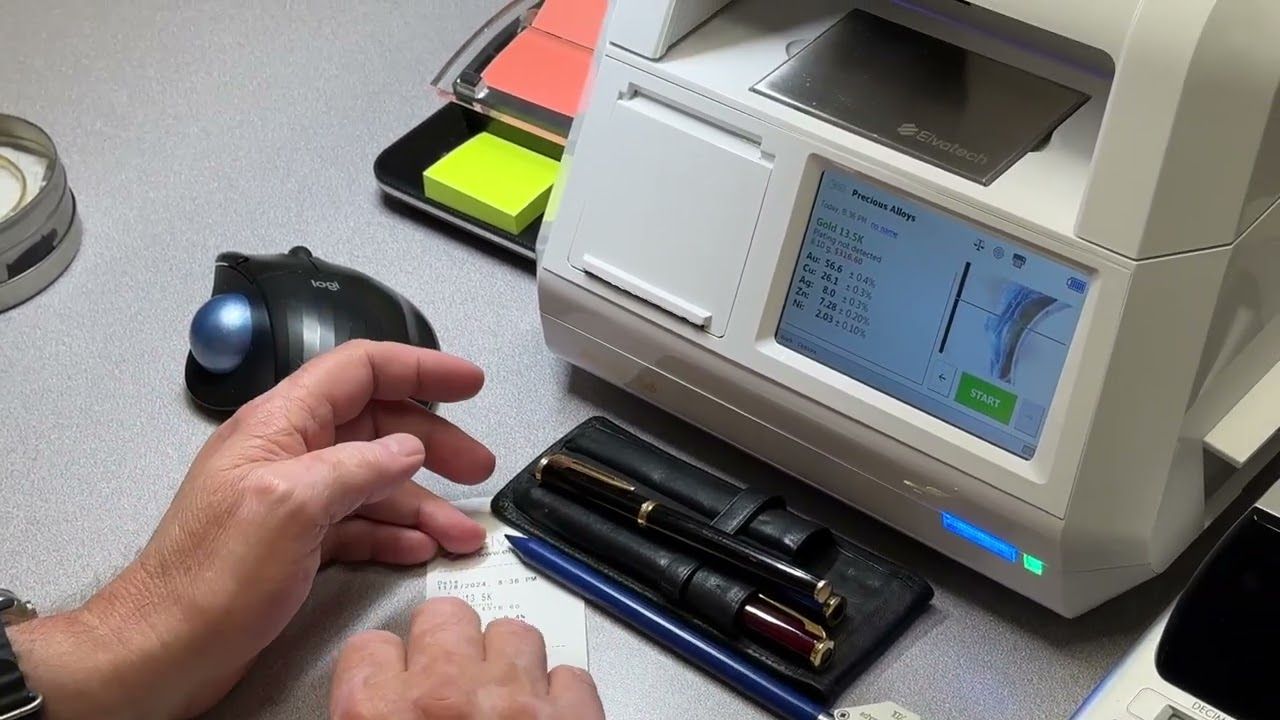 Metal Analyzer: ElvaX XRF Composition Testing
Metal composition determines every critical property from strength to corrosion resistance, weldability to...Einzelheiten
Metal Analyzer: ElvaX XRF Composition Testing
Metal composition determines every critical property from strength to corrosion resistance, weldability to...Einzelheiten -
 XRF Metal Analyzer: Precise Alloy Composition
Precision defines quality in metal industries where compositional accuracy separates specification compliance from...Einzelheiten
XRF Metal Analyzer: Precise Alloy Composition
Precision defines quality in metal industries where compositional accuracy separates specification compliance from...Einzelheiten -
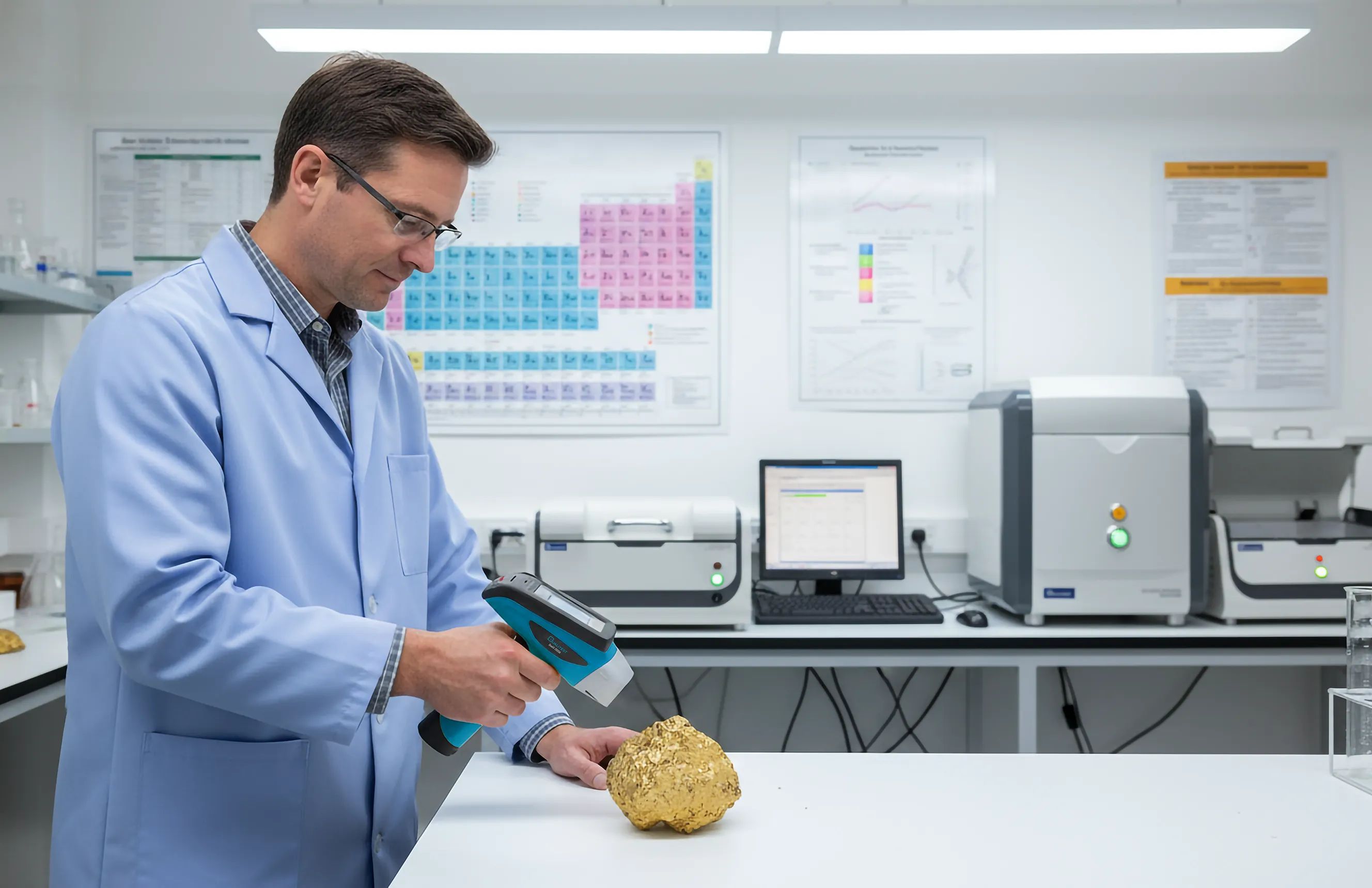 XRF Metal Analyser: Metal Product Testing
Metal product quality depends on verified composition meeting specifications throughout manufacturing—from raw...Einzelheiten
XRF Metal Analyser: Metal Product Testing
Metal product quality depends on verified composition meeting specifications throughout manufacturing—from raw...Einzelheiten -
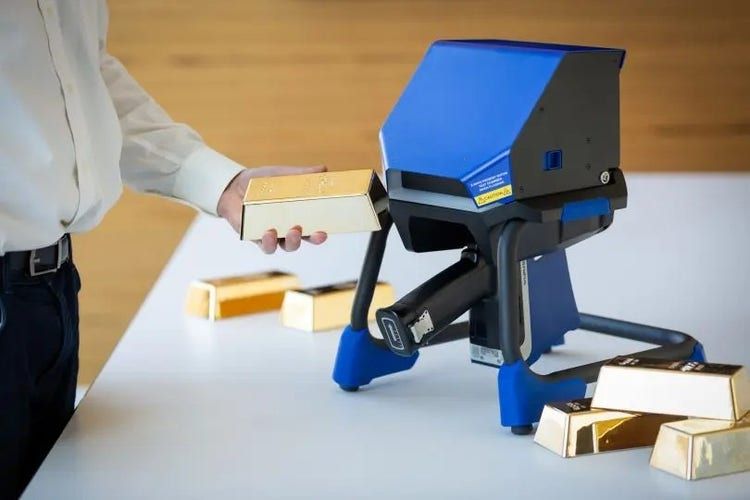 Handheld Precious Metal Analyzer: Gold Silver Testing
Gold and silver authenticity verification demands instant, accurate purity determination without damaging valuable...Einzelheiten
Handheld Precious Metal Analyzer: Gold Silver Testing
Gold and silver authenticity verification demands instant, accurate purity determination without damaging valuable...Einzelheiten -
 Handheld XRF: ElvaX ProSpector Metal Tester
Metal testing demands speed, accuracy, and portability in environments where laboratory analysis creates...Einzelheiten
Handheld XRF: ElvaX ProSpector Metal Tester
Metal testing demands speed, accuracy, and portability in environments where laboratory analysis creates...Einzelheiten