

RoHS and WEEE Compliance Testing
What is RoHS?
The RoHS Directive (Restriction of Hazardous Substances) came into force on July 1, 2006. It is often called the “lead-free” directive. It applies to manufacturers within the EU as well as companies exporting goods to the EU. Unlike WEEE, RoHS defines strict maximum allowable concentrations of specific restricted substances in electrical and electronic equipment.
What is WEEE?
The WEEE Directive (Waste Electrical and Electronic Equipment) was introduced at the same time as RoHS. It governs the handling of waste from electrical and electronic products. The directive sets collection and recycling targets (often calculated per capita) and places the responsibility for organizing and financing the take-back and proper treatment of end-of-life equipment on producers.
Substances Restricted by RoHS
The directive currently restricts ten substances or groups of substances:
- Metals: cadmium (Cd), lead (Pb), mercury (Hg), hexavalent chromium (Cr VI)
- Organic compounds: polybrominated biphenyls (PBB), polybrominated diphenyl ethers (PBDE), bis(2-ethylhexyl) phthalate (DEHP), butyl benzyl phthalate (BBP), dibutyl phthalate (DBP), diisobutyl phthalate (DIBP)
Maximum permitted concentrations:
- Cadmium: 0.01% (100 ppm)
- All others: 0.1% (1000 ppm)
Why RoHS Compliance Matters
These substances are persistent in the environment and can leach out of discarded electronics. In small amounts they may not cause immediate harm, but over time they can accumulate in the body, increasing the risk of cancer, hormonal imbalances, liver damage, and other serious health issues.
Product Categories Covered by RoHS and WEEE
- Lighting equipment (bulbs, LEDs, and similar)
- Household appliances that handle food (refrigerators, vending machines, etc.)
- IT and telecommunications equipment
- Toys
- Electrical tools
- Sports and leisure equipment
- Consumer electronics
- Gadgets and digital devices
- Components and parts of computers and electronic products
RoHS and WEEE Compliance Testing with XRF Analyzers
Any company that wants to sell in the EU without disrupting production needs a reliable, fast screening tool. A portable XRF analyzer allows quick, non-destructive checks for restricted elements and helps ensure compliance.
Key features of dedicated RoHS screening instruments include:
- Automatic correction for material thickness effects on measurement results
- Compact, ergonomic design that is simple to operate while delivering high accuracy
- Built-in chlorine content adjustment for testing different plastics without reconfiguration
- Lead-glass shielding to protect the operator during use
For field or mobile testing, portable versions are available. For more demanding lab or production environments, powerful benchtop models provide enhanced performance.
Related posts
-
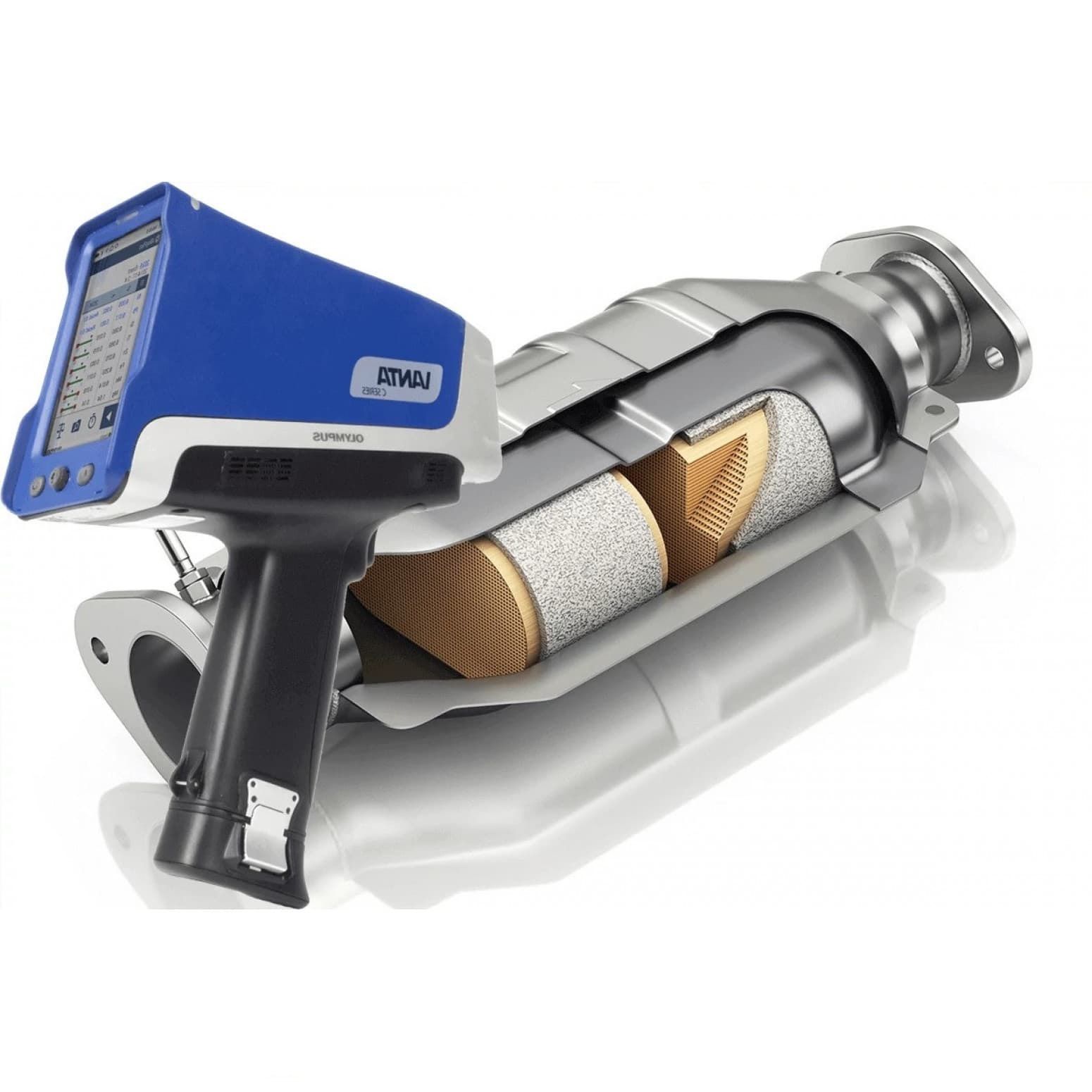 Car Catalyst Analysis
Automotive catalytic converters play a vital role in reducing harmful vehicle emissions, transforming toxic gases...Einzelheiten
Car Catalyst Analysis
Automotive catalytic converters play a vital role in reducing harmful vehicle emissions, transforming toxic gases...Einzelheiten -
 Cement analysis
The chemical composition of cement directly determines its performance as a binder material. Elemental analysis of...Einzelheiten
Cement analysis
The chemical composition of cement directly determines its performance as a binder material. Elemental analysis of...Einzelheiten -
 ElvaX Geo: Mining Exploration Spectrometer
The ElvaX Geo is a cutting-edge portable XRF (X-ray fluorescence) spectrometer specifically engineered for mining...Einzelheiten
ElvaX Geo: Mining Exploration Spectrometer
The ElvaX Geo is a cutting-edge portable XRF (X-ray fluorescence) spectrometer specifically engineered for mining...Einzelheiten -
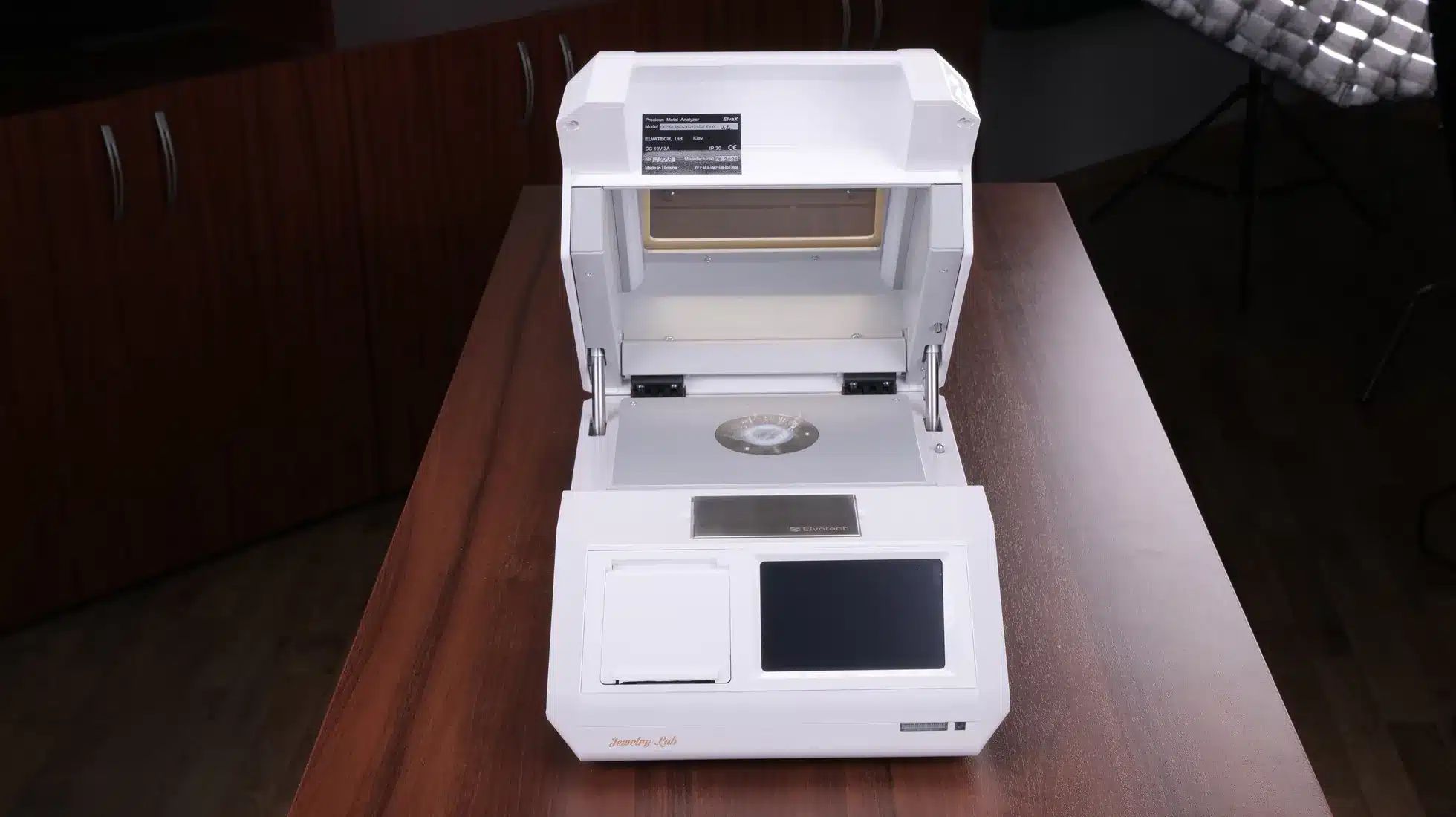 Precious Metals: ElvaX Jewelry Lab Testing
The ElvaX Jewelry Lab represents the next generation of benchtop XRF (X-ray fluorescence) analyzers specifically...Einzelheiten
Precious Metals: ElvaX Jewelry Lab Testing
The ElvaX Jewelry Lab represents the next generation of benchtop XRF (X-ray fluorescence) analyzers specifically...Einzelheiten -
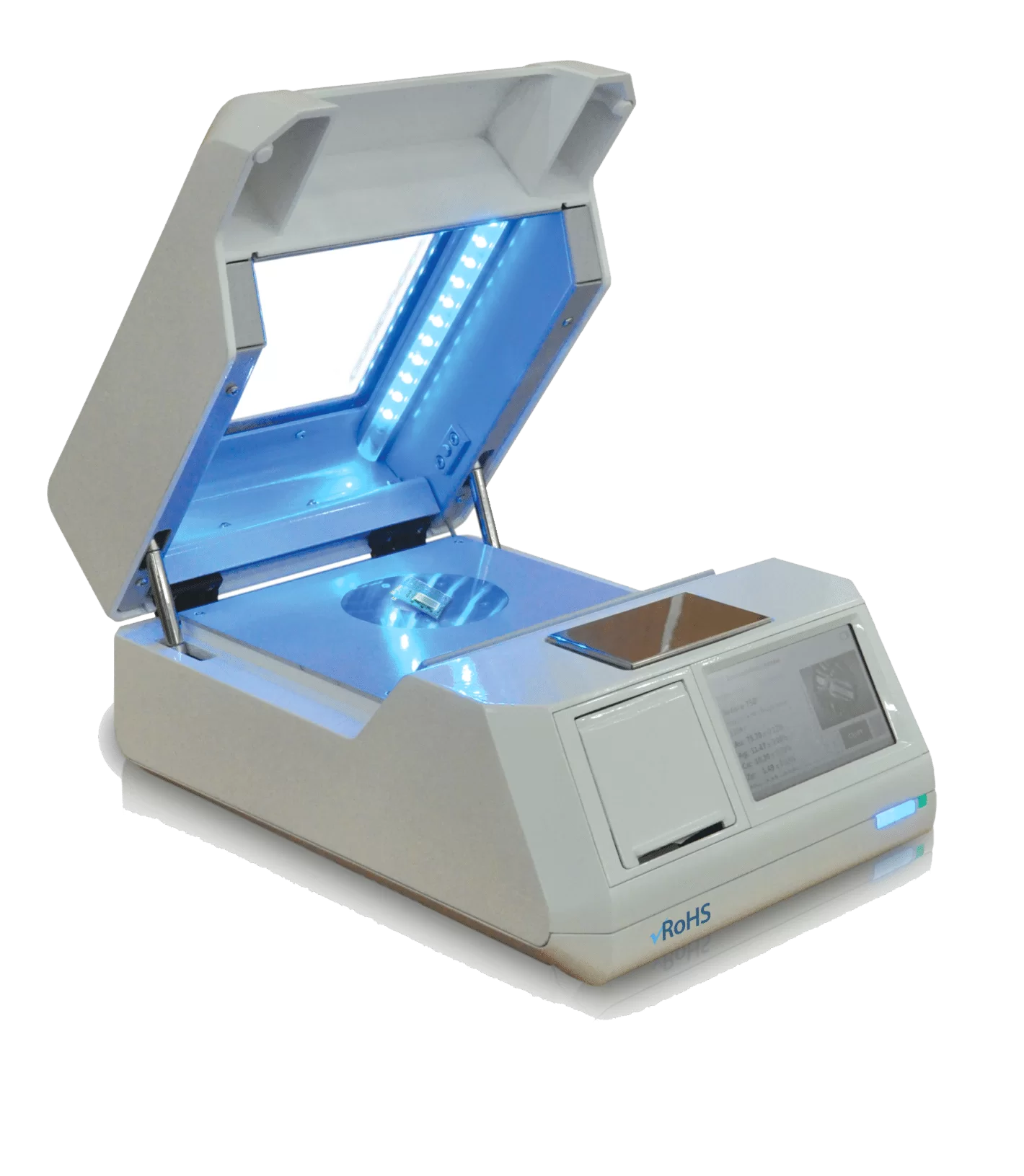 RoHS Testing: ElvaX RoHS Spectrometer
The ElvaX RoHS spectrometer represents a specialized analytical solution for manufacturers navigating the complex...Einzelheiten
RoHS Testing: ElvaX RoHS Spectrometer
The ElvaX RoHS spectrometer represents a specialized analytical solution for manufacturers navigating the complex...Einzelheiten