

Cement analysis
Constituents of Cement
Cement is divided into two main classes based on hardening mechanism:
- Hydraulic cement — hardens through reaction with water; this is the dominant type used today. It consists mainly of calcium silicates, aluminates, and other oxides.
- Non-hydraulic cement — hardens by carbonation with CO₂ from the air (e.g., slaked lime — Ca(OH)₂).
Hydraulic cement production involves:
- Crushing and mixing raw materials (typically 75–80% limestone + 20–25% clay/shale/argillite).
- High-temperature firing in a kiln → decomposition of CaCO₃ into CaO + CO₂; reaction with clay forms clinker (silicates, aluminosilicates, calcium aluminates, etc.).
- Grinding clinker with gypsum to produce the final gray-green powder — Portland cement.
Key Oxides in Cement
The main task of cement analysis is accurate determination of 13 major oxides and their ratios:
CaO, SiO₂, Al₂O₃, Fe₂O₃, SO₃, MgO, Na₂O, K₂O, P₂O₅, TiO₂, Mn₂O₃, ZnO, SrO.
These ratios control setting time, strength development, durability, heat of hydration, and resistance to chemical attack.
XRF Analysis in Cement Plants
XRF (X-ray fluorescence) is the most practical and widely used method for elemental analysis of cement. It offers fast, accurate, non-destructive results with simple sample preparation and affordable equipment.
Advantages over alternatives (ICP, AAS, wet chemistry, XRD):
- No destruction of sample
- Minimal reagents or consumables
- Rapid measurements (seconds to minutes)
- Direct conversion of elemental data to oxide percentages
XRF is routinely applied at every stage:
- Raw material incoming control (limestone, clay, additives)
- Raw meal / kiln feed homogeneity
- Clinker composition monitoring
- Final cement quality assurance
While XRD is used for phase (mineral) composition, XRF excels at elemental control and avoids issues like structural degradation of phases (gypsum, calcite) during measurement.
How XRF Improves Cement Production
XRF enables real-time compositional feedback, allowing immediate adjustments to maintain consistent quality, reduce variability, minimize waste, and increase overall plant efficiency. It supports quick evaluation at the quarry, during intermediate steps, and for final product certification.
Benchtop vs Handheld Analyzers for Cement
- Benchtop analyzers — ideal for laboratory or central QC: high throughput, automatic sample changers, helium purge for light elements, large-area SDD detectors, excellent detection limits (often <1 ppm for many elements in light matrices).
- Handheld/portable analyzers — suited for field checks, quarry screening, on-line spot testing: IP67 dust/water resistance, long battery life, mobility, built-in cameras, wireless data transfer (Wi-Fi/Bluetooth/USB).
Both types deliver high precision, fast results, automatic temperature/pressure correction, and long-term stability without frequent recalibration.
Sample Preparation for Cement XRF Analysis
Accurate results depend on proper preparation:
- Pressed pellets — quick and common for routine checks.
- Fused glass beads — preferred for highest accuracy and calibration stability (eliminates particle size/mineralogical effects).
Both methods ensure homogeneous, flat samples for reliable oxide quantification. XRF remains fast, convenient, non-destructive, and the most suitable elemental analysis technique for the modern cement industry.
https://youtu.be/LXpCoLKgiUk
https://youtu.be/uy_wpBd2Zrg
Related posts
-
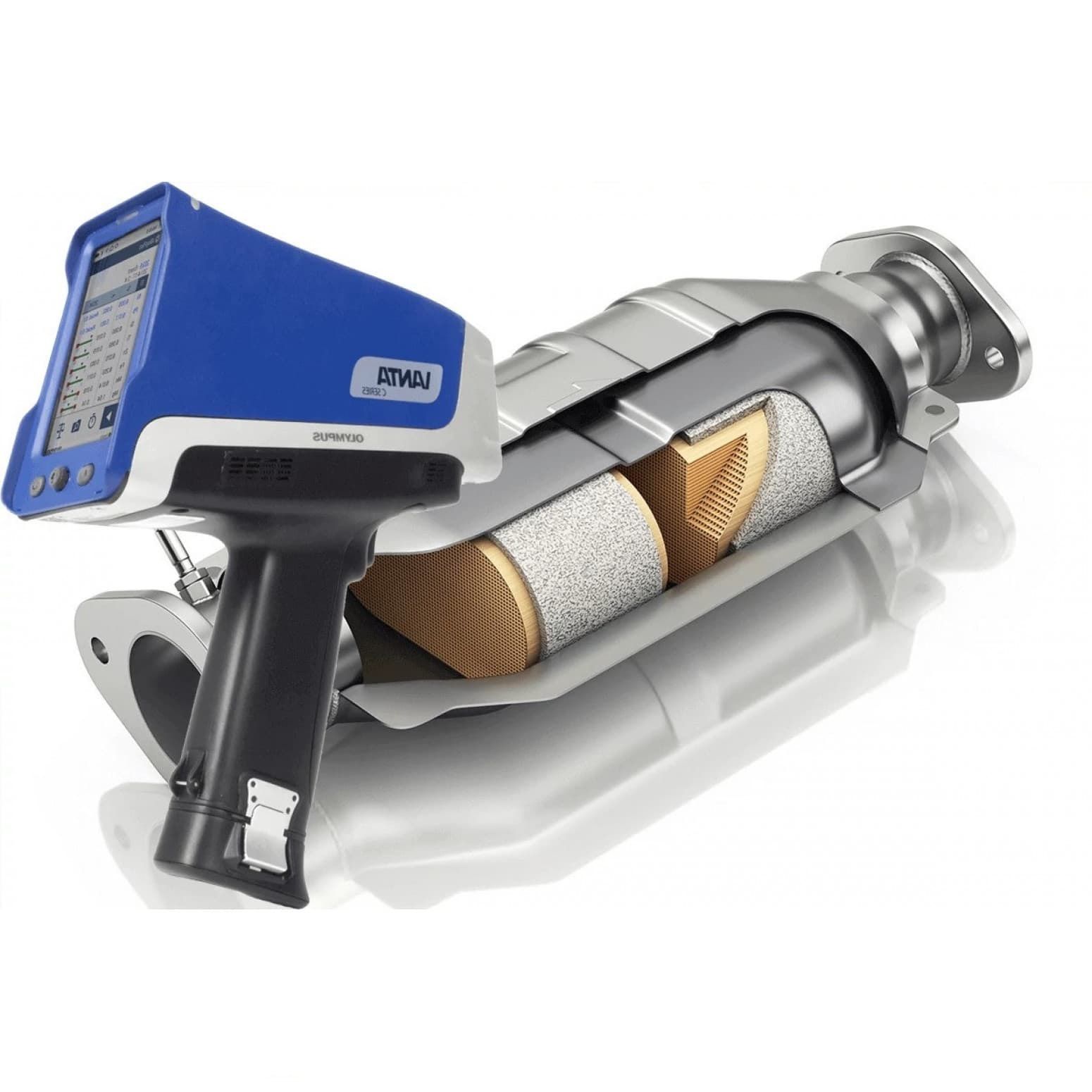 Car Catalyst Analysis
Automotive catalytic converters play a vital role in reducing harmful vehicle emissions, transforming toxic gases...Einzelheiten
Car Catalyst Analysis
Automotive catalytic converters play a vital role in reducing harmful vehicle emissions, transforming toxic gases...Einzelheiten -
 RoHS and WEEE Compliance Testing
Across the European Union, industries involved in manufacturing — particularly those producing electrical and...Einzelheiten
RoHS and WEEE Compliance Testing
Across the European Union, industries involved in manufacturing — particularly those producing electrical and...Einzelheiten -
 ElvaX Geo: Mining Exploration Spectrometer
The ElvaX Geo is a cutting-edge portable XRF (X-ray fluorescence) spectrometer specifically engineered for mining...Einzelheiten
ElvaX Geo: Mining Exploration Spectrometer
The ElvaX Geo is a cutting-edge portable XRF (X-ray fluorescence) spectrometer specifically engineered for mining...Einzelheiten -
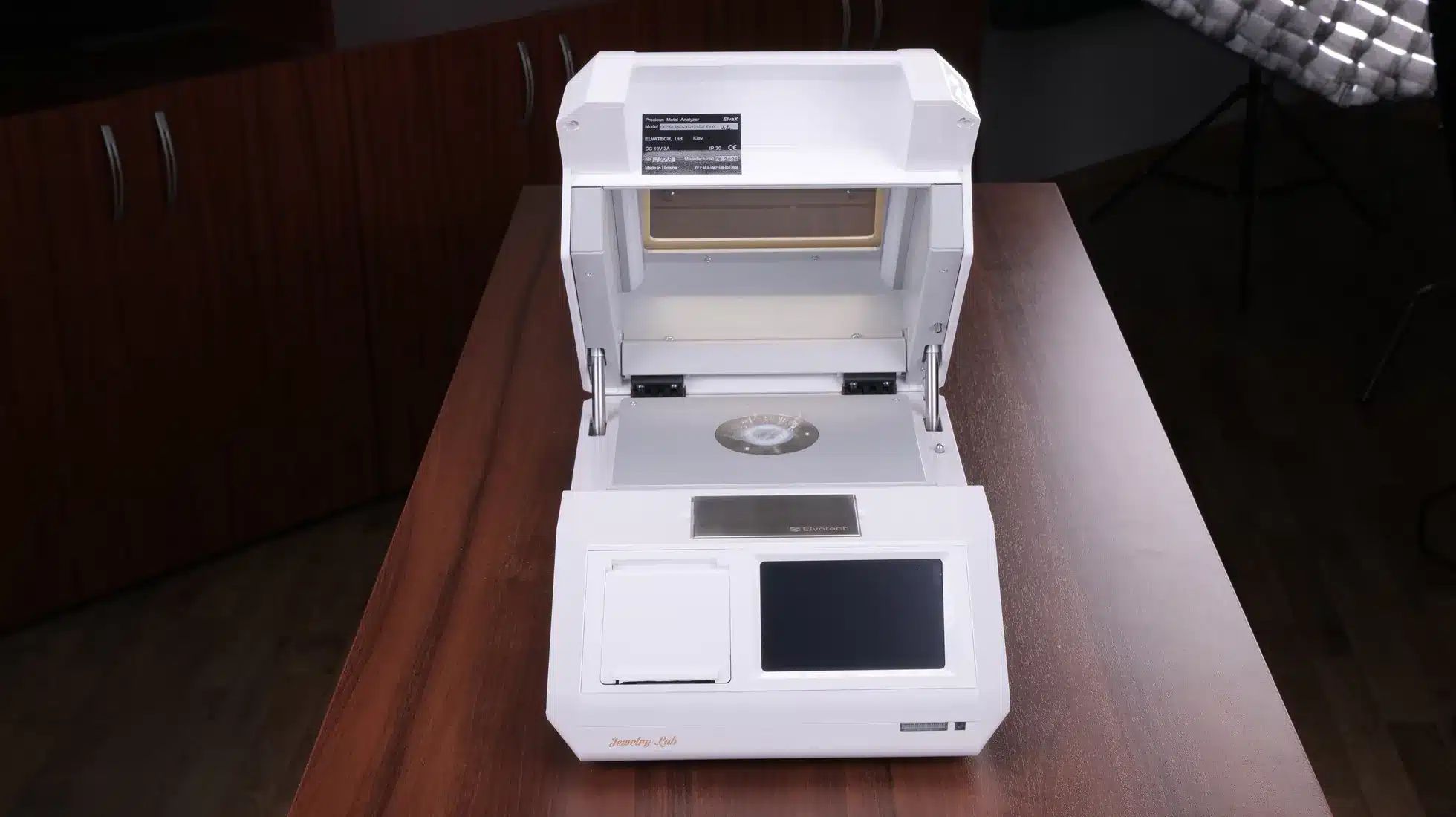 Precious Metals: ElvaX Jewelry Lab Testing
The ElvaX Jewelry Lab represents the next generation of benchtop XRF (X-ray fluorescence) analyzers specifically...Einzelheiten
Precious Metals: ElvaX Jewelry Lab Testing
The ElvaX Jewelry Lab represents the next generation of benchtop XRF (X-ray fluorescence) analyzers specifically...Einzelheiten -
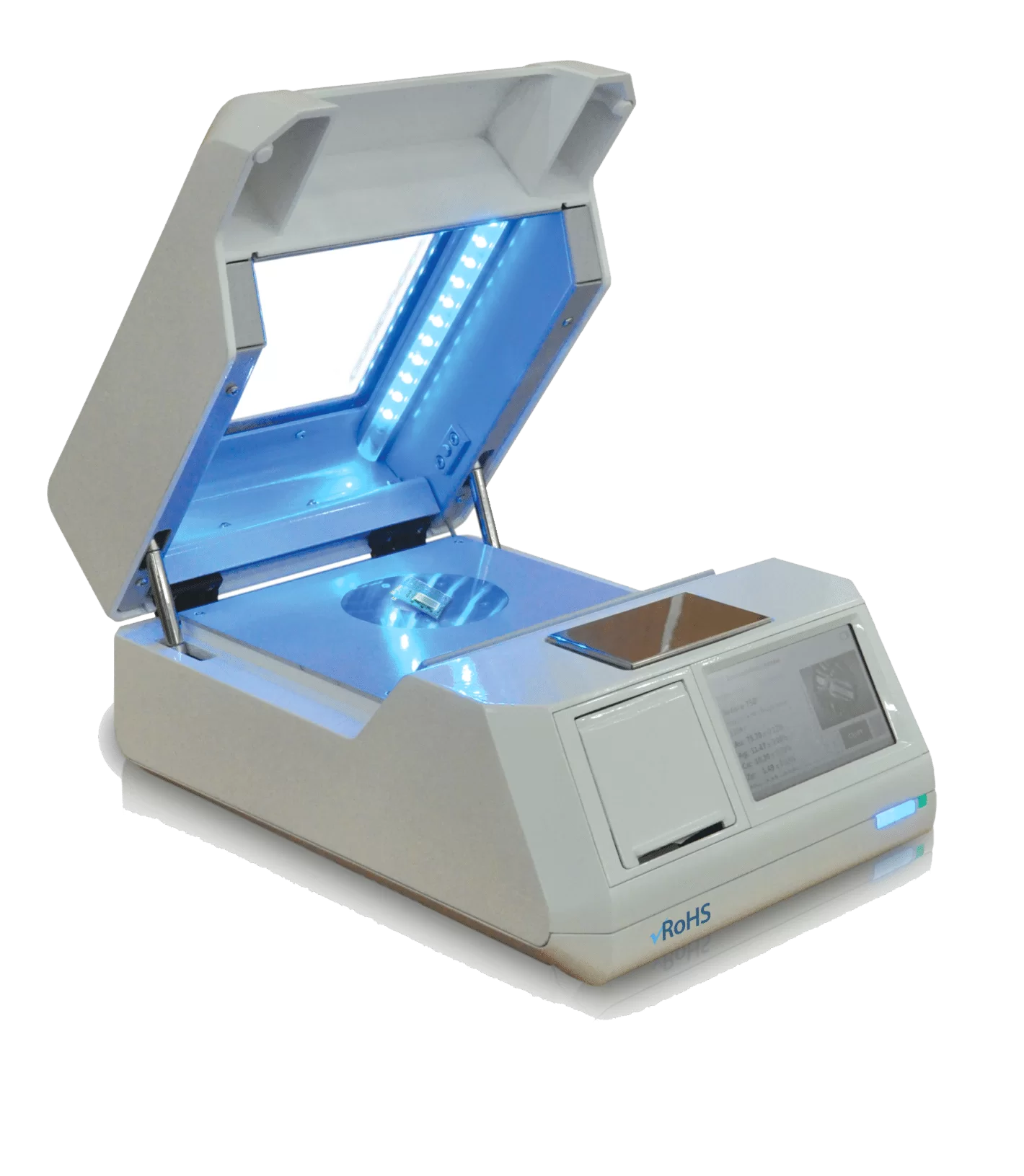 RoHS Testing: ElvaX RoHS Spectrometer
The ElvaX RoHS spectrometer represents a specialized analytical solution for manufacturers navigating the complex...Einzelheiten
RoHS Testing: ElvaX RoHS Spectrometer
The ElvaX RoHS spectrometer represents a specialized analytical solution for manufacturers navigating the complex...Einzelheiten