

Sulfur in Oil Analysis
The Importance of Accurate Sulfur Analysis in Oil
Accurate sulfur measurement is critical for product quality and compliance. High sulfur levels increase harmful emissions, worsen air pollution, and contribute to acid rain. In motor and transmission oils, excess sulfur speeds up corrosion of engine components, raising maintenance expenses and shortening equipment life. Reliable analysis helps meet regulatory demands while improving overall product performance and supporting environmental protection.
Why Choose XRF for Sulfur in Oil Analysis?
XRF technology provides clear advantages for sulfur testing in petroleum products. Unlike traditional approaches that often involve complicated sample prep, hazardous reagents, and long wait times, XRF delivers quick, non-destructive results with little or no preparation. It supplies fast, repeatable measurements that are easy to perform — essential in a fast-moving industry where timely and accurate data reduces costly mistakes. XRF works effectively in both laboratory and field settings, offering strong flexibility for different operational needs.
Compliance with International Standards for Sulfur Analysis
Meeting global standards is necessary for competitiveness in the oil sector. Modern XRF sulfur analyzers are built to comply with key references like ASTM D4294, ISO 20847, and IP 496. These instruments help ensure consistent, trustworthy results that satisfy regulatory and industry requirements worldwide.
XRF Analyzers for Sulfur Detection
XRF sulfur analyzers are designed for practical, everyday use in the industry. They feature short analysis times, high measurement accuracy, and dependable performance. These tools suit both smaller operations and larger facilities requiring efficient testing.
Wide Range of Sulfur Concentrations Covered
Different applications demand varying sensitivity levels. XRF sulfur analyzers handle a broad spectrum — from very low concentrations starting at 2 ppm to higher levels reaching 5%. This versatility makes them suitable for testing gasoline, diesel, crude oil, and other petroleum products without needing multiple instruments.
Related posts
-
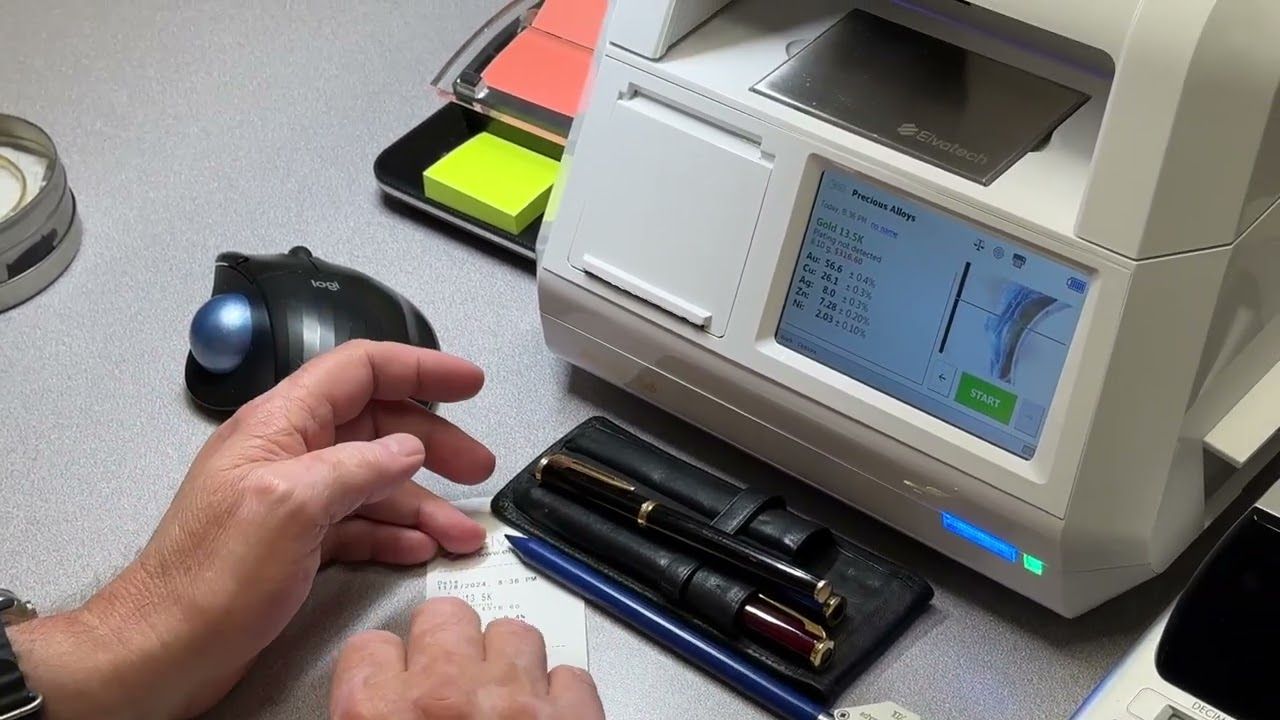 Metal Analyzer: ElvaX XRF Composition Testing
Metal composition determines every critical property from strength to corrosion resistance, weldability to...Einzelheiten
Metal Analyzer: ElvaX XRF Composition Testing
Metal composition determines every critical property from strength to corrosion resistance, weldability to...Einzelheiten -
 XRF Metal Analyzer: Precise Alloy Composition
Precision defines quality in metal industries where compositional accuracy separates specification compliance from...Einzelheiten
XRF Metal Analyzer: Precise Alloy Composition
Precision defines quality in metal industries where compositional accuracy separates specification compliance from...Einzelheiten -
 XRF Metal Analyser: Metal Product Testing
Metal product quality depends on verified composition meeting specifications throughout manufacturing—from raw...Einzelheiten
XRF Metal Analyser: Metal Product Testing
Metal product quality depends on verified composition meeting specifications throughout manufacturing—from raw...Einzelheiten -
 Handheld Precious Metal Analyzer: Gold Silver Testing
Gold and silver authenticity verification demands instant, accurate purity determination without damaging valuable...Einzelheiten
Handheld Precious Metal Analyzer: Gold Silver Testing
Gold and silver authenticity verification demands instant, accurate purity determination without damaging valuable...Einzelheiten -
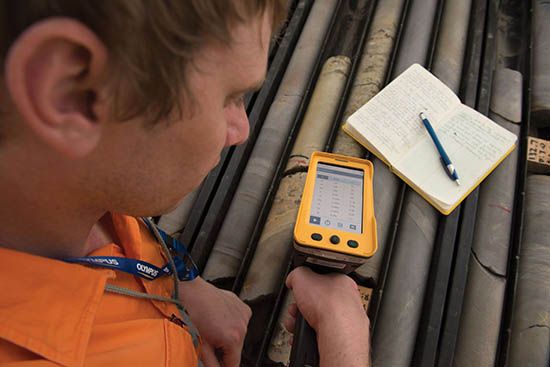 Handheld XRF: ElvaX ProSpector Metal Tester
Metal testing demands speed, accuracy, and portability in environments where laboratory analysis creates...Einzelheiten
Handheld XRF: ElvaX ProSpector Metal Tester
Metal testing demands speed, accuracy, and portability in environments where laboratory analysis creates...Einzelheiten