

Coating Thickness Analysis
Industries Where Coating Thickness Measurement Is Essential
XRF-based coating thickness measurement provides precise elemental data for coatings, making it indispensable in:
- Light and heavy manufacturing for production quality control
- Metallurgy for metal and alloy verification and sorting
- Paint and coatings industry for detecting lead or other restricted elements
- Jewelry production to identify plating (e.g., gold over base metals)
Thickness measurement is especially critical in high-stakes fields like aerospace, where coatings must meet exact specifications for performance and safety.
Common Types of Coatings
- Zinc on iron/steel
- Chrome on iron/steel
- Nickel on iron/steel
- Copper on iron/steel
- Gold on copper
- Copper on aluminum
- Molybdenum on titanium
- Nickel on copper
- And virtually any metal coating over any base material
How XRF Measures Coating Thickness
An XRF analyzer emits X-rays that ionize atoms in the coating and substrate. When an inner-shell electron is ejected, an outer electron fills the vacancy, emitting characteristic fluorescent X-rays. The analyzer detects this radiation, generates a spectrum, and — based on the main element of the coating — calculates thickness. It works reliably for single-layer coatings regardless of the object's shape or surface condition.
Benefits of XRF for Coating Thickness Measurement
- Completely non-destructive — no cutting, scraping, or damage to the sample
- Versatile and portable — handles objects of various sizes and geometries
- Fast results with good accuracy, often in seconds
- Safe for operators — low, directed radiation exposure
- No production stoppages — ideal for in-line or field testing
Handheld XRF Analyzers for Coating Analysis
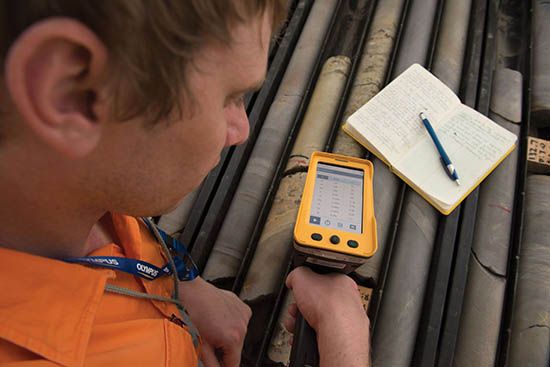
Handheld XRF devices are compact (similar in size to a drill) and highly mobile, allowing measurements in hard-to-reach areas without moving or disassembling parts. They require no pre-calibration for most applications and work universally across a wide range of materials and surfaces. Compared to other handheld methods (laser or optical), XRF offers a larger measurement area, higher accuracy, and broader material compatibility.
These tools provide quick, cost-effective, and reliable coating thickness and composition analysis both in the field and in the lab.
Related posts
-
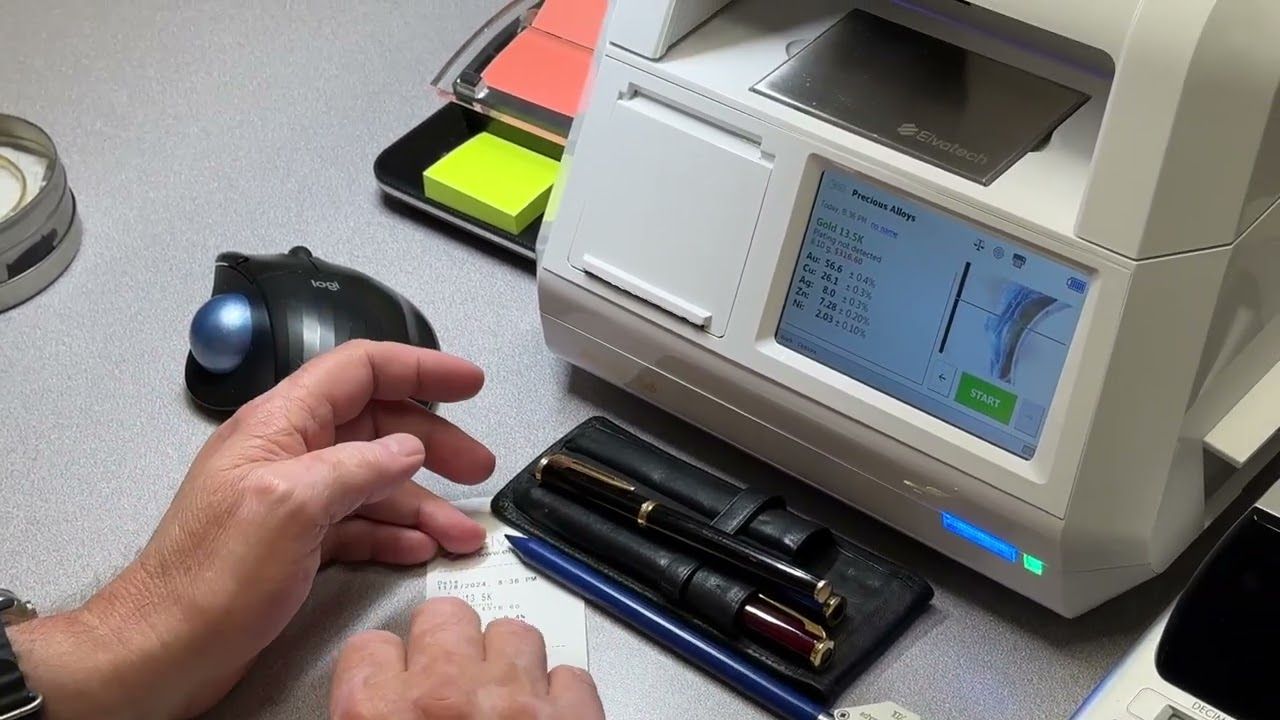 Metal Analyzer: ElvaX XRF Composition Testing
Metal composition determines every critical property from strength to corrosion resistance, weldability to...Einzelheiten
Metal Analyzer: ElvaX XRF Composition Testing
Metal composition determines every critical property from strength to corrosion resistance, weldability to...Einzelheiten -
 XRF Metal Analyzer: Precise Alloy Composition
Precision defines quality in metal industries where compositional accuracy separates specification compliance from...Einzelheiten
XRF Metal Analyzer: Precise Alloy Composition
Precision defines quality in metal industries where compositional accuracy separates specification compliance from...Einzelheiten -
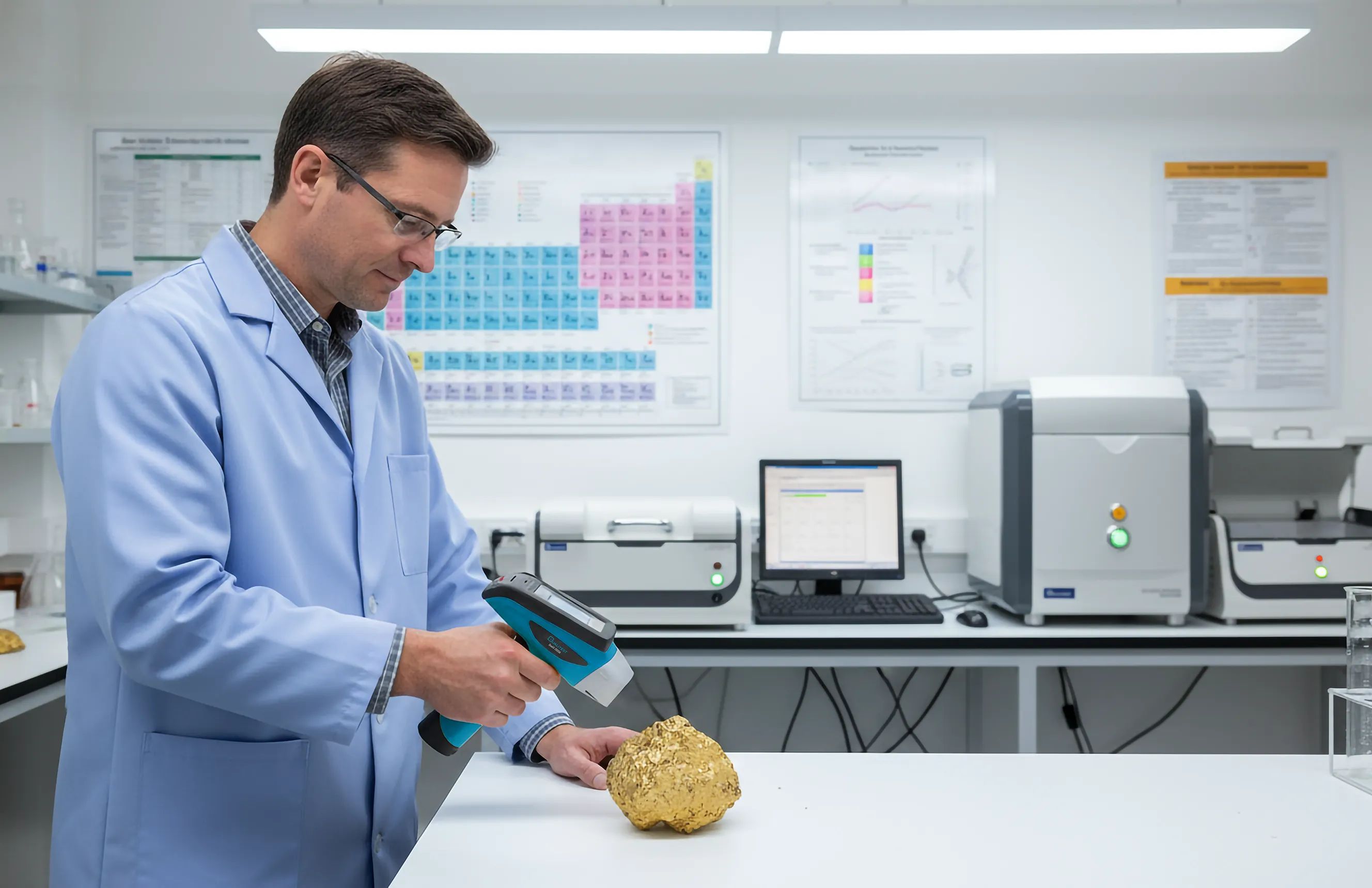 XRF Metal Analyser: Metal Product Testing
Metal product quality depends on verified composition meeting specifications throughout manufacturing—from raw...Einzelheiten
XRF Metal Analyser: Metal Product Testing
Metal product quality depends on verified composition meeting specifications throughout manufacturing—from raw...Einzelheiten -
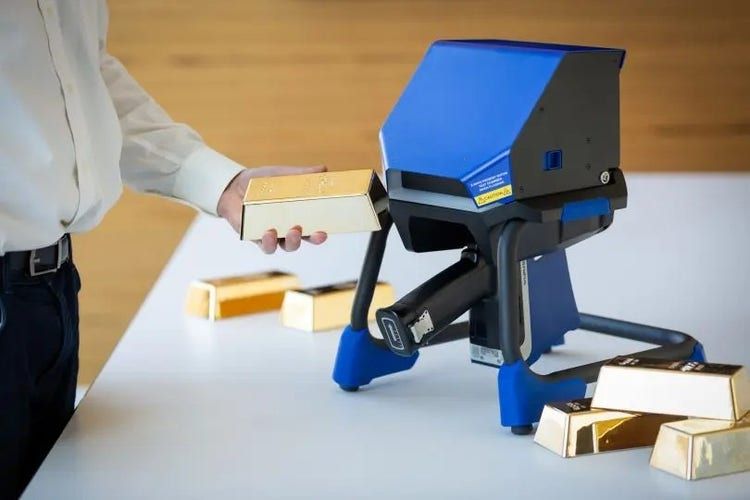 Handheld Precious Metal Analyzer: Gold Silver Testing
Gold and silver authenticity verification demands instant, accurate purity determination without damaging valuable...Einzelheiten
Handheld Precious Metal Analyzer: Gold Silver Testing
Gold and silver authenticity verification demands instant, accurate purity determination without damaging valuable...Einzelheiten -
 Handheld XRF: ElvaX ProSpector Metal Tester
Metal testing demands speed, accuracy, and portability in environments where laboratory analysis creates...Einzelheiten
Handheld XRF: ElvaX ProSpector Metal Tester
Metal testing demands speed, accuracy, and portability in environments where laboratory analysis creates...Einzelheiten