

XRF Gold Analysis
How XRF Gold Analyzers Work
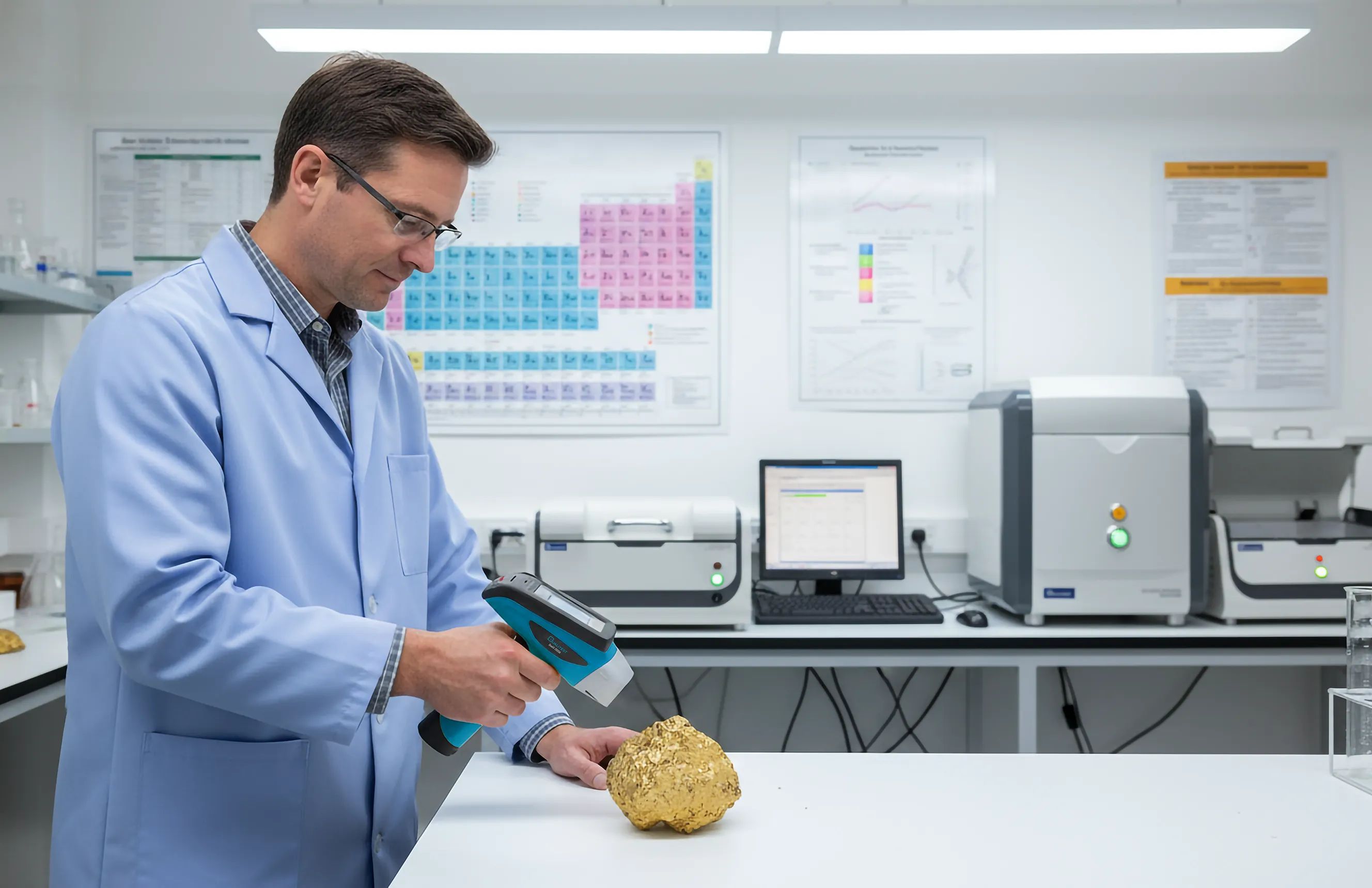
XRF relies on X-ray fluorescence: the sample is irradiated with X-rays, causing atoms to emit characteristic fluorescent radiation. Each element produces unique energy peaks in the spectrum, allowing the analyzer to quantify composition based on peak intensities.
For plating/gilding detection and thickness measurement, quantification uses the ratio of characteristic line intensities from underlying elements. Thicker plating distorts these ratios more due to differential X-ray attenuation, enabling precise thickness calculation (typically to fractions of a micron).
Accuracy of XRF Gold Testers
Accuracy depends on the instrument and task. Handheld XRF analyzers typically achieve 0.1–0.01% precision for gold content with ~5-second measurements. Plating thickness error is usually <0.1–0.5 μm.
Results represent the near-surface area (attenuation length in gold ~0.1–10 μm for analytical lines). For uniform alloys, this is sufficient; for heterogeneous samples (e.g., ores), multiple averaged measurements reduce error from inhomogeneity.
Sample Requirements
Handheld analyzers need only a few grams to cover the measurement window for good statistics. No complex preparation is required:
- Solid samples — ensure a clean, flat, uncontaminated surface
- Powders/ores — grind for homogeneity
- Liquids or small items — direct analysis is possible
Penetration Depth in Gold
X-ray penetration is limited by attenuation length (distance where intensity drops to ~1/e). In gold, it ranges from 0.1–10 μm depending on energy, meaning analysis reflects the surface layer unless the sample is uniform throughout.
Benefits of XRF for Gold Testing
- Completely non-destructive — no material loss or damage
- Fast results (seconds to minutes)
- High accuracy for purity, alloying elements, impurities, and coatings
- Detects harmful elements or fakes
- Portable and easy to use
- Safe (low, directed radiation)
- No consumables or extensive prep
- Works on bullion, jewelry, ores, coins, etc., regardless of shape
Types of Gold Forms Analyzed
Portable XRF analyzers handle:
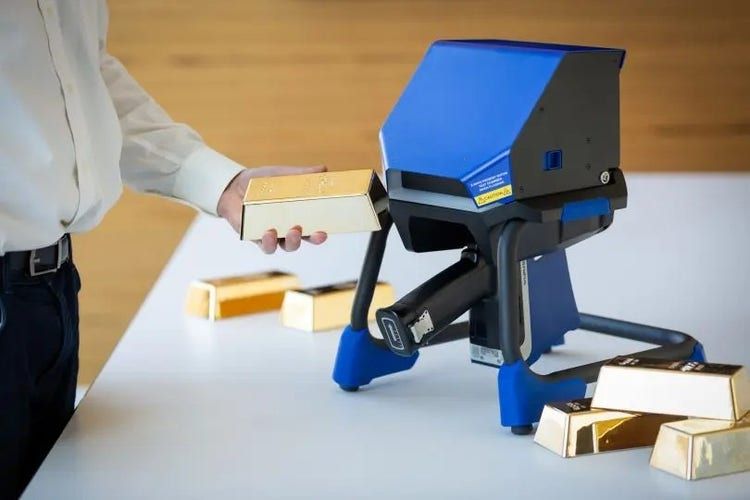
- Gold bullion and bars
- Gold ore and concentrates
- Jewelry (rings, chains, coins)
- Plated items (gilding detection)
Gold Testing Equipment Options
Among modern XRF analyzers for gold, the following models are particularly well-suited and widely used:
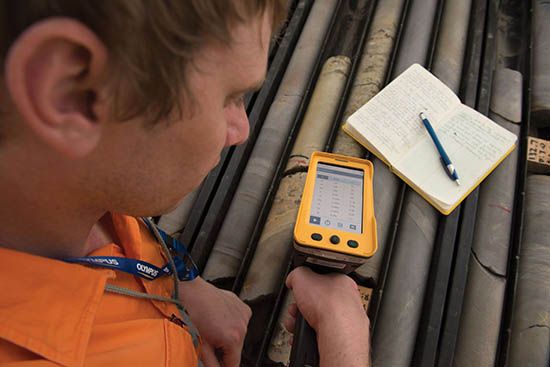
- ProSpector 2 — a proven, reliable handheld analyzer with advanced technology and precise algorithms. Delivers high-quality measurements quickly, features intuitive operation, and provides maximum accuracy for everyday use.
- ProSpector 3 — the latest compact handheld model, recognized as one of the smallest and lightest on the market. Offers superior speed, accuracy, and low detection limits, with dust/water resistance (IP67), foldable display, macro/micro CCD cameras, up to 16 hours of battery life, and connectivity via Wi-Fi, Bluetooth, or USB.
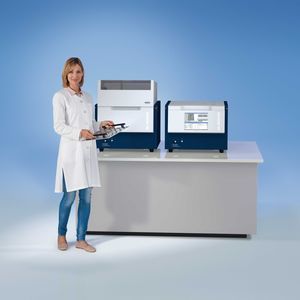
- ElvaX Geo — a compact, economical energy-dispersive X-ray spectrometer suitable for both qualitative and quantitative analysis of solids, liquids, and powders, including gold.
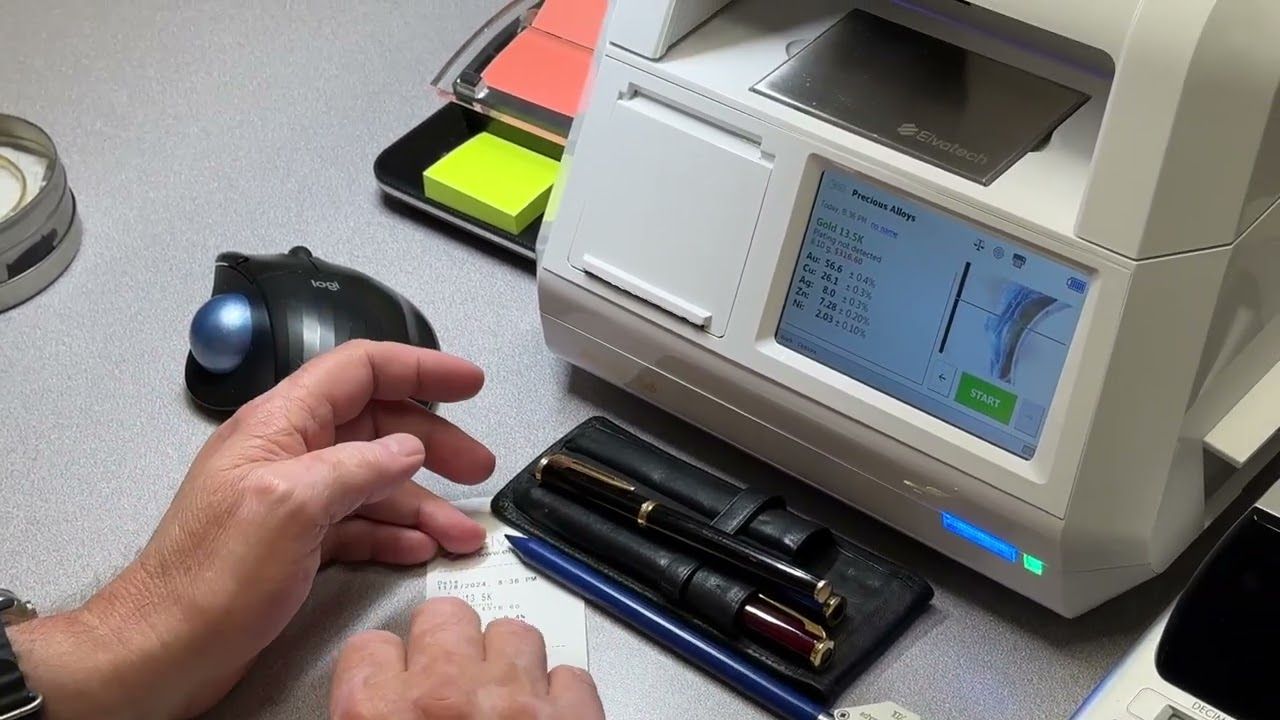
- ElvaX Jewelry Lab — a specialized benchtop analyzer optimized for jewelry and precious metals. Analysis takes just seconds, results displayed in percentages and karats, easily detects coatings and non-standard alloys. Features built-in CCD camera for precise spot targeting, printer and scales for certificates (composition + weight + value), touchscreen or PC control, ergonomic design, and autonomous operation — ideal for jewelry labs or retail settings.
These analyzers allow fast and accurate determination of gold concentration in any form without damaging the material.
Related posts
-
 Metal Analyzer: ElvaX XRF Composition Testing
Metal composition determines every critical property from strength to corrosion resistance, weldability to...Einzelheiten
Metal Analyzer: ElvaX XRF Composition Testing
Metal composition determines every critical property from strength to corrosion resistance, weldability to...Einzelheiten -
 XRF Metal Analyzer: Precise Alloy Composition
Precision defines quality in metal industries where compositional accuracy separates specification compliance from...Einzelheiten
XRF Metal Analyzer: Precise Alloy Composition
Precision defines quality in metal industries where compositional accuracy separates specification compliance from...Einzelheiten -
 XRF Metal Analyser: Metal Product Testing
Metal product quality depends on verified composition meeting specifications throughout manufacturing—from raw...Einzelheiten
XRF Metal Analyser: Metal Product Testing
Metal product quality depends on verified composition meeting specifications throughout manufacturing—from raw...Einzelheiten -
 Handheld Precious Metal Analyzer: Gold Silver Testing
Gold and silver authenticity verification demands instant, accurate purity determination without damaging valuable...Einzelheiten
Handheld Precious Metal Analyzer: Gold Silver Testing
Gold and silver authenticity verification demands instant, accurate purity determination without damaging valuable...Einzelheiten -
 Handheld XRF: ElvaX ProSpector Metal Tester
Metal testing demands speed, accuracy, and portability in environments where laboratory analysis creates...Einzelheiten
Handheld XRF: ElvaX ProSpector Metal Tester
Metal testing demands speed, accuracy, and portability in environments where laboratory analysis creates...Einzelheiten