
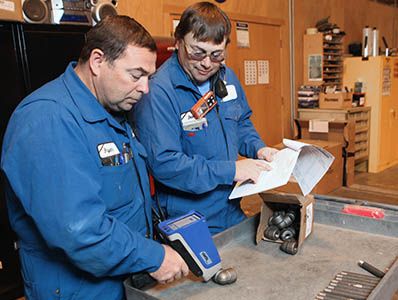
Metal Testers and Element Analyzers: Comprehensive Guide to XRF Analysis Technology
What to Expect in This Section
This section provides exhaustive coverage of metal testing and elemental analysis technology across all applications and configurations. You'll discover comprehensive information about the Metal Analyzer: ElvaX XRF Composition Testing and its capabilities for precise material characterization in industrial environments. We examine the XRF Metal Analyzer: Precise Alloy Composition technology that delivers accurate elemental quantification for quality control and material verification workflows.
Our detailed coverage includes the XRF Metal Analyser: Metal Product Testing methodologies supporting manufacturing excellence and regulatory compliance. For precious metals professionals, we explore the Handheld Precious Metal Analyzer: Gold Silver Testing solutions that provide karat-level accuracy for jewelry authentication and valuation. The Handheld XRF: ElvaX ProSpector Metal Tester receives detailed examination as an example of ergonomic portable analysis optimized for field operations.
Specialized precious metals applications are covered through the XRF Gold Tester: ElvaX Jewelry Lab Karat Testing and XRF Gold Testing Machine: Precious Metal Verification discussions, demonstrating how dedicated instruments serve jewelry stores, pawn shops, and gold buyers. The Handheld XRF Analyser: Professional Metal Analysis section illustrates industrial-grade portable performance.
We examine fundamental detection technology through the XRF Detector: Metal Element Composition Scanner overview, explaining how advanced sensors enable rapid multi-element analysis. The XRF Instrument: Material Chemistry Analysis Device discussion covers benchtop configurations for laboratory environments, while XRF Device: Professional Spectroscopy Equipment provides guidance on selecting optimal equipment for specific analytical requirements.
Throughout this section, you'll gain a comprehensive understanding of how metal testers and element analyzers solve analytical challenges across manufacturing, recycling, precious metals, quality assurance, and regulatory compliance applications.
Understanding XRF Metal Analysis Fundamentals
Core Technology Principles
X-ray fluorescence metal analysis operates on fundamental atomic physics principles that enable non-destructive elemental identification and quantification. When high-energy X-rays from an analyzer's tube strike a metal sample, they excite atoms by ejecting inner-shell electrons. As electrons from higher energy levels fill these vacancies, they emit characteristic fluorescent X-rays with energies precisely determined by each element's atomic structure. These fluorescent X-rays serve as unique atomic fingerprints enabling unambiguous element identification.
Advanced detectors capture these fluorescent X-rays and measure their energies and intensities simultaneously. Energy measurements identify which elements are present, while intensity measurements determine their concentrations. Modern silicon drift detectors provide exceptional energy resolution, clearly separating spectral peaks even in complex multi-element alloys. This simultaneous multi-element capability distinguishes XRF from sequential analytical techniques, delivering complete compositional profiles in single measurement cycles.
Non-Destructive Testing Advantages
The non-destructive nature of XRF analysis represents one of its most valuable characteristics across all applications. Testing leaves no marks, removes no material, and causes no damage to analyzed items, making the technology ideal for finished products, precious materials, and any samples where preservation is paramount. This non-invasive capability enables analysis in situations impossible with traditional destructive techniques.
Analysis requires minimal sample preparation beyond simple surface cleaning in most cases, dramatically reducing testing time and eliminating preparation-related errors. Samples remain in their original state and location, whether testing installed structural components, examining valuable jewelry, or verifying product specifications. The combination of non-destructive testing, rapid results, and minimal preparation requirements makes XRF metal analyzers indispensable across diverse professional contexts.
Industrial Metal Composition Testing
Alloy Identification and Grade Verification
Metal analyzers serve as essential tools for rapid alloy identification in manufacturing, construction, and quality control environments. Comprehensive calibration libraries contain compositional data for thousands of standardized alloy grades including stainless steels, aluminum alloys, copper alloys, titanium alloys, nickel-based superalloys, and specialty materials. Analyzers match measured compositions against these extensive databases, identifying alloy grades within seconds with confidence levels supporting critical operational decisions.
The technology analyzes up to thirty elements simultaneously, providing complete compositional profiles including major alloying elements, minor constituents, and trace impurities. This comprehensive characterization ensures accurate grade identification even for complex alloys with numerous alloying additions. User interfaces simplify result interpretation by comparing test results directly to engineering specifications, enabling rapid identification of out-of-specification elements and unexpected contaminants.
Positive Material Identification Programs
Positive Material Identification represents one of XRF metal analysis' most critical industrial applications, preventing catastrophic failures caused by material mix-ups. Manufacturing facilities and industrial plants implement PMI programs to verify that installed pipes, valves, pressure vessels, and structural components match design specifications and material certificates. The non-destructive testing capability allows verification of installed components without disassembly, service interruption, or material removal.
PMI programs protect against counterfeit materials entering supply chains, detect inadvertent substitutions during construction or maintenance, and confirm proper material selection for corrosive, high-temperature, or high-pressure service conditions. Industries including petrochemical processing, power generation, aerospace, and pharmaceutical manufacturing depend on comprehensive PMI to ensure safety and regulatory compliance.
Precious Metals Testing and Authentication
Gold and Silver Purity Analysis
Precious metal analyzers deliver fast, accurate, non-destructive purity assessment for jewelry professionals, gold buyers, pawn shops, and precious metals traders. These specialized instruments determine exact gold content in both karat values and percentages, distinguish between various silver alloys, identify platinum group metals, and detect common adulterants in seconds. Results displayed in familiar karat terminology make information immediately accessible to customers and non-technical staff, while percentage compositions support precise valuation calculations.
Modern XRF gold testing technology achieves detection accuracy exceeding ninety-nine percent for pure gold, with testing error ranges controlled within fractions of a percent for eighteen-karat gold. The technology identifies impurity content at levels below one-tenth of a percent, providing exceptional analytical sensitivity. Testing processes require only three to five seconds, instantly displaying gold purity percentages and karat values while simultaneously detecting other precious metals like silver, platinum, and palladium.
Fraud Detection and Authentication
Advanced precious metal analyzers incorporate intelligent detection systems that automatically identify common gold alloy formulas and alert operators to anomalous metal compositions suggesting counterfeit items. The technology detects surface treatments including plating and coating that traditional testing methods might miss, protecting buyers from gold or silver-plated base metal items misrepresented as solid precious metals. Analysis capabilities extending through varying depths reveal compositional differences between surfaces and bulk material, identifying sophisticated counterfeits.
The non-destructive nature proves particularly valuable for authenticating historical artifacts, collectible coins, and investment bullion where preservation is essential. Museums, collectors, and financial institutions employ XRF analysis for non-invasive characterization providing documentation supporting provenance and value assessments. Professional jewelers report that adopting XRF analyzers increases testing efficiency multiple times while significantly improving customer trust through transparent verification processes.
Scrap Metal Recycling Applications
Rapid Sorting and Grade Segregation
Scrap metal recycling operations depend heavily on XRF metal analyzers for rapid, accurate sorting of mixed material streams into value-optimized categories. The technology quickly distinguishes between different metal types and alloy grades, improving recycling efficiency and maximizing recovery value through precise segregation. Portable analyzers enable field acquisition, helping buyers make informed purchasing decisions on-site based on accurate composition data rather than visual estimates.
Yard operations utilize handheld analyzers to sort incoming materials efficiently, identifying valuable alloying elements and detecting tramp elements that could contaminate subsequent processing. The speed of XRF analysis enables high-throughput sorting where operators screen hundreds of items hourly, dramatically improving operational productivity compared to traditional identification methods. Results stored in analyzer memory or transmitted to database systems create comprehensive inventory records supporting traceability and quality documentation.
Impurity and Contaminant Detection
XRF analyzers detect impurities and defects in metal materials, providing essential technical support for metal processing and manufacturing applications. The multi-element analytical capability identifies unexpected contaminants that could affect material properties or processing behavior. This comprehensive screening protects downstream operations from quality issues caused by contaminated feedstock.
Environmental regulations increasingly require documentation of material compositions, particularly regarding restricted substances and hazardous elements. XRF metal analyzers provide rapid screening for regulatory compliance, ensuring recycled materials meet specifications for subsequent manufacturing applications.
Quality Control and Manufacturing Applications
Incoming Material Verification
Manufacturing facilities employ metal analyzers for rapid incoming inspection of raw materials at delivery points, verifying actual composition before materials enter production. Rather than relying solely on supplier certificates, quality assurance personnel test representative samples to confirm specifications are met, preventing costly manufacturing errors and product recalls. The ability to test large quantities quickly enables statistical sampling programs providing high confidence in batch quality.
XRF analysis detects specification deviations immediately, allowing rejection or segregation of non-conforming materials before they compromise production. This real-time verification protects manufacturing operations from quality issues while providing documentation supporting quality management systems and regulatory compliance requirements.
In-Process and Final Product Testing
In-process testing confirms correct material selection at various manufacturing stages, from raw stock through intermediate assemblies to finished products. This ongoing verification catches material mix-ups immediately, preventing propagation of errors through production sequences. Final inspection verifies that shipped products meet customer specifications and regulatory requirements, supporting quality documentation and customer confidence.
The automotive industry extensively utilizes XRF analyzers for grade verification of metal alloys in components ranging from engine parts to structural elements. Rapid analysis with immediate results enables 100% inspection protocols where every piece undergoes verification, ensuring consistent quality without production bottlenecks.
Advanced Detection Technology
Silicon Drift Detector Performance
Modern XRF metal analyzers incorporate advanced silicon drift detectors that deliver exceptional energy resolution and count rate capabilities in compact form factors. These solid-state detectors convert incoming X-ray photons directly into electrical pulses proportional to photon energy, enabling precise spectral measurements. Energy resolution capabilities clearly separate closely-spaced spectral peaks, ensuring accurate analysis even in complex multi-element matrices.
Large active detector areas capture maximum fluorescent signal, improving counting statistics and reducing required measurement times. Count rate capabilities exceeding hundreds of thousands of counts per second enable rapid data acquisition without detector saturation or dead-time losses. This combination of resolution and speed makes contemporary XRF analyzers suitable for demanding applications requiring both accuracy and productivity.
Multi-Element Simultaneous Analysis
The simultaneous multi-element detection capability distinguishes XRF from sequential analytical techniques, dramatically reducing analysis time while maintaining analytical rigor. Analyzers measure X-ray energies and intensities across broad spectral ranges in single measurement cycles, providing complete compositional profiles including major elements, minor constituents, and trace impurities. This parallel detection enables comprehensive alloy characterization in seconds rather than the extended times required by sequential methods.
Element detection ranges typically span from magnesium through uranium, covering virtually all elements of industrial and precious metals significance. Advanced configurations with specialized features extend ranges to include lighter elements like sodium and aluminum, expanding analytical versatility. The wide elemental coverage makes XRF analyzers suitable for diverse applications from ferrous metallurgy to precious metals authentication.
Professional Spectroscopy Equipment Selection
Portable vs Benchtop Configurations
Selecting optimal metal testing equipment begins with determining whether field portability or laboratory performance represents the primary requirement. Handheld portable analyzers provide complete analytical systems in battery-powered packages suitable for field operations, manufacturing floor testing, and any application where bringing samples to laboratories proves impractical. These rugged instruments withstand harsh industrial environments while delivering rapid results supporting immediate decision-making.
Benchtop laboratory analyzers offer enhanced capabilities including higher-power X-ray tubes, optimized geometric configurations, and advanced automation features. These instruments provide superior accuracy for demanding applications, accommodate diverse sample sizes and geometries, and support high-throughput batch processing. Laboratory configurations excel when maximum analytical performance, comprehensive documentation, and integration with quality management systems represent critical requirements.
Application-Specific Considerations
Different applications prioritize different analytical capabilities and operational characteristics. Industrial PMI and alloy verification applications require extensive grade libraries, rapid analysis, and rugged portable configurations. Precious metals testing demands high accuracy for gold and silver, karat value displays, and customer-friendly operation. Scrap metal recycling operations need fast sorting capabilities and simple user interfaces enabling high-volume testing.
Manufacturing quality control applications benefit from automation features, statistical analysis capabilities, and connectivity supporting quality management systems. Regulatory compliance testing requires documented performance, traceable calibrations, and comprehensive reporting capabilities. Understanding specific application priorities guides selection toward equipment configurations optimally matching operational requirements.
Conclusion
Metal testers and element analyzers represent indispensable analytical tools across industries requiring rapid, accurate, non-destructive compositional analysis. From the comprehensive Metal Analyzer: ElvaX XRF Composition Testing capabilities to the precise XRF Metal Analyzer: Precise Alloy Composition performance, modern technology delivers exceptional analytical results. The XRF Metal Analyser: Metal Product Testing supports manufacturing excellence, while the Handheld Precious Metal Analyzer: Gold Silver Testing serves jewelry professionals with specialized capabilities.
The Handheld XRF: ElvaX ProSpector Metal Tester exemplifies portable industrial analysis, while dedicated XRF Gold Tester: ElvaX Jewelry Lab Karat Testing and XRF Gold Testing Machine: Precious Metal Verification instruments address precious metals authentication requirements. Professional applications benefit from the Handheld XRF Analyser: Professional Metal Analysis capabilities enabling field operations.
Understanding the XRF Detector: Metal Element Composition Scanner technology, selecting appropriate XRF Instrument: Material Chemistry Analysis Device configurations, and choosing optimal XRF Device: Professional Spectroscopy Equipment ensures analytical success across applications. Whether your requirements involve industrial quality control, precious metals authentication, scrap metal recycling, or manufacturing verification, metal testers and element analyzers deliver immediate value through improved efficiency, reduced costs, enhanced quality assurance, and comprehensive analytical capabilities supporting confident decision-making.
Related posts
-
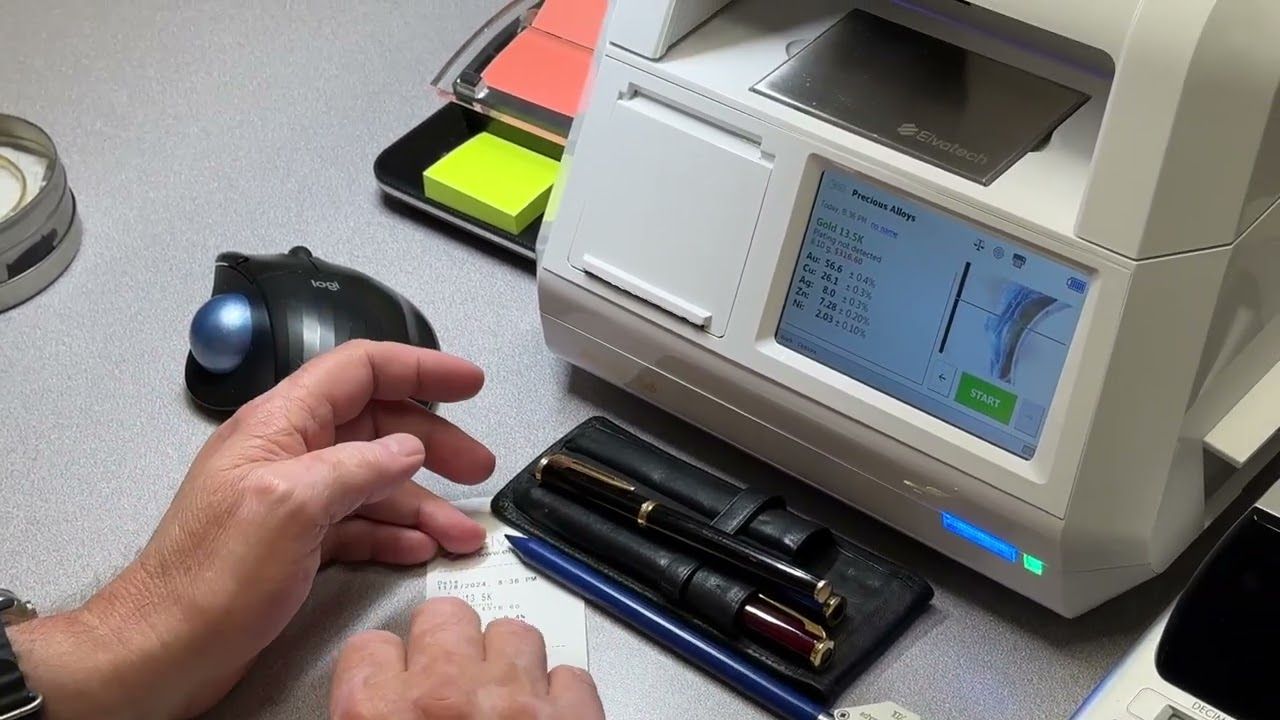 Metal Analyzer: ElvaX XRF Composition Testing
Metal composition determines every critical property from strength to corrosion resistance, weldability to...Einzelheiten
Metal Analyzer: ElvaX XRF Composition Testing
Metal composition determines every critical property from strength to corrosion resistance, weldability to...Einzelheiten -
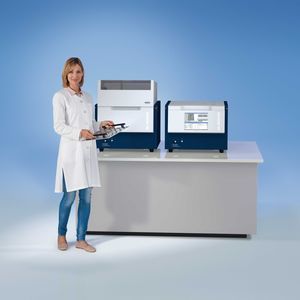 XRF Metal Analyzer: Precise Alloy Composition
Precision defines quality in metal industries where compositional accuracy separates specification compliance from...Einzelheiten
XRF Metal Analyzer: Precise Alloy Composition
Precision defines quality in metal industries where compositional accuracy separates specification compliance from...Einzelheiten -
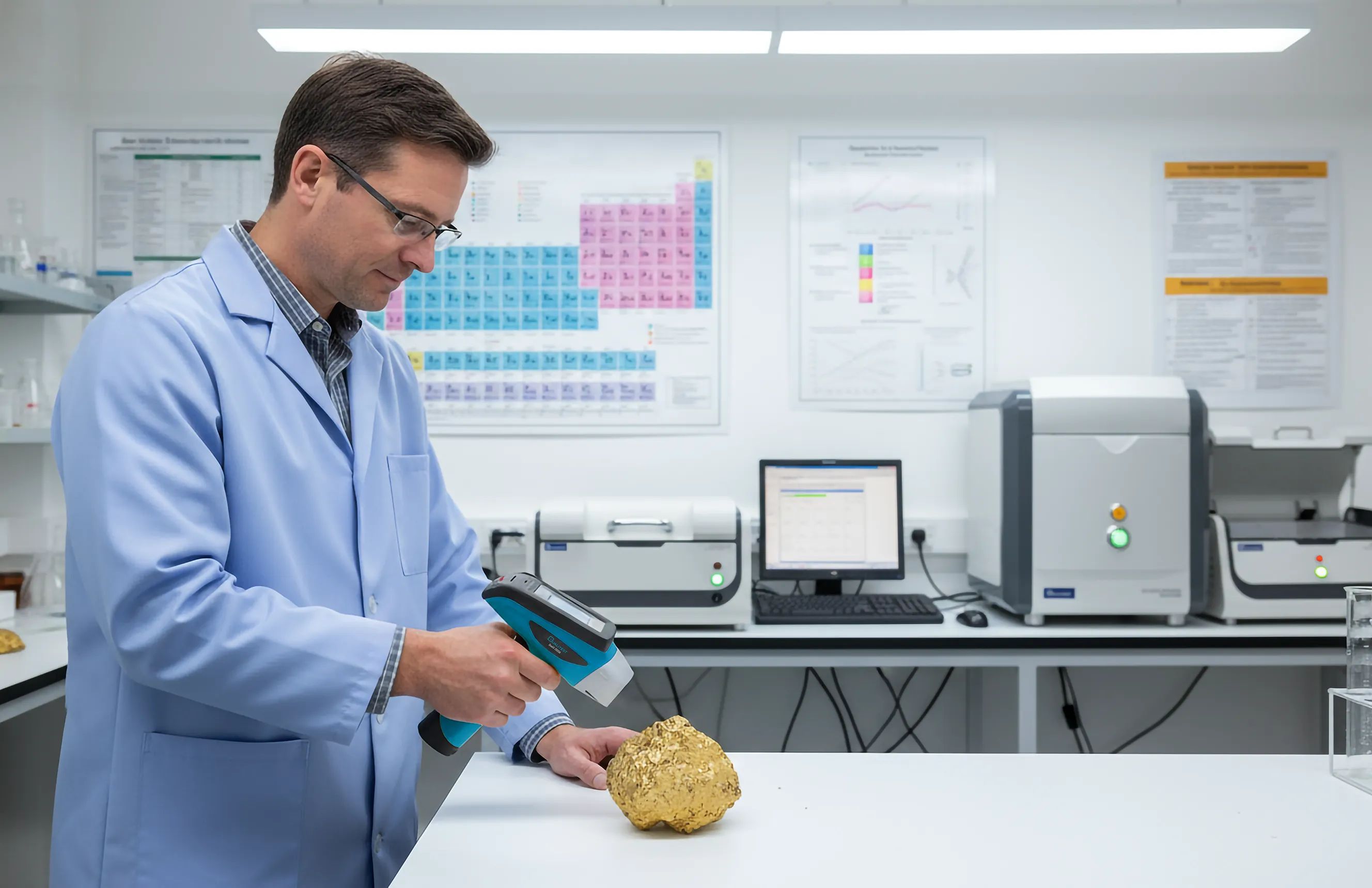 XRF Metal Analyser: Metal Product Testing
Metal product quality depends on verified composition meeting specifications throughout manufacturing—from raw...Einzelheiten
XRF Metal Analyser: Metal Product Testing
Metal product quality depends on verified composition meeting specifications throughout manufacturing—from raw...Einzelheiten -
 Handheld Precious Metal Analyzer: Gold Silver Testing
Gold and silver authenticity verification demands instant, accurate purity determination without damaging valuable...Einzelheiten
Handheld Precious Metal Analyzer: Gold Silver Testing
Gold and silver authenticity verification demands instant, accurate purity determination without damaging valuable...Einzelheiten -
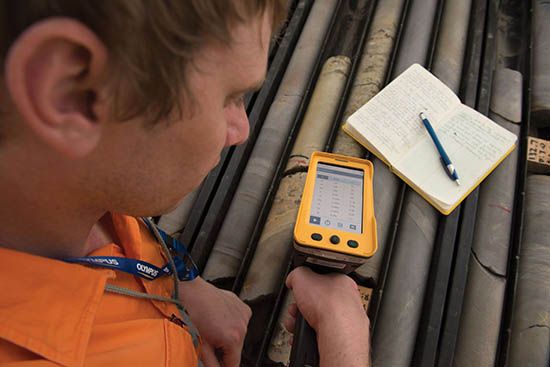 Handheld XRF: ElvaX ProSpector Metal Tester
Metal testing demands speed, accuracy, and portability in environments where laboratory analysis creates...Einzelheiten
Handheld XRF: ElvaX ProSpector Metal Tester
Metal testing demands speed, accuracy, and portability in environments where laboratory analysis creates...Einzelheiten