
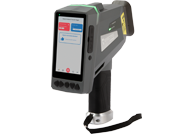
XRF Analyzer: Portable Metal Composition Tester
What Makes Portable XRF Analyzers Essential
Portable XRF analyzers, also known as handheld XRF or HHXRF devices, pack complete spectroscopic systems into instruments weighing just 1.2-1.8 kilograms. Despite their compact size, these analyzers incorporate miniature X-ray tubes, high-performance silicon drift detectors (SDD), sophisticated signal processing electronics, and powerful analytical software—all operating on rechargeable batteries providing 8-12 hours of continuous field use.
The portability eliminates traditional barriers between samples and analysis. Instead of cutting specimens, transporting them to distant laboratories, and waiting days for results, technicians simply position the analyzer against materials and receive complete elemental composition within seconds. This instant feedback transforms quality control workflows, enabling 100% inspection rates, immediate acceptance decisions, and real-time problem-solving that keeps operations moving efficiently.
Modern portable XRF metal testers analyze elements from magnesium (atomic number 12) through uranium (92), detecting and quantifying dozens of elements simultaneously. Analysis times range from 2-5 seconds for rapid alloy grade identification to 30-60 seconds for comprehensive compositional analysis including trace elements. The non-destructive nature preserves samples completely intact—no drilling, cutting, or surface damage—making portable XRF ideal for testing finished products, expensive components, and installed equipment.
Core Capabilities for Metal Testing
Comprehensive Alloy Identification
Portable XRF analyzers excel at rapid alloy grade identification across all metal families. The devices identify stainless steels (300 series austenitic, 400 series ferritic, duplex grades), aluminum alloys (2xxx, 5xxx, 6xxx, 7xxx series), titanium alloys, copper alloys (brasses, bronzes), nickel-based superalloys (Inconel, Hastelloy, Monel), tool steels, and specialty alloys within seconds.
Built-in alloy grade libraries containing thousands of international standards (ASTM, EN, JIS, GB) automatically compare measured compositions against specifications. When the analyzer detects iron 68%, chromium 18%, nickel 10%, and molybdenum 2.5%, it instantly identifies the material as stainless steel grade 316L and displays this result on the touchscreen.
This rapid grade identification prevents costly material mix-ups in manufacturing and construction. Receiving inspectors verify that delivered materials match purchase orders and certifications. Fabricators confirm they're using correct alloys before expensive machining operations. Welders check filler metal grades before starting critical joints. The instant verification saves time, reduces errors, and prevents problems before they impact production.
Precise Elemental Composition
Beyond grade identification, portable XRF analyzers measure precise elemental percentages for all detectable elements. Analysis reveals iron at 68.3%, chromium at 18.1%, nickel at 10.2%, molybdenum at 2.6%—providing complete compositional profiles that support quality control, failure analysis, and materials engineering applications.
Detection accuracy typically reaches 0.1-0.3% for major elements (concentrations above 1%) and 10-100 ppm for trace elements depending on the element and matrix. This precision enables verification against tight specifications, detection of compositional drift during production, and identification of trace contaminants affecting material properties.
The multi-element capability simultaneously measures 20-40 elements from a single analysis. Users receive complete compositional data including alloying elements (chromium, nickel, molybdenum, copper, manganese) plus trace constituents (sulfur, phosphorus, nitrogen proxies) and potential contaminants—comprehensive information supporting informed material decisions.
Key Applications in Metal Industries
Positive Material Identification (PMI)
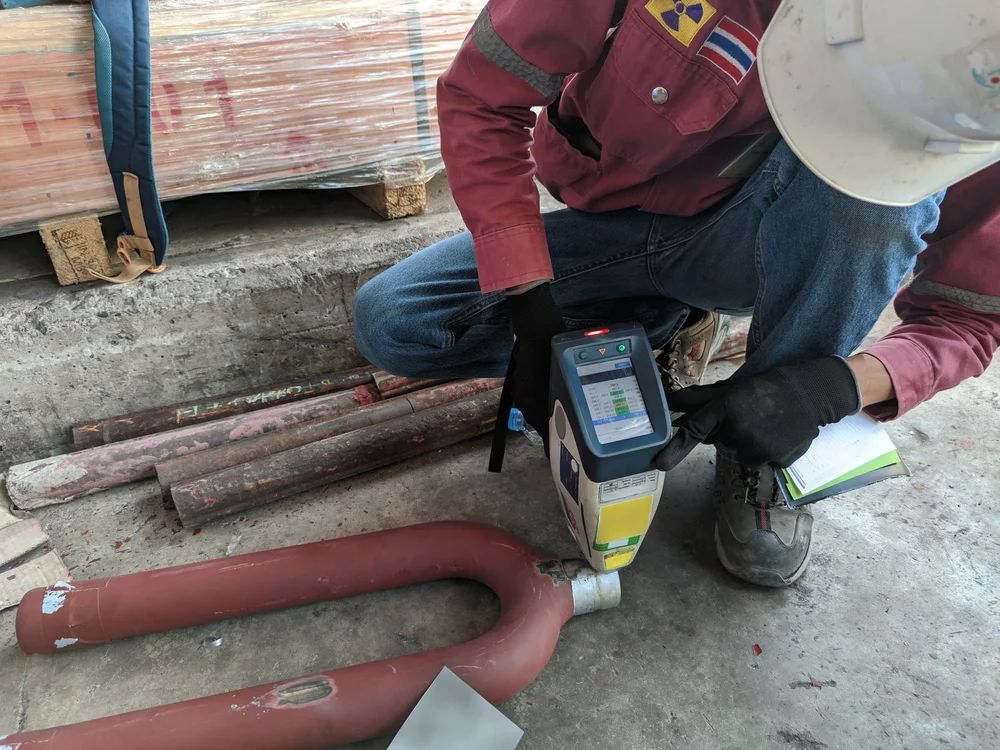
PMI represents the most widespread application for portable XRF metal analyzers. Industrial facilities—oil and gas plants, chemical processing, power generation, pharmaceutical manufacturing—implement PMI programs to verify that piping, pressure vessels, heat exchangers, and structural components use specified corrosion-resistant alloys capable of withstanding service conditions.
Inspectors test thousands of components during construction and maintenance, documenting that actual materials match engineering specifications and fabrication records. This comprehensive verification prevents catastrophic failures caused by material mix-ups, such as carbon steel installed where stainless steel is required, or insufficient alloy grades compromising safety margins.
Portable XRF's field mobility makes PMI practical on large industrial sites where components exist in place—elevated piping systems, installed vessels, underground utilities. Inspectors carry analyzers throughout facilities, testing components wherever they exist without disassembly or sampling.
Scrap Metal Sorting and Recycling
The scrap metal industry depends on portable XRF for profitable material segregation. Different alloy families command vastly different market values—stainless steels, aluminum alloys, copper alloys, titanium, and exotic superalloys each have distinct pricing. Accurate sorting directly impacts recycling facility revenues.
Operators equipped with handheld XRF analyzers rapidly test mixed scrap, identifying specific grades and segregating materials into homogeneous lots. Analysis speed enables testing hundreds or thousands of pieces per shift, maximizing sorting efficiency and material value. The technology distinguishes similar-looking alloys that visual inspection cannot differentiate—separating stainless 304 from 316, or aluminum 6061 from 6063.
This precision sorting reduces contamination in recycled feedstocks, improves material recovery rates, and commands premium prices for properly segregated, certified scrap. The investment in portable XRF analyzers typically recovers within months through increased material revenues and prevented losses from incorrectly sorted scrap.
Manufacturing Quality Control
Manufacturing facilities integrate portable XRF into quality assurance programs at multiple production stages. Incoming material inspection verifies raw material chemistry before processing begins. In-process testing confirms correct material selection during fabrication. Final inspection certifies finished products meet specifications before shipping.
The portability enables testing directly on production floors without transporting samples to laboratories. Machine shops verify bar stock before machining expensive aerospace components. Foundries test castings immediately after cooling. Fabricators inspect welded assemblies in place. This on-site capability eliminates laboratory turnaround delays, supporting lean manufacturing principles and just-in-time production.
Documentation features automatically generate test reports, record results in databases, and link measurements to batch numbers for full traceability. This comprehensive quality documentation supports ISO certification, customer audits, and regulatory compliance requirements.
Mining and Geological Exploration
Mining companies use portable XRF analyzers for ore grade control and resource estimation. Geologists test rock samples and drill cores in the field, generating immediate geochemical data that guides exploration drilling and resource modeling. The real-time results allow tactical adjustments to exploration strategies based on detected mineralization patterns.
Production operations employ portable XRF to distinguish ore from waste rock during mining, optimizing resource recovery and controlling processing costs. Environmental monitoring uses the technology to assess tailings and rehabilitated mine sites for potential contaminants, supporting responsible resource development.
Advanced Features Enhancing Performance
Superior Detector Technology
Modern portable XRF analyzers incorporate silicon drift detectors (SDD) achieving energy resolution around 125-140 eV—superior performance that clearly separates closely-spaced spectral peaks for accurate element identification. The excellent resolution minimizes spectral interferences and improves quantification accuracy in complex multi-element alloys.
High count rate capability exceeding 100,000-500,000 counts per second enables rapid analysis without sacrificing precision. The faster detection accumulates sufficient counting statistics for reliable results in shorter timeframes, increasing testing throughput and operational efficiency.
Rugged Design for Field Reliability
Portable XRF analyzers withstand harsh industrial environments through ruggedized construction. Drop-resistant housings protect sensitive electronics from impacts. Sealed designs with IP54 or IP55 ratings resist dust and moisture ingress. Operating temperature ranges from -20°C to +50°C accommodate extreme conditions from arctic winters to desert summers.
The robust design ensures reliable operation in construction sites, scrap yards, mining operations, and industrial facilities where conditions challenge delicate instruments. Field-proven durability minimizes downtime and repair costs while maximizing analyzer availability when and where testing is needed.
User-Friendly Operation
Intuitive touchscreen interfaces with icon-based menus make portable XRF analyzers accessible to operators without specialized training. Point-and-shoot operation requires simply positioning the analyzer against the sample and pressing the trigger button. Results display immediately in clear, easy-to-understand formats showing alloy grades, elemental percentages, and pass/fail status.
Built-in cameras photograph test locations, automatically linking images to analytical results for complete documentation. GPS tagging records where measurements occurred—valuable for construction PMI programs tracking component positions across large facilities. Wireless connectivity (WiFi, Bluetooth) enables data transfer to computers, tablets, or cloud storage for reporting and quality management systems.
Long Battery Life and Power Management
High-capacity lithium-ion batteries (7,000-27,000 mAh depending on model) provide extended field operation between charges. Standard batteries support 8-12 hours of continuous testing—a full work shift without recharging. Optional high-capacity batteries extend operation to 2-3 days for remote locations without power access.
Intelligent power management optimizes battery life by adjusting X-ray tube output and detector settings based on measurement requirements. Hot-swappable batteries allow continuing work while depleted batteries charge, ensuring uninterrupted operation during high-volume testing campaigns.
Selecting the Right Portable XRF Analyzer
Choose portable XRF analyzers based on primary applications and testing requirements. Metal analysis models optimize calibrations and detector configurations for alloy identification and compositional analysis. Precious metals versions focus on gold, silver, and platinum purity testing. Mining/geological instruments emphasize light element detection and ore-forming minerals.
Evaluate detector quality—silicon drift detectors deliver superior performance justifying modest cost premiums. Consider operational environment—select rugged designs with appropriate environmental ratings for harsh field conditions. Assess software features including grade libraries, custom calibration capabilities, reporting options, and data management tools.
Request field demonstrations using your actual samples and materials. Testing real-world applications reveals whether the analyzer meets performance expectations and operational requirements. Verify manufacturer support including training, calibration services, certification programs, and technical assistance ensuring long-term success.
Conclusion
Portable XRF analyzers have transformed metal composition testing from a laboratory-bound process requiring days into instant field verification delivering results in seconds. These sophisticated handheld instruments combine advanced X-ray fluorescence technology with rugged portability, user-friendly operation, and comprehensive analytical capabilities that support critical decision-making across industries.
The ability to test metals exactly where they exist—on construction sites, production floors, scrap yards, or remote mining locations—eliminates logistical delays and enables real-time quality control that prevents errors, ensures compliance, and optimizes operations. Whether performing positive material identification on industrial facilities, sorting valuable scrap metals, verifying manufacturing quality, or exploring mineral resources, portable XRF analyzers deliver the accurate, immediate compositional data that modern metal industries demand.
As technology advances with improved detectors, enhanced software, longer battery life, and expanded capabilities, portable XRF metal composition testers continue expanding their role as essential tools for quality assurance, material verification, and operational excellence. The investment in portable XRF technology returns value through prevented errors, accelerated workflows, improved material utilization, and the confidence that comes from knowing exactly what metals you're working with—instantly, accurately, and wherever decisions need to be made.
Related posts
-
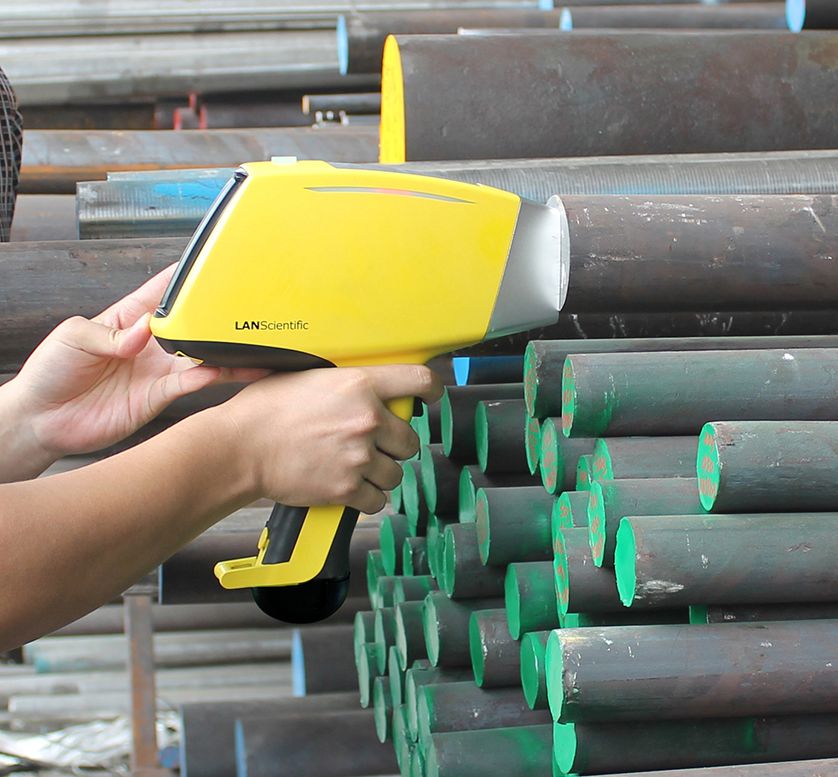 XRF Fluorescence Analyzer: Material Testing Device
XRF fluorescence analyzers stand as versatile material testing devices that revolutionize how industries analyze...Einzelheiten
XRF Fluorescence Analyzer: Material Testing Device
XRF fluorescence analyzers stand as versatile material testing devices that revolutionize how industries analyze...Einzelheiten -
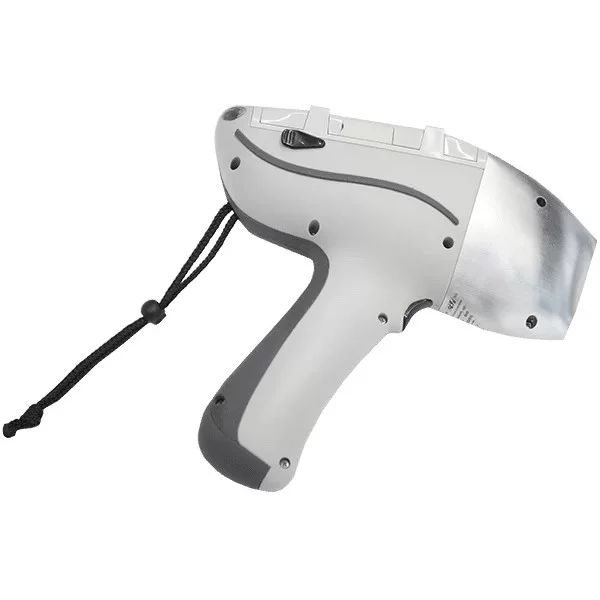 Handheld XRF Analyzer: ElvaX ProSpector Metal Scanner
The ElvaX ProSpector represents a cutting-edge advancement in handheld XRF analyzer technology, combining...Einzelheiten
Handheld XRF Analyzer: ElvaX ProSpector Metal Scanner
The ElvaX ProSpector represents a cutting-edge advancement in handheld XRF analyzer technology, combining...Einzelheiten -
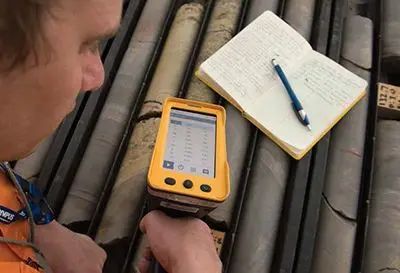 Handheld XRF Analyser: Fast Alloy Composition Testing
Speed and accuracy define modern alloy composition testing, and handheld XRF analysers deliver both in portable...Einzelheiten
Handheld XRF Analyser: Fast Alloy Composition Testing
Speed and accuracy define modern alloy composition testing, and handheld XRF analysers deliver both in portable...Einzelheiten -
 Portable XRF Analyzer: Metalworking Field Testing
Metalworking demands speed and precision—materials arrive, parts get fabricated, components are installed, all on...Einzelheiten
Portable XRF Analyzer: Metalworking Field Testing
Metalworking demands speed and precision—materials arrive, parts get fabricated, components are installed, all on...Einzelheiten -
 Buy XRF Analyzer: ElvaX ProSpector 2026 Prices
Investing in a handheld XRF analyzer represents a significant commitment for any organization, and understanding...Einzelheiten
Buy XRF Analyzer: ElvaX ProSpector 2026 Prices
Investing in a handheld XRF analyzer represents a significant commitment for any organization, and understanding...Einzelheiten