
Portable XRF Analyzer: Metalworking Field Testing
Understanding Portable XRF Technology
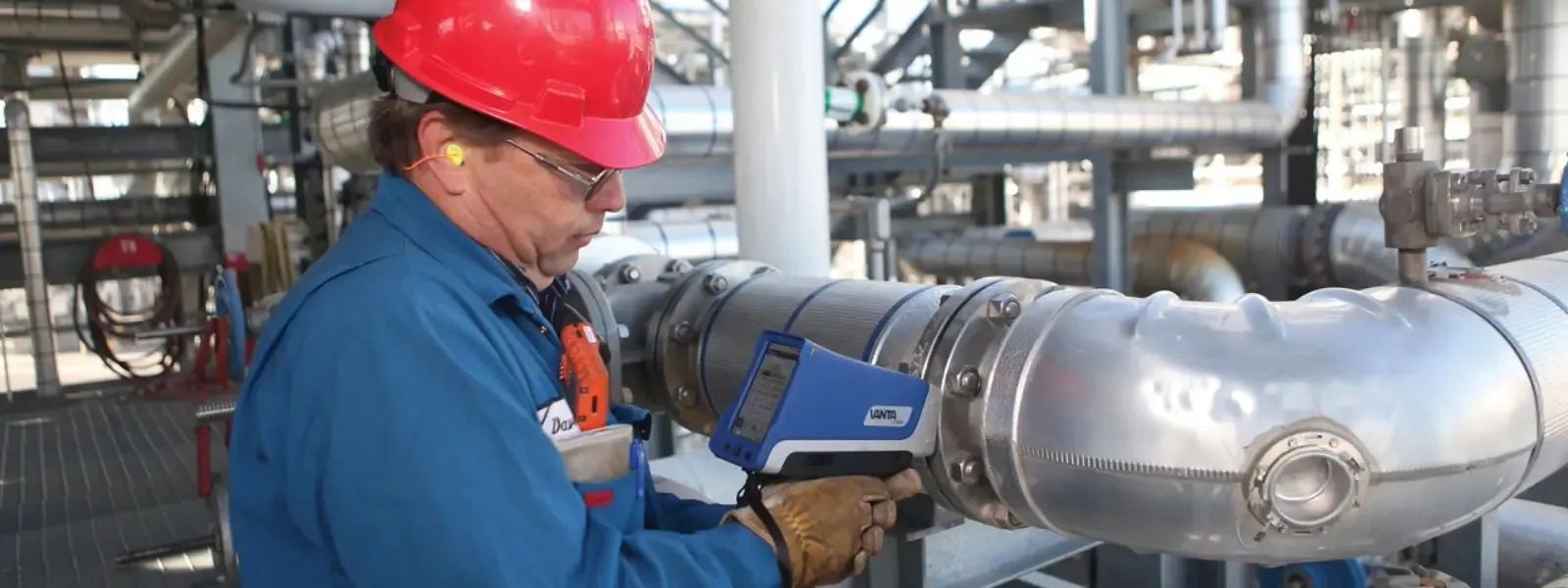
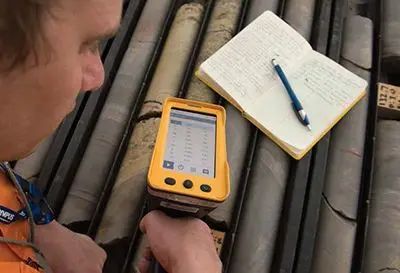
A portable XRF analyzer is a handheld device that uses X-ray fluorescence spectroscopy to identify elements in metals and measure their concentrations within seconds. The technology works by directing X-rays at a metal surface, causing atoms to emit characteristic fluorescent X-rays that reveal elemental composition. The analyzer's detector measures these emissions and sophisticated software interprets the data, displaying results as elemental percentages and identifying specific alloy grades.
This non-destructive testing method preserves samples completely intact—no cutting, drilling, or surface damage occurs. After scanning, components return immediately to production, making portable XRF ideal for testing finished products, expensive parts, and installed equipment. The portability eliminates traditional barriers between samples and analysis, transforming material verification from a laboratory process into instant field testing.
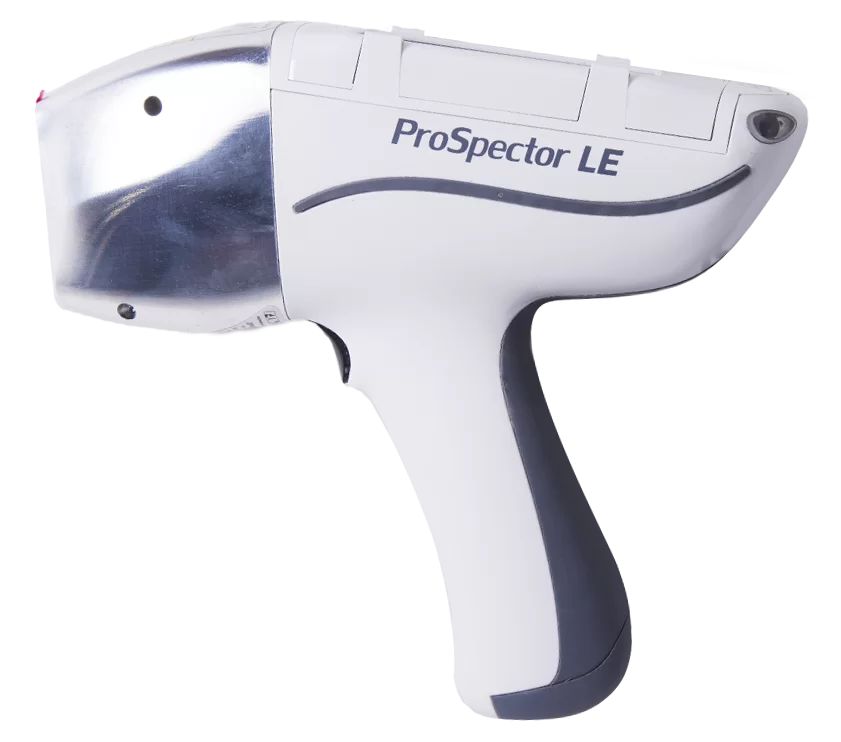
Modern portable XRF analyzers weigh just 1.2-1.8 kilograms and operate on rechargeable batteries providing 8-12 hours of continuous field use. Despite compact size, these instruments incorporate miniature X-ray tubes, high-performance silicon drift detectors, advanced signal processing, and powerful analytical software—complete spectroscopic systems in handheld packages.
Why Metalworking Needs Field Testing
Material control challenges plague metalworking operations daily. Mixed materials on storage racks, unlabeled components after surface treatment, supplier substitutions, and parts swapped during maintenance create constant risk of using wrong alloys. A single material mix-up can trigger expensive rework, project delays, or catastrophic failures in critical applications.
Traditional laboratory testing creates bottlenecks—cutting samples, shipping to labs, waiting days for results. By the time incorrect material is identified, it may already be machined, welded, or installed. Portable XRF eliminates these delays by enabling instant verification at every stage: receiving inspection, fabrication, welding, assembly, and final quality control.
The field testing capability supports traceability requirements in regulated industries. Documentation captured during portable XRF testing creates quality records proving that correct materials were used throughout manufacturing and construction. This comprehensive verification prevents problems before they become expensive failures.
Remarkable Analysis Speed
Speed defines portable XRF's value in metalworking field testing. Alloy grade identification completes in just 2-5 seconds for most common metals—fast enough to scan hundreds of components per shift without slowing production. This rapid screening enables 100% inspection rates rather than statistical sampling, dramatically improving quality assurance.
Comprehensive quantitative analysis measuring precise elemental percentages typically requires 10-30 seconds depending on accuracy requirements and elements of interest. Even these extended measurements represent dramatic acceleration compared to laboratory methods consuming hours or days. The speed comes from advanced detector technology processing hundreds of thousands of X-ray photons per second, rapidly accumulating statistically reliable data.
Operators select analysis modes balancing speed against precision. Quick sorting modes deliver instant grade identification for high-throughput applications like scrap sorting or incoming material screening. Precision modes extend measurement time for applications demanding certified accuracy or trace element detection. This flexibility adapts portable XRF to diverse metalworking requirements.
Critical Metalworking Applications
Incoming Material Verification
Receiving inspection represents the highest-value moment for material testing. Scanning delivered alloys immediately upon arrival confirms materials match purchase specifications before entering inventory. This early detection prevents incorrect materials from contaminating stock and triggering downstream waste.
Quick XRF verification at receiving docks enables instant accept-reject decisions. Correct materials proceed to inventory and production. Incorrect shipments return to suppliers before unloading, avoiding the cost and confusion of mixed inventory. This quality gate protects entire manufacturing operations from material errors.
Fabrication and Welding Support
Fabrication shops use portable XRF to verify base metal grades before cutting, machining, or welding begins. When surface treatments remove identification markings, XRF restores material traceability instantly. This capability proves essential when multiple alloy grades exist in the same facility—preventing expensive machining of wrong materials or welding incompatible alloys.
Weld procedure qualification and production welding benefit from portable XRF verification. Confirming filler metal chemistry before starting critical joints prevents costly weld failures. Testing completed welds in heat-affected zones ensures proper metallurgy throughout fabricated assemblies.
Maintenance and Turnaround PMI
Industrial facilities implement Positive Material Identification programs during maintenance shutdowns to verify that replacement components match specified alloys. Portable XRF enables in-place testing of installed piping, pressure vessels, heat exchangers, and structural elements without disassembly or destructive sampling.
The field mobility proves essential during time-critical turnarounds where every hour of downtime costs thousands. Inspectors carry analyzers throughout facilities testing components wherever they exist—elevated piping systems, confined spaces, outdoor installations. This accessibility enables comprehensive PMI programs verifying thousands of components during limited shutdown windows.
Scrap Metal Sorting and Recycling
Scrap recycling profitability depends on accurate alloy segregation. Portable XRF enables rapid sorting distinguishing stainless steel grades, separating nickel alloys from stainless look-alikes, identifying copper alloy families, and confirming titanium and specialty metals. The speed enables operators to test hundreds or thousands of pieces per shift, maximizing throughput while improving sorting accuracy.
Proper segregation dramatically impacts material value. Stainless steel 316 containing molybdenum commands higher prices than 304. Nickel alloys fetch premium rates. Contamination from mixed grades reduces entire lot values. Portable XRF prevents these losses by enabling precise, rapid classification at scrap yard speeds.
Alloy Coverage and Capabilities
Portable XRF analyzers identify and quantify elements from magnesium through uranium, covering all commercially significant alloying elements. For metalworking applications, this includes the critical elements defining alloy grades: chromium, nickel, molybdenum, manganese, copper, titanium, vanadium, niobium, tungsten, and cobalt.
Stainless steel testing distinguishes austenitic grades like 304, 316, and 321; ferritic grades including 430 and 409; duplex stainless steels; and precipitation-hardening varieties. The analyzers measure iron as base element plus all alloying additions, providing complete compositional profiles that enable accurate grade identification.
Aluminum alloy analysis identifies wrought series by characteristic alloying patterns—2xxx copper-bearing aerospace alloys, 5xxx magnesium-bearing marine grades, 6xxx magnesium-silicon extrusion alloys, and 7xxx high-strength zinc-bearing compositions. Cast aluminum alloys with higher silicon receive reliable identification.
Titanium grades including commercially pure titanium and alloys like Ti-6Al-4V undergo accurate testing. Copper alloys—brasses, bronzes, cupronickel—separate by measuring copper content and alloying additions. Nickel-based superalloys, cobalt alloys, tool steels, and specialty compositions all receive rapid field identification.
Best Practices for Accurate Results
Surface preparation significantly impacts portable XRF accuracy. Clean test spots by removing dirt, oil, paint, and heavy oxidation. Wire brushing or light grinding exposes fresh metal, ensuring representative measurements. Coatings and plating can distort results—always test base metal when alloy identification is critical.
Choose flat, stable surfaces for testing. Curved surfaces, edges, and gaps allow X-rays to escape, reducing signal quality and accuracy. Position the analyzer firmly against samples, ensuring good contact throughout measurement. Test multiple locations on castings, weld zones, or heterogeneous materials to verify compositional uniformity.
Select appropriate analysis modes for each application. Fast sorting modes deliver quick grade identification for screening and classification. Precision modes with extended measurement times provide certified accuracy for quality control documentation and compliance verification. Understanding when each mode is appropriate optimizes both speed and reliability.
Document every test comprehensively. Record part identification, heat or lot numbers when available, test locations, measurement results, and any surface preparation performed. This documentation creates quality records supporting traceability requirements and regulatory compliance. Modern portable XRF analyzers automate much of this documentation through built-in data storage and wireless connectivity.
Understanding Limitations
Portable XRF performs near-surface analysis, typically measuring 10-100 micrometers deep depending on material density. Surface contamination, oxidation, or coatings within this measurement depth affect results. Always prepare test surfaces properly for representative analysis of bulk composition.
Light elements below sodium present challenges for standard portable XRF configurations. Carbon, the critical element distinguishing many steel grades, cannot be measured directly by typical field analyzers. When carbon content is specification-critical, complementary techniques like optical emission spectroscopy provide necessary data.
Very tight specifications or trace-level requirements may exceed portable XRF capabilities for field testing. In these situations, use portable XRF as rapid screening tool, then escalate borderline or critical items to laboratory analysis for confirmation. This tiered approach balances speed with accuracy for high-consequence decisions.
Selecting the Right Analyzer
Choose portable XRF analyzers matching your specific metalworking applications and operational requirements. Evaluate alloy grade library coverage—does the instrument recognize grades you actually purchase and fabricate? Comprehensive libraries containing thousands of international standards enable instant grade identification across diverse materials.
Consider analysis speed requirements. High-volume scrap sorting demands maximum speed. Critical component verification justifies extended precision measurements. Select analyzers offering flexible modes accommodating both extremes within single instruments.
Assess durability for your operating environment. Metalworking exposes equipment to dust, vibration, temperature extremes, and physical impacts. Rugged construction with appropriate environmental ratings ensures reliable operation under real-world field conditions.
Evaluate data management capabilities. Can the analyzer export results in formats matching your quality management systems? Wireless connectivity, cloud integration, and automated reporting streamline documentation workflows, reducing manual data entry and improving traceability.
Conclusion
Portable XRF analyzers have transformed metalworking field testing by delivering laboratory-quality alloy identification in seconds rather than days. This dramatic improvement enables real-time material verification at receiving docks, on fabrication floors, during maintenance shutdowns, and in scrap sorting operations. The technology prevents costly material mix-ups, accelerates quality control workflows, improves scrap sorting profitability, and creates comprehensive documentation supporting regulatory compliance.
The combination of speed, accuracy, portability, and non-destructive testing makes portable XRF indispensable for modern metalworking quality assurance. Whether verifying incoming shipments, supporting critical fabrication, implementing comprehensive PMI programs, or maximizing scrap values, portable XRF analyzers provide the instant compositional data that keeps operations moving efficiently while ensuring material quality and traceability.
As detector technology advances and analytical capabilities expand, portable XRF continues growing more powerful and user-friendly. For metalworking organizations committed to quality, efficiency, and preventing expensive material errors, portable XRF analyzers deliver the field testing capabilities essential for competitive success in demanding markets.
Related posts
-
 XRF Analyzer: Portable Metal Composition Tester
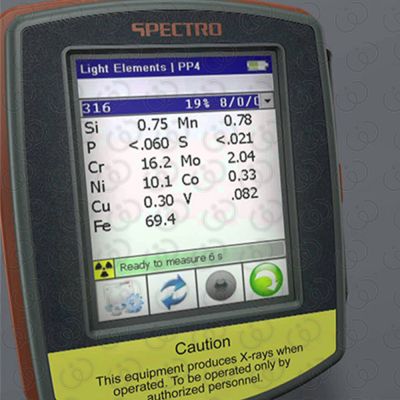
Portable XRF analyzers have revolutionized metal composition testing by delivering laboratory-quality elemental...Einzelheiten
XRF Analyzer: Portable Metal Composition Tester
Portable XRF analyzers have revolutionized metal composition testing by delivering laboratory-quality elemental...Einzelheiten -
 XRF Fluorescence Analyzer: Material Testing Device
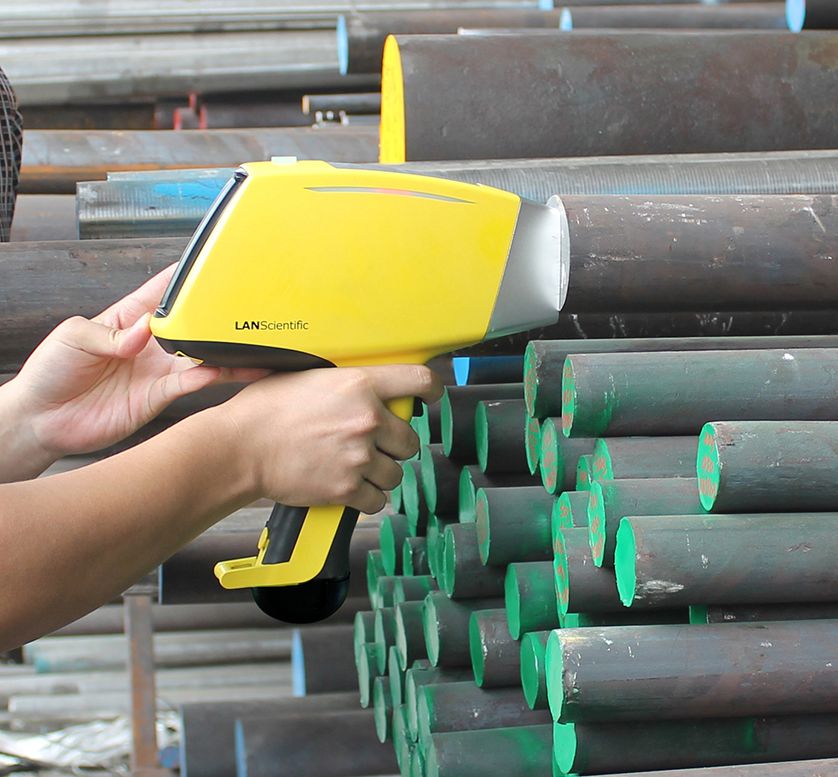
XRF fluorescence analyzers stand as versatile material testing devices that revolutionize how industries analyze...Einzelheiten
XRF Fluorescence Analyzer: Material Testing Device
XRF fluorescence analyzers stand as versatile material testing devices that revolutionize how industries analyze...Einzelheiten -
 Handheld XRF Analyzer: ElvaX ProSpector Metal Scanner
The ElvaX ProSpector represents a cutting-edge advancement in handheld XRF analyzer technology, combining...Einzelheiten
Handheld XRF Analyzer: ElvaX ProSpector Metal Scanner
The ElvaX ProSpector represents a cutting-edge advancement in handheld XRF analyzer technology, combining...Einzelheiten -
 Handheld XRF Analyser: Fast Alloy Composition Testing
Speed and accuracy define modern alloy composition testing, and handheld XRF analysers deliver both in portable...Einzelheiten
Handheld XRF Analyser: Fast Alloy Composition Testing
Speed and accuracy define modern alloy composition testing, and handheld XRF analysers deliver both in portable...Einzelheiten -
 Buy XRF Analyzer: ElvaX ProSpector 2026 Prices
Investing in a handheld XRF analyzer represents a significant commitment for any organization, and understanding...Einzelheiten
Buy XRF Analyzer: ElvaX ProSpector 2026 Prices
Investing in a handheld XRF analyzer represents a significant commitment for any organization, and understanding...Einzelheiten