
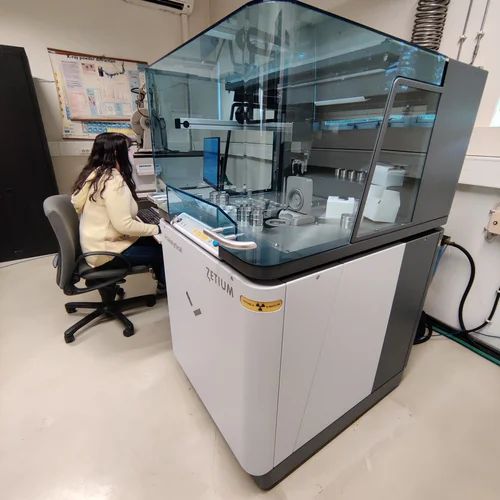
XRF Fluorescence Analyzer: Material Testing Device
Understanding XRF Fluorescence Technology
XRF fluorescence analyzers operate on the fundamental principle of atomic physics: when high-energy X-rays strike a material, they excite atoms within the sample, causing them to emit characteristic fluorescent X-rays. Each element produces fluorescent X-rays at unique, specific energies that serve as elemental fingerprints. The analyzer's detector measures these fluorescent emissions, and sophisticated software identifies which elements are present and calculates their concentrations.
The process begins when the analyzer's X-ray tube generates primary X-rays that irradiate the sample. These high-energy X-rays interact with atoms in the material, ejecting inner-shell electrons. When outer electrons drop down to fill the resulting vacancies, they release energy as fluorescent X-rays with energies characteristic of specific elements. Iron atoms emit fluorescent X-rays at 6.40 keV, copper at 8.05 keV, lead at 10.55 keV—creating unique spectral signatures for every element.
Modern XRF fluorescence analyzers detect elements from sodium (atomic number 11) through uranium (92), covering virtually every element of commercial and scientific interest. Advanced systems with vacuum or helium-atmosphere operation extend capabilities down to lighter elements like fluorine or even beryllium, expanding analytical versatility further.
Material Testing Capabilities
Metals and Alloys Analysis
XRF fluorescence analyzers excel at metal composition testing, identifying alloy grades and measuring precise elemental percentages in stainless steels, aluminum alloys, titanium, copper alloys, nickel-based superalloys, and specialty metals. The technology verifies that materials meet specifications, detects mix-ups, and ensures quality across manufacturing, construction, and recycling operations.
Metal analysis delivers complete compositional profiles including major constituents, alloying elements, and trace impurities. Detection accuracy typically reaches 0.1-0.3% for major elements and 10-100 ppm for traces, supporting stringent quality control requirements in aerospace, automotive, and high-performance applications.
The non-destructive nature enables testing finished products, expensive components, and installed equipment without causing damage. Production facilities test incoming raw materials, in-process components, and finished parts—ensuring quality at every manufacturing stage without creating scrap.
Geological Materials and Minerals
Mining and geological applications employ XRF fluorescence analyzers to determine ore grades, identify minerals, and characterize geological samples. The technology measures valuable metals (gold, silver, copper, zinc, rare earth elements) plus gangue minerals and rock-forming elements, supporting exploration programs and resource estimation.
Portable XRF analyzers enable field geologists to analyze rock outcrops and drill cores on-site, generating immediate geochemical data that guides exploration decisions. This real-time capability optimizes drilling programs, reduces laboratory costs, and accelerates resource discovery.
Quality control in mineral processing uses XRF to monitor ore grades, control flotation circuits, and verify concentrate compositions—ensuring efficient extraction and maximizing metal recovery.
Environmental Materials
Environmental testing employs XRF fluorescence analyzers to detect heavy metal contaminants in soils, sediments, water particulates, and air samples. The technology identifies and quantifies hazardous elements like lead, arsenic, mercury, cadmium, and chromium at concentrations relevant to environmental regulations and health standards.
Portable analyzers enable rapid site screening during environmental investigations, contaminated site remediation, and brownfield redevelopment. Testing hundreds of locations across sites creates detailed contamination maps that guide cleanup strategies and verify remediation effectiveness.
The speed and non-destructive nature support high-volume environmental monitoring programs where traditional laboratory analysis would be cost-prohibitive. Results within minutes enable same-day decision-making that keeps remediation projects moving efficiently.
Polymers and Plastics
The plastics industry uses XRF fluorescence analyzers primarily for detecting heavy metal additives, pigments, and contaminants. RoHS (Restriction of Hazardous Substances) compliance testing identifies restricted elements—lead, cadmium, mercury, hexavalent chromium—ensuring consumer products and electronics meet regulatory requirements.
Recycling operations sort plastic waste streams by analyzing inorganic additives and fillers. Quality control verifies that plastic compounds contain intended pigments, flame retardants, and stabilizers at specified concentrations. The rapid, non-destructive testing supports high-throughput production environments.
Ceramics, Glass, and Building Materials
Ceramic and glass manufacturers employ XRF to control raw material chemistry and verify finished product compositions. The technology measures major oxides (SiO₂, Al₂O₃, CaO, Na₂O, K₂O) plus minor constituents and colorant elements, ensuring products meet optical, mechanical, and chemical property specifications.
Cement production relies heavily on XRF for raw material blending and clinker analysis. Rapid turnaround (5-10 minutes per sample) supports real-time process control, optimizing product quality while minimizing energy consumption. Construction material testing verifies that concrete, aggregates, and building products meet composition standards.
Key Advantages for Material Testing
Non-Destructive Preservation
XRF fluorescence analysis leaves materials completely intact and undamaged. Unlike wet chemistry requiring dissolution, or destructive techniques like spark emission that vaporize sample material, XRF testing preserves samples for additional testing, archiving, or use. This non-destructive capability makes XRF ideal for testing valuable materials, finished products, archaeological artifacts, and irreplaceable samples.
The X-ray beam penetrates only 10-100 micrometers into sample surfaces depending on material density—deep enough for representative analysis but shallow enough to avoid affecting bulk material properties. After testing, materials proceed directly to their intended use without any quality impact.
Rapid Results Support Fast Decisions
XRF fluorescence analyzers deliver complete multi-element analysis in seconds to minutes, compared to hours or days for many traditional analytical methods. This speed transforms material testing workflows, enabling real-time quality control, immediate acceptance decisions, and rapid problem-solving.
Manufacturing operations test incoming materials instantly upon delivery, preventing incorrect materials from entering production. Field inspectors verify materials on construction sites without waiting for laboratory results. Recycling facilities sort thousands of items per shift based on immediate compositional data. The rapid turnaround eliminates delays and keeps operations flowing efficiently.
Minimal Sample Preparation
Most XRF material testing requires minimal sample preparation—often just ensuring a clean, representative test surface. Solid samples, powders, liquids in specialized cells, and thin films all undergo analysis with little preparation. This simplicity reduces labor, eliminates preparation errors, and accelerates testing workflows.
Contrast this with wet chemistry requiring extensive dissolution, filtration, and dilution procedures, or other techniques demanding specialized sample preparation. XRF's simplicity makes testing accessible to operators without specialized laboratory training while reducing reagent costs and waste generation.
Multi-Element Comprehensive Analysis
A single XRF measurement simultaneously detects and quantifies 20-40 elements spanning major constituents through trace impurities. This comprehensive capability eliminates the need for multiple tests using different techniques, saving time and resources while providing complete material characterization.
Understanding full elemental profiles supports quality control (verifying all elements meet specifications), failure analysis (identifying unexpected contaminants), and materials development (optimizing compositions for performance). The complete data from single measurements increases analytical efficiency dramatically.
Portable vs. Benchtop Analyzers
Handheld Portable Analyzers
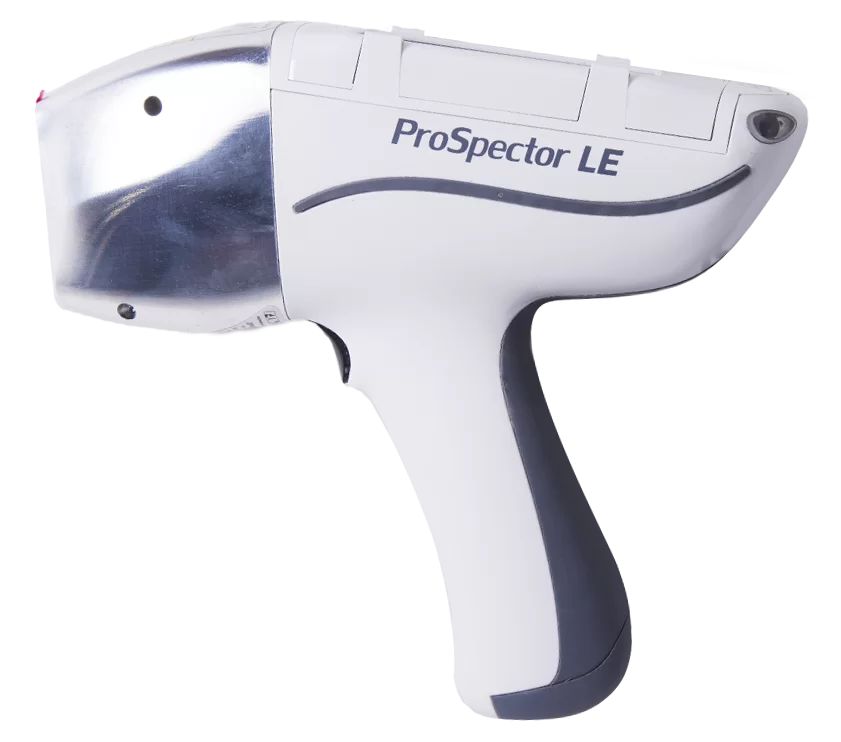
Portable XRF fluorescence analyzers bring laboratory capabilities to field locations, fitting complete spectroscopic systems into instruments weighing 1.2-1.8 kilograms. Battery operation provides 8-12 hours of continuous field use, enabling on-site material testing wherever samples exist—construction sites, scrap yards, mining exploration, environmental sites, manufacturing floors.
The portability eliminates sample transport logistics and laboratory turnaround delays, providing instant results that support immediate decisions. Testing large structures, installed equipment, or materials impossible to transport becomes practical. The rugged construction withstands harsh industrial environments while delivering reliable analytical performance.
Benchtop Laboratory Systems
Benchtop XRF analyzers provide enhanced analytical performance for controlled laboratory environments. Higher-power X-ray sources, superior detector systems, precise sample positioning, and vacuum or helium-atmosphere operation deliver better detection limits, improved light element capabilities, and superior accuracy compared to portable units.
Laboratory systems accommodate diverse sample types and sizes, support automated sample changing for high-throughput testing, and offer comprehensive calibration development tools. The stable, controlled conditions enable long-term reproducibility essential for quality certification and regulatory compliance applications.
Selecting the Right XRF Analyzer
Choose XRF fluorescence analyzers based on material types, testing environment, required performance, and application demands. Portable analyzers suit field testing, on-site verification, and applications requiring mobility. Benchtop systems provide laboratory precision for diverse materials, trace element detection, and high-volume testing.
Consider elemental range requirements—standard systems analyze sodium through uranium, while light element capability (fluorine, oxygen, nitrogen proxies) may require vacuum operation. Evaluate detection limit needs—routine quality control typically succeeds with 0.1% sensitivity, while trace contamination detection demands ppm-level capabilities.
Assess manufacturer support including application-specific calibrations, training programs, certification services, and technical assistance. Quality XRF analyzers provide decades of reliable service with proper maintenance, making equipment selection a significant long-term investment in analytical capabilities.
Conclusion
XRF fluorescence analyzers have established themselves as indispensable material testing devices across industries through their unique combination of non-destructive analysis, rapid results, multi-element capabilities, and exceptional versatility. These sophisticated instruments analyze virtually any material—metals, minerals, plastics, ceramics, environmental samples, and countless others—delivering accurate compositional data that supports quality control, regulatory compliance, materials research, and operational decision-making.
The technology's evolution from laboratory-bound systems to portable field instruments has democratized elemental analysis, bringing sophisticated testing capabilities directly to where materials exist. Whether verifying metal alloys on construction sites, monitoring environmental contamination, controlling manufacturing quality, or exploring mineral resources, XRF fluorescence analyzers provide the immediate, accurate material characterization that modern industries demand.
As detector technology advances, software capabilities expand, and new applications emerge, XRF fluorescence analyzers continue growing more powerful, user-friendly, and accessible. The fundamental advantage remains constant: the ability to answer the critical question "what is this material made of?" instantly, accurately, and without damage—wherever and whenever that question needs answering. For organizations committed to quality, compliance, and operational excellence, XRF fluorescence analyzers deliver the material testing capabilities essential for success in today's competitive, regulated, quality-focused environment.
Related posts
-
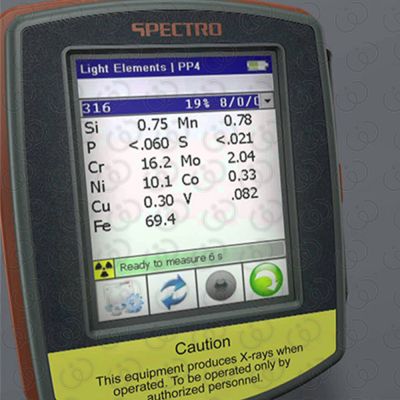 XRF Analyzer: Portable Metal Composition Tester
Portable XRF analyzers have revolutionized metal composition testing by delivering laboratory-quality elemental...Einzelheiten
XRF Analyzer: Portable Metal Composition Tester
Portable XRF analyzers have revolutionized metal composition testing by delivering laboratory-quality elemental...Einzelheiten -
 Handheld XRF Analyzer: ElvaX ProSpector Metal Scanner
The ElvaX ProSpector represents a cutting-edge advancement in handheld XRF analyzer technology, combining...Einzelheiten
Handheld XRF Analyzer: ElvaX ProSpector Metal Scanner
The ElvaX ProSpector represents a cutting-edge advancement in handheld XRF analyzer technology, combining...Einzelheiten -
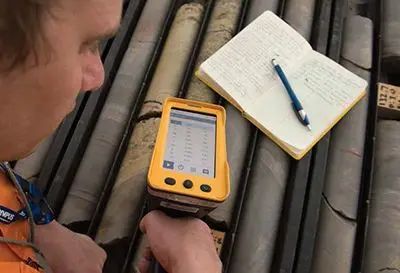 Handheld XRF Analyser: Fast Alloy Composition Testing
Speed and accuracy define modern alloy composition testing, and handheld XRF analysers deliver both in portable...Einzelheiten
Handheld XRF Analyser: Fast Alloy Composition Testing
Speed and accuracy define modern alloy composition testing, and handheld XRF analysers deliver both in portable...Einzelheiten -
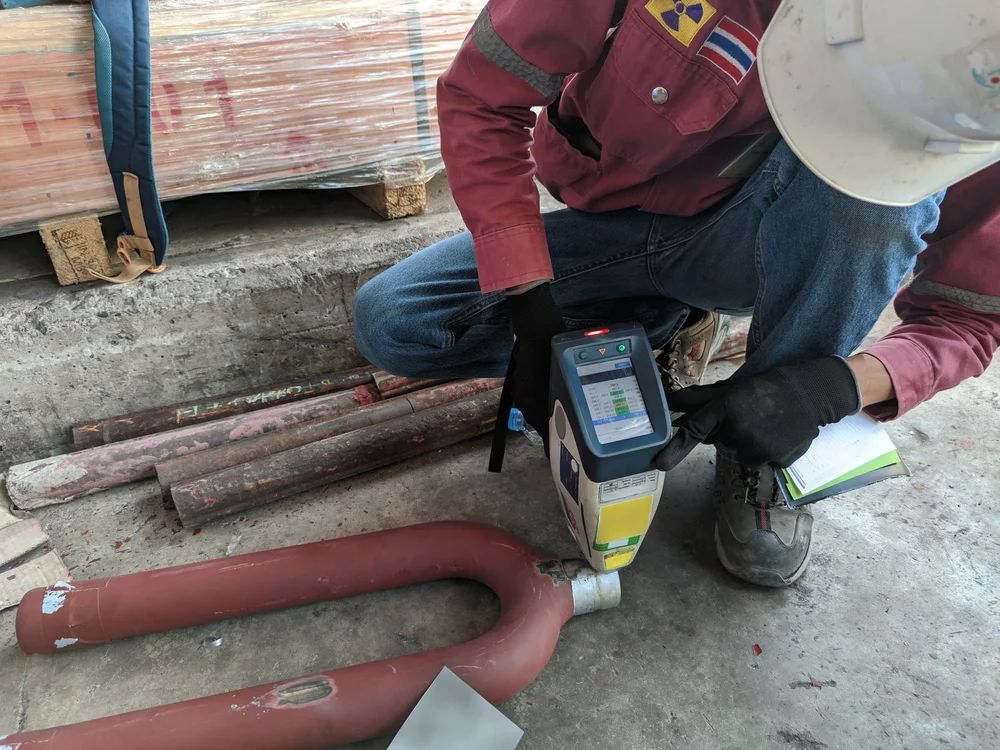 Portable XRF Analyzer: Metalworking Field Testing
Metalworking demands speed and precision—materials arrive, parts get fabricated, components are installed, all on...Einzelheiten
Portable XRF Analyzer: Metalworking Field Testing
Metalworking demands speed and precision—materials arrive, parts get fabricated, components are installed, all on...Einzelheiten -
 Buy XRF Analyzer: ElvaX ProSpector 2026 Prices
Investing in a handheld XRF analyzer represents a significant commitment for any organization, and understanding...Einzelheiten
Buy XRF Analyzer: ElvaX ProSpector 2026 Prices
Investing in a handheld XRF analyzer represents a significant commitment for any organization, and understanding...Einzelheiten