
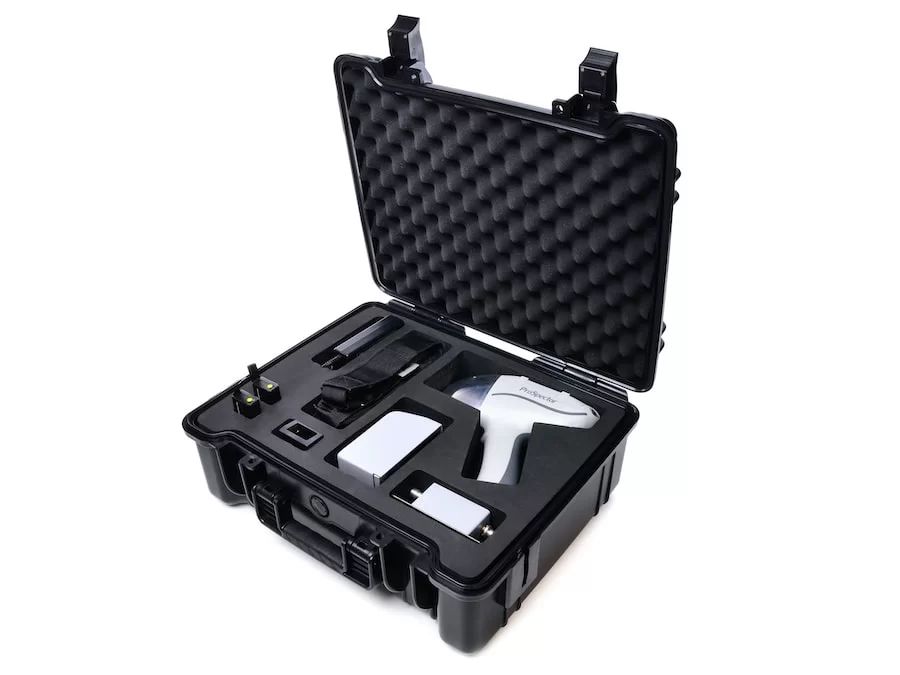
Buy XRF Analyzer: ElvaX ProSpector 2026 Prices
ElvaX ProSpector Model Range and Pricing Overview
The ElvaX ProSpector family includes several models designed for different application requirements and budget considerations. Understanding the distinctions between models helps identify which configuration matches your analytical needs and investment capacity.
The ProSpector 2 represents the established, time-tested platform offering reliable performance for standard alloy analysis, metal sorting, and quality control applications. This model has proven itself across thousands of installations worldwide, delivering consistent results in demanding field environments. Entry-level ProSpector 2 configurations typically start in the low-to-mid twenties price range, positioning them competitively against other professional handheld XRF analyzers.
The ProSpector 3 represents the next-generation platform incorporating advanced detector technology, enhanced processing power, and improved user interface. This model achieves the distinction of being among the smallest and lightest handheld XRF analyzers available, weighing approximately 1.05 kilograms with battery—significantly lighter than many competing instruments. The compact design doesn't compromise performance; advanced electronics deliver count rates exceeding 350,000 counts per second, enabling faster analysis and improved precision. ProSpector 3 pricing typically falls in the mid-twenties to low-thirties range depending on configuration and included features.
Custom configurations optimized for specific applications—precious metals analysis, mining and exploration, environmental testing, or specialized industrial requirements—carry pricing reflecting the tailored calibrations, software packages, and accessories included. These application-specific packages often deliver better value than building custom configurations component-by-component.
What Influences XRF Analyzer Pricing
Detector Technology and Performance
Detector quality represents the single largest factor determining XRF analyzer capabilities and cost. Silicon drift detectors with superior energy resolution, high count rate capacity, and optimized detection efficiency command premium pricing but deliver dramatically better analytical performance. The difference between standard and high-performance detectors affects analysis speed, detection limits, spectral resolution, and ultimately the reliability of results in challenging applications.
ProSpector analyzers incorporate advanced SDD technology balancing performance with cost-effectiveness. The detector specifications directly impact how quickly accurate results appear, how well the system separates closely-spaced spectral peaks, and how sensitively trace elements are detected—all critical factors for professional applications.
Application Calibrations and Software
Standard alloy analysis calibrations covering common stainless steels, aluminum alloys, and basic metals come included with base pricing. Specialized calibrations for precious metals, mining applications, environmental testing, or RoHS compliance typically add incremental costs. Each calibration requires extensive development work validating accuracy across concentration ranges, matrix types, and element combinations.
Advanced software features—cloud connectivity, custom reporting templates, integration with enterprise quality systems, GPS tagging, enhanced data management—may appear as optional packages or premium tiers. Organizations should evaluate which software capabilities deliver operational value rather than purchasing features that won't be utilized.
Accessories and Configuration
Base pricing typically includes the analyzer, standard battery, charger, basic calibration package, and protective case. Additional accessories that may increase total investment include: spare batteries for extended field operation, external battery packs for remote locations, docking stations for data transfer and charging, test stands for laboratory mode operation, specialized sample holders, and extended warranty coverage.
Consider total cost of ownership rather than just initial purchase price. Organizations operating analyzers intensively may benefit from spare batteries and extended warranty packages that increase upfront cost but reduce downtime and long-term expenses.
2026 Market Positioning
The handheld XRF analyzer market spans a wide price range reflecting diverse capabilities and target applications. Entry-level instruments suitable for basic material sorting and simple alloy identification typically start around fifteen to twenty thousand. Mid-range professional systems offering comprehensive alloy libraries, good detection limits, and rugged field construction fall in the twenty to forty thousand range. Premium instruments with advanced features, superior light element capabilities, and certified performance for regulatory compliance extend beyond fifty thousand.
ElvaX ProSpector models position competitively in the professional mid-range segment, delivering performance characteristics typically associated with more expensive systems at accessible price points. This value proposition makes professional-grade XRF technology available to organizations where budget constraints might otherwise limit options to entry-level instruments with compromised capabilities.
The 2026 market shows continued price pressure from increasing competition balanced against inflationary pressures affecting component costs and manufacturing expenses. Organizations evaluating purchases should focus on total value—analytical capability, reliability, support quality, and total cost of ownership—rather than lowest initial price alone.
What's Included in Your Investment
Hardware and Core System
Your ElvaX ProSpector purchase includes the complete handheld analyzer with integrated X-ray tube, silicon drift detector, signal processing electronics, touchscreen display, and operating system. The rugged housing provides environmental protection for field use, while ergonomic design ensures comfortable operation during extended testing sessions.
Standard battery capacity supports typical work shifts, and the included charger enables overnight recharging. The protective carrying case safeguards your investment during transport and storage while organizing accessories for convenient access.
Software and Calibrations
Factory-installed software provides immediate productive capability upon delivery. Application-specific calibration packages contain grade libraries with thousands of international alloy specifications enabling instant grade identification. The fundamental parameters algorithms support quantitative analysis across diverse matrices.
Software licenses typically include updates and technical support for defined periods, ensuring your analyzer remains current with the latest analytical methods and operational improvements. Clarify update policies and support duration when evaluating purchase options.
Training and Documentation
Professional XRF suppliers include operator training ensuring your team achieves consistent, accurate results from day one. Training covers proper measurement technique, surface preparation requirements, result interpretation, data management, and routine maintenance procedures. Comprehensive documentation including user manuals, quick-reference guides, and troubleshooting resources support ongoing operation.
Quality training represents significant value—proper technique dramatically impacts result reliability. Organizations should prioritize suppliers offering thorough training programs over those treating training as afterthought.
Financing and Purchase Options
Direct Purchase
Outright purchase provides immediate ownership, no ongoing payment obligations, and complete control over equipment usage and disposition. Organizations with available capital budgets and long-term XRF testing requirements often prefer direct purchase for simplicity and total cost advantages over time.
Many suppliers offer volume discounts for multi-unit purchases or package pricing combining analyzers with accessories at reduced total cost. Organizations planning to deploy multiple analyzers should inquire about fleet pricing opportunities.
Leasing and Rental
Equipment leasing spreads costs over time, preserving capital for other investments while providing immediate access to XRF capabilities. Lease terms typically run two to five years with options to purchase, upgrade, or return equipment at term end. Monthly payments may qualify as operating expenses rather than capital expenditures, offering potential tax advantages depending on jurisdiction and accounting treatment.
Short-term rental suits temporary projects, seasonal demand, or trial evaluation before purchasing. Rental costs typically run several percent of purchase price monthly, making rental cost-effective for short durations but expensive for extended periods.
Used and Refurbished Options
The secondary market offers used XRF analyzers at substantial discounts—often forty to sixty percent below new pricing for recent models in good condition. Refurbished units from reputable suppliers include testing, calibration verification, and limited warranties providing confidence in performance.
Consider factors beyond price when evaluating used equipment: remaining detector life, software currency, calibration validity, available support, and upgrade pathways. Well-maintained recent-generation analyzers may deliver excellent value, while older technology at bargain prices may prove frustrating and ultimately expensive.
Evaluating Total Value
Price represents just one component of purchase decisions. Total value encompasses analytical capability, reliability, support quality, and operational costs over the instrument's working life typically spanning ten to fifteen years with proper maintenance.
Calculate return on investment considering prevented errors, accelerated workflows, improved material utilization, and enhanced quality documentation. Organizations replacing laboratory testing with portable XRF often recover purchase costs within months through eliminated lab fees and reduced cycle times. Scrap operations typically justify XRF investment through improved sorting accuracy and material values within similar timeframes.
Compare total cost of ownership across options. Lower initial price means nothing if poor reliability causes frequent downtime, inadequate support leaves operators struggling, or limited capabilities require supplementary equipment purchases. Established suppliers with strong support infrastructure and proven product reliability often deliver better long-term value than bargain alternatives.
Making the Purchase Decision
Request detailed quotations specifying exactly what's included: hardware configuration, calibration packages, accessories, training, warranty terms, and support coverage. Compare apples-to-apples across suppliers—apparent price differences often reflect different inclusion scopes rather than actual value variations.
Arrange on-site demonstrations using your actual samples and materials. Real-world testing reveals whether the analyzer meets your application requirements and performance expectations. Evaluate ease of use, result quality, analysis speed, and how well the system integrates into your operational workflows.
Verify supplier credentials, support infrastructure, and customer references. Purchasing sophisticated analytical equipment from suppliers lacking technical expertise and support resources creates risk regardless of attractive pricing. Strong supplier relationships provide value throughout the analyzer's working life through technical assistance, calibration services, and upgrade opportunities.
Consider long-term partnership potential. Your XRF supplier should function as analytical resource, not just equipment vendor. Suppliers investing in customer success through training, application support, and continuous improvement deliver ongoing value extending far beyond initial purchase transaction.
Conclusion
ElvaX ProSpector analyzers offer professional-grade handheld XRF capabilities at competitive 2026 pricing, typically ranging from the low twenties to mid thirties depending on model and configuration. This positioning makes advanced portable XRF technology accessible to organizations across industries requiring reliable field testing for alloy identification, quality control, and material verification.
Understanding what drives pricing—detector technology, calibration scope, software features, and included accessories—enables informed decisions balancing capabilities against budget. Focusing on total value rather than minimum price ensures your investment delivers reliable analytical performance, strong support, and positive return throughout the instrument's working life.
The right XRF analyzer prevents costly material errors, accelerates quality control, improves operational efficiency, and creates comprehensive documentation supporting regulatory compliance. For organizations committed to material quality and operational excellence, investing in proven portable XRF technology like the ElvaX ProSpector delivers measurable returns justifying the initial purchase price many times over.
Related posts
-
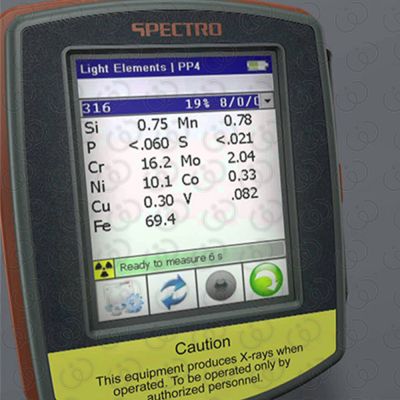 XRF Analyzer: Portable Metal Composition Tester
Portable XRF analyzers have revolutionized metal composition testing by delivering laboratory-quality elemental...Einzelheiten
XRF Analyzer: Portable Metal Composition Tester
Portable XRF analyzers have revolutionized metal composition testing by delivering laboratory-quality elemental...Einzelheiten -
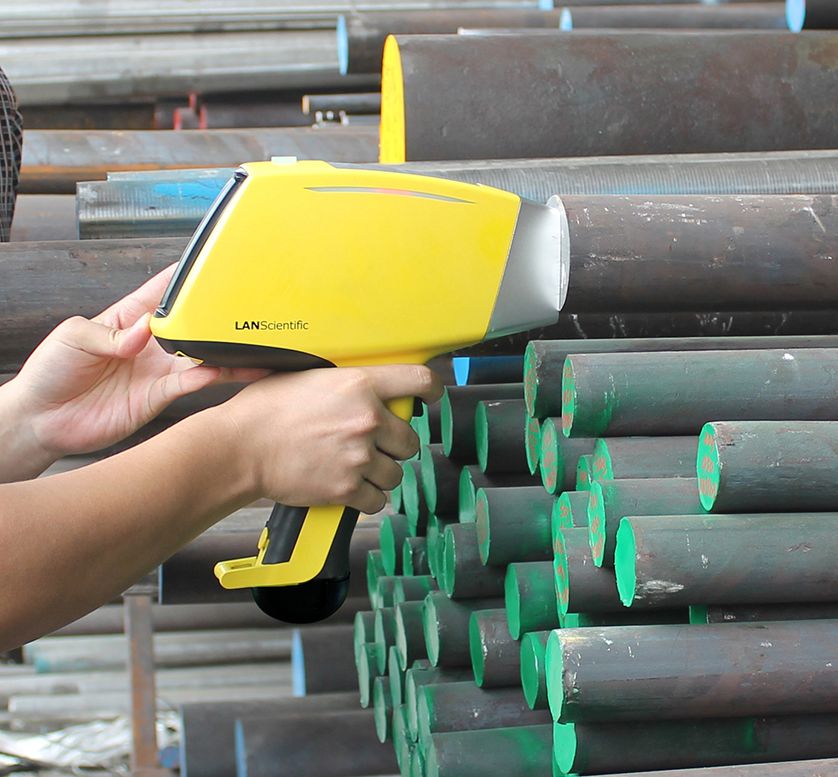 XRF Fluorescence Analyzer: Material Testing Device
XRF fluorescence analyzers stand as versatile material testing devices that revolutionize how industries analyze...Einzelheiten
XRF Fluorescence Analyzer: Material Testing Device
XRF fluorescence analyzers stand as versatile material testing devices that revolutionize how industries analyze...Einzelheiten -
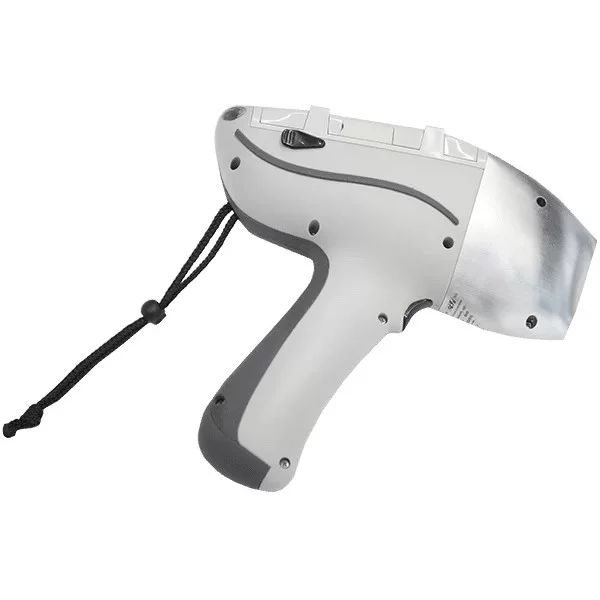 Handheld XRF Analyzer: ElvaX ProSpector Metal Scanner
The ElvaX ProSpector represents a cutting-edge advancement in handheld XRF analyzer technology, combining...Einzelheiten
Handheld XRF Analyzer: ElvaX ProSpector Metal Scanner
The ElvaX ProSpector represents a cutting-edge advancement in handheld XRF analyzer technology, combining...Einzelheiten -
 Handheld XRF Analyser: Fast Alloy Composition Testing
Speed and accuracy define modern alloy composition testing, and handheld XRF analysers deliver both in portable...Einzelheiten
Handheld XRF Analyser: Fast Alloy Composition Testing
Speed and accuracy define modern alloy composition testing, and handheld XRF analysers deliver both in portable...Einzelheiten -
 Portable XRF Analyzer: Metalworking Field Testing
Metalworking demands speed and precision—materials arrive, parts get fabricated, components are installed, all on...Einzelheiten
Portable XRF Analyzer: Metalworking Field Testing
Metalworking demands speed and precision—materials arrive, parts get fabricated, components are installed, all on...Einzelheiten