
XRF Analyzer Price: ElvaX vs ProSpector Comparison
Platform Overview: Benchtop vs Handheld
The fundamental distinction between ElvaX and ProSpector lies in their operational design philosophy. ElvaX represents benchtop laboratory instrumentation optimized for stationary installation, controlled environments, and maximum analytical performance. These systems occupy laboratory benches or dedicated stands, require stable power supplies, and deliver superior precision through larger detectors, more powerful X-ray sources, and enhanced sample handling.
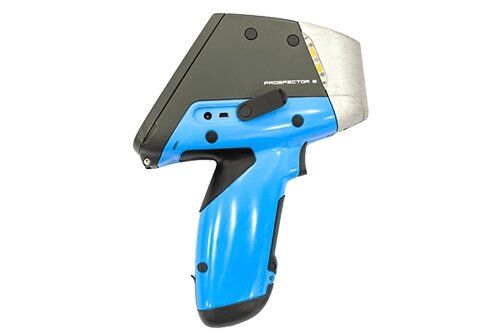
ProSpector analyzers embody portable field testing capabilities, packaging complete XRF systems into handheld units weighing approximately 1.05-1.5 kilograms depending on model. Battery operation provides 8-12 hours of continuous field use, enabling on-site testing wherever materials exist. The portability necessitates design compromises—smaller detectors, lower-power X-ray sources, simplified sample handling—but delivers analytical capabilities directly to manufacturing floors, construction sites, scrap yards, and remote locations.
This benchtop-versus-handheld distinction drives most pricing, performance, and application differences between platforms. Neither platform is universally superior; each excels in applications matching its design philosophy.
ElvaX Benchtop Analyzer Pricing
ElvaX Plus: Entry Laboratory Performance
The ElvaX Plus represents the entry point into benchtop XRF analysis, offering laboratory-grade performance at accessible pricing. Standard configurations typically fall in the mid-teens to low-twenties price range, positioning ElvaX Plus competitively against other compact benchtop systems while delivering capabilities exceeding many handheld analyzers.
The system features moderate X-ray tube power optimized for common analytical applications, standard silicon drift detector providing good energy resolution and count rates, and manual sample positioning. This configuration suits laboratories with moderate throughput requirements, straightforward sample types, and budget constraints limiting investment in premium systems.
Despite entry-level positioning, ElvaX Plus delivers genuine benchtop advantages: better detection limits than handheld systems, superior precision through controlled measurement geometry, and stable environmental conditions supporting long-term reproducibility. Organizations requiring laboratory-quality results without premium system costs find strong value in ElvaX Plus.
ElvaX Pro: Maximum Laboratory Capability
ElvaX Pro represents Elvatech's flagship benchtop platform, delivering maximum analytical performance for demanding applications. Pricing typically ranges from the mid-twenties to mid-thirties depending on configuration and included features, reflecting advanced capabilities justifying premium investment.
The Pro model features high-power X-ray tubes operating up to 60 kV and 12 watts—significantly exceeding Plus specifications. This enhanced power improves heavy element excitation, rare earth element sensitivity, and trace detection limits. Large-area silicon drift detectors with superior count rate capacity enable faster analysis and better signal-to-noise ratios.
Advanced automation distinguishes Pro from Plus: motorized multi-position collimator systems provide spot sizes as small as 1 millimeter for micro-analysis, 16-position automatic sample changers enable unattended high-throughput operation, automated sample spinners reduce matrix heterogeneity effects, and automatic environmental compensation maintains calibration stability without constant adjustment.
ProSpector Handheld Analyzer Pricing
ProSpector 2: Proven Field Performance
The ProSpector 2 represents Elvatech's established handheld platform with thousands of installations worldwide proving field reliability. Standard ProSpector 2 configurations typically price in the low-to-mid twenties range, competing directly with entry-level offerings from major handheld XRF manufacturers while delivering competitive or superior performance in many applications.
Two versions serve different requirements: ProSpector 2 LE (Light Edition) with Si-PIN detector offers basic capabilities at reduced cost, while standard ProSpector 2 with large-area SDD provides professional performance through superior count rates exceeding 500,000 CPS. The LE version suits straightforward alloy sorting and basic identification, while SDD-equipped models support comprehensive quantitative analysis and trace detection.
The ProSpector 2 incorporates unique Dynamically Adaptive Shaping digital pulse processing technology that Elvatech claims delivers exceptional speed—reportedly four times faster than comparable analyzers. This speed advantage enables rapid analysis without sacrificing precision, supporting high-throughput field applications.
ProSpector 3: Next-Generation Portability
ProSpector 3 represents Elvatech's latest handheld platform, incorporating advanced technology in exceptionally compact, lightweight design. Pricing typically falls in the mid-twenties to low-thirties range depending on configuration tier—Basic, Advanced, or Max models.
ProSpector 3 Basic provides core alloy analysis capabilities with single collimator and standard filters, targeting straightforward metal identification and sorting applications. The Advanced model adds dual collimators enabling analysis of both large samples and pinpoint areas like solder joints, plus automatic filter changers optimizing performance across diverse materials. The Max configuration extends light element capabilities down to sodium, incorporates automatic filters and collimators for maximum versatility, and delivers exceptional sensitivity for trace elements, rare earths, and multi-layer coatings.
The folding display design differentiates ProSpector 3, allowing laboratory stand operation without connecting to computers—effectively functioning as hybrid handheld-benchtop instrument. Weight reduction to approximately 1.05 kilograms makes ProSpector 3 among the lightest professional handheld XRF analyzers available.
Performance Comparison
Detection Limits and Sensitivity
ElvaX benchtop systems deliver superior detection limits through more powerful X-ray sources, larger detectors, and optimized measurement geometry. Typical detection limits reach 1-10 ppm for most elements under favorable conditions—an order of magnitude better than handheld systems. This sensitivity advantage matters critically for trace element analysis, contamination detection, and applications requiring certified accuracy at low concentrations.
ProSpector handheld analyzers achieve detection limits typically in the 10-100 ppm range for most elements, sufficient for alloy identification, quality control verification, and many practical applications. The reduced sensitivity compared to benchtop systems reflects necessary design compromises for portability but doesn't limit effectiveness for typical field testing requirements.
Analysis Speed and Throughput
Handheld ProSpector analyzers excel at rapid screening and sorting applications, delivering alloy grade identification in 2-5 seconds. This speed enables high-throughput field testing where hundreds of components require verification daily. The portability eliminates sample transport delays, often making total turnaround faster than benchtop analysis despite longer individual measurement times.
ElvaX benchtop systems optimize for precision over raw speed, with typical analysis times of 30 seconds to several minutes depending on required accuracy and element list. However, automated sample changers transform throughput: unattended overnight operation processes dozens of samples, multiplying effective capacity. For laboratories analyzing large sample volumes, automated benchtop systems ultimately deliver higher total throughput than handheld units.
Precision and Accuracy
Benchtop ElvaX systems achieve superior precision through controlled measurement conditions—stable geometry, consistent positioning, regulated environment. Precision typically reaches 0.05-0.1% relative standard deviation for major elements, supporting stringent quality control and certification requirements.
Handheld ProSpector analyzers achieve precision around 0.1-0.3% for major elements under good conditions—excellent for portable instruments but reflecting the challenges of variable sample geometry, surface conditions, and environmental factors in field testing. Proper technique significantly impacts handheld precision; well-trained operators achieve results approaching benchtop performance.
Total Cost Considerations
Initial Investment
ProSpector handheld analyzers typically cost less initially than ElvaX benchtop systems—low-twenties for basic handheld configurations versus mid-teens to thirties for benchtop systems. This price advantage makes portable XRF accessible to organizations where capital constraints might preclude benchtop investment.
However, comparing equivalent analytical capabilities reveals smaller price differences. ProSpector 3 Max with advanced features approaches ElvaX Plus pricing while delivering handheld portability at some expense of benchtop precision and sensitivity.
Operational Costs
Handheld analyzers incur battery replacement costs—typically several hundred every 2-3 years depending on usage intensity. The portable nature subjects instruments to harsher conditions potentially increasing maintenance and repair expenses.
Benchtop systems consume facility power rather than batteries, eliminating battery costs but requiring stable laboratory infrastructure. Maintenance requirements generally parallel handheld systems, though automated components in ElvaX Pro add complexity.
Total Value Assessment
Price comparison must consider operational requirements and application suitability. Organizations requiring field testing capabilities find handheld ProSpector analyzers deliver unique value impossible to achieve with benchtop systems regardless of price. Conversely, laboratories demanding maximum precision, trace sensitivity, or automated high-throughput operation gain value from benchtop ElvaX systems justifying higher investment.
Many organizations ultimately deploy both platforms—handheld ProSpector for field testing and screening, benchtop ElvaX for confirmation analysis and certification-quality results. This tiered approach optimizes both operational efficiency and analytical confidence.
Application-Based Selection Guide
Choose ProSpector handheld analyzers when:
-
Field testing at construction sites, manufacturing floors, or remote locations is required
-
Portability and immediate on-site results drive operational value
-
High-throughput sorting or screening applications demand speed
-
Budget constraints limit investment to twenty to thirty thousand range
-
Testing large or installed components makes laboratory analysis impractical
Choose ElvaX benchtop analyzers when:
-
Maximum precision and accuracy support certification or regulatory requirements
-
Trace element detection at ppm levels is application-critical
-
High-volume laboratory throughput justifies automated sample handling
-
Controlled environmental conditions enable long-term reproducibility
Budget supports investment in laboratory infrastructure and instrumentation
Conclusion
The ElvaX versus ProSpector comparison ultimately reflects fundamental operational philosophy differences rather than simple price-performance trade-offs. ElvaX benchtop systems deliver maximum analytical capability—superior sensitivity, precision, and throughput—for laboratory environments where controlled conditions and stationary installation suit operational requirements. Pricing from mid-teens to mid-thirties reflects genuine laboratory-grade performance.
ProSpector handheld analyzers provide unique value through portability, enabling field testing impossible with benchtop systems regardless of capability. Pricing in the low-to-mid twenties delivers professional analytical performance in handheld packages suitable for demanding field applications.
Organizations should select based on operational requirements rather than price alone. Field testing demands drive ProSpector selection; laboratory precision requirements favor ElvaX. Many successful analytical programs deploy both platforms strategically—handheld for field screening and benchtop for confirmation—optimizing both operational efficiency and analytical confidence across diverse testing requirements.
Related posts
-
 XRF Analyzer: Portable Metal Composition Tester
Portable XRF analyzers have revolutionized metal composition testing by delivering laboratory-quality elemental...Einzelheiten
XRF Analyzer: Portable Metal Composition Tester
Portable XRF analyzers have revolutionized metal composition testing by delivering laboratory-quality elemental...Einzelheiten -
 XRF Fluorescence Analyzer: Material Testing Device
XRF fluorescence analyzers stand as versatile material testing devices that revolutionize how industries analyze...Einzelheiten
XRF Fluorescence Analyzer: Material Testing Device
XRF fluorescence analyzers stand as versatile material testing devices that revolutionize how industries analyze...Einzelheiten -
 Handheld XRF Analyzer: ElvaX ProSpector Metal Scanner
The ElvaX ProSpector represents a cutting-edge advancement in handheld XRF analyzer technology, combining...Einzelheiten
Handheld XRF Analyzer: ElvaX ProSpector Metal Scanner
The ElvaX ProSpector represents a cutting-edge advancement in handheld XRF analyzer technology, combining...Einzelheiten -
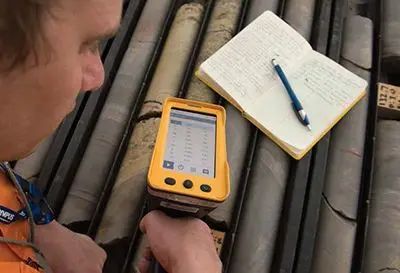 Handheld XRF Analyser: Fast Alloy Composition Testing
Speed and accuracy define modern alloy composition testing, and handheld XRF analysers deliver both in portable...Einzelheiten
Handheld XRF Analyser: Fast Alloy Composition Testing
Speed and accuracy define modern alloy composition testing, and handheld XRF analysers deliver both in portable...Einzelheiten -
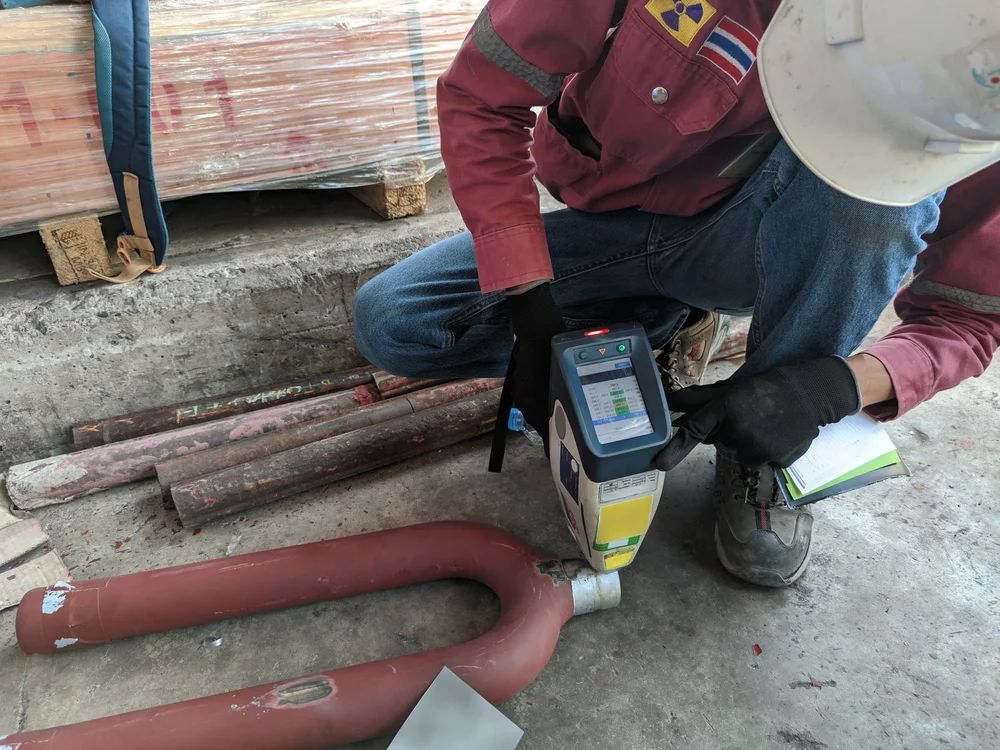 Portable XRF Analyzer: Metalworking Field Testing
Metalworking demands speed and precision—materials arrive, parts get fabricated, components are installed, all on...Einzelheiten
Portable XRF Analyzer: Metalworking Field Testing
Metalworking demands speed and precision—materials arrive, parts get fabricated, components are installed, all on...Einzelheiten