
XRF Spectrometers: 2026 Model Selection Guide
Understanding Your Analytical Needs
Before evaluating specific models, clearly define your analytical requirements. What materials will you analyze—metals, minerals, plastics, environmental samples, or diverse matrices? What elements are critical—heavy metals only, or comprehensive elemental coverage including light elements? What accuracy and precision levels do applications demand—routine screening or certification-quality results?
Consider your testing environment. Will analysis occur in laboratories with controlled conditions, or in field locations with temperature extremes, dust, and moisture? How many samples require testing daily—occasional spot checks or high-volume production support? What turnaround time is acceptable—immediate field results or next-day laboratory reporting?
Budget constraints influence decisions significantly, but focus on total value rather than minimum price. Lower initial cost means nothing if inadequate capabilities require additional equipment purchases or expensive outsourcing. Calculate total cost of ownership including maintenance, calibration services, consumables, and operational costs over the instrument's typical 10-15 year working life.
Handheld Portable XRF Spectrometers
When to Choose Handheld
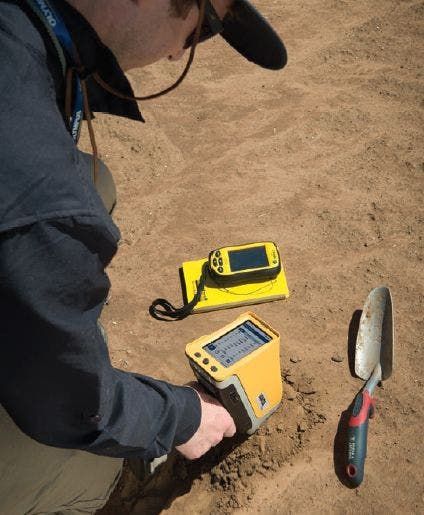
Select handheld XRF when portability drives operational value. Field testing at construction sites, manufacturing floors, scrap yards, mining locations, or environmental sites where samples cannot easily transport to laboratories justifies portable analyzers. Immediate on-site results enabling real-time decisions provide value impossible with laboratory-dependent testing.
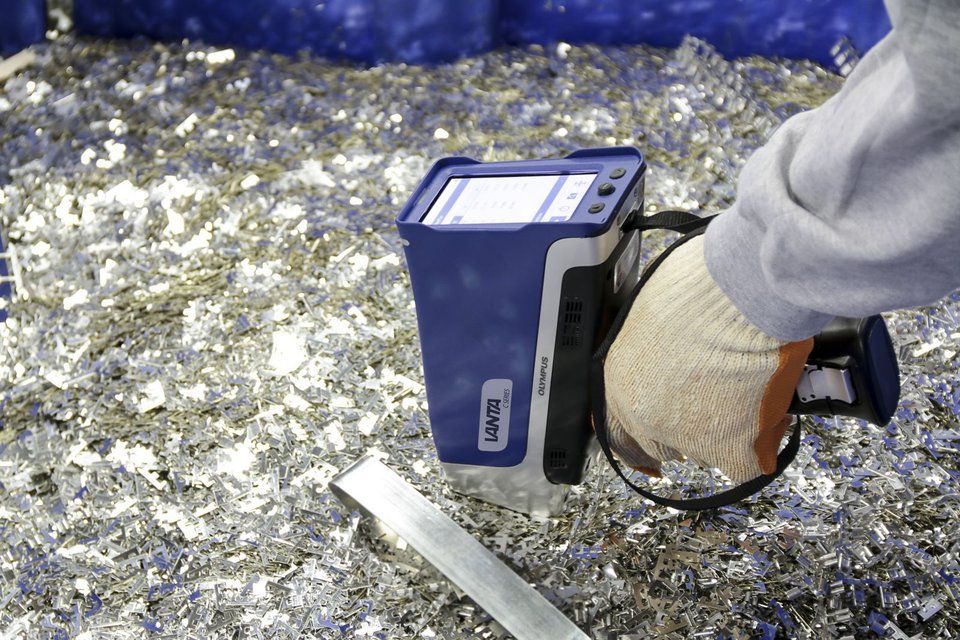
Handheld models excel at positive material identification verifying alloy grades, rapid scrap sorting, field exploration, environmental screening, and quality control inspection of large or installed components. The mobility enables 100% inspection rather than statistical sampling, dramatically improving quality assurance thoroughness.
Key Handheld Specifications
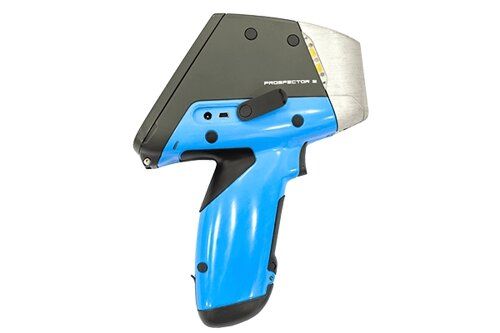
Weight matters critically for handheld units—1.0-1.8 kilograms represents comfortable range for extended use. Lighter instruments reduce operator fatigue during high-volume testing. Battery life should support full work shifts (8-12 hours minimum) without recharging. Hot-swappable batteries enable uninterrupted operation.
Detector technology defines analytical capability. Silicon drift detectors with energy resolution around 125-140 eV and count rates exceeding 100,000 CPS deliver professional performance. Higher count rates enable faster analysis—critical for throughput-sensitive applications like scrap sorting.
Environmental ratings indicate field reliability. IP54 minimum protects against dust and moisture; IP67 provides waterproof capability for harsh environments. Operating temperature range should span expected field conditions, typically -20°C to +50°C for most applications.
Comprehensive alloy libraries containing thousands of international standards enable instant grade identification. Ensure libraries cover materials you'll actually encounter—stainless steels, aluminum alloys, copper alloys, titanium, nickel superalloys, or specialty compositions specific to your industry.
Benchtop Laboratory XRF Spectrometers
When to Choose Benchtop
Select benchtop XRF when analysis occurs primarily in laboratory environments and maximum analytical performance justifies stationary installation. Superior precision, better detection limits, enhanced light element capabilities, and automated sample handling characterize benchtop advantages over portable units.
Laboratories requiring certification-quality results, trace element analysis, regulatory compliance testing, or high-volume automated operation benefit from benchtop systems. The controlled environment, stable measurement geometry, and powerful excitation deliver performance impossible in handheld packages.
Benchtop Performance Tiers
Entry-level benchtop systems provide laboratory-grade performance at accessible pricing. These compact units typically feature moderate X-ray tube power (4-12 watts), standard silicon drift detectors, and manual sample positioning. They suit laboratories with moderate throughput, straightforward samples, and budget constraints while delivering capabilities exceeding handheld analyzers.
Mid-range systems enhance performance through higher-power tubes (12-30 watts), larger-area detectors, and optional automation like sample changers and spinners. These versatile platforms accommodate diverse applications from routine quality control to research, balancing performance and cost effectively.
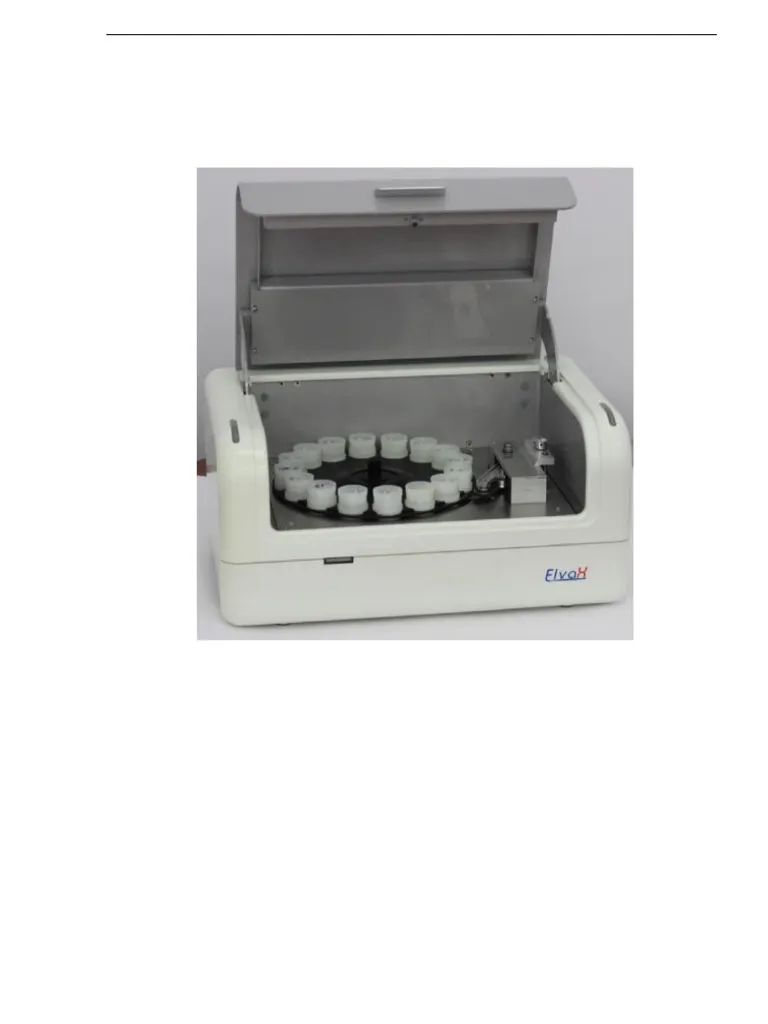
Premium systems deliver maximum capability through high-power tubes (30-60+ watts), advanced detector configurations, extensive automation (16+ position sample changers, motorized positioning, automated filters), and specialized features like vacuum operation for ultimate light element sensitivity. These sophisticated platforms suit high-volume production laboratories and research facilities demanding superior performance.
Critical Specifications Explained
Elemental Range
Standard energy-dispersive XRF typically analyzes sodium (atomic number 11) through uranium (92). Helium purge or vacuum operation extends range down to fluorine or beryllium for specialized light element applications. Verify elemental coverage includes elements critical for your materials—aluminum and silicon for aluminum alloys, phosphorus and sulfur for steels, calcium for minerals.
Detection Limits and Accuracy
Handheld analyzers typically achieve 0.1-0.3% accuracy for major elements and 10-100 ppm detection limits. Benchtop systems reach 0.05-0.1% accuracy and 1-10 ppm detection limits through enhanced sensitivity. Match specifications to application requirements—scrap sorting tolerates less precision than aerospace component certification.
Analysis Speed
Handheld systems deliver grade identification in 2-5 seconds; comprehensive analysis in 10-60 seconds. Benchtop systems require 30 seconds to several minutes per sample but may analyze unattended overnight through automation, ultimately delivering higher total throughput for laboratories.
Application-Specific Considerations
Metal and Alloy Analysis
Metal testing represents the most common XRF application. For scrap sorting and PMI, handheld units with comprehensive alloy libraries provide optimal value. Aerospace and high-value manufacturing may require benchtop systems delivering certification-quality results. Consider whether carbon measurement is critical—XRF cannot detect carbon directly; applications requiring carbon data need complementary techniques.
Geological and Mining Applications
Mining exploration benefits from rugged portable analyzers providing field ore grade analysis. Production laboratories require benchtop systems handling pressed pellets or fusion beads, delivering accurate major and trace element data supporting resource characterization and process control.
Environmental Testing
Environmental site screening utilizes portable XRF for rapid contamination mapping. Laboratory confirmation of regulatory compliance typically requires benchtop systems with lower detection limits and certified analytical methods meeting environmental agency requirements.
Polymer and RoHS Compliance
Plastics testing for restricted substances uses either platform depending on testing location and volume. Portable analyzers enable field screening; laboratory systems provide certified compliance testing. Helium purge capability enhances performance for light additive elements.
Budget Considerations
Handheld XRF analyzers typically range from fifteen thousand to forty-five thousand depending on performance tier, features, and manufacturer. Entry-level benchtop systems start around fifteen to twenty-five thousand; mid-range systems cost twenty-five to fifty thousand; premium benchtop analyzers extend beyond fifty thousand with advanced capabilities and automation.
Consider financing options including direct purchase, leasing spreading costs over time, or short-term rental for temporary projects. Evaluate total cost of ownership including calibration services, maintenance contracts, consumables, and operator training—not just initial purchase price.
Manufacturer Support and Service
Technical support quality dramatically impacts long-term satisfaction. Evaluate manufacturer reputation, local support infrastructure, training programs, and calibration services. Strong suppliers function as analytical partners providing application assistance, method development support, and troubleshooting—value extending far beyond initial equipment purchase.
Request customer references from organizations with similar applications and operating environments. Discuss typical response times for technical support, availability of loaner instruments during repairs, and costs for calibration updates and software upgrades. Quality support infrastructure protects your analytical investment over decades of operation.
Making Your Selection
Arrange demonstrations with actual samples representing your materials and testing requirements. Real-world performance reveals whether analyzers meet expectations and integrate smoothly into operational workflows. Test difficult samples, borderline grades, and challenging conditions—not just ideal specimens.
Create evaluation criteria matrix scoring each option against requirements: analytical capability, ease of use, environmental suitability, throughput capacity, data management, support quality, and total cost. Weighted scoring reflecting your priorities guides objective comparison across diverse options.
Many organizations ultimately deploy both handheld and benchtop platforms strategically—portable units for field screening and benchtop systems for laboratory confirmation. This tiered approach optimizes both operational efficiency and analytical confidence across diverse testing requirements.
Conclusion
Selecting the right XRF spectrometer in 2026 requires thoughtful evaluation of analytical needs, operational requirements, and budget constraints balanced against available technology options. Handheld portable analyzers deliver unique field testing capabilities impossible with stationary systems. Benchtop laboratory spectrometers provide superior precision, sensitivity, and automation justifying their laboratory-bound nature.
Understanding critical specifications—elemental range, detection limits, analysis speed, environmental ratings—enables meaningful comparison across models and manufacturers. Matching these capabilities to your specific applications, testing environment, and throughput requirements identifies which configuration delivers optimal value.
The 2026 XRF market offers unprecedented variety and capability at every performance tier and price point. Whether requiring portable field testing, laboratory precision, or comprehensive analytical programs combining both approaches, proven XRF technology exists meeting your requirements. Thoughtful selection guided by this framework ensures your investment delivers accurate, reliable materials analysis supporting quality, compliance, and operational excellence for years to come.
Related posts
-
 XRF Spectrometer: ElvaX Metal Analysis Solutions
Metal analysis drives quality control, material verification, and production excellence across manufacturing...Einzelheiten
XRF Spectrometer: ElvaX Metal Analysis Solutions
Metal analysis drives quality control, material verification, and production excellence across manufacturing...Einzelheiten -
 Portable XRF Spectrometer: ProSpector 3 High Speed
Speed defines competitive advantage in modern materials testing. The ProSpector 3 portable XRF spectrometer...Einzelheiten
Portable XRF Spectrometer: ProSpector 3 High Speed
Speed defines competitive advantage in modern materials testing. The ProSpector 3 portable XRF spectrometer...Einzelheiten -
 Portable XRF Spectrometer: Field Applications
Portable XRF spectrometers have transformed materials testing by bringing laboratory-quality elemental analysis...Einzelheiten
Portable XRF Spectrometer: Field Applications
Portable XRF spectrometers have transformed materials testing by bringing laboratory-quality elemental analysis...Einzelheiten -
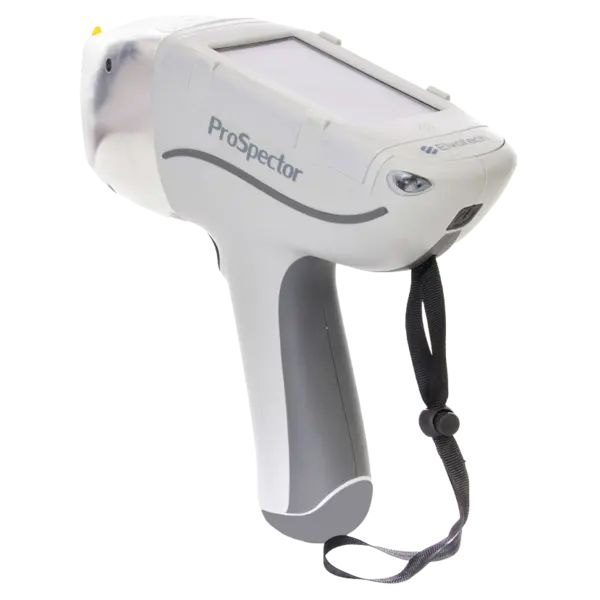 Handheld XRF Spectrometer: ProSpector 2
The ProSpector 2 handheld XRF spectrometer represents proven technology trusted by thousands of users worldwide for...Einzelheiten
Handheld XRF Spectrometer: ProSpector 2
The ProSpector 2 handheld XRF spectrometer represents proven technology trusted by thousands of users worldwide for...Einzelheiten -
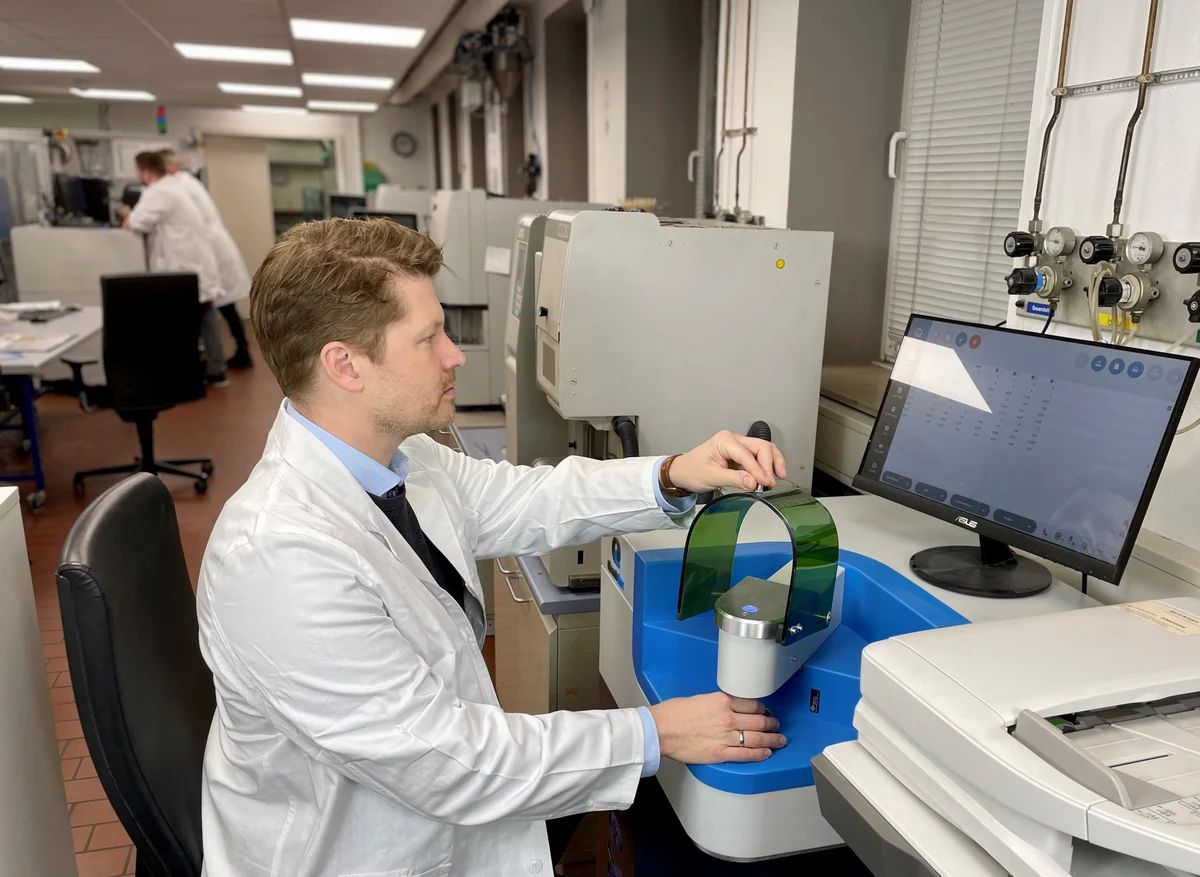 TXRF Spectrometer: ElvaX Thin Film Analysis
Total Reflection X-Ray Fluorescence spectroscopy represents a specialized analytical technique delivering...Einzelheiten
TXRF Spectrometer: ElvaX Thin Film Analysis
Total Reflection X-Ray Fluorescence spectroscopy represents a specialized analytical technique delivering...Einzelheiten