
Portable XRF Spectrometer: Field Applications
Construction and Infrastructure PMI
Critical Component Verification
Construction projects for oil and gas facilities, chemical plants, power stations, and industrial complexes implement extensive positive material identification programs ensuring installed components match engineering specifications. Portable XRF analyzers enable inspectors to verify piping systems, pressure vessels, heat exchangers, valves, flanges, and structural steel directly in place without removing components or cutting samples.
The field testing capability proves essential because many components exist in installed positions—elevated piping systems, assembled vessels, underground utilities, structural members within buildings. Transporting these items to laboratories for testing is impractical or impossible. Portable XRF brings the laboratory to the components, enabling comprehensive verification without disassembly.
During construction, thousands of components require verification. Portable XRF's rapid analysis—typically 5-30 seconds per measurement—enables inspectors to complete required testing within project schedules without becoming critical path bottlenecks. The immediate results allow instant acceptance decisions keeping construction progressing efficiently.
Documentation features including GPS tagging, photographic records, and automated report generation create complete quality records proving correct materials were installed. This comprehensive documentation satisfies regulatory requirements, supports insurance claims, and provides liability protection throughout facilities' operating lifetimes.
Weld Inspection and Quality Control
Welding fabrication facilities use portable XRF to verify base metal grades before welding, confirm filler metal compatibility, and inspect completed welds in heat-affected zones. The handheld capability enables testing components throughout fabrication areas without moving large assemblies to inspection stations.
Critical welds in pressure boundaries, structural connections, and corrosion-resistant applications require verified metallurgy. Portable XRF provides rapid compositional verification ensuring weld procedures use correct materials and achieve intended properties. This testing prevents costly weld failures and ensures structural integrity.
Mining and Geological Exploration
Ore Grade Analysis and Resource Estimation
Mining exploration employs portable XRF for rapid ore grade determination directly at drill sites. Geologists test rock outcrops and drill core sections in the field, generating immediate geochemical data that guides exploration decisions. This real-time capability allows tactical adjustments to drilling programs based on detected mineralization patterns, optimizing exploration efficiency and reducing costs.
The portability enables testing in remote locations lacking laboratory infrastructure. Exploration projects in wilderness areas, developing regions, or offshore locations benefit from on-site analytical capability eliminating logistics of sample transport to distant laboratories. Results available within minutes rather than weeks accelerate exploration timelines dramatically.
Production mining uses portable XRF for ore grade control distinguishing material sent to processing from waste rock directed to dumps. Real-time grade decisions optimize resource recovery, reduce processing costs, and improve operational efficiency. The immediate feedback enables mine planning adjustments maximizing economic metal extraction.
Mineral Identification and Geochemical Mapping
Field geologists employ portable XRF for mineral identification and geochemical mapping across exploration targets. Rapid multi-element analysis characterizes rock types, identifies alteration zones associated with mineralization, and maps elemental distributions guiding detailed investigations. The comprehensive elemental data supports geological interpretation and targeting decisions.
Environmental geology applications include characterizing mine waste, assessing tailings chemistry, and monitoring environmental impacts. Portable XRF enables rapid site characterization supporting remediation planning and regulatory compliance verification.
Environmental Site Assessment
Contaminated Site Screening
Environmental consultants use portable XRF for rapid contaminated soil screening during site investigations and remediation projects. Heavy metal detection—lead, arsenic, mercury, cadmium, chromium—at hundreds of locations across sites creates detailed contamination maps guiding cleanup strategies. Testing that would cost thousands through laboratory analysis costs hundreds with field XRF screening.
The immediate results enable same-day decision-making during site work. Excavation boundaries adjust based on real-time contamination data. Soil classification for disposal occurs on-site rather than waiting days for laboratory confirmation. Remediation verification happens continuously rather than after work completion, preventing expensive re-mobilization if cleanup goals aren't met.
Field XRF serves as screening tool with laboratory confirmation for critical decisions. Samples exceeding action levels based on XRF undergo confirmatory analysis ensuring regulatory compliance. This tiered approach balances speed and cost-effectiveness with analytical rigor.
Sediment and Water Particulate Analysis
Aquatic environmental monitoring employs portable XRF for sediment contamination assessment. Stream sediments, lake bottom samples, and marine sediments undergo field testing for metal contamination supporting ecosystem health evaluation and pollution source identification. The portability enables testing remote water bodies lacking road access.
Water treatment facilities use portable XRF for monitoring particulate contaminants in treatment processes and verifying removal efficiencies. The rapid feedback supports process optimization and regulatory compliance verification.
Scrap Metal Recycling and Recovery
High-Throughput Scrap Sorting
Scrap metal recycling depends on accurate alloy segregation for profitability. Portable XRF enables rapid classification of mixed scrap into homogeneous alloy lots. The 2-5 second grade identification allows operators to sort 500-1000 pieces per shift, dramatically improving throughput compared to manual segregation or laboratory testing.
Different alloy families command vastly different market values—stainless steels, aluminum alloys, copper compositions, titanium, nickel superalloys. Accurate sorting maximizes material revenues. Portable XRF distinguishes visually similar alloys that manual methods cannot separate—differentiating stainless 304 from 316, identifying aluminum series, characterizing copper alloy families.
The field capability enables testing in scrap yards, demolition sites, and salvage operations where materials exist. Mobile scrap processors carry portable analyzers to customer locations, providing on-site material evaluation and pricing. This flexibility creates competitive advantages in scrap acquisition.
Precious Metal Recovery
Electronics recycling and precious metal refining use portable XRF for identifying valuable components and alloys. Circuit boards, connectors, and components containing gold, silver, platinum, and palladium receive rapid screening guiding disassembly priorities and recovery processes. The non-destructive testing preserves materials while identifying highest-value items.
Demolition contractors scan materials during building deconstruction, identifying brass fixtures, copper piping, stainless steel equipment, and aluminum components for selective recovery. The portable analysis supports profitable material salvage from demolition projects.
Manufacturing and Quality Assurance
Incoming Material Verification
Manufacturing receiving docks use portable XRF for immediate incoming material verification. Raw materials, purchased components, and supplier deliveries undergo rapid testing confirming chemistry matches purchase specifications before entering inventory. This early verification prevents incorrect materials from contaminating stock and triggering downstream production errors.
The field testing at receiving areas eliminates sample transport to laboratories and multi-day turnaround waiting. Correct materials proceed immediately to production. Incorrect shipments return to suppliers before unloading, avoiding confusion and mixed inventory. This quality gate protects entire manufacturing operations from material errors.
In-Process Production Testing
Production floors integrate portable XRF for in-process material verification throughout manufacturing. Fabrication shops test components before machining expensive operations. Foundries verify casting chemistry immediately after cooling. Manufacturers confirm correct alloy usage throughout assembly processes.
The mobility enables testing directly where work occurs without transporting parts to inspection stations or laboratories. This convenience encourages comprehensive verification—operators test more frequently when testing requires seconds at their workstation rather than hours waiting for lab results.
Aerospace and Defense
Aerospace manufacturing demands rigorous material control ensuring components meet critical specifications. Portable XRF verifies titanium alloys, aluminum aerospace grades, nickel superalloys, and specialty materials throughout manufacturing and maintenance. The rapid non-destructive testing enables comprehensive verification without damaging expensive components.
Maintenance operations use portable XRF during aircraft inspections, verifying replacement parts match original specifications. Depot-level maintenance facilities test components during overhaul, ensuring proper materials before returning aircraft to service. The field capability enables testing at flight lines, hangars, and maintenance facilities without transporting components to laboratories.
Defense applications include field verification of equipment, ammunition components, and specialized materials. The portable technology supports deployed operations, forward maintenance facilities, and quality control in defense manufacturing.
Art Conservation and Archaeology
Museums and conservation laboratories employ portable XRF for non-destructive analysis of artworks, artifacts, and historical objects. Pigment identification, authentication studies, and provenance research utilize elemental composition without sampling or damaging irreplaceable items. The portability enables testing large objects, wall paintings, and installed artworks impossible to move to laboratories.
Archaeological field expeditions use portable XRF for artifact characterization at excavation sites. Immediate compositional data guides excavation strategies, artifact preservation decisions, and research interpretations. The technology supports field research in remote locations without laboratory access.
Best Practices for Field Applications
Successful field XRF testing requires proper technique. Clean measurement surfaces removing dirt, oil, and heavy oxidation. Choose flat stable areas ensuring good analyzer-sample contact. Test multiple locations verifying compositional uniformity, especially on heterogeneous materials. Document measurements comprehensively including sample identification, location, conditions, and operator notes.
Understand environmental limitations. Extreme temperatures, precipitation, and dust challenge field operations—plan testing schedules around weather when possible. Carry protective cases, spare batteries, and cleaning supplies supporting extended field deployments. Regular calibration checks using reference standards maintain accuracy under field conditions.
Conclusion
Portable XRF spectrometers deliver unique value across diverse field applications by bringing laboratory-quality elemental analysis to where materials exist. From construction PMI ensuring infrastructure integrity, through mining exploration accelerating resource discovery, environmental screening protecting public health, scrap recycling maximizing material values, to manufacturing quality control preventing errors—portable XRF enables immediate on-site decisions impossible with laboratory-dependent testing.
The technology's versatility, combining comprehensive elemental coverage, rapid analysis, rugged reliability, and true portability, makes handheld XRF indispensable across industries where material composition affects quality, safety, value, or compliance. As applications expand and technology advances, portable XRF continues revolutionizing how professionals test materials, make decisions, and ensure quality in real-world field environments where analytical results matter most.
Related posts
-
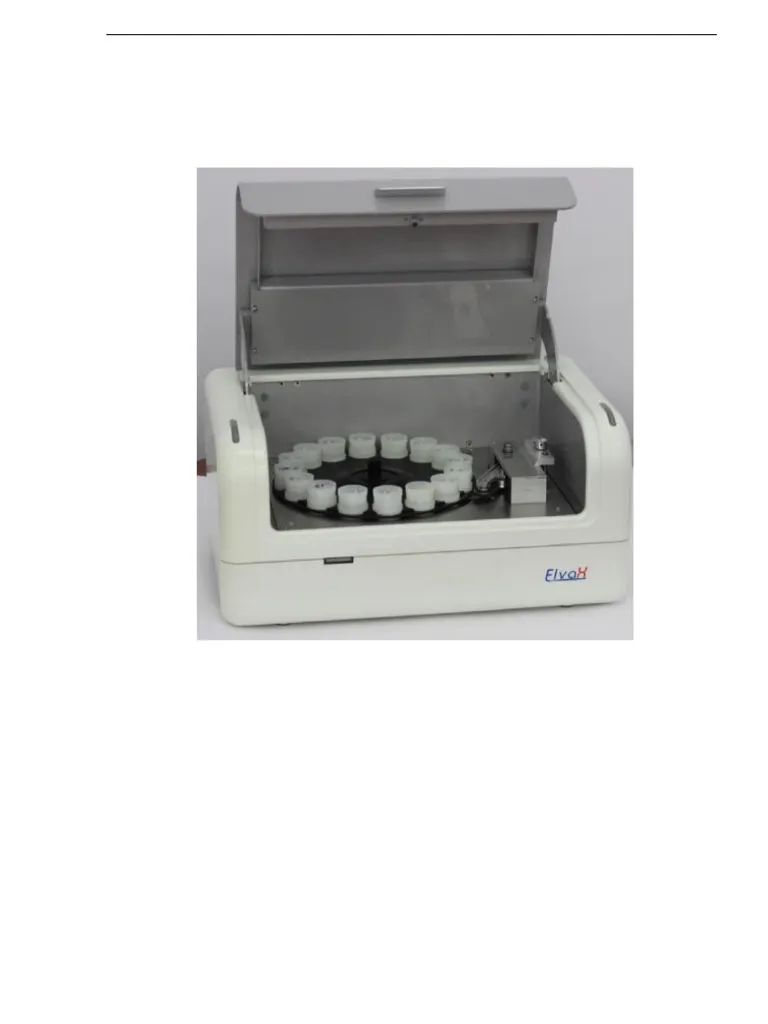 XRF Spectrometer: ElvaX Metal Analysis Solutions
Metal analysis drives quality control, material verification, and production excellence across manufacturing...Einzelheiten
XRF Spectrometer: ElvaX Metal Analysis Solutions
Metal analysis drives quality control, material verification, and production excellence across manufacturing...Einzelheiten -
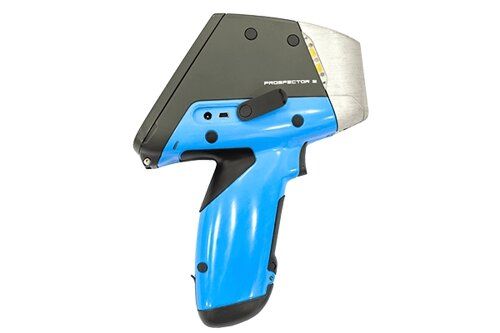 Portable XRF Spectrometer: ProSpector 3 High Speed
Speed defines competitive advantage in modern materials testing. The ProSpector 3 portable XRF spectrometer...Einzelheiten
Portable XRF Spectrometer: ProSpector 3 High Speed
Speed defines competitive advantage in modern materials testing. The ProSpector 3 portable XRF spectrometer...Einzelheiten -
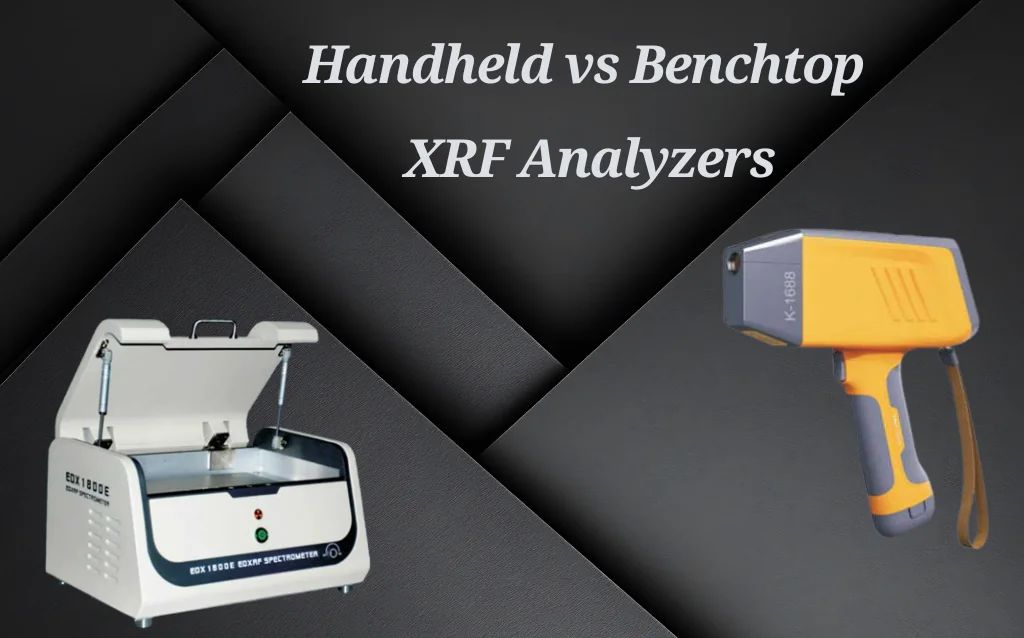 XRF Spectrometers: 2026 Model Selection Guide
Selecting the right XRF spectrometer requires matching instrument capabilities to your specific analytical...Einzelheiten
XRF Spectrometers: 2026 Model Selection Guide
Selecting the right XRF spectrometer requires matching instrument capabilities to your specific analytical...Einzelheiten -
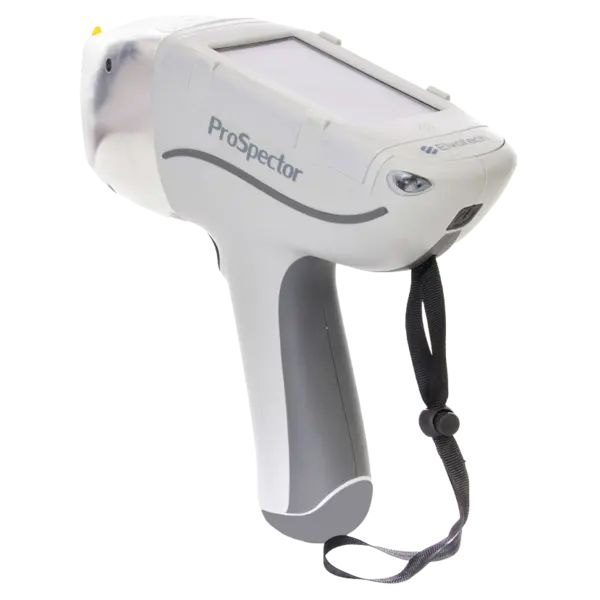 Handheld XRF Spectrometer: ProSpector 2
The ProSpector 2 handheld XRF spectrometer represents proven technology trusted by thousands of users worldwide for...Einzelheiten
Handheld XRF Spectrometer: ProSpector 2
The ProSpector 2 handheld XRF spectrometer represents proven technology trusted by thousands of users worldwide for...Einzelheiten -
 TXRF Spectrometer: ElvaX Thin Film Analysis
Total Reflection X-Ray Fluorescence spectroscopy represents a specialized analytical technique delivering...Einzelheiten
TXRF Spectrometer: ElvaX Thin Film Analysis
Total Reflection X-Ray Fluorescence spectroscopy represents a specialized analytical technique delivering...Einzelheiten