
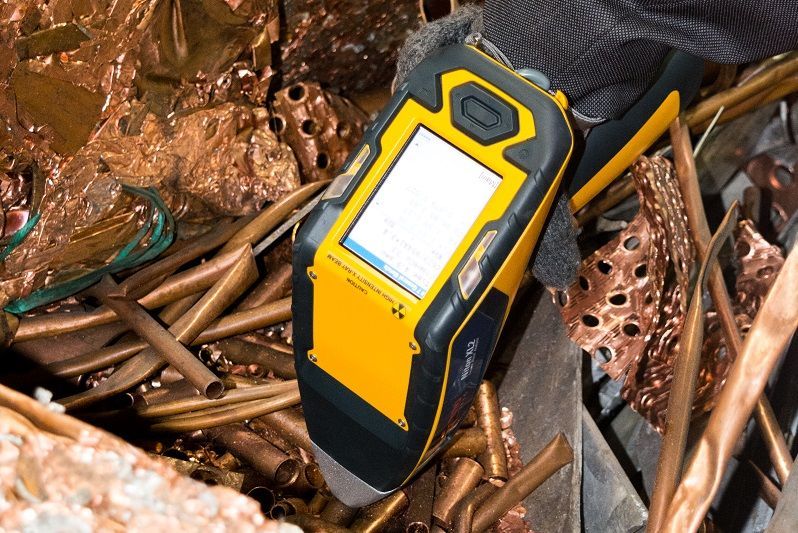
XRF Spectrometer: Buy Portable Metal Analyzer
Why Invest in Portable XRF for Metal Analysis
Portable XRF metal analyzers transform quality control from laboratory-dependent processes into instant field verification. The immediate on-site results enable real-time decisions preventing costly errors, accelerating workflows, and ensuring material quality without sample transport or multi-day laboratory turnaround.
The investment returns value through multiple channels. Prevented material mix-ups save thousands by catching errors during receiving inspection rather than after expensive machining or fabrication. Accelerated quality control keeps production flowing without bottlenecks. Improved scrap sorting accuracy increases material revenues. Enhanced traceability documentation supports regulatory compliance and customer requirements.
Organizations typically recover portable XRF purchase costs within months through eliminated laboratory fees, prevented errors, improved efficiency, and optimized material utilization. The non-destructive testing preserves valuable samples and finished products while providing comprehensive compositional data supporting informed material decisions.
Critical Features for Metal Analysis
Detector Technology and Performance
Silicon drift detector quality fundamentally determines analytical capability. Look for energy resolution around 125-140 eV at manganese Kα—superior resolution clearly separates closely-spaced spectral peaks enabling accurate multi-element analysis of complex alloys. Lower resolution detectors struggle with spectral overlaps, compromising accuracy in sophisticated compositions.
Count rate capability directly impacts analysis speed. High-performance detectors processing 100,000-500,000+ counts per second enable rapid measurements without sacrificing precision. Faster count rates reduce time required for reliable results—critical for high-throughput applications like scrap sorting or production quality control where every second affects productivity.
Large-area detectors capture more fluorescent X-rays from samples, improving sensitivity and reducing measurement times. Detector area typically ranges from 25-50 square millimeters—larger areas provide performance advantages justifying modest cost premiums for demanding applications.
Comprehensive Alloy Library
Built-in grade libraries must cover alloys you actually encounter in your operations. Quality analyzers include thousands of international specifications across ASTM, EN, DIN, JIS, GB, and GOST standards. Verify library coverage for:
- Stainless steels: austenitic (304, 316, 321), ferritic (430, 409), duplex (2205, 2507)
- Aluminum alloys: aerospace (2xxx, 7xxx), structural (6xxx), marine (5xxx)
- Titanium grades: commercially pure (Grades 1-4), alloys (Grade 5, 6-4)
- Copper alloys: brasses, bronzes, cupronickel compositions
- Nickel superalloys: Inconel, Hastelloy, Monel series
- Specialty metals: cobalt alloys, tool steels, precious metals
The library should enable instant grade identification displaying results clearly rather than requiring manual interpretation of elemental percentages.
Rugged Field Construction
Metal analysis often occurs in harsh industrial environments demanding durable equipment. Evaluate environmental ratings—IP54 minimum for dust and moisture protection, IP67 for waterproof capability in severe conditions. Sealed housings, reinforced displays, and impact-resistant construction ensure reliable operation despite drops, vibration, temperature extremes, and contamination.
Operating temperature range should span conditions you'll encounter—typically -20°C to +50°C for most industrial applications. Analyzers lacking environmental protection fail prematurely in real-world field use, creating downtime and repair expenses exceeding any initial cost savings.
Key Specifications to Compare
Elemental Range and Detection Limits
Standard portable XRF for metal analysis typically covers magnesium through uranium. This range encompasses all commercially significant alloying elements. Verify the analyzer reliably detects elements critical for your materials—aluminum and silicon for aluminum alloys, molybdenum for corrosion-resistant stainless steels, vanadium and niobium for specialty steels.
Detection limits for metals typically reach 0.001-0.1% (10-1000 ppm) depending on element and matrix. Trace sensitivity matters for detecting restricted elements under RoHS, identifying minor alloying additions affecting properties, and screening for contamination. Match detection capability to your actual requirements—scrap sorting tolerates less sensitivity than aerospace component certification.
Analysis Speed and Accuracy
Grade identification speed ranges from 2-5 seconds for rapid screening to 10-30 seconds for comprehensive quantitative analysis. Evaluate speed requirements based on your throughput—scrap operations sorting thousands of pieces need maximum speed; critical component certification justifies extended precision measurements.
Accuracy specifications typically quote ±0.1-0.3% for major elements under ideal conditions. Real-world accuracy depends on surface preparation, measurement technique, and operator skill. Request demonstrations using your actual materials to verify performance meets requirements rather than relying solely on published specifications.
Battery Life and Power Management
Battery capacity should support full work shifts without recharging—8-12 hours minimum for most applications. High-capacity batteries (7,000+ mAh) enable extended field operation in remote locations. Hot-swappable designs allow continuing work while depleted batteries charge, essential for uninterrupted high-volume testing.
Evaluate total cost of ownership including battery replacements every 2-3 years. Quality lithium-ion batteries cost several hundred dollars—factor replacement costs into long-term budgeting.
Application-Specific Considerations
Scrap Metal Sorting and Recycling
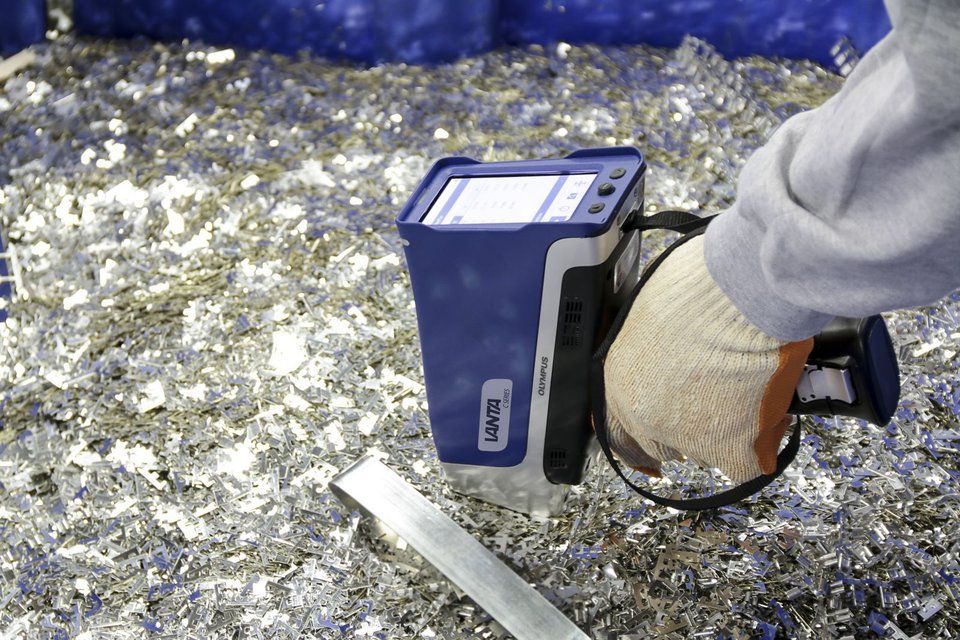
Scrap operations prioritize analysis speed enabling high-throughput sorting. Look for 2-3 second grade identification, comprehensive alloy libraries, and ergonomic design supporting extended use. GPS and data management features help track material sources and lot assignments. Consider analyzers with simplified interfaces optimized for rapid sorting workflows rather than comprehensive laboratory features.
Manufacturing Quality Control
Production QC requires balance between speed and accuracy. Verify the analyzer handles your typical sample forms—bar stock, castings, machined parts, welded assemblies. Data management supporting integration with quality management systems, automated reporting, and traceability documentation provides value beyond basic analytical capability.
PMI and Construction Inspection
PMI programs demand comprehensive grade libraries, photographic documentation, GPS tagging, and robust data management creating complete inspection records. Battery life supporting full-day site inspections and rugged construction withstanding harsh field conditions are essential. Camera systems enabling visual confirmation of test locations provide valuable quality documentation.
Field Exploration and Mining
Remote geological applications require maximum battery life, extreme environmental protection, and reliable performance under challenging conditions. Light weight reduces operator fatigue during extended field campaigns. GPS integration links analytical results to sample locations supporting resource modeling and exploration targeting.
Total Cost of Ownership
Initial purchase price represents just one component of total investment. Calculate comprehensive costs including:
-
Purchase price: $15,000-$45,000 depending on performance tier
-
Training: operator certification and technique development
-
Calibration services: annual verification and updates
-
Accessories: spare batteries, test stands, protective cases
-
Consumables: calibration standards, cleaning supplies
-
Maintenance: periodic service and repairs
-
Software updates: ongoing calibration and feature enhancements
Quality manufacturers offer service contracts bundling maintenance, calibration, and support at predictable annual costs. These contracts provide budget certainty while ensuring optimal analyzer performance throughout its working life.
Evaluating Manufacturers and Support
Supplier Reputation and References
Research manufacturer track records through customer references, industry reputation, and installation base. Established suppliers with thousands of installations demonstrate proven reliability and customer satisfaction. Request references from organizations with similar applications and operating conditions—their experiences reveal real-world performance beyond marketing claims.
Technical Support and Service
Evaluate support infrastructure before purchasing. Local service availability, typical response times, loaner instrument policies during repairs, and technical support accessibility affect long-term satisfaction dramatically. Manufacturers offering comprehensive support including application assistance, method development, and troubleshooting deliver ongoing value throughout the analyzer's working life.
Training quality matters critically—proper technique dramatically impacts result reliability. Prioritize suppliers offering thorough operator training, ongoing application support, and customer education resources.
Warranty and Service Options
Standard warranties typically cover 1-2 years. Extended warranty options provide additional protection justifying modest premiums for risk-averse organizations. Understand what's covered—some warranties exclude batteries, wear items, or damage from misuse. Clarify service terms, turnaround times, and costs for post-warranty repairs.
Making the Purchase Decision
Arrange on-site demonstrations using your actual materials in your operational environment. Real-world testing reveals whether analyzers meet performance expectations and integrate smoothly into workflows. Test challenging samples, borderline grades, and problematic materials—not just ideal specimens.
Create weighted evaluation criteria scoring options against requirements: analytical capability, ease of use, environmental suitability, support quality, total cost. Objective scoring guides decisions across diverse options with different strength profiles.
Consider financing options including direct purchase, leasing spreading costs over time, or rental for temporary needs. Leasing preserves capital while providing immediate access to capabilities. Rental suits short-term projects or trial evaluation before purchasing.
Conclusion
Buying a portable XRF metal analyzer requires thoughtful evaluation of analytical requirements, operational conditions, and budget constraints balanced against available technology and support. Understanding critical specifications—detector technology, alloy library coverage, environmental protection, analysis speed—enables meaningful comparison across manufacturers and models.
The right portable XRF analyzer prevents costly material errors, accelerates quality control workflows, improves scrap sorting profitability, and creates comprehensive traceability documentation supporting regulatory compliance. Organizations investing in quality instruments from reputable manufacturers with strong support infrastructure typically recover purchase costs within months while benefiting from reliable analytical capability for 10-15+ years.
Focus on total value rather than minimum price. Superior performance, rugged reliability, comprehensive support, and proven track records deliver better long-term return than bargain alternatives requiring frequent repairs, lacking support, or providing marginal capabilities. For metal analysis applications where material quality, operational efficiency, and error prevention drive success, investing in proven portable XRF technology delivers measurable returns justifying the commitment many times over.
Related posts
-
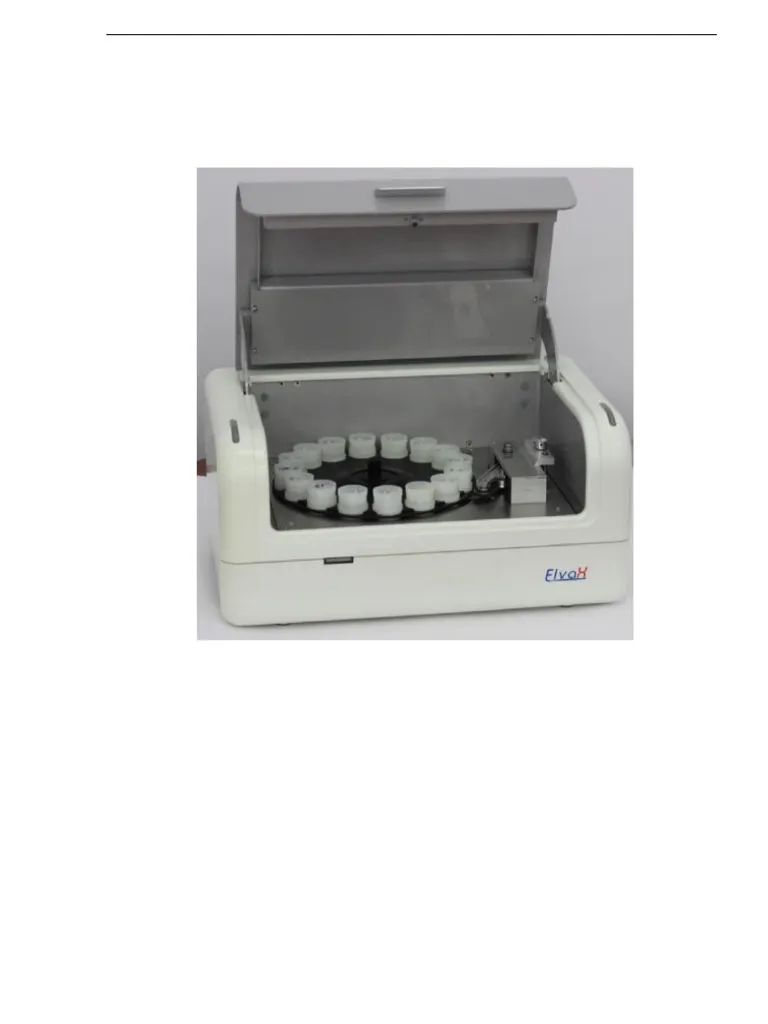 XRF Spectrometer: ElvaX Metal Analysis Solutions
Metal analysis drives quality control, material verification, and production excellence across manufacturing...Einzelheiten
XRF Spectrometer: ElvaX Metal Analysis Solutions
Metal analysis drives quality control, material verification, and production excellence across manufacturing...Einzelheiten -
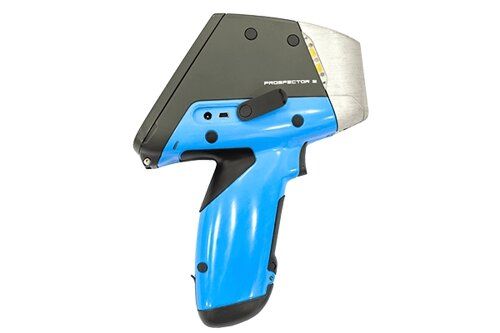 Portable XRF Spectrometer: ProSpector 3 High Speed
Speed defines competitive advantage in modern materials testing. The ProSpector 3 portable XRF spectrometer...Einzelheiten
Portable XRF Spectrometer: ProSpector 3 High Speed
Speed defines competitive advantage in modern materials testing. The ProSpector 3 portable XRF spectrometer...Einzelheiten -
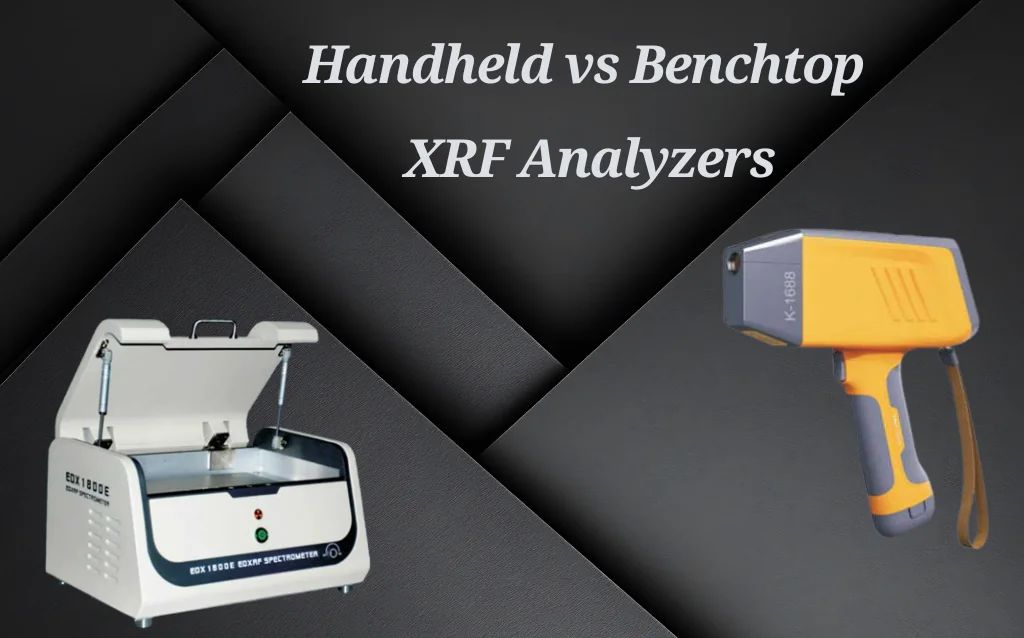 XRF Spectrometers: 2026 Model Selection Guide
Selecting the right XRF spectrometer requires matching instrument capabilities to your specific analytical...Einzelheiten
XRF Spectrometers: 2026 Model Selection Guide
Selecting the right XRF spectrometer requires matching instrument capabilities to your specific analytical...Einzelheiten -
 Portable XRF Spectrometer: Field Applications
Portable XRF spectrometers have transformed materials testing by bringing laboratory-quality elemental analysis...Einzelheiten
Portable XRF Spectrometer: Field Applications
Portable XRF spectrometers have transformed materials testing by bringing laboratory-quality elemental analysis...Einzelheiten -
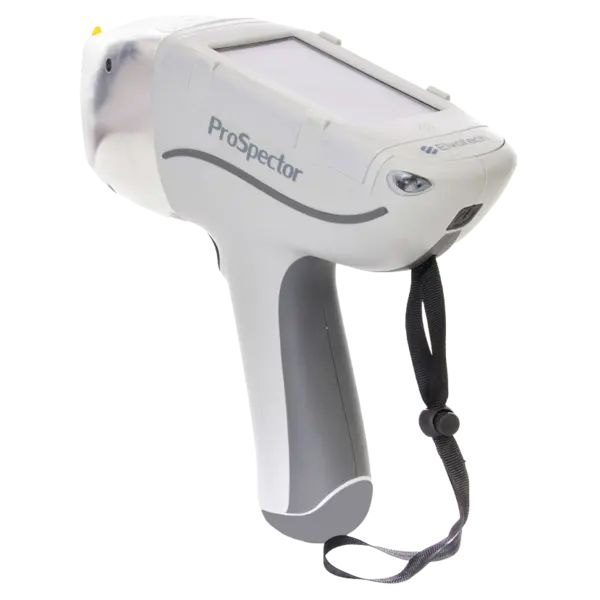 Handheld XRF Spectrometer: ProSpector 2
The ProSpector 2 handheld XRF spectrometer represents proven technology trusted by thousands of users worldwide for...Einzelheiten
Handheld XRF Spectrometer: ProSpector 2
The ProSpector 2 handheld XRF spectrometer represents proven technology trusted by thousands of users worldwide for...Einzelheiten