
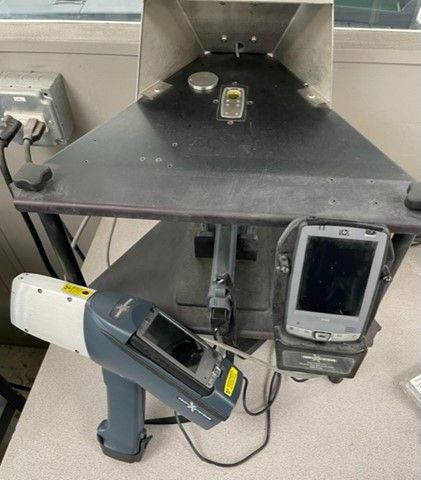
XRF Spectroscopy: Fast Metal Spectral Analysis
The Physics of Speed in XRF
XRF spectroscopy achieves remarkable analysis speed through the fundamental physics of X-ray fluorescence combined with modern detector technology. When high-energy X-rays strike a metal sample, atoms respond essentially instantaneously—within microseconds—by emitting characteristic fluorescent X-rays. This immediate atomic response means no waiting for chemical reactions, sample dissolution, or lengthy instrumental procedures required by many traditional analytical methods.
Modern silicon drift detectors process hundreds of thousands of X-ray photons per second, rapidly accumulating spectral data. Advanced detectors achieve count rates exceeding 500,000 counts per second—enabling statistically reliable measurements in timeframes measured in seconds rather than minutes or hours. The digital signal processing electronics convert detector signals into energy spectra in real-time, with results appearing on displays as measurements progress.
The simultaneous multi-element capability accelerates analysis dramatically compared to sequential techniques. A single XRF measurement detects and quantifies 20-40 elements simultaneously—iron, chromium, nickel, molybdenum, manganese, copper, and dozens of others all in one scan. Techniques requiring separate determinations for each element multiply analysis time proportionally with element count, while XRF delivers complete profiles in single rapid measurements.
How Fast Is "Fast" in Metal Analysis
Alloy Grade Identification: 2-5 Seconds
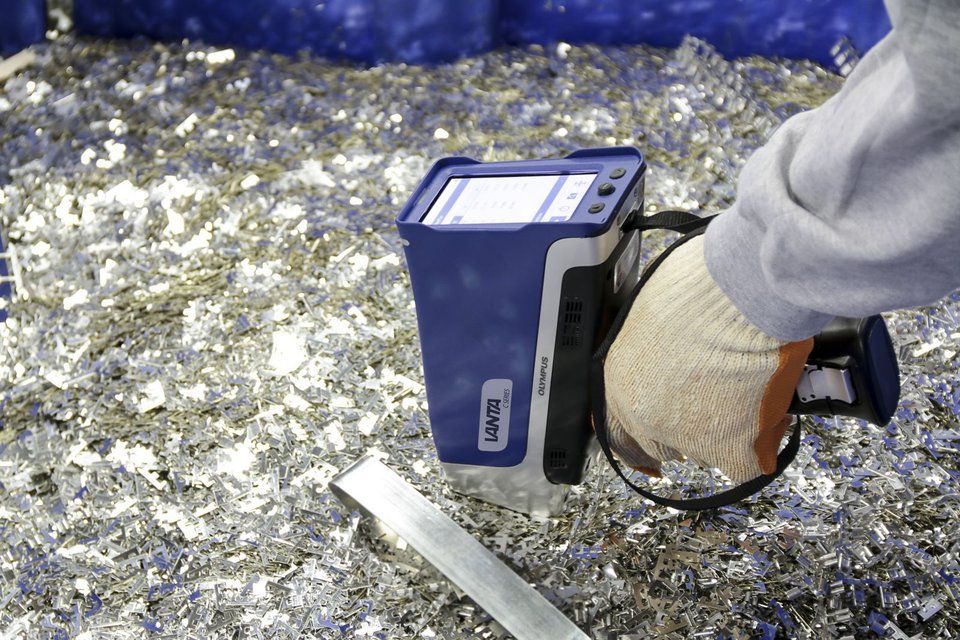
The fastest XRF applications identify metal alloy grades in just 2-5 seconds. Handheld analyzers scan stainless steel, aluminum, titanium, or copper alloys and instantly display grade identification—304 stainless, 6061 aluminum, Grade 5 titanium. This lightning-fast screening enables sorting hundreds or thousands of metal pieces per shift, verifying material deliveries in real-time, and conducting comprehensive PMI inspections without project delays.
The rapid grade identification relies on measuring key discriminating elements at concentrations sufficient for classification. Chromium, nickel, and molybdenum percentages distinguish stainless grades. Magnesium, silicon, and copper separate aluminum series. The quick scan accumulates enough data for confident grade calls supporting operational decisions.
Quantitative Analysis: 10-60 Seconds
Comprehensive quantitative analysis measuring precise elemental percentages for all constituents typically requires 10-60 seconds depending on required precision, element list, and sample characteristics. Extended measurement times accumulate better counting statistics, improving accuracy for minor elements and trace constituents. Users select measurement durations balancing speed against precision requirements—quick scans for screening, extended measurements for certification.
Even this "extended" analysis represents dramatic acceleration compared to traditional wet chemistry requiring sample dissolution, chemical separations, and instrumental analysis consuming hours per element. XRF delivers more complete data (30+ elements) faster than single-element determinations by other methods.
Laboratory Throughput: Minutes per Sample
Benchtop XRF spectrometers in laboratory settings typically analyze samples in 30 seconds to 5 minutes for complete multi-element determinations including major, minor, and trace constituents. Automated sample changers multiply throughput—loading 16-40 samples enables unattended overnight operation processing dozens of samples while laboratories are closed. This automation transforms effective capacity, allowing small laboratories to handle volumes previously requiring multiple shifts or outsourcing.
Technology Enabling Speed
Advanced Detector Systems
Silicon drift detector technology represents the breakthrough enabling fast XRF spectroscopy. These solid-state detectors combine excellent energy resolution (125-140 eV) with exceptional count rate capability. Earlier detector technologies faced trade-offs—better resolution meant lower count rates, forcing choices between spectral quality and speed. SDDs achieve both simultaneously through innovative detector architecture and thermoelectric cooling.
High count rate capability enables rapid data accumulation. Detectors processing 100,000-500,000+ photons per second collect sufficient statistics for reliable quantification in remarkably short times. The throughput capacity grows continuously as detector technology advances—next-generation systems promise even faster analysis through million-count-per-second capabilities.
Powerful X-Ray Sources
Modern X-ray tubes generate intense primary X-rays efficiently exciting fluorescence from metal samples. Miniature tubes in handheld analyzers operate at 4-8 watts while benchtop systems employ 12-60+ watt tubes. Higher power generates stronger fluorescent signals, enabling faster measurements or improved detection limits.
Variable tube settings optimize excitation for different metals and analytical requirements. Low voltages (8-15 kV) efficiently excite light elements like aluminum, magnesium, and silicon. High voltages (40-60 kV) penetrate heavy element absorption edges exciting rare earths and actinides. Automatic optimization matches settings to samples, maximizing analytical efficiency.
Digital Signal Processing
Sophisticated electronics process detector signals in real-time, converting analog pulses into digital spectra instantaneously. Advanced pulse processing algorithms including pile-up rejection, baseline correction, and adaptive shaping optimize both resolution and throughput. The digital approach enables continuous firmware improvements enhancing performance without hardware changes.
Real-time spectral processing means results appear as measurements progress rather than waiting for post-acquisition calculations. Users see spectra building, elements identifying, and concentrations calculating during measurement—providing immediate feedback supporting field decisions.
Applications Demanding Speed
High-Volume Scrap Sorting
Scrap metal recycling economics depend on throughput—more pieces sorted per hour means more revenue per operator. The 2-3 second XRF grade identification enables sorting 500-1000 pieces per shift. Stainless steels separate into 304, 316, and specialty grades commanding different prices. Aluminum alloys classify into series. Copper alloys segregate into brass and bronze families. Speed makes comprehensive sorting economically viable.
Without fast analysis, sorting relies on visual inspection, spark testing, or statistical sampling to laboratories. These approaches miss valuable classification opportunities, contaminate lots, and sacrifice revenue. XRF speed enables testing every piece economically, maximizing material value through accurate segregation.
Production Line Quality Control
Manufacturing integrates XRF into inline quality verification without slowing production. The rapid non-destructive testing confirms correct material usage in seconds, preventing batches of wrong alloys from progressing through expensive machining, forming, or assembly. Real-time results enable immediate corrective action when materials don't match specifications.
Production environments demand speed matching manufacturing pace. Foundries test castings immediately after cooling. Machine shops verify bar stock before setup. Fabricators check components before welding. The seconds-scale analysis fits naturally into production workflows, making comprehensive verification practical rather than statistically sampled spot-checks.
Critical PMI During Shutdowns
Industrial facility maintenance during turnarounds operates under intense time pressure—every hour of downtime costs thousands. Comprehensive PMI verifying piping, vessels, and equipment metallurgy must complete within limited shutdown windows. Fast XRF analysis enables inspectors to test thousands of components in days rather than weeks, preventing shutdowns from extending due to inspection bottlenecks.
The immediate results allow same-shift decisions about component replacement, repair strategies, and inspection priorities. Waiting days for laboratory results would paralyze shutdown planning and extend costly downtime. XRF speed keeps critical maintenance progressing efficiently.
Field Exploration and Resource Evaluation
Mining exploration employs fast XRF for rapid ore grade determination guiding drilling decisions in real-time. Geologists test hundreds of samples daily, generating geochemical data supporting tactical exploration adjustments. Laboratory turnaround measured in weeks would delay decisions, waste drilling on barren targets, and miss opportunities on promising zones. XRF speed accelerates discovery cycles and optimizes exploration efficiency.
Speed Without Sacrificing Accuracy
Fast analysis means nothing without accuracy, and modern XRF spectroscopy delivers both. Measurement precision typically reaches 0.1-0.3% relative standard deviation for major elements—sufficient for alloy identification, specification verification, and most quality control applications. This accuracy approaches or matches slower traditional methods while delivering results hundreds of times faster.
The speed-accuracy balance comes from technological advances rather than compromises. Better detectors, more powerful sources, sophisticated algorithms, and optimized measurement methods enable reliable fast measurements impossible just years ago. Users no longer choose between speed and quality—modern XRF provides both.
Extended measurement times improve precision when applications demand ultimate accuracy. Certification testing, research applications, or borderline specification calls justify 60-120 second measurements achieving 0.05-0.1% precision. The flexibility accommodates diverse requirements—fast screening when speed matters, extended precision when accuracy is critical.
The Competitive Advantage of Speed
Organizations implementing fast XRF spectroscopy gain competitive advantages through multiple channels. Faster quality control catches errors earlier when correction costs less. Higher testing volumes improve statistical confidence in material quality. Real-time results enable immediate operational decisions keeping production flowing. Comprehensive verification builds customer confidence and reduces liability risks.
The speed transforms feasible testing volumes. Laboratory-dependent testing costing hundreds per sample becomes impractical for routine verification—organizations resort to sampling strategies accepting some risk. XRF analysis costing pennies per test in operator time and consumables makes 100% inspection economically viable, dramatically improving quality assurance thoroughness.
Conclusion
XRF spectroscopy has revolutionized metal analysis by delivering laboratory-quality multi-element compositional data in seconds rather than hours or days. The combination of instantaneous atomic X-ray fluorescence, advanced silicon drift detectors processing hundreds of thousands of photons per second, powerful X-ray sources, and sophisticated real-time signal processing creates analytical capability matching the pace of modern manufacturing, recycling, and materials testing operations.
The 2-5 second alloy identification and 10-60 second comprehensive quantification enable applications impossible with slower techniques—high-volume scrap sorting, inline production quality control, rapid PMI during maintenance, and real-time exploration decisions. This speed delivers competitive advantages through prevented errors, accelerated workflows, improved material utilization, and comprehensive quality documentation.
As detector technology continues advancing and signal processing grows more sophisticated, XRF spectroscopy becomes even faster without sacrificing accuracy. For industries where material composition affects quality, safety, value, or compliance, fast XRF spectral analysis represents the proven solution delivering the immediate analytical data that modern operations demand for competitive success.
Related posts
-
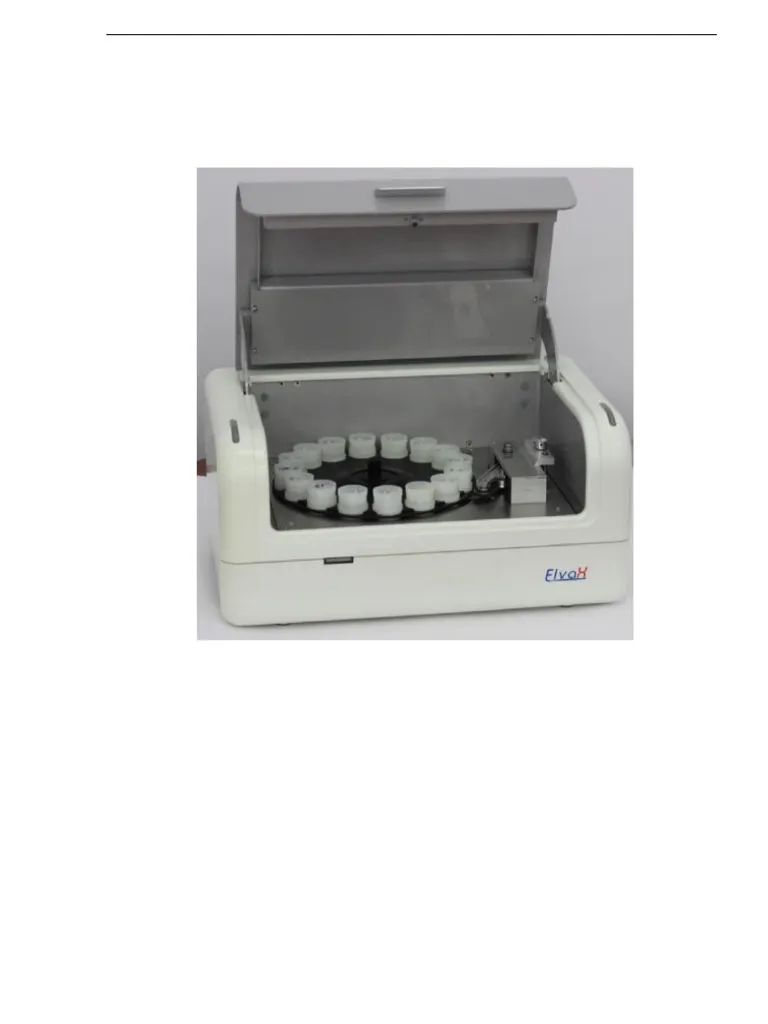 XRF Spectrometer: ElvaX Metal Analysis Solutions
Metal analysis drives quality control, material verification, and production excellence across manufacturing...Einzelheiten
XRF Spectrometer: ElvaX Metal Analysis Solutions
Metal analysis drives quality control, material verification, and production excellence across manufacturing...Einzelheiten -
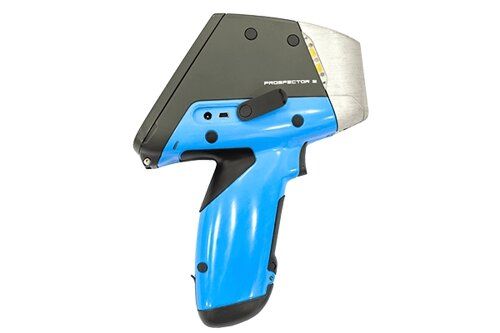 Portable XRF Spectrometer: ProSpector 3 High Speed
Speed defines competitive advantage in modern materials testing. The ProSpector 3 portable XRF spectrometer...Einzelheiten
Portable XRF Spectrometer: ProSpector 3 High Speed
Speed defines competitive advantage in modern materials testing. The ProSpector 3 portable XRF spectrometer...Einzelheiten -
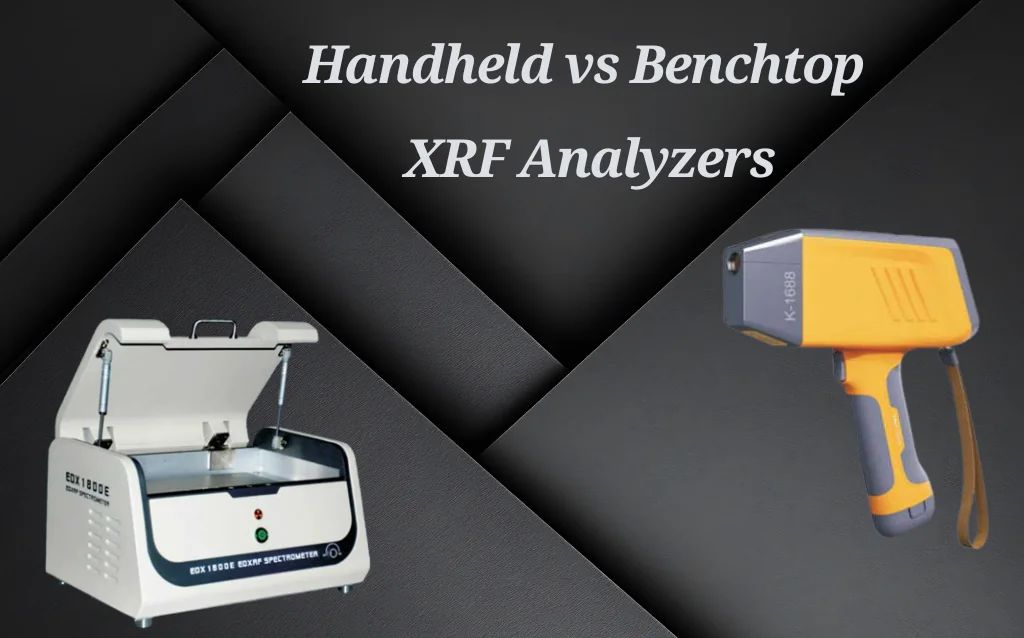 XRF Spectrometers: 2026 Model Selection Guide
Selecting the right XRF spectrometer requires matching instrument capabilities to your specific analytical...Einzelheiten
XRF Spectrometers: 2026 Model Selection Guide
Selecting the right XRF spectrometer requires matching instrument capabilities to your specific analytical...Einzelheiten -
 Portable XRF Spectrometer: Field Applications
Portable XRF spectrometers have transformed materials testing by bringing laboratory-quality elemental analysis...Einzelheiten
Portable XRF Spectrometer: Field Applications
Portable XRF spectrometers have transformed materials testing by bringing laboratory-quality elemental analysis...Einzelheiten -
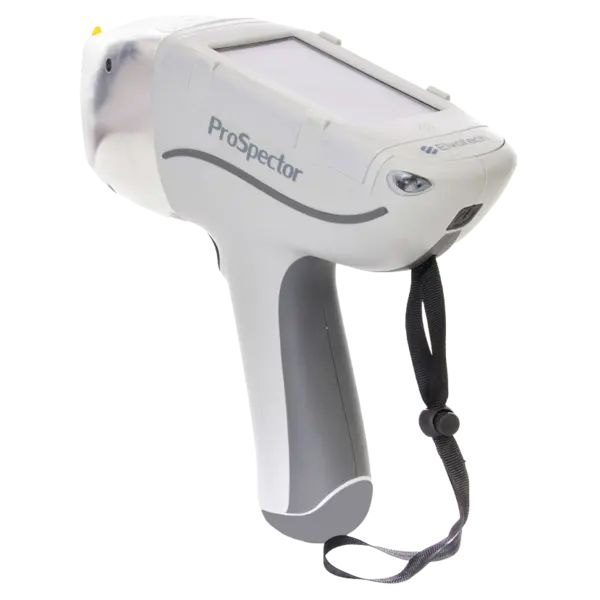 Handheld XRF Spectrometer: ProSpector 2
The ProSpector 2 handheld XRF spectrometer represents proven technology trusted by thousands of users worldwide for...Einzelheiten
Handheld XRF Spectrometer: ProSpector 2
The ProSpector 2 handheld XRF spectrometer represents proven technology trusted by thousands of users worldwide for...Einzelheiten