

Soil and Sediment Analysis
XRF Analysis of Clays and Oxide-Based Materials
X-ray fluorescence provides a rapid and straightforward approach to quantifying major and minor components in oxide-rich substances like clays, slags, limestones, and related materials.
Key strengths of modern XRF systems include straightforward sample handling, excellent accuracy and repeatability, brief measurement durations, and versatile calibration using fundamental parameters algorithms. This calibration strategy supports broad elemental coverage across wide concentration ranges without the need for material-specific adjustments.
Typical applications focus on measuring oxides such as CaO, SiO₂, Al₂O₃, Fe₂O₃, SO₃, Na₂O, MgO, K₂O, P₂O₅, TiO₂, Mn₂O₃, ZnO, SrO, and others.
Suitable Materials for XRF Examination
XRF instruments handle a diverse array of minerals and processed materials, including but not limited to:
- Various clays (e.g., kaolin, bentonite)
- Ceramics and pottery
- Feldspars and spars
- Sands and silica-based aggregates
- Limestones and carbonates
- Cements and concrete mixes
- Archaeological artifacts
- Construction products
- Slags, ashes, and industrial byproducts
Recommended Instrumentation
Oxide-dominated samples and natural minerals primarily contain light elements, so analyzers equipped with helium purging capabilities perform best for optimal detection of low-atomic-number components. High-voltage tubes (e.g., 45 kV Rh anode) paired with large-area silicon drift detectors (SDD) deliver superior energy resolution, low detection limits, and fast acquisition times. Such setups cover elements from Na through U effectively.
For field-based work, compact handheld XRF devices or portable benchtop units with helium flush options are ideal for on-site measurements.
These systems come with intuitive yet powerful software that caters to both novice users and advanced operators.
Sample Preparation Guidelines
For maximum precision, basic preparation enhances results: grind the material to approximately 50 microns particle size, homogenize thoroughly, and press into pellets using a 20-ton press for about 30 seconds.
When ultimate accuracy is not required (e.g., screening or rapid field checks), direct analysis of clays, limestones, or other minerals is feasible with little to no preparation using handheld or portable instruments.
Calibration and Measurement Procedure
Calibration typically relies on a set of reference clay standards to establish responses for key oxides (Na₂O, MgO, SiO₂, Al₂O₃, Fe₂O₃, SO₃, K₂O, P₂O₅, TiO₂, Mn₂O₃, ZnO, SrO, etc.). The fundamental parameters method assumes all elements are present in oxide form, enabling matrix-independent quantification.
Loss on ignition (LOI) cannot be measured directly by XRF, so it must be determined separately (e.g., via gravimetric methods) and incorporated as a correction factor in the software.
Spectrum collection usually involves two stages: a primary high-energy pass (around 35 kV) for heavier elements and a low-energy pass (around 12 kV) optimized for lighter ones. Standard measurement times are around 60 seconds, with longer durations available for improved precision when needed.
Performance Summary
Comparative studies show strong agreement between XRF results and traditional laboratory methods for major oxides in clays and similar materials. Overall, XRF delivers fast, cost-effective, and accurate analysis — suitable for both laboratory and field environments — across a wide range of oxide-based minerals, clays, sands, limestones, cements, ceramics, slags, and related substances. This makes it a practical choice for geochemical, environmental, and industrial applications requiring reliable elemental profiling.
Related posts
-
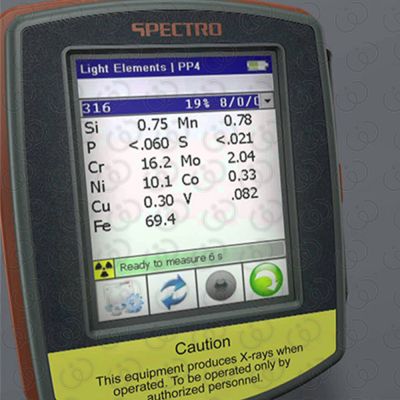 XRF Analyzer: Portable Metal Composition Tester
Portable XRF analyzers have revolutionized metal composition testing by delivering laboratory-quality elemental...Einzelheiten
XRF Analyzer: Portable Metal Composition Tester
Portable XRF analyzers have revolutionized metal composition testing by delivering laboratory-quality elemental...Einzelheiten -
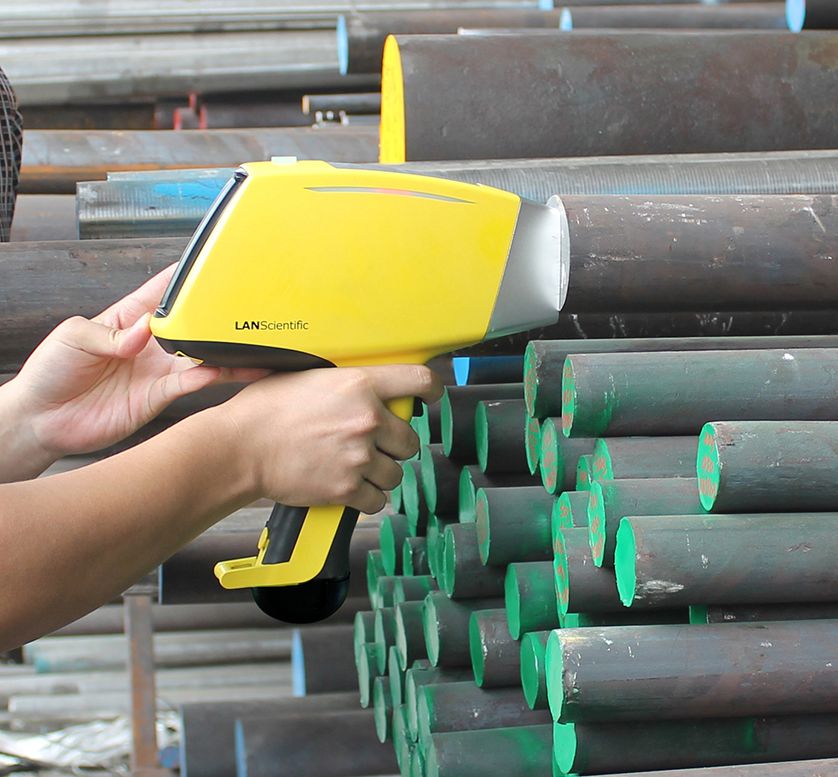 XRF Fluorescence Analyzer: Material Testing Device
XRF fluorescence analyzers stand as versatile material testing devices that revolutionize how industries analyze...Einzelheiten
XRF Fluorescence Analyzer: Material Testing Device
XRF fluorescence analyzers stand as versatile material testing devices that revolutionize how industries analyze...Einzelheiten -
 Handheld XRF Analyzer: ElvaX ProSpector Metal Scanner
The ElvaX ProSpector represents a cutting-edge advancement in handheld XRF analyzer technology, combining...Einzelheiten
Handheld XRF Analyzer: ElvaX ProSpector Metal Scanner
The ElvaX ProSpector represents a cutting-edge advancement in handheld XRF analyzer technology, combining...Einzelheiten -
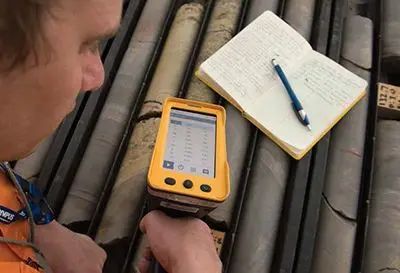 Handheld XRF Analyser: Fast Alloy Composition Testing
Speed and accuracy define modern alloy composition testing, and handheld XRF analysers deliver both in portable...Einzelheiten
Handheld XRF Analyser: Fast Alloy Composition Testing
Speed and accuracy define modern alloy composition testing, and handheld XRF analysers deliver both in portable...Einzelheiten -
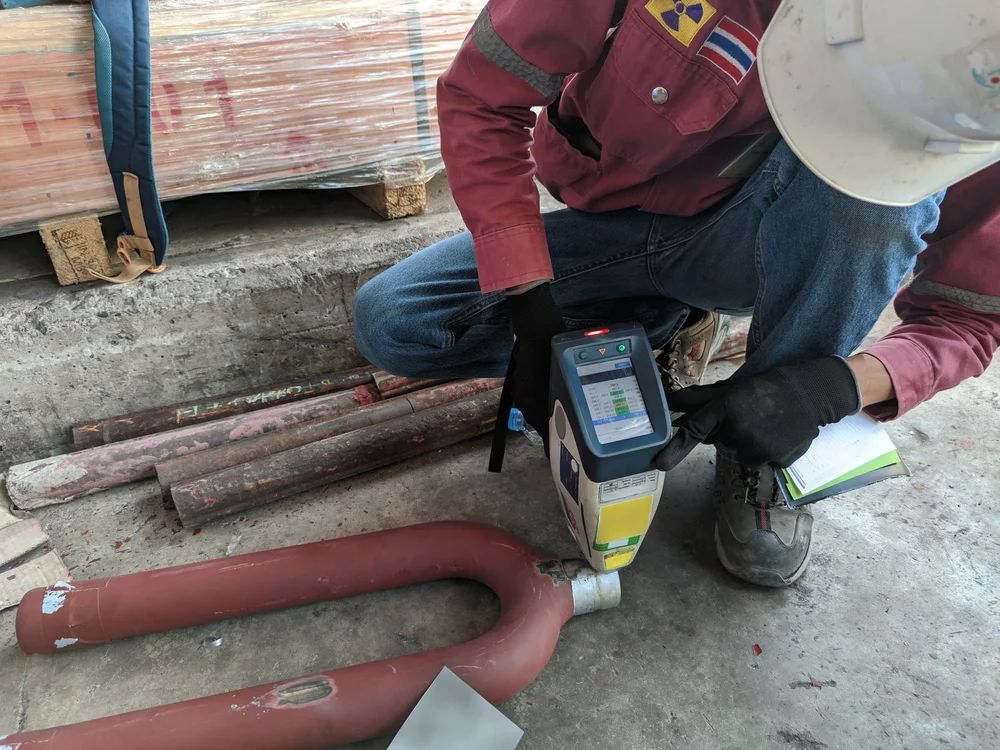 Portable XRF Analyzer: Metalworking Field Testing
Metalworking demands speed and precision—materials arrive, parts get fabricated, components are installed, all on...Einzelheiten
Portable XRF Analyzer: Metalworking Field Testing
Metalworking demands speed and precision—materials arrive, parts get fabricated, components are installed, all on...Einzelheiten