
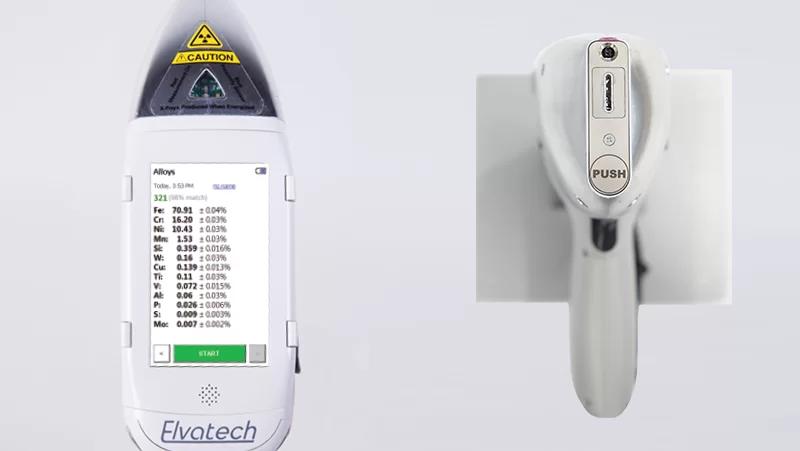
ProSpector 2 XRF: High CPS Portable Metal Analysis
Understanding Count Rate Performance
Count rate—measured in counts per second (CPS)—quantifies how many fluorescent X-ray photons a detector processes per unit time. Higher count rates enable faster data accumulation supporting rapid elemental quantification. A detector processing 500,000 CPS collects equivalent statistical data in one-fourth the time of a 125,000 CPS detector, directly translating to proportionally faster analysis.
The relationship between count rate and measurement speed proves fundamental. Elemental quantification requires accumulating sufficient fluorescent photon counts achieving statistical reliability—typically 10,000-100,000 counts per element depending on required precision. A high-CPS detector accumulates these counts rapidly, completing measurements in seconds. Lower-CPS systems require extended measurement times to achieve equivalent statistics, constraining throughput and operational efficiency.
ProSpector 2's exceptional 500,000+ CPS count rate represents state-of-the-art performance enabling the fastest handheld metal analysis available. This capability results from advanced silicon drift detector technology, optimized X-ray source intensity, sophisticated signal processing electronics, and precision pulse handling—sophisticated components engineered for maximum photon throughput without sacrificing energy resolution or analytical accuracy.
Silicon Drift Detector Technology
Advanced Detector Architecture
Silicon drift detectors (SDD) in ProSpector 2 achieve high count rates through innovative electrode design enabling rapid charge collection and processing. Concentric ring electrodes create electric fields efficiently drifting charge carriers toward central collection anodes. This architecture minimizes processing time per detected photon enabling rapid sequential photon handling.
The SDD design simultaneously achieves exceptional energy resolution around 140 eV at manganese Kα—performance clearly separating closely-spaced elemental peaks in complex alloy spectra containing 20-40 simultaneous elements. Traditional detector technology forced trade-offs between speed and resolution; ProSpector 2's advanced SDD eliminates this constraint delivering both maximum count rate and superior spectral quality.
Thermoelectric Cooling
Thermoelectric cooling maintains stable detector temperature crucial for consistent performance. Temperature fluctuations degrade detector energy calibration and efficiency. ProSpector 2's cooling system maintains optimal operating temperature despite ambient temperature variations encountered in field environments, ensuring reliable high-CPS operation from arctic winters to desert summers.
High-CPS Impact on Analysis Speed
Grade Identification Speed
ProSpector 2's high count rate enables alloy grade identification completing in just 2-5 seconds. The rapid measurement accumulates sufficient data for confident grade classification within minimal timeframe. Stainless steel grades distinguish through chromium-nickel-molybdenum profiles. Aluminum series separate through elemental patterns. Copper alloy families classify through compositional fingerprints—all within seconds.
This exceptional speed enables sorting 500-1000 metal pieces per shift in scrap yard operations. Where conventional handheld analyzers require 10-15 seconds per item, ProSpector 2 completes identification in 2-5 seconds—3-7x faster throughput directly improving recycling profitability through enhanced volume processing.
Quantitative Analysis Capability
Comprehensive quantitative analysis measuring precise elemental percentages completes in 10-30 seconds depending on required precision and element list. The high count rate accumulates better statistics within shorter times enabling accurate minor element and trace constituent measurement. Organizations requiring detailed compositional profiles for quality certification or process control receive complete data in practical timeframes supporting operational workflows.
The speed enables high-volume production testing supporting inline quality verification. Manufacturing facilities test components continuously throughout production without creating workflow bottlenecks. The rapid analysis fits naturally into lean manufacturing principles maintaining production momentum while ensuring comprehensive quality verification.
Optimized X-Ray Excitation System
Efficient X-Ray Generation
ProSpector 2's efficient X-ray source generates intense primary radiation despite modest 4-5 watt power consumption in handheld format. The miniature X-ray tube optimizes electron-to-X-ray conversion minimizing energy waste while maximizing fluorescent photon production. Higher primary beam intensity excites more sample atoms producing proportionally more fluorescent X-rays reaching the detector.
Variable voltage operation from 10-50 kilovolts enables element-specific optimization. Lower voltages efficiently excite light elements like magnesium and aluminum. Higher voltages penetrate to excite heavy elements. Automatic optimization matches excitation to analyzed alloys maximizing fluorescence efficiency and photon output feeding the detector at maximum count rate.
Primary Beam Filtering
Multi-position automatic filter changers optimize primary beam for different materials and element groups. Appropriate filters reduce background radiation, minimize matrix effects reducing spectral complexity, and enhance signal-to-noise ratios. The optimized primary beam maximizes useful fluorescent photon production improving count rate efficiency and measurement reliability.
Digital Signal Processing Excellence
Advanced Pulse Processing
Sophisticated signal processing electronics convert detector outputs into precise energy measurements at exceptional speed. Dynamically Adaptive Shaping (DAS) digital pulse processing with 80 MHz sampling rate optimizes both energy resolution and count rate simultaneously. The advanced algorithm processes individual photon pulses extracting maximum information while handling rapid photon arrival rates.
High-speed analog-to-digital converters capture detector signals with minimal distortion. Real-time digital filtering removes noise, improving signal clarity. The sophisticated processing enables achieving high count rates while maintaining energy resolution typically 140 eV—performance impossible with basic signal handling electronics.
Real-Time Analysis
Digital processing enables real-time spectral analysis. Results build as measurements progress—operators see spectra forming, elements identifying, concentrations calculating during testing. The immediate feedback provides confidence in measurement completion and result quality. Progressive analysis visibility proves particularly valuable for field testing where confirming sufficient data accumulation prevents premature measurement termination.
Measurement Speed Applications
Scrap Metal Recycling
Scrap operations depend on rapid material classification maximizing throughput. ProSpector 2's 2-5 second grade identification enables processing hundreds of pieces daily per operator. Stainless steel grades segregate by chromium-nickel-molybdenum content separating 304 from 316 from duplex compositions. Aluminum series distinguish through characteristic elemental patterns. Copper alloy families classify preventing valuable materials from downgrading into mixed lots.
The speed directly increases recycling profitability. Testing more pieces per shift increases material volume processed improving revenue. Accurate compositional segregation maximizes material values—specialty alloys commanding premium prices avoid mixing with lower-value compositions. The operational efficiency justifies ProSpector 2 investment through economic benefits.
Manufacturing Inline Quality Control
Production facilities integrate rapid ProSpector 2 testing into manufacturing workflows. Incoming material verification prevents wrong alloys entering inventory. In-process testing confirms correct material selection before expensive fabrication. Final inspection certifies finished products meet specifications. The seconds-scale analysis enables comprehensive testing without slowing production.
Quality technicians test components at workstations where production occurs, encouraging frequent verification. The convenience of rapid on-site testing increases testing frequency improving quality control effectiveness. Errors receive immediate identification preventing further processing of non-conforming materials.
Field PMI Inspection
Construction facility inspection programs employ rapid ProSpector 2 analysis for comprehensive positive material identification. Inspectors verify thousands of installed components during facility construction or maintenance. The rapid 2-5 second testing enables meeting inspection schedules without extending project timelines. GPS integration documents tested locations, dual cameras photograph measurement points creating complete inspection records.
Mining and Exploration
Field geologists employ high-CPS ProSpector 2 for rapid ore grade assessment. Rock samples, drill core, and mineral specimens undergo quick analysis providing immediate geochemical data guiding drilling decisions and exploration strategies. The rapid feedback enables tactical drilling adjustments optimizing exploration efficiency and resource discovery.
Accuracy and Precision with Speed
High count rates don't compromise analytical quality. ProSpector 2 achieves accuracy typically 0.1-0.3% relative for major and minor elements—laboratory-grade performance. Precision through repeated measurements reaches 0.05-0.5% relative standard deviation demonstrating exceptional repeatability. The combination of speed and quality proves that rapid analysis doesn't sacrifice reliability.
The relationship between count rate and precision proves beneficial. Higher count rates accumulate better counting statistics in equivalent timeframes improving precision. Alternatively, high count rates achieve equivalent precision in shorter measurement times. Organizations can prioritize speed for rapid screening or invest extra time in extended measurements for improved precision—flexible capability matching diverse requirements.
Battery Efficiency and Field Operation
Despite exceptional count rate capability, ProSpector 2 maintains excellent power efficiency. High-performance electronics optimize energy consumption supporting 8-10 hour battery operation—full work shifts enabling field testing without charging constraints. Intelligent power management adjusts X-ray output based on measurement requirements balancing performance against battery consumption.
Hot-swappable battery designs enable uninterrupted testing during extended field campaigns. Users rotate charged batteries maintaining continuous operation during time-critical inspections, plant shutdowns, or high-throughput testing operations where charging downtime proves unacceptable.
Conclusion
The ProSpector 2 handheld XRF analyzer delivers industry-leading high-CPS performance—exceptional 500,000+ counts per second count rate enabling the fastest portable metal analysis available. The advanced silicon drift detector technology, optimized X-ray excitation, sophisticated digital signal processing, and precision electronics combine delivering 2-5 second alloy identification and 10-30 second quantitative analysis supporting rapid compositional verification across industries.
From scrap metal recycling maximizing throughput through rapid material segregation, through manufacturing quality control enabling comprehensive inline testing, to field PMI inspection supporting construction schedules, to mining exploration accelerating discovery—ProSpector 2's exceptional speed delivers operational advantages impossible with conventional analyzers. The high-CPS performance directly translates to operational efficiency, enhanced productivity, and improved profitability through faster material testing.
For professionals requiring rapid portable metal analysis combining exceptional speed with laboratory-grade accuracy and non-destructive sample preservation, ProSpector 2 represents proven technology supporting operational excellence, quality assurance, and competitive success across industries worldwide where portable XRF analysis speed determines testing efficiency and operational performance.
Related posts
-
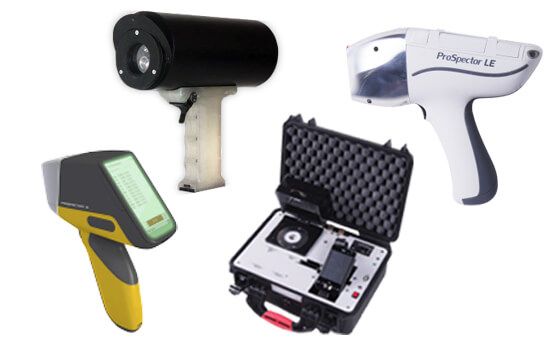 ProSpector Handheld XRF: Complete Analyzer Lineup
Handheld metal analysis demands portable instruments delivering laboratory-quality elemental composition in seconds...Einzelheiten
ProSpector Handheld XRF: Complete Analyzer Lineup
Handheld metal analysis demands portable instruments delivering laboratory-quality elemental composition in seconds...Einzelheiten -
 ProSpector 3: Fastest Handheld XRF >500k CPS
Speed represents the ultimate competitive advantage in portable metal analysis—instruments processing more X-ray...Einzelheiten
ProSpector 3: Fastest Handheld XRF >500k CPS
Speed represents the ultimate competitive advantage in portable metal analysis—instruments processing more X-ray...Einzelheiten -
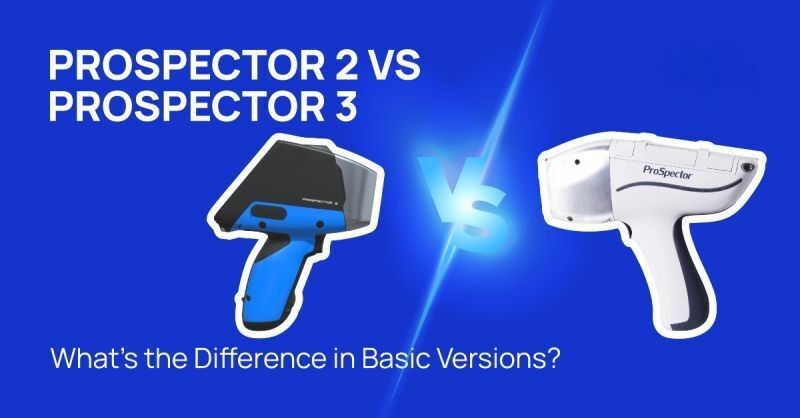 ProSpector 2 vs 3: Speed & Accuracy Comparison
Selecting an optimal handheld XRF analyzer requires understanding how competing models balance speed and accuracy...Einzelheiten
ProSpector 2 vs 3: Speed & Accuracy Comparison
Selecting an optimal handheld XRF analyzer requires understanding how competing models balance speed and accuracy...Einzelheiten -
 ProSpector Non-Destructive Alloy Analysis
Material value preservation determines critical difference between destructive and non-destructive analytical...Einzelheiten
ProSpector Non-Destructive Alloy Analysis
Material value preservation determines critical difference between destructive and non-destructive analytical...Einzelheiten -
 ProSpector Line: Professional Handheld XRF Analyzers
The ProSpector line represents the pinnacle of portable X-ray fluorescence technology, combining laboratory-grade...Einzelheiten
ProSpector Line: Professional Handheld XRF Analyzers
The ProSpector line represents the pinnacle of portable X-ray fluorescence technology, combining laboratory-grade...Einzelheiten