
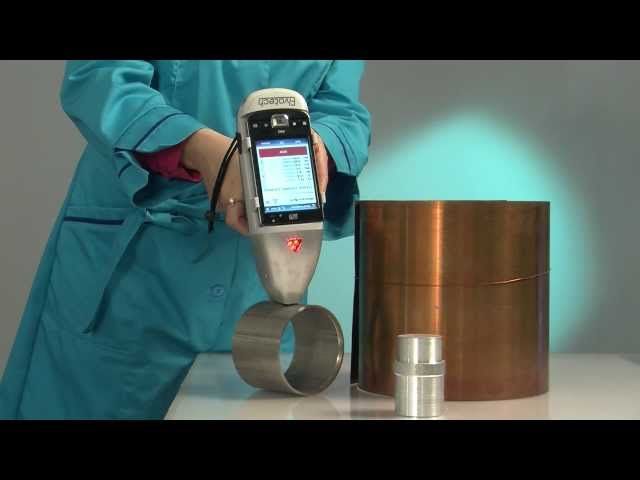
Analyzers and Devices: Comprehensive Guide to XRF Technology
What to Expect in This Section
This section provides detailed insights into the complete spectrum of XRF analysis technology, from fundamental principles to advanced applications. You'll discover comprehensive information about portable metal composition testers that bring laboratory accuracy to field environments, enabling on-site material verification without sample preparation. We explore material testing devices that utilize fluorescence technology to identify elemental composition across diverse sample types, from industrial alloys to environmental specimens.
Our coverage includes in-depth analyses of specific analyzer models like the ElvaX ProSpector metal scanner, examining its capabilities for handheld operation in demanding industrial environments. You'll learn about fast alloy composition testing methodologies that deliver results in seconds, transforming quality control processes and positive material identification workflows. The section addresses metalworking field testing applications where portability and ruggedness combine with analytical precision.
We provide practical guidance on purchasing decisions, including price considerations and comparative analyses between different analyzer models and configurations. For laboratory professionals, we examine benchtop models that offer enhanced capabilities, higher throughput, and expanded analytical ranges. Additionally, specialized devices for precious metals testing demonstrate how XRF technology serves jewelry professionals, gold buyers, and authentication specialists with karat-level accuracy.
Understanding XRF Technology Fundamentals
How XRF Analysis Works
X-ray fluorescence spectroscopy represents a powerful analytical technique based on fundamental atomic physics principles. When high-energy X-rays from an analyzer's tube strike a sample, they excite electrons within the atoms of the material. As these excited electrons return to their ground state, they emit characteristic fluorescent X-rays with energies unique to each chemical element. The analyzer's detector captures these fluorescent X-rays, and sophisticated software interprets the spectral patterns to identify elements present and calculate their concentrations.
This non-destructive testing method preserves sample integrity completely, making it ideal for analyzing valuable items, finished products, and irreplaceable specimens. The analysis requires no sample preparation, produces no waste materials, and delivers results in seconds rather than the hours or days required by traditional wet chemistry methods. XRF technology measures elements across a broad atomic range, from light elements like magnesium and aluminum through heavy elements including lead, tin, and precious metals.
Energy Dispersive vs Wavelength Dispersive XRF
Modern XRF analyzers primarily utilize energy-dispersive technology (EDXRF), which offers exceptional versatility and compact design suitable for both portable and benchtop configurations. EDXRF analyzers employ solid-state detectors that simultaneously measure X-rays across all energies, enabling rapid multi-element analysis in a single measurement cycle. This approach provides excellent performance for most industrial, environmental, and precious metals applications while maintaining reasonable equipment costs and minimal maintenance requirements.
Wavelength-dispersive XRF (WDXRF) represents an alternative technology typically found in large laboratory instruments, offering superior spectral resolution for complex samples requiring the highest possible accuracy. However, EDXRF's combination of speed, versatility, and portability makes it the preferred choice for the vast majority of field and laboratory applications covered in this section.
Portable Handheld Analyzers
Advantages of Portable XRF Devices
Portable handheld XRF analyzers transform material testing by bringing laboratory-grade analytical capabilities directly to the sample location. These rugged instruments withstand harsh industrial environments including construction sites, scrap yards, manufacturing facilities, and remote field locations. Their battery-powered operation eliminates dependence on electrical infrastructure, enabling testing anywhere from offshore platforms to mining exploration sites.
The immediate results provided by portable analyzers accelerate decision-making processes dramatically. Quality control inspectors verify incoming materials instantly, preventing costly manufacturing errors. Scrap metal operators sort alloys accurately for optimal recycling value. Maintenance technicians perform positive material identification on critical components without disassembly or service interruption. This real-time analytical capability fundamentally changes workflow efficiency across industries.
Key Features of Modern Handheld Units
Contemporary portable XRF analyzers incorporate advanced silicon drift detectors (SDD) that deliver exceptional sensitivity and spectral resolution despite compact dimensions. High-voltage X-ray tubes provide powerful excitation for accurate analysis of diverse alloy systems and wide elemental ranges. Integrated GPS and cameras document sample locations and appearances, creating comprehensive testing records with minimal user effort.
Ergonomic designs minimize operator fatigue during extended testing campaigns, while intuitive touchscreen interfaces enable operation without extensive training. Wireless connectivity facilitates data transfer to cloud systems and enterprise databases, integrating XRF results into broader quality management workflows. Sophisticated calibrations for hundreds of alloy grades ensure accurate identification across ferrous metals, stainless steels, aluminum alloys, copper alloys, titanium alloys, and specialty materials.
Benchtop Laboratory Analyzers
Enhanced Capabilities of Benchtop Models
Benchtop XRF analyzers offer significant analytical advantages for laboratory environments where sample throughput, accuracy, and measurement flexibility are paramount. These instruments typically feature higher-power X-ray tubes operating at elevated voltages, enabling superior excitation of challenging elements and improved detection limits. Larger detector areas capture more fluorescent photons simultaneously, reducing analysis time while enhancing precision.
Advanced features like helium purging dramatically improve light element sensitivity, enabling accurate quantification of magnesium, aluminum, silicon, phosphorus, and sulfur that challenge portable analyzers. Motorized sample chambers accommodate diverse sample geometries from small jewelry pieces to large industrial specimens. Multiple collimator positions allow optimization of measurement spot size, balancing sensitivity and spatial resolution based on sample characteristics.
Automation and Productivity Features
High-throughput laboratories benefit from optional automatic sample changers that enable unattended batch processing of multiple specimens. These robotic systems load samples sequentially, execute predefined measurement protocols, and archive results automatically, freeing laboratory personnel for value-added activities. Sample spinners ensure uniform analysis of inhomogeneous materials by averaging measurements across rotating samples, improving result representativeness.
Integrated printers produce professional analytical certificates documenting composition results, measurement parameters, and quality control statistics. Connection to laboratory information management systems (LIMS) facilitates seamless integration of XRF data into comprehensive quality assurance frameworks. Advanced software supports method development, calibration customization, and multi-element quantitative analysis across diverse material matrices.
Specialized Precious Metals Analyzers
Jewelry Industry Applications
Specialized XRF analyzers designed for precious metals testing address the unique requirements of jewelry professionals, pawn shops, gold buyers, and customs authorities. These instruments display results in both percentage composition and familiar karat values, making information immediately accessible to non-technical users. Integrated high-accuracy scales measure sample weight simultaneously with composition analysis, providing complete information for valuation in single operations.
Built-in printers generate professional certificates documenting purity, weight, and calculated values based on current market prices. Customer-facing displays create transparency during testing, building trust by showing clients their items being analyzed and results appearing in real-time. CCD cameras enable precise targeting of small sample areas, ensuring measurements from specific locations like hallmarks or suspected problem areas.
Authentication and Fraud Detection
Advanced algorithms detect surface coatings and plating that could mislead traditional testing methods, protecting against gold or silver-plated base metal items. The ability to measure through varying depths reveals compositional differences between surfaces and bulk material, identifying sophisticated counterfeits. Analysis of unusual alloy compositions flags potential fraudulent items that don't match standard precious metal formulations.
This comprehensive analytical capability makes specialized XRF analyzers essential tools for authentication and quality control throughout the precious metals supply chain, from mining and refining through retail sales and estate evaluation.
Application-Specific Considerations
Industrial Quality Control
Manufacturing facilities employ XRF analyzers for incoming material verification, ensuring raw materials match specifications before entering production. In-process testing confirms proper alloy grades during fabrication, preventing costly rework or product failures. Final product inspection validates composition compliance with customer requirements and regulatory standards. The speed and non-destructive nature of XRF testing makes it ideal for 100% inspection protocols where every piece requires verification.
Scrap Metal Recycling
Recycling operations depend on XRF technology for rapid, accurate sorting of mixed scrap streams into value-optimized categories. Portable analyzers enable field acquisition, helping buyers make informed purchasing decisions on-site. Yard operations sort materials efficiently, maximizing recovery value through precise grade segregation. The technology identifies valuable alloying elements and detects tramp elements that could contaminate subsequent processing.
Mining and Exploration
Geological exploration teams utilize portable XRF analyzers for ore grade estimation during field campaigns, guiding drilling programs and resource delineation. Mining operations employ the technology for grade control, optimizing extraction strategies based on real-time compositional data. Environmental monitoring around mining sites benefits from XRF's ability to measure heavy metals and contamination indicators in soils and sediments.
Choosing the Right Analyzer
Assessing Your Requirements
Selecting the optimal XRF analyzer begins with clearly defining your analytical needs. Consider the elements you must measure and the required detection limits for your specific applications. Evaluate typical sample types, sizes, and geometries that the instrument must accommodate. Determine whether field portability is essential or whether benchtop laboratory operation suffices. Assess required throughput, measurement speed, and whether automation features would enhance productivity.
Budget considerations extend beyond initial purchase price to include ongoing operational costs, calibration maintenance, and potential service requirements. Training requirements vary between instruments, with user-friendly interfaces reducing learning curves and enabling broader staff utilization.
Comparing Models and Specifications
Key specifications to compare include X-ray tube voltage and current, which determine elemental range coverage and sensitivity. Detector type and area directly impact spectral resolution and count rate capabilities. Collimator options affect spatial resolution and small-spot analysis capabilities. Software features, calibration libraries, and upgrade pathways influence long-term value and analytical flexibility.
Practical considerations like weight, battery life, and environmental ratings matter significantly for portable units. Benchtop models require evaluation of sample chamber dimensions, automation options, and connectivity capabilities. Vendor support, warranty terms, and calibration service availability represent important decision factors beyond technical specifications.
Future of XRF Technology
XRF analyzer technology continues advancing through improved detector performance, more powerful X-ray sources, and increasingly sophisticated analytical algorithms. Artificial intelligence and machine learning enhance spectral interpretation, enabling more accurate analysis of complex matrices and challenging sample types. Cloud connectivity and data analytics transform individual measurements into comprehensive materials intelligence across entire supply chains.
Miniaturization trends may eventually deliver even more compact portable analyzers without sacrificing performance, while benchtop instruments expand capabilities toward light element analysis and trace-level detection. Integration with other analytical techniques creates hybrid instruments offering complementary information in single platforms. These ongoing innovations ensure XRF technology remains at the forefront of rapid, non-destructive material characterization for decades to come.
Conclusion
XRF analyzers and devices represent essential tools across diverse industries requiring rapid, accurate, non-destructive material analysis. From portable handheld units like the XRF Analyzer: Portable Metal Composition Tester bringing field testing capabilities to industrial environments, to the XRF Fluorescence Analyzer: Material Testing Device serving laboratory applications, these instruments transform how professionals characterize materials. The Handheld XRF Analyzer: ElvaX ProSpector Metal Scanner exemplifies modern portable technology, while Handheld XRF Analyser: Fast Alloy Composition Testing demonstrates speed advantages revolutionizing quality control workflows.
Field professionals benefit from Portable XRF Analyzer: Metalworking Field Testing capabilities that eliminate sample transport delays and accelerate decision-making. Those considering acquisition can explore Buy XRF Analyzer: ElvaX ProSpector Prices information and evaluate options through XRF Analyzer Price: ElvaX vs ProSpector Comparison analyses. Laboratory settings demand the enhanced capabilities of Benchtop XRF Analyzer: ElvaX Plus Laboratory Model configurations offering superior throughput and analytical performance.
Whether your needs involve industrial quality control, precious metals authentication, scrap metal recycling, mining exploration, or research applications, the right XRF analyzer delivers immediate return on investment through improved efficiency, reduced material costs, and enhanced quality assurance. This section provides the comprehensive information needed to understand XRF technology capabilities and select the optimal analyzer for your specific requirements.
Related posts
-
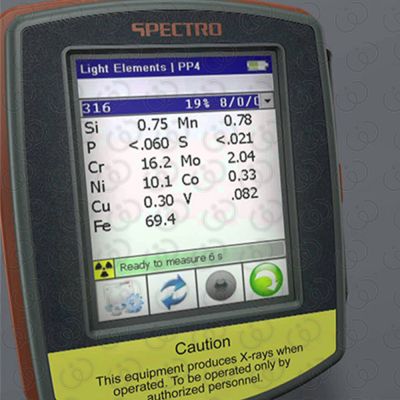 XRF Analyzer: Portable Metal Composition Tester
Portable XRF analyzers have revolutionized metal composition testing by delivering laboratory-quality elemental...Einzelheiten
XRF Analyzer: Portable Metal Composition Tester
Portable XRF analyzers have revolutionized metal composition testing by delivering laboratory-quality elemental...Einzelheiten -
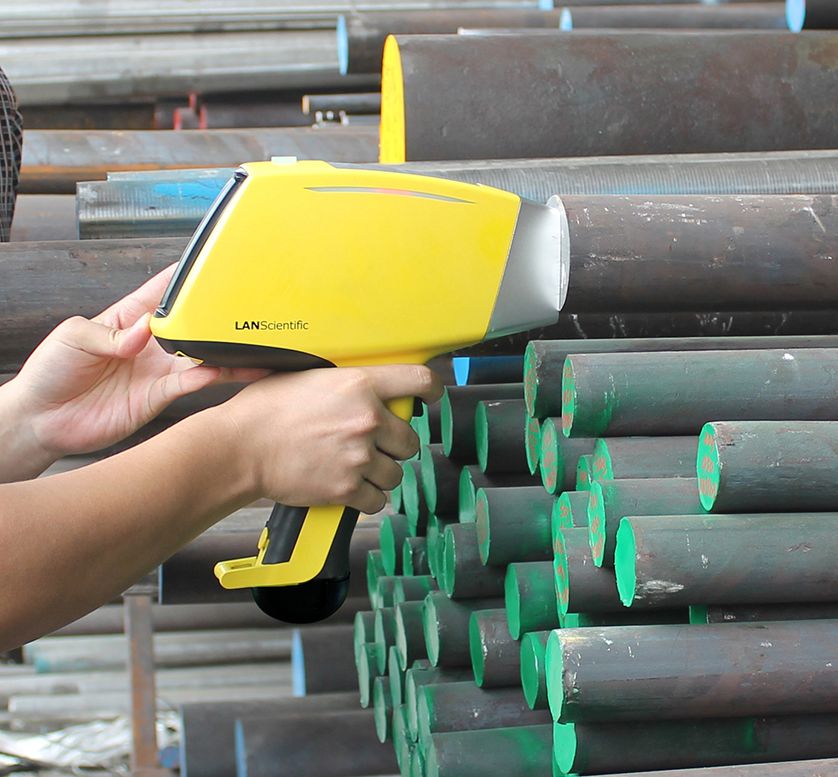 XRF Fluorescence Analyzer: Material Testing Device
XRF fluorescence analyzers stand as versatile material testing devices that revolutionize how industries analyze...Einzelheiten
XRF Fluorescence Analyzer: Material Testing Device
XRF fluorescence analyzers stand as versatile material testing devices that revolutionize how industries analyze...Einzelheiten -
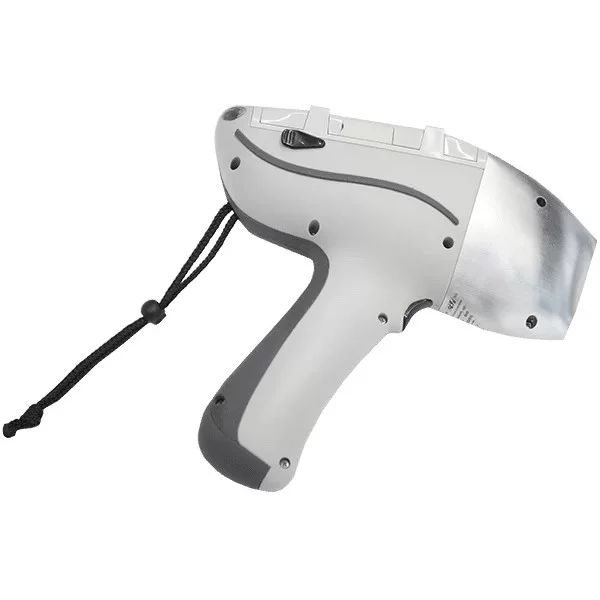 Handheld XRF Analyzer: ElvaX ProSpector Metal Scanner
The ElvaX ProSpector represents a cutting-edge advancement in handheld XRF analyzer technology, combining...Einzelheiten
Handheld XRF Analyzer: ElvaX ProSpector Metal Scanner
The ElvaX ProSpector represents a cutting-edge advancement in handheld XRF analyzer technology, combining...Einzelheiten -
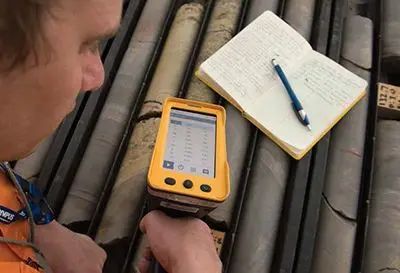 Handheld XRF Analyser: Fast Alloy Composition Testing
Speed and accuracy define modern alloy composition testing, and handheld XRF analysers deliver both in portable...Einzelheiten
Handheld XRF Analyser: Fast Alloy Composition Testing
Speed and accuracy define modern alloy composition testing, and handheld XRF analysers deliver both in portable...Einzelheiten -
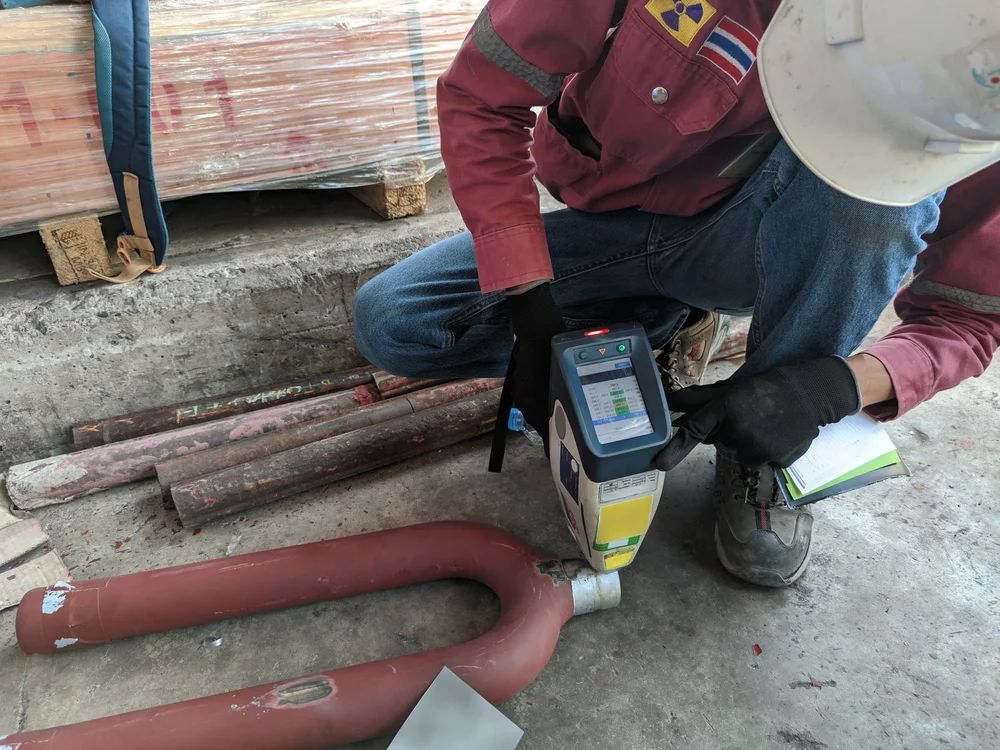 Portable XRF Analyzer: Metalworking Field Testing
Metalworking demands speed and precision—materials arrive, parts get fabricated, components are installed, all on...Einzelheiten
Portable XRF Analyzer: Metalworking Field Testing
Metalworking demands speed and precision—materials arrive, parts get fabricated, components are installed, all on...Einzelheiten