
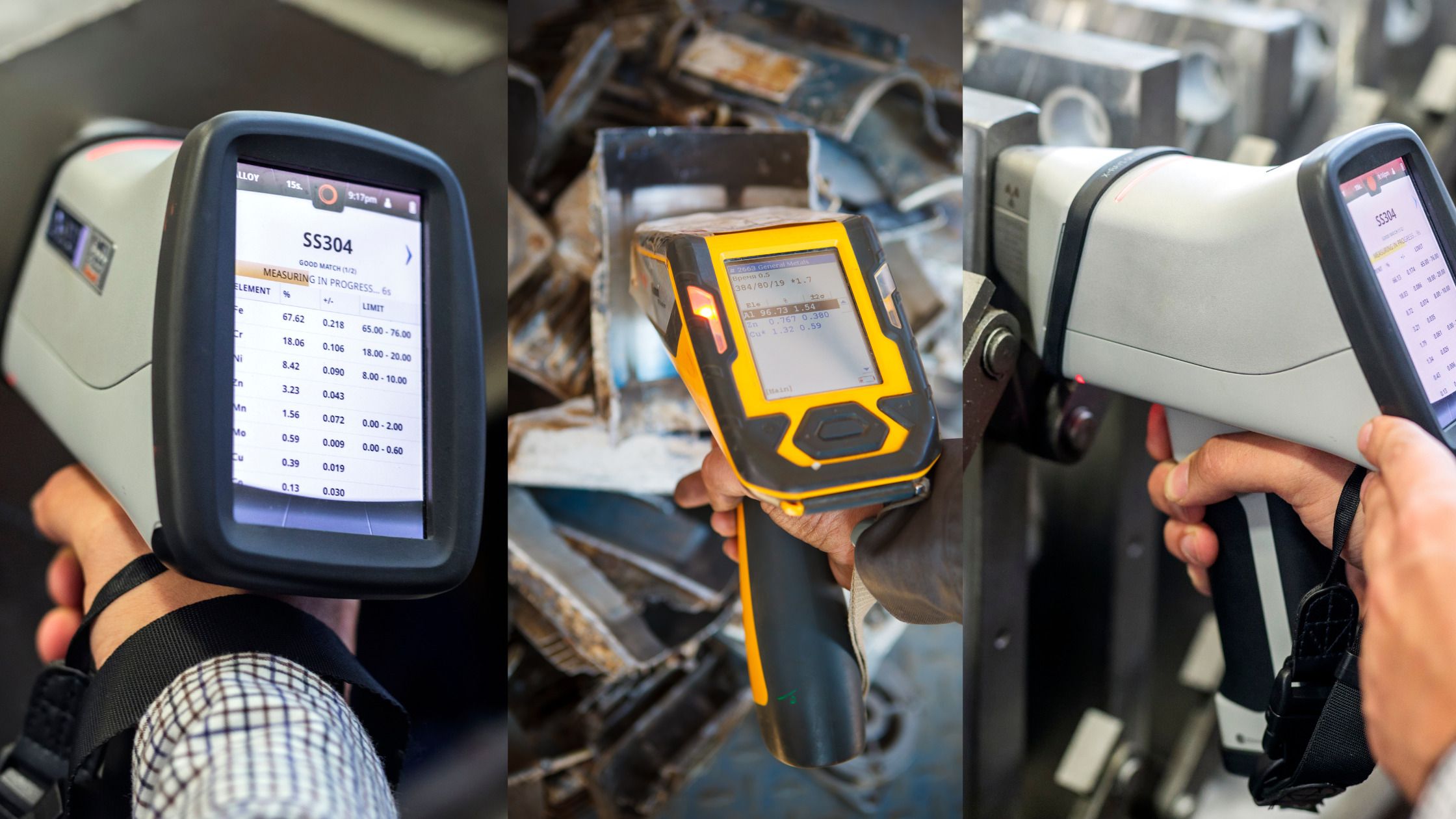
Portable XRF: Handheld Metallurgy Analyzer
Metallurgy Analysis in Your Hand
Portable XRF metallurgy analyzers pack complete spectroscopic laboratories into handheld instruments weighing just 1-2 kilograms. Despite compact size, these analyzers incorporate sophisticated components—miniature X-ray tubes, advanced silicon drift detectors, digital signal processors, and touchscreen displays—delivering analytical performance rivaling stationary laboratory systems.
The technology identifies and quantifies elements from magnesium through uranium in seconds through X-ray fluorescence spectroscopy. X-rays from the analyzer excite atoms in metal samples, causing characteristic fluorescent emission. The detector measures fluorescent X-ray energies, creating spectral fingerprints identifying elements present and their concentrations. Sophisticated algorithms compare measured compositions against alloy databases containing thousands of specifications, instantly identifying grades.
This complete analytical capability in truly portable format transforms metallurgical workflows. Material verification happens wherever metals exist—receiving docks, production areas, construction sites, scrap facilities—eliminating sample transport to laboratories and multi-day waiting. The immediate results support real-time decisions preventing errors, accelerating operations, and ensuring quality throughout metallurgical supply chains.
Comprehensive Alloy Identification
Stainless Steel Verification
Portable XRF excels at stainless steel analysis, measuring iron, chromium, nickel, molybdenum, manganese, copper, titanium, niobium, and other constituents defining hundreds of grades. The analyzers distinguish austenitic 304 (18% Cr, 8% Ni) from 316 (18% Cr, 10% Ni, 2-3% Mo), identify duplex grades, ferritic compositions, and precipitation-hardening alloys through precise multi-element measurement.
Critical applications like pharmaceutical equipment, food processing machinery, and chemical plant construction require verified stainless grades ensuring corrosion resistance. Portable XRF provides instant confirmation that installed materials meet specifications, preventing costly failures from material mix-ups. The non-destructive testing verifies equipment in place without removing components or disrupting operations.
Aluminum Alloy Analysis
Aluminum metallurgy requires measuring light elements—magnesium, aluminum, silicon—alongside copper, manganese, zinc, and chromium defining wrought and cast alloy chemistry. Advanced portable XRF analyzers detect these light elements, distinguishing aerospace 2xxx and 7xxx series, structural 6xxx alloys, marine-grade 5xxx compositions, and casting alloys.
The capability prevents catastrophic errors in aerospace manufacturing where wrong aluminum grades compromise structural integrity. Handheld verification throughout fabrication—raw material receiving, in-process checks, final inspection—ensures correct alloys at every stage. The seconds-scale testing fits naturally into production workflows without bottlenecks.
Titanium and Specialty Metals
Titanium alloy analysis measures aluminum, vanadium, iron, and other elements differentiating commercially pure grades from aerospace alloys like Ti-6Al-4V. Portable XRF verifies expensive titanium components in aircraft manufacturing, medical device production, and chemical processing where metallurgical specifications ensure performance and safety.
Nickel superalloys, cobalt alloys, tool steels, and specialty compositions undergo rapid field analysis. The comprehensive elemental coverage and extensive grade libraries support diverse metallurgical applications across industries.
Critical Metallurgical Applications
Positive Material Identification
PMI programs in petrochemical, power generation, and industrial construction employ portable XRF to verify that installed piping, vessels, valves, and structural components match engineering specifications. Comprehensive inspection prevents material errors causing equipment failures, safety incidents, or regulatory violations.
The handheld format enables testing components in installed positions—elevated piping runs, assembled vessels, welded structures—without disassembly. Inspectors verify thousands of components during construction or maintenance turnarounds, creating complete documentation proving correct metallurgy. GPS tagging and photographic capabilities link analytical results to specific locations, supporting traceability and quality records.
Scrap Metal Sorting and Recycling
Metallurgical scrap operations depend on accurate alloy segregation maximizing material value. Portable XRF enables rapid classification of mixed scrap into homogeneous alloy lots commanding premium prices. The 2-3 second grade identification allows operators to sort 500-1000 pieces per shift—throughput impossible with laboratory testing or manual methods.
Different alloy families vary dramatically in value. Stainless steel grades, aluminum series, copper alloys, titanium, and nickel superalloys each command different prices. Visual inspection cannot distinguish similar-appearing alloys. Portable XRF reveals true metallurgical composition, preventing valuable materials from downgrading into mixed lots and maximizing recycling profitability.
Manufacturing Quality Control
Production metallurgy integrates portable XRF at multiple workflow stages. Incoming material inspection verifies supplier deliveries match purchase specifications before metals enter inventory. In-process testing confirms correct alloy selection during fabrication. Final inspection certifies finished products meet customer requirements.
The field testing convenience encourages comprehensive verification—operators test frequently when analysis requires seconds at their workstation rather than sending samples to laboratories and waiting days. This increased testing frequency improves quality control effectiveness, catching errors earlier when correction costs less.
Foundry and Casting Operations
Foundries use portable XRF for melt verification before pouring, ensuring charge composition meets specifications. Post-casting analysis confirms that final products achieved intended chemistry, validating metallurgical processes. The rapid non-destructive testing enables checking every cast or statistical sampling supporting quality assurance without destructive sampling reducing yield.
Heat treatment facilities verify material chemistry before expensive thermal processing, preventing wrong alloys from consuming furnace time and energy. The metallurgical verification protects operations throughout metal production and processing chains.
Advanced Detection Technology
Silicon Drift Detectors
Modern portable XRF analyzers employ silicon drift detector technology achieving energy resolution around 125-145 eV at manganese Kα—performance ensuring clear separation of closely-spaced elemental peaks in complex alloy spectra. The SDD architecture combines excellent resolution with exceptional count rate capability, processing 100,000-500,000+ X-ray photons per second.
This high throughput enables rapid measurements without sacrificing precision. Faster count rates accumulate statistically reliable data in shorter times, supporting quick alloy identification while maintaining accuracy for quantitative analysis. The detector technology continues advancing—next-generation systems promise even better performance.
Powerful Miniature X-Ray Sources
Compact X-ray tubes in handheld analyzers generate intense primary radiation despite modest 4-8 watt power consumption. Multiple voltage settings optimize excitation for different metallurgical applications—low voltages for light metals like aluminum, high voltages for heavy elements in specialty alloys. Automatic optimization matches settings to samples, maximizing analytical efficiency and battery life.
The miniaturization achievement fits complete X-ray systems into handheld packages while maintaining safety through multiple interlocking features preventing accidental exposure. Regulatory compliance enables unrestricted field use following standard radiation safety protocols.
Metallurgical Features and Capabilities
Comprehensive Grade Libraries
Quality portable XRF analyzers include extensive alloy databases containing thousands of international specifications—ASTM, EN, DIN, JIS, GB, GOST standards covering global metallurgical specifications. The libraries enable instant grade identification displaying results clearly rather than requiring manual interpretation of elemental percentages.
Custom grade libraries accommodate proprietary alloys and company-specific specifications. Users add custom grades, adjust tolerance limits, and configure displays matching operational requirements. The flexibility supports diverse metallurgical applications across industries.
Data Management and Traceability
Built-in data storage records thousands of test results including complete analytical data, timestamps, operator identification, sample locations, and photographic documentation. Wireless connectivity via WiFi and Bluetooth enables real-time data transfer to quality management systems, creating seamless integration with metallurgical documentation workflows.
Export capabilities in multiple formats support diverse reporting requirements. Customizable report templates include company branding, specification comparisons, and acceptance criteria. The comprehensive data management transforms portable XRF from simple testing tool into complete metallurgical quality assurance platform.
Rugged Reliability for Metallurgical Environments
Metallurgical testing environments challenge equipment—foundries with extreme heat, scrap yards with dust and impact, construction sites with weather exposure. Portable XRF analyzers feature industrial-grade rugged construction withstanding harsh conditions. IP54 to IP67 environmental ratings protect against dust, moisture, and water exposure. Operating temperature ranges span -20°C to +50°C accommodating diverse metallurgical environments.
Sealed housings, reinforced displays, and impact-resistant designs ensure reliable operation despite drops, vibration, and rough handling typical in industrial metallurgy. The durability minimizes downtime and repair costs while maximizing analyzer availability throughout demanding metallurgical workflows.
Economic Value for Metallurgical Operations
Portable XRF delivers measurable return on investment through prevented material errors, accelerated workflows, improved scrap sorting profitability, and enhanced quality documentation. Organizations typically recover purchase costs within months through eliminated laboratory fees, prevented scrap, and operational efficiency gains.
The technology transforms feasible testing economics. Laboratory analysis costing hundreds per sample becomes impractical for routine verification. Portable XRF testing costing pennies per measurement in operator time makes comprehensive testing economically viable. This increased testing frequency dramatically improves metallurgical quality assurance effectiveness.
Conclusion
Portable XRF handheld metallurgy analyzers have revolutionized metal testing by bringing laboratory-quality elemental analysis directly to where metals exist. The combination of comprehensive alloy identification, rapid multi-element quantification, non-destructive measurement, and true handheld portability creates unprecedented capability for metallurgical verification and quality control.
From critical PMI ensuring infrastructure safety, through scrap sorting maximizing material values, to manufacturing quality control preventing costly errors, portable XRF enables applications impossible with laboratory-dependent testing. The immediate on-site results support real-time metallurgical decisions, accelerate workflows, and ensure material quality throughout supply chains.
For metallurgical professionals requiring reliable composition verification, instant grade identification, and comprehensive quality documentation, portable XRF represents proven technology delivering measurable value through prevented errors, improved efficiency, and enhanced operational confidence. As technology continues advancing with better detectors, more powerful processing, and expanded capabilities, handheld metallurgy analyzers become increasingly essential tools for competitive success in metal industries worldwide.
Related posts
-
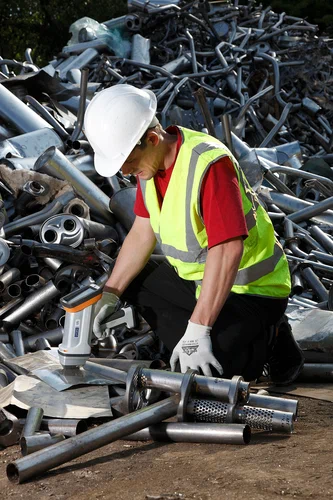 XRF Gun: ElvaX Alloy Analysis Pistol Scanner
The XRF gun revolutionizes metal analysis by putting laboratory-quality alloy identification directly in your hand....Einzelheiten
XRF Gun: ElvaX Alloy Analysis Pistol Scanner
The XRF gun revolutionizes metal analysis by putting laboratory-quality alloy identification directly in your hand....Einzelheiten -
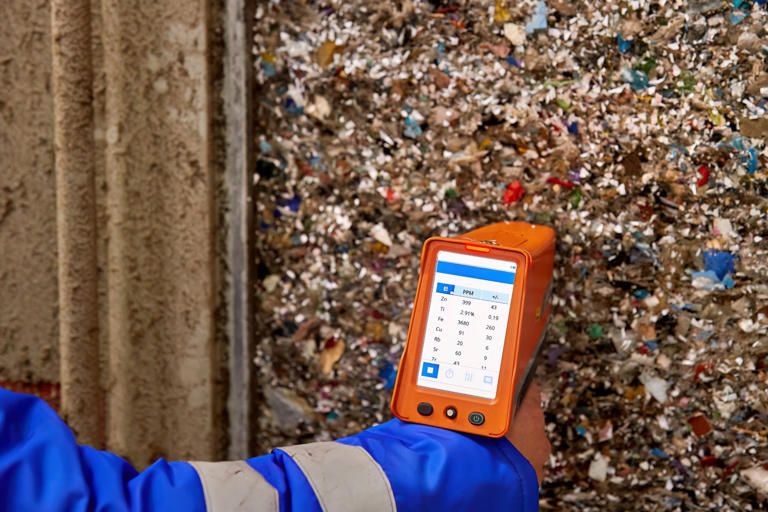 XRF Fluorescence Gun: Portable Metal Scanner
The XRF fluorescence gun transforms metal identification from laboratory procedure to instant field scanning...Einzelheiten
XRF Fluorescence Gun: Portable Metal Scanner
The XRF fluorescence gun transforms metal identification from laboratory procedure to instant field scanning...Einzelheiten -
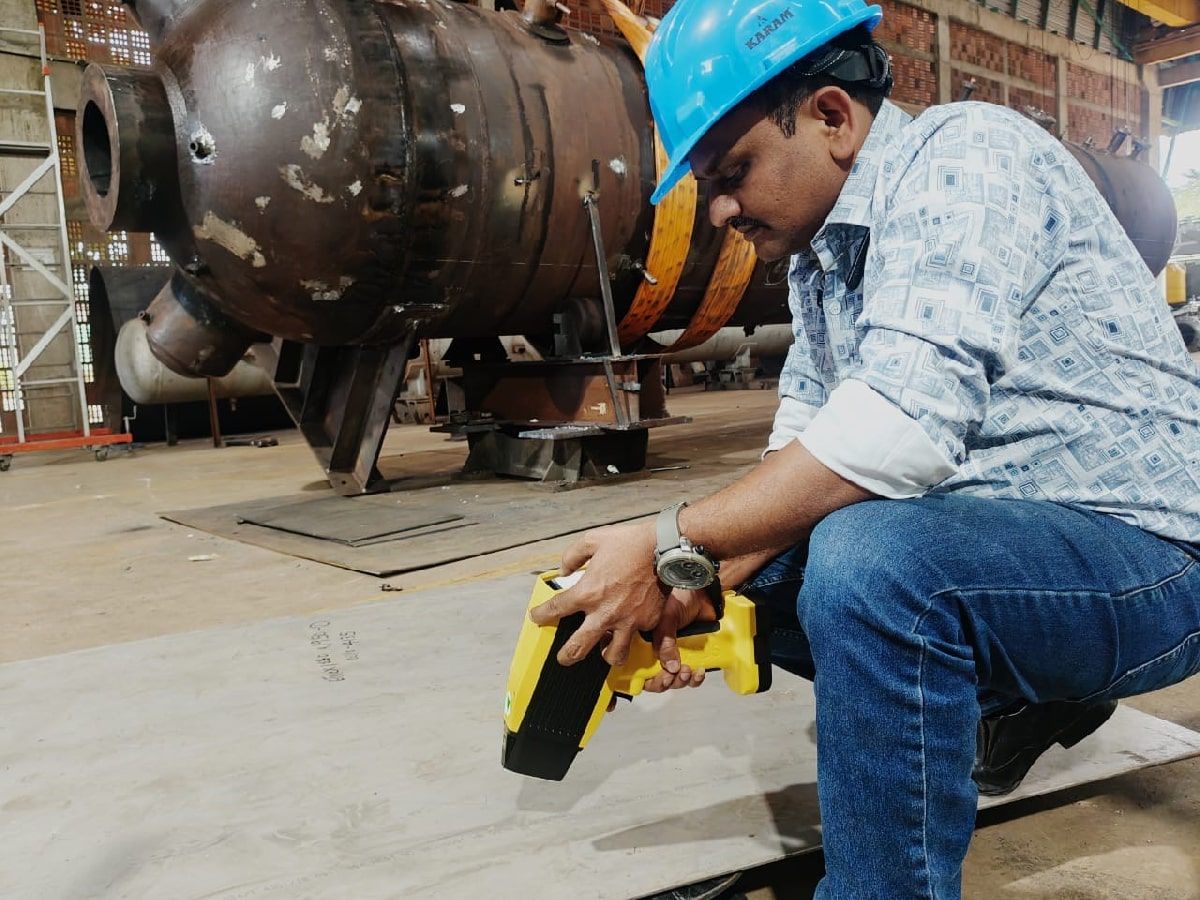 XRF Scanner: Chemical Composition Metal Detection
Chemical composition determines every critical property of metal materials—strength, corrosion resistance,...Einzelheiten
XRF Scanner: Chemical Composition Metal Detection
Chemical composition determines every critical property of metal materials—strength, corrosion resistance,...Einzelheiten -
 XRF Machine: ProSpector Element Analysis Device
Element analysis drives quality control across industries where material composition determines performance,...Einzelheiten
XRF Machine: ProSpector Element Analysis Device
Element analysis drives quality control across industries where material composition determines performance,...Einzelheiten -
 Handheld XRF: Mobile Fluorescence Analyzer
Mobility transforms analytical capability from laboratory limitation to field advantage. Handheld XRF mobile...Einzelheiten
Handheld XRF: Mobile Fluorescence Analyzer
Mobility transforms analytical capability from laboratory limitation to field advantage. Handheld XRF mobile...Einzelheiten