
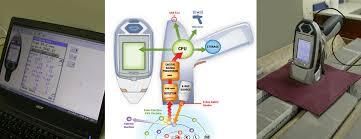
Handheld XRF: Mobile Fluorescence Analyzer
Defining Mobile Fluorescence Analysis
Mobile fluorescence analyzers are handheld X-ray fluorescence spectrometers designed for field deployment, combining complete analytical capability with true portability. The "mobile" designation reflects more than just compact size—it encompasses battery operation eliminating power cord constraints, rugged construction withstanding field conditions, intuitive operation accessible without extensive training, and data management supporting field workflows rather than laboratory procedures.
X-ray fluorescence provides the analytical foundation. Primary X-rays from the analyzer excite atoms in samples, causing characteristic fluorescent emission at element-specific energies. Advanced detectors capture these fluorescent X-rays, creating spectral signatures identifying present elements and their concentrations. The entire fluorescence process—excitation, emission, detection, analysis—completes in seconds, enabling the rapid field testing that makes mobile analyzers valuable.
The mobility advantage eliminates traditional analytical barriers. No sample cutting or preparation—test materials as encountered. No sample transport to laboratories—bring analysis directly to materials. No multi-day turnaround—receive results immediately supporting real-time decisions. No destruction—preserve valuable materials while obtaining complete compositional data. These capabilities transform feasible applications and workflows across industries.
Technology Enabling Mobility
Compact Integration
Mobile fluorescence analyzers integrate complete spectroscopic systems into handheld packages. Miniature X-ray tubes operating at 4-8 watts generate primary excitation radiation sufficient for comprehensive elemental analysis. Silicon drift detectors achieving energy resolution around 125-145 eV clearly separate closely-spaced fluorescent peaks in complex spectra. Digital signal processors convert detector outputs into energy spectra in real-time. Touchscreen displays present results clearly.
This remarkable integration represents significant engineering achievement. Components requiring laboratory benches in previous-generation systems now fit handheld form factors weighing 1.0-1.8 kilograms. The miniaturization maintains analytical performance while achieving true portability enabling one-handed operation and testing in confined spaces or awkward positions impossible with larger equipment.
Battery-Powered Operation
Mobile operation demands independence from power outlets. High-capacity lithium-ion batteries provide 8-16 hours continuous fluorescence analysis between charges—full work shifts or multi-day remote deployments. Intelligent power management optimizes battery life by adjusting X-ray output and system settings based on measurement requirements, balancing analytical performance with operational duration.
Hot-swappable battery designs enable uninterrupted testing by rotating charged batteries into analyzers as needed. Users maintain continuous operation during time-critical inspections, plant shutdowns, or high-throughput sorting by keeping spare batteries charged and ready. This capability proves essential when testing schedules cannot accommodate charging delays.
The battery technology continues advancing—higher energy densities, faster charging, longer cycle lives. Next-generation mobile fluorescence analyzers promise even longer operation times supporting extended field campaigns in locations where charging infrastructure is limited or unavailable.
Rugged Field Construction
Mobile analyzers encounter harsh conditions—dust, moisture, temperature extremes, drops, vibration—demanding rugged construction. IP54 environmental ratings provide basic dust and splash protection suitable for controlled industrial environments. IP65 or IP67 ratings deliver dust-tight and water-resistant capability for outdoor locations, wet conditions, and extreme environments.
Operating temperature ranges typically span -20°C to +50°C accommodating cold outdoor winter testing to hot foundry environments. Sealed housings protect sensitive electronics. Reinforced displays resist impacts. Shock-resistant designs withstand drops onto concrete. The durability ensures reliable fluorescence analysis despite challenging mobile field conditions.
Mobility-Enabled Applications
Construction Site Material Verification
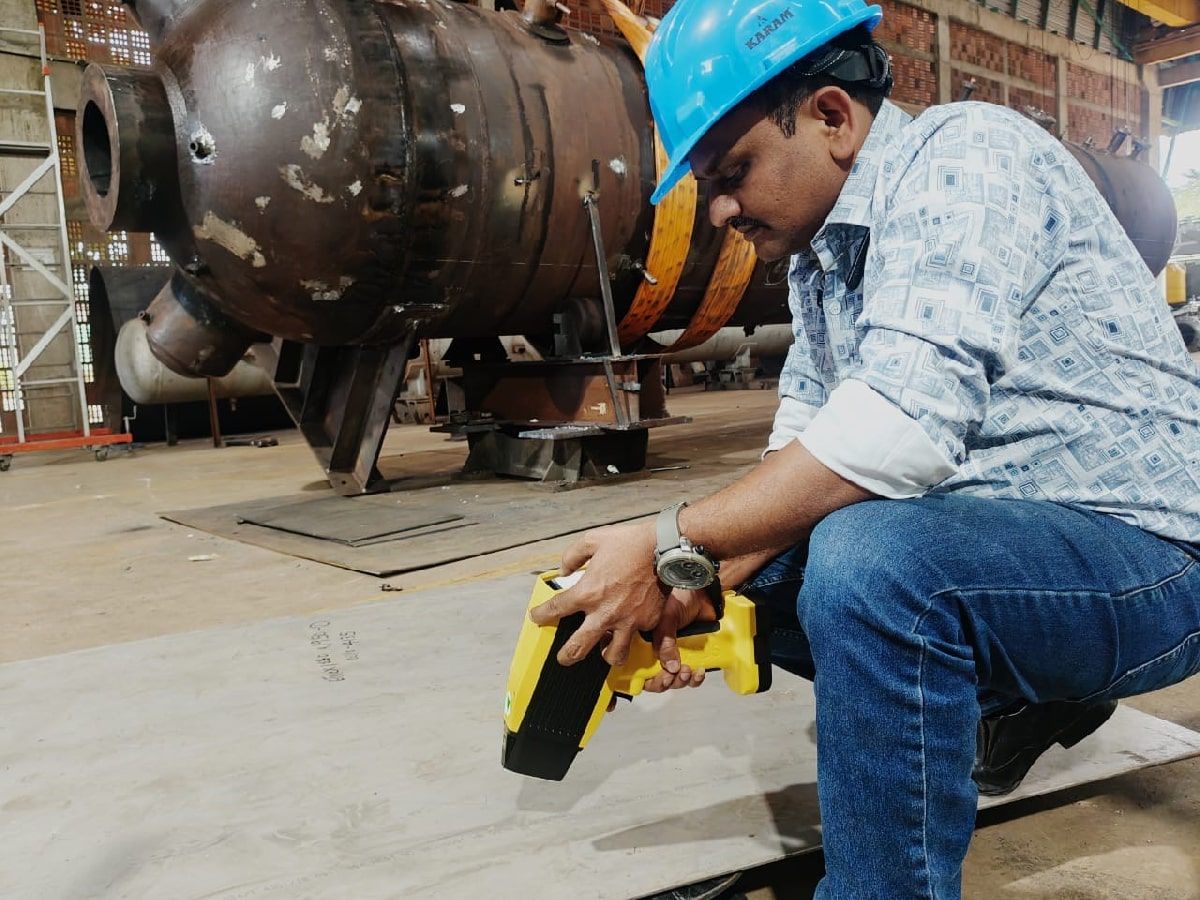
Construction projects employ mobile fluorescence analyzers for comprehensive PMI programs verifying installed components match specifications. The mobility enables testing piping systems on elevated structures, vessels during assembly, valves in confined spaces, and structural steel throughout facilities—all without disassembly or material removal to laboratories.
Inspectors carry analyzers throughout construction sites, testing materials wherever they exist rather than bringing materials to fixed testing locations. The mobility eliminates logistical challenges of accessing remote areas, reduces inspection time by eliminating sample transport, and enables immediate verification supporting same-day installation decisions keeping projects on schedule.
Scrap Yard Mobile Sorting
Scrap recycling operations utilize mobile fluorescence analyzers for rapid compositional classification throughout yards. Operators walk through facilities testing mixed materials where stored rather than transporting pieces to fixed testing stations. The mobility enables testing oversized items, bulky components, and heavy materials that would be impractical to move for analysis.
The 1-2 second fluorescence analysis enables sorting hundreds of pieces hourly while walking through yards. Mobile operation increases productive sorting time by eliminating material handling for testing. GPS integration automatically maps material locations and compositions supporting optimized lot planning and inventory management.
Manufacturing Floor Quality Control
Production facilities integrate mobile fluorescence analyzers into lean manufacturing workflows. Quality technicians carry analyzers to workstations, testing materials and components at production points rather than transporting samples to inspection areas. The mobility eliminates material handling, reduces testing cycle times, and encourages frequent verification by making testing convenient for operators.
Mobile fluorescence analysis supports just-in-time verification—incoming materials tested at receiving docks before unloading, work-in-progress checked at machining centers before expensive operations, finished products certified at final assembly. The immediate mobile testing prevents wrong materials from progressing through costly production steps.
Remote Mining Exploration
Geological exploration depends on mobile fluorescence analyzers for field ore grade analysis. Geologists carry analyzers to remote locations, testing rock outcrops and drill core on-site generating immediate geochemical data guiding exploration decisions. The mobility enables testing in wilderness areas, developing regions, and offshore locations where laboratory infrastructure doesn't exist.
Battery operation supports multi-day field campaigns without charging. Rugged construction withstands harsh exploration environments. GPS integration maps analytical results supporting resource modeling and target delineation. The mobile capability accelerates exploration cycles by eliminating sample transport to distant laboratories and multi-week analytical delays.
Environmental Site Assessment
Environmental consultants employ mobile fluorescence analyzers for contaminated soil screening. The mobility enables testing hundreds of locations across sites creating detailed contamination maps. Real-time fluorescence results guide excavation boundaries, support disposal classification, and verify remediation completion—all without waiting for laboratory analysis that would delay field work and require expensive re-mobilization if problems emerged.
Mobile analyzers test soil, sediment, paint, dust, and other matrices wherever contamination assessment is needed. Battery operation supports full-day site investigations. Data management integrates analytical results with site plans and GPS coordinates creating comprehensive documentation supporting remediation planning and regulatory compliance.
Mobile Workflow Advantages
Eliminated Sample Transport
Traditional analysis requires collecting samples, transporting to laboratories, and waiting days or weeks for results. Mobile fluorescence eliminates this entire chain of custody. Test materials where they exist. Receive results immediately. Make decisions on-site without delays. The eliminated transport saves time, reduces costs, and prevents chain-of-custody complications.
The mobile approach also eliminates sampling concerns about whether collected specimens represent bulk materials. Test materials directly rather than relying on extracted samples. Verify compositional uniformity by testing multiple locations. Ensure representative analysis through comprehensive mobile testing impossible with limited laboratory samples.
Real-Time Decision Support
Mobile fluorescence delivers results in seconds or minutes rather than days or weeks. This immediacy enables real-time decisions impossible with laboratory-dependent testing. Accept or reject materials during inspections. Adjust processes based on immediate feedback. Correct problems before they propagate through operations. Verify remediation success before demobilizing equipment.
The decision velocity transforms operations. Construction projects avoid delays waiting for laboratory results. Manufacturing prevents batches of wrong material from progressing through production. Scrap operations sort materials while fresh rather than waiting for test results while inventory accumulates. The immediate mobile analysis maintains operational momentum.
Comprehensive Testing Coverage
Mobile convenience encourages comprehensive testing impossible when every test requires laboratory procedures. The seconds-scale mobile fluorescence enables testing hundreds or thousands of samples economically. Transition from statistical sampling accepting some risk to 100% inspection dramatically improving quality assurance thoroughness and confidence.
The increased testing frequency catches variations and anomalies statistical sampling might miss. Detect material mix-ups immediately. Identify compositional drift early. Verify every critical component rather than representative samples. The comprehensive mobile coverage transforms quality control effectiveness.
Selecting Mobile Fluorescence Analyzers
Prioritize mobility-specific features matching field requirements. Weight matters critically—1.0-1.2 kg analyzers reduce fatigue during extended mobile use versus 1.5-1.8 kg models. Battery life should exceed typical field shifts—minimum 8 hours, preferably 12-16 hours for extended campaigns. Environmental protection must match conditions—IP54 for controlled environments, IP65-IP67 for harsh field locations.
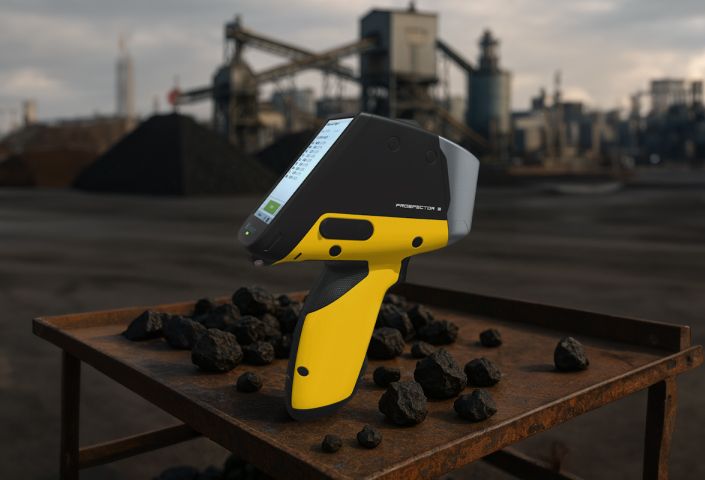
Ergonomic design affects mobile usability. Pistol-grip form factors support one-handed operation. Balanced weight distribution reduces fatigue. Display positioning enables viewing while testing. Intuitive interfaces minimize training requirements for mobile field personnel without extensive analytical backgrounds.
Data management should support mobile workflows. Built-in storage for thousands of results. Wireless connectivity for field data transfer. GPS integration for location tagging. Export formats compatible with common software. The mobile-optimized data handling transforms field analyzers into complete documentation systems.
Maximizing Mobile Analysis Value
Proper mobile technique ensures consistent results. Clean test surfaces removing contamination. Ensure good analyzer-sample contact. Test multiple locations verifying uniformity. Document measurements comprehensively including locations, conditions, and sample identification. Regular calibration checks using reference standards maintain accuracy under field conditions.
Comprehensive operator training maximizes mobile effectiveness. Understanding proper technique, recognizing interference situations, interpreting results correctly, and leveraging mobile capabilities fully ensures reliable analytical data and optimized workflows. Well-trained mobile operators achieve results approaching laboratory quality while maintaining field convenience.
Protective equipment preserves mobile investments. Carrying cases protect during transport. Spare batteries ensure uninterrupted operation. Cleaning supplies maintain measurement windows. Calibration standards support field verification. The comprehensive mobile kit preparation ensures productive field campaigns and extends analyzer working life.
Conclusion
Handheld XRF mobile fluorescence analyzers revolutionize materials testing by bringing laboratory-quality analytical capability to wherever testing is needed. The true mobility—combining portable design, battery operation, rugged construction, and field-optimized workflows—eliminates traditional barriers of sample transport, laboratory queues, and multi-day delays that constrained previous testing paradigms.
From construction sites verifying critical components on elevated structures, through scrap yards sorting materials where stored, to remote exploration generating geochemical data in wilderness locations, mobile fluorescence analysis enables applications impossible with laboratory-bound testing. The immediate on-site results support real-time decisions, accelerate operations, and enable comprehensive testing coverage transforming quality assurance effectiveness.
For industries where materials testing traditionally created bottlenecks, delays, or logistical challenges, mobile fluorescence analyzers deliver proven solutions eliminating constraints while maintaining analytical quality. The combination of laboratory-grade detection capability, true field portability, instant results, and non-destructive testing creates unprecedented flexibility supporting operational excellence across metal industries, construction, environmental services, mining, and countless applications where mobile analytical capability drives competitive advantage.
Related posts
-
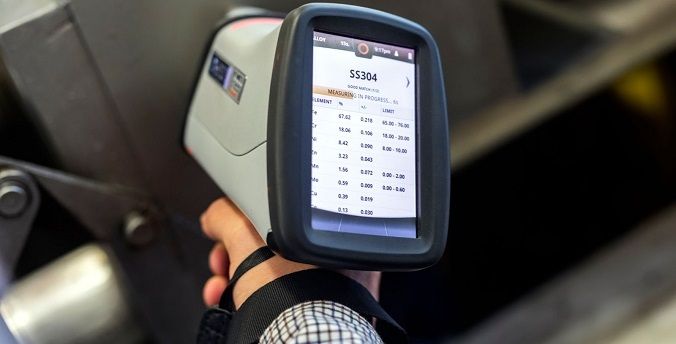 Portable XRF: Handheld Metallurgy Analyzer
Metallurgical testing has evolved from laboratory-bound procedures to instant field analysis through portable XRF...Einzelheiten
Portable XRF: Handheld Metallurgy Analyzer
Metallurgical testing has evolved from laboratory-bound procedures to instant field analysis through portable XRF...Einzelheiten -
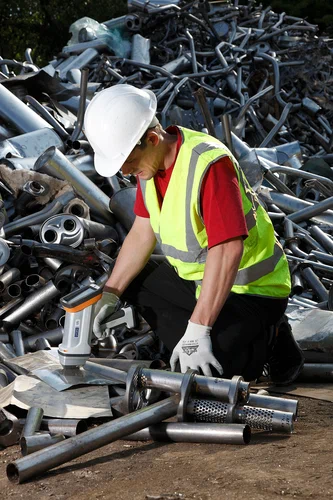 XRF Gun: ElvaX Alloy Analysis Pistol Scanner
The XRF gun revolutionizes metal analysis by putting laboratory-quality alloy identification directly in your hand....Einzelheiten
XRF Gun: ElvaX Alloy Analysis Pistol Scanner
The XRF gun revolutionizes metal analysis by putting laboratory-quality alloy identification directly in your hand....Einzelheiten -
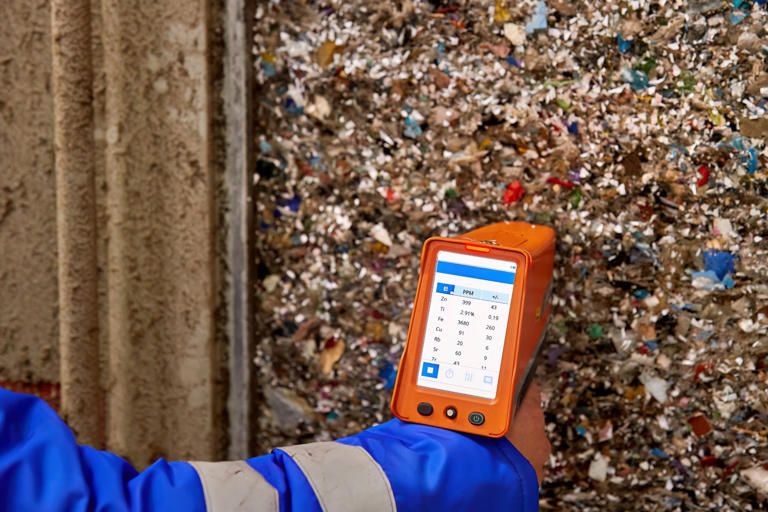 XRF Fluorescence Gun: Portable Metal Scanner
The XRF fluorescence gun transforms metal identification from laboratory procedure to instant field scanning...Einzelheiten
XRF Fluorescence Gun: Portable Metal Scanner
The XRF fluorescence gun transforms metal identification from laboratory procedure to instant field scanning...Einzelheiten -
 XRF Scanner: Chemical Composition Metal Detection
Chemical composition determines every critical property of metal materials—strength, corrosion resistance,...Einzelheiten
XRF Scanner: Chemical Composition Metal Detection
Chemical composition determines every critical property of metal materials—strength, corrosion resistance,...Einzelheiten -
 XRF Machine: ProSpector Element Analysis Device
Element analysis drives quality control across industries where material composition determines performance,...Einzelheiten
XRF Machine: ProSpector Element Analysis Device
Element analysis drives quality control across industries where material composition determines performance,...Einzelheiten