
XRF Gun: ElvaX Alloy Analysis Pistol Scanner
Understanding the XRF Gun Concept
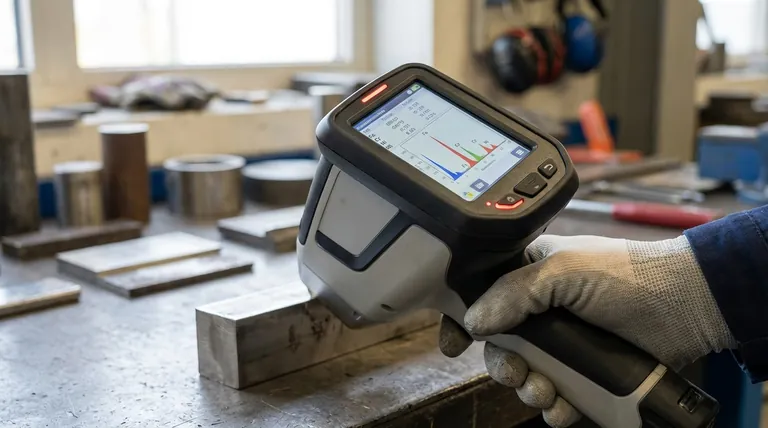
An XRF gun is a handheld X-ray fluorescence spectrometer designed in pistol-grip form factor for intuitive one-handed operation during field metal analysis. The ergonomic design positions displays, controls, and measurement windows for comfortable extended use while maintaining clear sight lines to test surfaces. The trigger-activated measurement workflow feels natural to operators—point at sample, pull trigger, read results instantly.
The "gun" terminology reflects form factor rather than function. These sophisticated analytical instruments use X-ray fluorescence spectroscopy to identify and quantify elements in metal alloys non-destructively. X-rays from the analyzer excite atoms in samples, causing characteristic fluorescent emission. Advanced detectors measure fluorescent energies, creating spectral signatures identifying elements present and their concentrations with laboratory-grade accuracy.
This technology delivers two critical outputs instantly: alloy grade identification matching samples to international specifications, and precise elemental composition showing percentages of iron, chromium, nickel, molybdenum, and other constituents. The immediate results enable real-time decisions preventing errors, accelerating workflows, and ensuring quality without laboratory delays.
ProSpector Platform: ElvaX Handheld Excellence
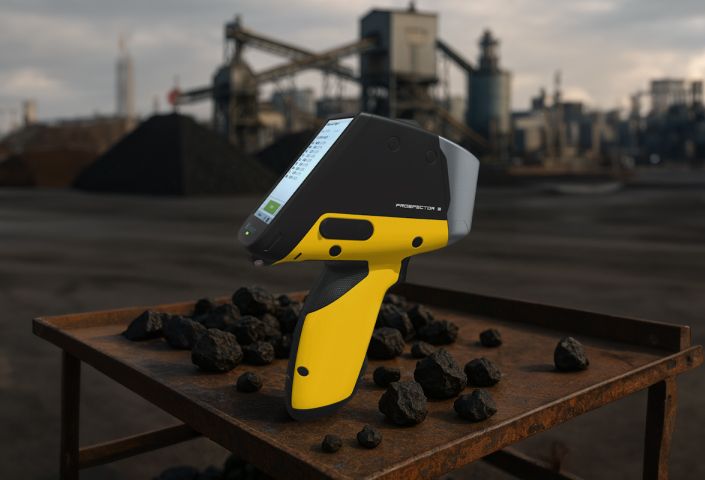
ProSpector 3: Next-Generation Compact Design
The ProSpector 3 represents the latest evolution in handheld XRF technology, featuring remarkably compact dimensions of just 236 × 193 × 68 millimeters and ultralight weight around 1.05 kilograms. This exceptional miniaturization reduces operator fatigue during extended field use while maintaining complete analytical capability. The compact size enables testing in confined spaces and awkward positions impossible with bulkier instruments.
Revolutionary speed defines ProSpector 3 performance—alloy grade identification completes in 1-2 seconds, enabling sorting or inspection rates exceeding 1000 pieces per shift. The exceptional throughput exceeding 500,000 counts per second enables rapid data accumulation without sacrificing precision. This speed advantage translates directly to operational productivity across scrap sorting, PMI inspections, and manufacturing quality control applications.
The innovative folding display enables dual-mode operation. In handheld configuration, the display folds back creating compact pistol-grip form for field testing. Deployed on optional laboratory stand, the display unfolds providing comfortable viewing for benchtop analysis—effectively transforming the portable unit into stationary analyzer without computer connection.
Advanced features include automatic two-position collimator switching between large-area and small-spot analysis, dual CCD cameras providing macro and micro sample views for precise targeting, hot-swappable batteries enabling uninterrupted operation, and extended battery life up to 16 hours supporting full-day field campaigns. IP65 environmental rating provides dust-tight and water-resistant protection for harsh industrial conditions.
ProSpector 2: Proven Workhorse Platform
The ProSpector 2 represents established technology proven through thousands of installations worldwide. This reliable platform weighs approximately 1.4 kilograms—slightly heavier than ProSpector 3 but still comfortably portable for extended field use. The ergonomic pistol-grip design balances weight distribution and measurement window positioning for natural handling.
High-resolution silicon drift detector technology delivers energy resolution enabling clear separation of closely-spaced spectral peaks in complex alloy compositions. Count rates exceeding 100,000 counts per second support rapid analysis—grade identification in 2-5 seconds, comprehensive quantitative analysis in 10-30 seconds depending on required precision and element list.
Comprehensive alloy grade libraries contain thousands of international specifications across ASTM, EN, DIN, JIS, GB, and GOST standards. The extensive coverage enables instant identification of stainless steels, aluminum alloys, titanium grades, copper compositions, nickel superalloys, and specialty metals. Custom libraries accommodate proprietary alloys and company-specific specifications.
Rugged construction withstands harsh field environments. IP54 environmental protection guards against dust and moisture. Operating temperature range from -20°C to +40°C accommodates extreme conditions. Rechargeable batteries provide approximately 8 hours continuous operation—full work shifts without recharging. The field-proven durability ensures reliable operation in demanding scrap yards, construction sites, and industrial facilities.
Critical Applications for XRF Gun Analysis
Scrap Metal Sorting and Recycling
Scrap recycling operations depend on accurate alloy segregation for profitability. XRF guns enable rapid classification of mixed scrap into homogeneous lots commanding premium prices. The 1-2 second grade identification allows operators to sort 500-1000 pieces per shift—throughput impossible with laboratory testing or manual methods requiring extended analysis times.
Different alloy families vary dramatically in market value. Stainless steel grades—austenitic 304, 316, duplex compositions—each command different prices. Aluminum series, copper alloys, titanium, and nickel superalloys represent distinct value categories. Visual inspection cannot distinguish similar-appearing alloys. XRF guns reveal true metallurgical composition instantly, preventing valuable materials from downgrading into mixed lots.
The pistol-grip ergonomics prove ideal for repetitive sorting—comfortable extended handling, quick trigger-activated measurements, immediate grade display supporting rapid material classification. GPS features and automated data logging create complete traceability documenting material sources and lot assignments supporting quality records and customer reporting.
Positive Material Identification
Construction and maintenance PMI programs employ XRF guns to verify that installed piping, pressure vessels, heat exchangers, valves, and structural components match engineering specifications. Comprehensive inspection prevents material errors causing equipment failures, safety incidents, or regulatory violations in petrochemical facilities, power plants, and industrial complexes.
The handheld format enables testing components in installed positions—elevated piping runs, assembled vessels, welded structures—without disassembly or sample removal. Inspectors verify thousands of components during construction or maintenance turnarounds, with pistol-grip design facilitating comfortable testing in awkward positions and confined spaces.
Immediate results enable same-shift decisions about component acceptance, replacement priorities, or additional verification needs. Built-in cameras photograph measurement locations, GPS tags link results to specific coordinates, and automated reporting generates complete inspection documentation proving correct metallurgy throughout facility lifetimes.
Manufacturing Quality Control
Production facilities integrate XRF guns throughout manufacturing workflows. Incoming material inspection verifies supplier deliveries match purchase specifications before metals enter inventory. The rapid non-destructive testing enables 100% verification rather than statistical sampling, dramatically improving quality assurance thoroughness.
In-process testing confirms correct alloy selection during fabrication—preventing expensive machining operations on wrong materials, catching errors before welding incompatible grades, verifying proper filler metal selection. The pistol-grip portability brings testing to production areas rather than transporting samples to inspection stations, encouraging frequent verification supporting lean manufacturing principles.
Final product certification documents that finished components meet customer specifications and regulatory requirements. The comprehensive data management creates complete traceability linking raw material certifications through production testing to final inspection results, supporting ISO quality systems and customer audits.
Foundry and Heat Treatment Operations
Foundries use XRF guns for melt verification before casting operations, ensuring charge composition meets specifications. Quick analysis of molten samples or test coupons confirms chemistry, supporting process adjustments before pouring expensive castings. Post-casting verification validates that final products achieved intended composition.
Heat treatment facilities verify material chemistry before thermal processing, preventing wrong alloys from consuming furnace time and energy. The rapid analysis fits naturally into production workflows—operators test pieces at workstations in seconds rather than waiting days for laboratory results.
Key Selection Criteria for XRF Guns
Analysis Speed Requirements
Applications prioritizing throughput—scrap sorting, rapid screening, high-volume inspection—benefit most from analyzers delivering 1-2 second grade identification. This exceptional speed enables testing hundreds or thousands of samples per shift without becoming operational bottlenecks.
Applications requiring comprehensive quantitative analysis or certification-quality results may extend measurement times to 10-30 seconds, accumulating better counting statistics for improved accuracy on minor elements and trace constituents. Quality XRF guns provide flexible measurement modes matching analysis speed to application requirements.
Environmental Protection and Durability
Field conditions demand rugged construction. IP54 rating provides basic dust and moisture protection suitable for controlled industrial environments. IP65 or IP67 ratings deliver dust-tight and water-resistant capability for harsh outdoor conditions, wet locations, and extreme environments where contamination, precipitation, or washdown procedures occur regularly.
Operating temperature range should span conditions encountered—typical specifications from -20°C to +50°C accommodate most industrial applications from cold outdoor winter testing to hot foundry environments. Sealed housings, reinforced displays, and impact-resistant construction ensure reliable operation despite drops, vibration, and rough handling typical in scrap yards and construction sites.
Alloy Library Coverage
Comprehensive grade libraries are essential for instant identification without manual interpretation. Quality XRF guns include thousands of international alloy specifications enabling immediate grade calls across diverse materials. Verify library coverage includes alloys actually encountered—specific stainless steel grades, aluminum series, titanium compositions, copper alloys, and specialty metals relevant to your applications.
Custom library capability allows adding proprietary alloys, company-specific specifications, and acceptance criteria tailored to operational requirements. Editable libraries accommodate evolving material specifications without requiring manufacturer updates.
Advanced Targeting Features
Applications involving small parts, weld inspection, or localized testing benefit from advanced targeting capabilities. Multiple collimator positions enable both large-area analysis and pinpoint small-spot measurements. Dual camera systems provide macro context views and micro magnified targeting ensuring measurements capture intended areas while avoiding contamination, coatings, or non-representative zones.
The visual documentation proves valuable for quality records—captured images automatically link to analytical results creating complete inspection documentation with visual confirmation of measurement locations.
Data Management and Connectivity
Modern XRF guns feature comprehensive data storage recording thousands of test results including complete analytical data, timestamps, operator identification, GPS coordinates, and photographs. USB, WiFi, and Bluetooth connectivity enable seamless data transfer to computers, tablets, or smartphones for reporting and quality management system integration.
Customizable report templates include company branding, specification comparisons, pass/fail indicators, and acceptance criteria. Export capabilities in multiple formats support diverse documentation requirements from simple CSV files to comprehensive PDF certificates.
Maximizing XRF Gun Value
Proper technique dramatically impacts result quality. Clean measurement surfaces removing dirt, oil, paint, and heavy oxidation. Position analyzer perpendicular to surfaces ensuring good contact and stable geometry. Test multiple locations verifying compositional uniformity, especially on heterogeneous materials or unknown samples. Calibrate regularly using certified reference standards maintaining accuracy under field conditions.
Training operators thoroughly ensures consistent technique across teams and shifts. Understanding material preparation requirements, recognizing interference situations, interpreting results correctly, and documenting measurements comprehensively maximizes analytical reliability and quality record completeness.
Comprehensive maintenance including battery care, regular calibration checks, and proper storage extends instrument working life and ensures consistent performance. Most quality XRF guns provide 10-15+ years of reliable service with proper care, delivering exceptional long-term value from initial investment.
Conclusion
The XRF gun represents the pinnacle of portable alloy analysis technology—combining laboratory-quality elemental analysis, pistol-grip ergonomic design, and field-rugged durability in truly handheld packages. The ElvaX ProSpector series delivers this capability through proven platforms ranging from established ProSpector 2 workhorses to cutting-edge ProSpector 3 next-generation systems.
Whether supporting high-throughput scrap sorting maximizing material values, conducting critical PMI inspections ensuring infrastructure safety, or implementing comprehensive manufacturing quality control preventing costly errors, XRF guns deliver immediate on-site results impossible with laboratory-dependent testing. The seconds-scale analysis, comprehensive alloy identification, rugged field reliability, and ergonomic pistol-grip design create unprecedented capability for metal verification and quality assurance.
For organizations requiring instant alloy analysis, confident grade identification, and reliable compositional data in demanding field environments, the XRF gun represents proven technology delivering measurable returns through prevented errors, accelerated workflows, improved material utilization, and enhanced operational confidence across metal industries worldwide.
Related posts
-
 Portable XRF: Handheld Metallurgy Analyzer
Metallurgical testing has evolved from laboratory-bound procedures to instant field analysis through portable XRF...Einzelheiten
Portable XRF: Handheld Metallurgy Analyzer
Metallurgical testing has evolved from laboratory-bound procedures to instant field analysis through portable XRF...Einzelheiten -
 XRF Fluorescence Gun: Portable Metal Scanner
The XRF fluorescence gun transforms metal identification from laboratory procedure to instant field scanning...Einzelheiten
XRF Fluorescence Gun: Portable Metal Scanner
The XRF fluorescence gun transforms metal identification from laboratory procedure to instant field scanning...Einzelheiten -
 XRF Scanner: Chemical Composition Metal Detection
Chemical composition determines every critical property of metal materials—strength, corrosion resistance,...Einzelheiten
XRF Scanner: Chemical Composition Metal Detection
Chemical composition determines every critical property of metal materials—strength, corrosion resistance,...Einzelheiten -
 XRF Machine: ProSpector Element Analysis Device
Element analysis drives quality control across industries where material composition determines performance,...Einzelheiten
XRF Machine: ProSpector Element Analysis Device
Element analysis drives quality control across industries where material composition determines performance,...Einzelheiten -
 Handheld XRF: Mobile Fluorescence Analyzer
Mobility transforms analytical capability from laboratory limitation to field advantage. Handheld XRF mobile...Einzelheiten
Handheld XRF: Mobile Fluorescence Analyzer
Mobility transforms analytical capability from laboratory limitation to field advantage. Handheld XRF mobile...Einzelheiten