
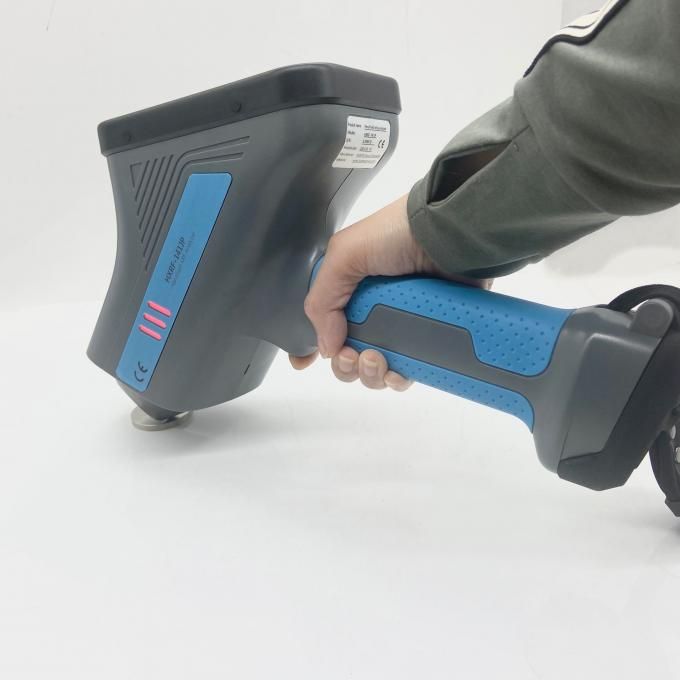
XRF Fluorescence Gun: Portable Metal Scanner
Understanding X-Ray Fluorescence Scanning
X-ray fluorescence forms the foundation of portable metal scanning technology. When high-energy X-rays from the analyzer strike metal atoms, they displace inner-shell electrons from their stable orbits. This electron displacement creates momentarily unstable atomic configurations. As outer-shell electrons cascade down to fill the inner-shell vacancies, they release energy in the form of secondary fluorescent X-rays.
Each element produces fluorescent X-rays at characteristic, unique energy levels determined by its atomic structure. Iron atoms always fluoresce at 6.40 keV for their primary Kα emission. Chromium produces characteristic X-rays at 5.41 keV. Nickel fluoresces at 7.48 keV. These elemental fingerprints enable positive identification—the scanner detects fluorescent energies and matches them to specific elements with absolute certainty.
The fluorescence intensity directly correlates with element concentration. More iron atoms produce stronger iron fluorescence signals. Trace quantities generate weak but still detectable fluorescent emissions. By measuring both fluorescent energies identifying elements and fluorescent intensities quantifying concentrations, portable XRF scanners create complete compositional profiles from metal samples in seconds.
The entire process occurs essentially instantaneously—atoms respond to X-ray excitation within microseconds, emit fluorescent X-rays immediately, and modern detectors process signals in real-time. This speed enables the "point-and-shoot" scanning workflow that makes portable XRF so valuable for field metal analysis.
How Portable Metal Scanners Work
Core Components
Portable XRF fluorescence guns integrate sophisticated components into handheld packages. The miniature X-ray tube generates primary excitation X-rays, typically operating at 4-8 watts in handheld units or 12-60+ watts in benchtop systems. Variable voltage settings from 10-50 kilovolts optimize excitation for different elements—lower voltages for light metals, higher voltages for heavy elements.
Silicon drift detectors capture fluorescent X-rays and convert them into electrical signals proportional to photon energies. These advanced detectors achieve energy resolution around 125-145 eV enabling clear distinction between closely-spaced elemental peaks in complex alloy spectra. Count rate capabilities exceeding 100,000-500,000 photons per second enable rapid data accumulation supporting fast scanning workflows.
Digital signal processors convert detector outputs into energy spectra displaying fluorescent intensity versus photon energy. Advanced algorithms identify spectral peaks, match them to elemental fingerprints, calculate concentrations through calibration curves or fundamental parameters modeling, and compare results to alloy grade libraries containing thousands of specifications.
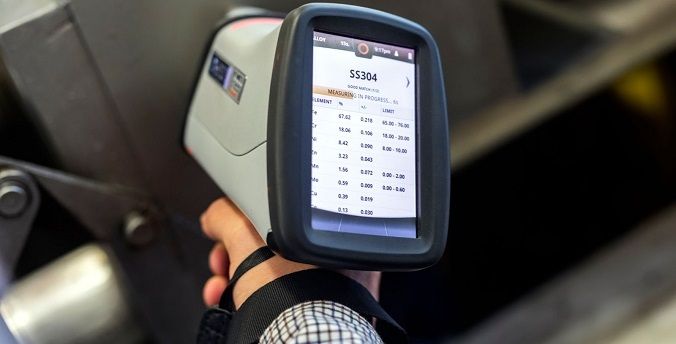
Touchscreen displays present results clearly—identified alloy grade prominently displayed alongside elemental composition table showing percentages of iron, chromium, nickel, molybdenum, and other constituents. The complete workflow from X-ray emission through fluorescence detection to result display happens in 2-30 seconds depending on required precision.
The Scanning Process
Scanning metals with portable XRF follows straightforward procedures. Clean the test surface removing dirt, oil, paint, or heavy oxidation that would interfere with X-ray penetration or fluorescence emission. Position the scanner perpendicular to the surface ensuring good contact and stable geometry. Pull the trigger activating X-ray emission and measurement.
Watch the display as fluorescent signals accumulate—spectral peaks build in real-time, elemental identifications appear, concentrations calculate, and grade matching completes. Short scans of 2-5 seconds provide alloy grade identification suitable for sorting and screening. Extended scans of 10-30 seconds accumulate better counting statistics delivering improved precision for quantitative analysis and certification applications.
The non-destructive nature preserves samples—no cutting, no sample preparation, no material consumed. Test the same location repeatedly verifying consistency. Scan multiple locations across components checking compositional uniformity. The scanning flexibility supports diverse verification strategies impossible with destructive techniques.
Metal Types Detected by Fluorescence Scanners
Ferrous Alloys and Stainless Steels
Portable XRF fluorescence excels at stainless steel scanning, detecting and quantifying iron, chromium, nickel, molybdenum, manganese, copper, titanium, niobium, and other alloying elements. The multi-element capability distinguishes hundreds of grades through precise compositional measurement. Austenitic 304 (18% Cr, 8% Ni) separates clearly from 316 (additional 2-3% Mo). Duplex, ferritic, and precipitation-hardening grades receive accurate identification.
Carbon steels, low-alloy steels, and tool steels undergo rapid scanning identifying alloying additions like chromium, molybdenum, vanadium, tungsten, and cobalt that define mechanical properties and performance characteristics. The fluorescence detection spans from major constituents at tens of percent to minor additions at tenths of percent to trace elements at parts-per-million levels.
Aluminum and Light Alloys
Advanced portable scanners with light element capability detect aluminum, magnesium, silicon, and other constituents defining wrought and cast aluminum alloys. The fluorescence from these light elements occurs at low X-ray energies—aluminum Kα at 1.49 keV, magnesium at 1.25 keV—requiring specialized detection capabilities and sometimes helium purge or vacuum operation minimizing atmospheric absorption.
The light element scanning distinguishes aerospace 2xxx series (aluminum-copper), structural 6xxx series (aluminum-magnesium-silicon), high-strength 7xxx series (aluminum-zinc), and marine 5xxx series (aluminum-magnesium) through characteristic compositional patterns. This capability prevents catastrophic material mix-ups in aerospace manufacturing and critical structural applications.
Non-Ferrous and Specialty Metals
Copper alloy fluorescence scanning identifies brasses (copper-zinc), bronzes (copper-tin), cupronickel compositions, and specialty copper alloys through multi-element detection. Titanium alloy scanning measures aluminum, vanadium, iron, and other constituents differentiating commercially pure grades from aerospace alloys. Nickel-based superalloys, cobalt alloys, precious metals, and exotic compositions all produce characteristic fluorescent signatures enabling identification and quantification.
The elemental range from magnesium (atomic number 12) through uranium (92) in quality portable scanners covers virtually every commercially significant metal and alloying element. This comprehensive coverage makes single instruments versatile across diverse applications and material types.
Critical Scanning Applications
Rapid Scrap Metal Sorting
Scrap recycling operations employ portable XRF fluorescence scanners for high-speed alloy segregation. The 2-3 second scanning enables operators to classify 500-1000 mixed pieces per shift, rapidly segregating stainless steels into grade-specific lots, separating aluminum series, distinguishing copper alloy families, and identifying valuable specialty metals. The fluorescence detection reveals true metallurgical composition where visual inspection fails, preventing valuable materials from downgrading into lower-value mixed lots.
Different alloy grades command vastly different market prices. Accurate fluorescence scanning maximizes material value through precise classification. GPS data logging and automated record-keeping create complete traceability documenting material sources and lot assignments supporting quality assurance and customer reporting.
Construction PMI Scanning
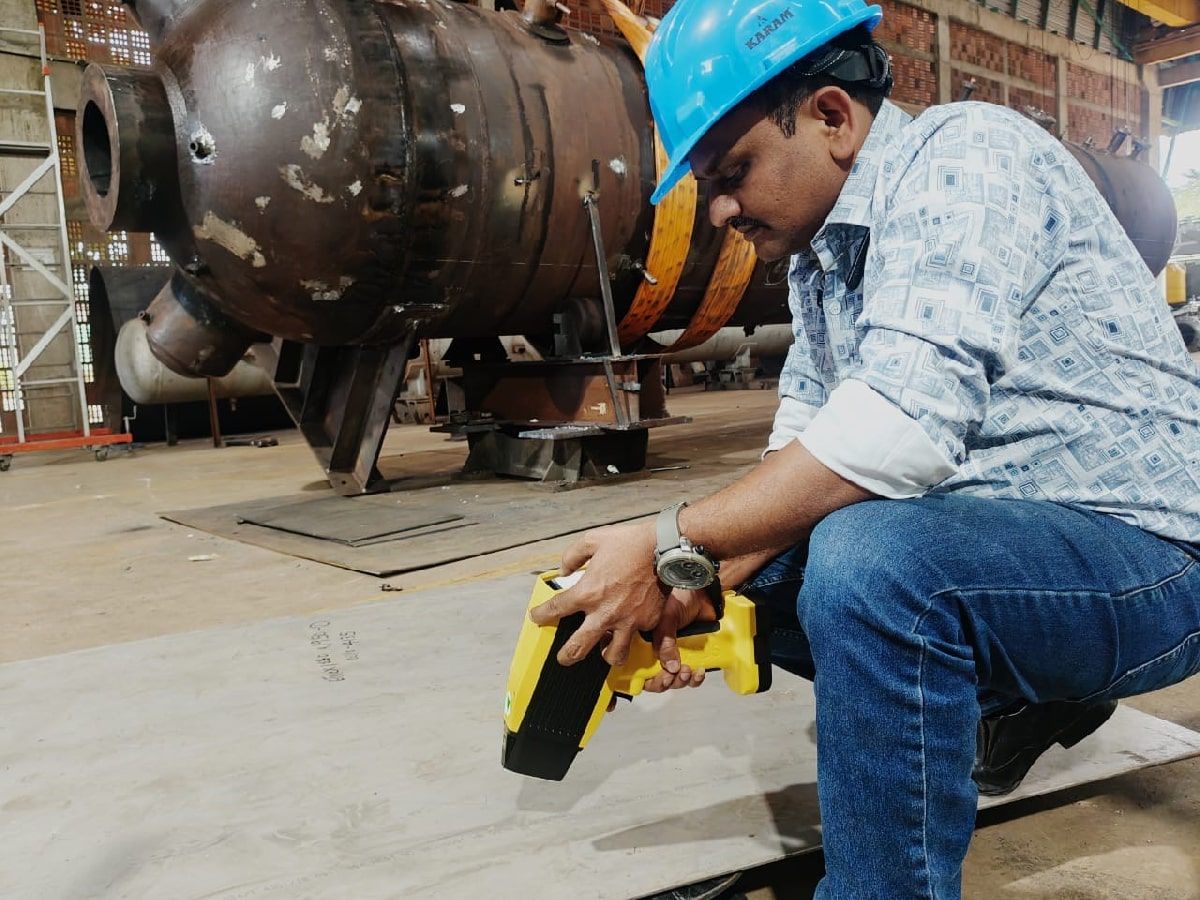
Positive Material Identification programs scan installed piping systems, pressure vessels, heat exchangers, valves, and structural components verifying metallurgy matches engineering specifications. The portable fluorescence scanners test components in place without disassembly or sample removal. Inspectors scan thousands of components during construction or maintenance turnarounds, with immediate fluorescent analysis preventing material errors that could cause equipment failures or safety incidents.
The non-destructive fluorescence scanning preserves expensive components while providing certification-quality compositional data. Built-in cameras photograph measurement locations, GPS coordinates link results to specific positions, and automated reporting generates complete inspection documentation proving correct materials throughout facility lifetimes.
Manufacturing Quality Scanning
Production facilities integrate portable XRF fluorescence scanners at multiple manufacturing stages. Incoming material scanning verifies supplier deliveries match specifications before metals enter production. In-process scanning confirms correct alloy selection during fabrication, preventing expensive errors. Final product scanning certifies finished components that meet customer requirements and specifications.
The instant fluorescence results enable real-time acceptance decisions without waiting for laboratory analysis. The seconds-scale scanning fits naturally into lean manufacturing workflows encouraging comprehensive verification rather than statistical sampling. This increased testing frequency dramatically improves quality control effectiveness.
Field Exploration and Mining
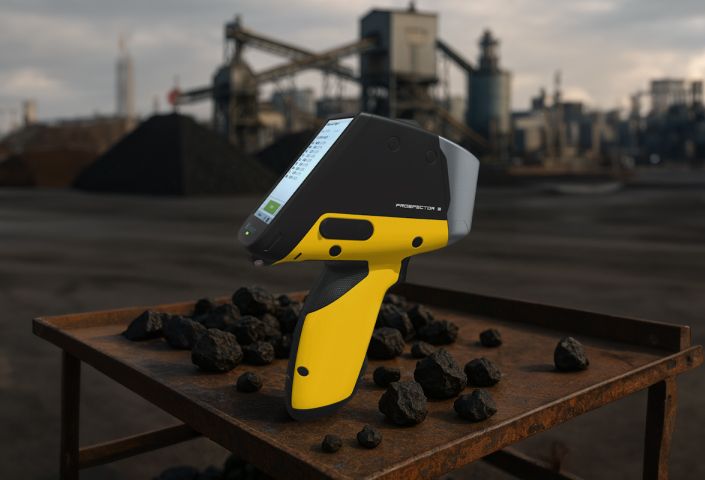
Geological exploration employs portable fluorescence scanners for rapid ore grade determination guiding drilling programs. Field geologists scan rock outcrops, core samples, and mineral specimens generating immediate geochemical data supporting exploration decisions. The portable capability enables testing in remote locations lacking laboratory infrastructure, accelerating resource discovery and evaluation.
Production mining uses fluorescence scanning for ore grade control distinguishing material sent to processing from waste rock. Real-time scanning results optimize resource recovery, reduce processing costs, and improve extraction efficiency through immediate feedback enabling operational adjustments.
Advantages of Fluorescence Scanning
Speed and Productivity
Fluorescence physics enables remarkable scanning speed. Atoms respond to X-ray excitation essentially instantaneously, fluorescent emission occurs immediately, and modern detectors process signals in real-time. Grade identification completes in 2-5 seconds. Comprehensive quantitative analysis finishes in 10-30 seconds. This speed transforms feasible testing volumes—laboratories analyzing dozens of samples weekly transition to field operations testing hundreds or thousands daily.
Non-Destructive Preservation
Fluorescence scanning requires no sample removal, cutting, or destructive preparation. X-rays penetrate surfaces, excite fluorescence, and exit without altering materials. Test expensive components, finished products, installed equipment, or irreplaceable items repeatedly without damage. The preservation proves essential for aerospace components, critical infrastructure, valuable alloys, and applications where destructive testing would compromise functionality or value.
Multi-Element Simultaneity
Fluorescence occurs simultaneously for all elements present. Single scans detect and quantify 20-40 elements at once—iron, chromium, nickel, molybdenum, manganese, copper, titanium, and dozens of others from one measurement. Techniques requiring sequential determinations multiply analysis time proportionally with element count. XRF fluorescence delivers complete compositional profiles in time traditional methods need for single elements.
Field Portability
Handheld fluorescence scanners weigh 1-2 kilograms, operate on rechargeable batteries for 8-16 hours, withstand harsh environments through IP54-IP67 protection, and function across temperature ranges from -20°C to +50°C. This rugged portability brings laboratory-quality analysis to scrap yards, construction sites, manufacturing floors, mines, and anywhere metals require testing—eliminating sample transport and multi-day laboratory turnaround completely.
Selecting the Right Fluorescence Scanner
Match scanner capabilities to application requirements. High-throughput sorting prioritizes fastest scanning—1-2 second grade identification. Certification applications justify extended measurements accumulating better statistics. Light element detection (aluminum, magnesium) requires advanced detectors and sometimes specialized atmosphere control. Harsh environments demand maximum environmental protection—IP65 or IP67 ratings.
Comprehensive alloy libraries containing thousands of grades enable instant identification. Verify coverage includes materials actually encountered. Advanced features like multiple collimators, dual cameras, GPS tagging, and wireless connectivity enhance capability for specialized applications. Balance performance requirements against budget constraints—invest in capabilities matching actual needs without paying premiums for unused features.
Conclusion
The XRF fluorescence gun represents sophisticated physics packaged for practical field use—transforming atomic X-ray fluorescence into instant metal identification through portable handheld scanning. The technology delivers laboratory-quality elemental analysis anywhere materials exist, enabling real-time decisions impossible with laboratory-dependent testing.
From rapid scrap sorting maximizing recycling profitability, through critical PMI scanning ensuring infrastructure safety, to comprehensive manufacturing quality control preventing costly errors, portable fluorescence scanners provide the immediate compositional data modern metal industries demand. The combination of seconds-scale analysis speed, non-destructive preservation, multi-element simultaneity, and rugged field portability creates unprecedented capability for metal verification and quality assurance.
For organizations requiring instant alloy identification, accurate compositional data, and reliable field performance, XRF fluorescence scanning technology delivers proven solutions supporting quality, efficiency, and competitive success across metal industries worldwide. The atomic physics powering these portable scanners—refined through decades of development and proven through millions of field measurements—continues advancing, promising even faster, more capable, and more accessible metal analysis for future applications.
Related posts
-
 Portable XRF: Handheld Metallurgy Analyzer
Metallurgical testing has evolved from laboratory-bound procedures to instant field analysis through portable XRF...Einzelheiten
Portable XRF: Handheld Metallurgy Analyzer
Metallurgical testing has evolved from laboratory-bound procedures to instant field analysis through portable XRF...Einzelheiten -
 XRF Gun: ElvaX Alloy Analysis Pistol Scanner
The XRF gun revolutionizes metal analysis by putting laboratory-quality alloy identification directly in your hand....Einzelheiten
XRF Gun: ElvaX Alloy Analysis Pistol Scanner
The XRF gun revolutionizes metal analysis by putting laboratory-quality alloy identification directly in your hand....Einzelheiten -
 XRF Scanner: Chemical Composition Metal Detection
Chemical composition determines every critical property of metal materials—strength, corrosion resistance,...Einzelheiten
XRF Scanner: Chemical Composition Metal Detection
Chemical composition determines every critical property of metal materials—strength, corrosion resistance,...Einzelheiten -
 XRF Machine: ProSpector Element Analysis Device
Element analysis drives quality control across industries where material composition determines performance,...Einzelheiten
XRF Machine: ProSpector Element Analysis Device
Element analysis drives quality control across industries where material composition determines performance,...Einzelheiten -
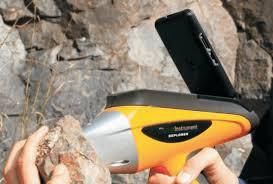 Handheld XRF: Mobile Fluorescence Analyzer
Mobility transforms analytical capability from laboratory limitation to field advantage. Handheld XRF mobile...Einzelheiten
Handheld XRF: Mobile Fluorescence Analyzer
Mobility transforms analytical capability from laboratory limitation to field advantage. Handheld XRF mobile...Einzelheiten