
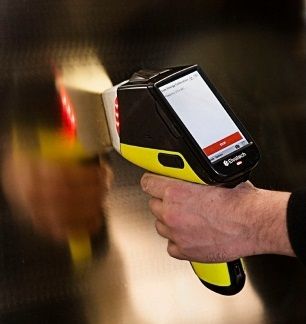
XRF Machine: ProSpector Element Analysis Device
What ProSpector Element Analysis Delivers
The ProSpector represents Elvatech's handheld XRF platform engineered specifically for rapid, reliable element analysis in demanding field environments. This element analysis machine employs energy-dispersive X-ray fluorescence spectroscopy—a proven technique detecting characteristic X-ray emissions unique to each element. When the ProSpector's X-ray beam strikes samples, atoms emit fluorescent X-rays at element-specific energies. Advanced detectors capture these emissions, creating spectral signatures identifying present elements and their concentrations.
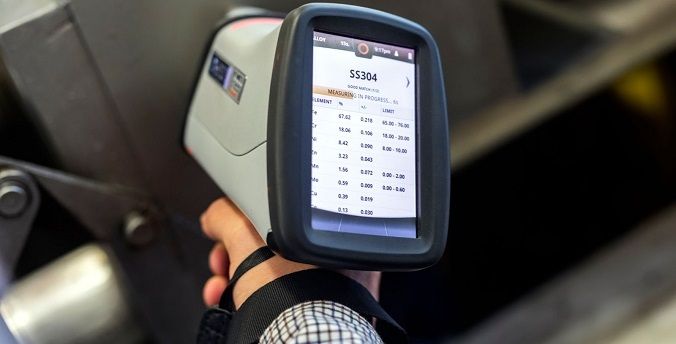
The technology delivers two critical outputs instantly: comprehensive elemental composition showing percentages of iron, chromium, nickel, molybdenum, copper, and other constituents, and automatic alloy grade identification matching measured compositions against databases containing thousands of international specifications. This dual capability—quantitative element analysis plus qualitative grade identification—supports diverse applications from scrap sorting to critical component verification.
The "machine" descriptor reflects sophisticated internal technology—miniature X-ray tubes, advanced silicon drift detectors, digital signal processors, comprehensive alloy libraries, GPS systems, cameras, wireless connectivity—all packaged into handheld form factors weighing just 1.05-1.5 kilograms. Despite compact size, ProSpector element analysis machines deliver performance rivaling stationary laboratory systems while maintaining complete field portability.
ProSpector Platform Generations
ProSpector 2: Proven Element Analysis
The ProSpector 2 represents established element analysis technology proven through thousands of worldwide installations. This reliable platform weighs approximately 1.4 kilograms with dimensions supporting comfortable one-handed operation during extended field testing. The ergonomic pistol-grip design positions displays, controls, and measurement windows for natural handling minimizing operator fatigue.
High-resolution silicon drift detector technology achieves energy resolution around 140 eV at manganese Kα—performance enabling clear separation of closely-spaced elemental peaks in complex multi-element spectra. Count rates exceeding 100,000-500,000 counts per second enable rapid element analysis—grade identification in 2-5 seconds, comprehensive quantitative analysis in 10-30 seconds depending on required precision.
The element detection range spans magnesium (atomic number 12) through uranium (92), covering virtually all commercially significant elements. This comprehensive coverage enables analysis of diverse materials—ferrous and non-ferrous alloys, precious metals, geological samples, environmental matrices—with single versatile instrument. Built-in alloy libraries contain thousands of specifications across ASTM, EN, DIN, JIS, GB, and GOST standards enabling instant grade identification.
Rugged construction ensures reliable field operation. IP54 environmental protection guards against dust and moisture. Operating temperature range from -20°C to +40°C accommodates extreme conditions. Rechargeable batteries provide approximately 8 hours continuous operation—full work shifts without recharging. The field-proven durability supports demanding applications in scrap yards, construction sites, foundries, and harsh industrial environments.
ProSpector 3: Next-Generation Element Analysis
ProSpector 3 represents the latest evolution in handheld element analysis technology. Remarkably compact dimensions of just 236 × 193 × 68 millimeters and ultralight weight around 1.05 kilograms make ProSpector 3 among the smallest, lightest professional XRF machines available. This exceptional miniaturization reduces operator fatigue while enabling testing in confined spaces impossible with bulkier instruments.
Revolutionary analysis speed defines ProSpector 3 performance. Element analysis delivering alloy identification completes in 1-2 seconds—enabling testing rates exceeding 1000 samples per shift in high-throughput applications. The exceptional detector throughput exceeding 500,000 counts per second accumulates statistically reliable data rapidly without sacrificing precision. This speed advantage translates directly to operational productivity.
The innovative folding display creates dual-mode functionality. In handheld configuration, the display folds back forming compact pistol-grip for field testing. Deployed on optional laboratory stand, the display unfolds providing comfortable viewing for benchtop operation—effectively transforming the portable machine into stationary laboratory analyzer without computer connection required.
Advanced element analysis features include automatic two-position collimator switching between large-area and small-spot analysis, dual CCD cameras providing macro and micro sample views for precise targeting and documentation, hot-swappable batteries enabling uninterrupted testing, and extended battery life up to 16 hours supporting full-day field campaigns. IP65 environmental rating provides dust-tight and water-resistant protection exceeding ProSpector 2 specifications.
Element Detection Capabilities
Comprehensive Elemental Range
ProSpector element analysis machines detect elements from magnesium through uranium—a range encompassing virtually every element of commercial and industrial significance. This broad coverage enables multi-element analysis across diverse material types from single versatile platform. Iron, chromium, nickel, molybdenum, manganese define stainless steels. Aluminum, magnesium, silicon, copper, zinc characterize aluminum alloys. Titanium, aluminum, vanadium distinguish titanium grades. Copper, zinc, tin, nickel create copper alloy families.
The simultaneous multi-element capability delivers complete compositional profiles from single measurements. One 10-30 second scan reveals 20-40 elements—major constituents at tens of percent, minor additions at tenths of percent, trace elements at parts-per-million levels. This comprehensive analysis supports complete material characterization impossible through single-element techniques.
Light Element Analysis
Advanced ProSpector configurations provide enhanced light element detection for aluminum, magnesium, and silicon—critical for aluminum alloy analysis where these elements define aerospace grades, structural compositions, and casting alloys. Light element capability extends element analysis to materials where conventional XRF might struggle, supporting comprehensive compositional verification across wider material ranges.
The light element detection requires sophisticated detector technology and optimized measurement conditions capturing low-energy fluorescent X-rays that atmospheric absorption attenuates. ProSpector's advanced silicon drift detectors and optional measurement modes enable reliable light element quantification supporting aluminum industry quality control and diverse applications requiring comprehensive compositional data.
Critical Element Analysis Applications
Alloy Analysis and Grade Identification
Manufacturing quality control employs ProSpector element analysis for rapid alloy verification throughout production workflows. Incoming material inspection analyzes supplier deliveries confirming elemental composition matches purchase specifications. In-process testing verifies correct alloy selection during fabrication. Final inspection certifies finished products meet customer requirements through documented element analysis.
The instant elemental data enables real-time acceptance decisions without laboratory delays. Built-in grade libraries automatically compare measured compositions against specification limits, identifying matching grades and flagging out-of-specification materials. The 2-5 second grade identification enables 100% inspection rather than statistical sampling, dramatically improving quality assurance thoroughness.
Scrap Metal Element Analysis
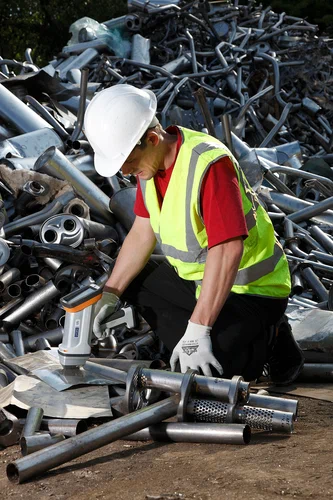
Recycling profitability depends on accurate compositional segregation. ProSpector element analysis enables rapid classification of mixed scrap through instant elemental detection. Stainless steel grades separate based on chromium, nickel, molybdenum content. Aluminum series distinguish through magnesium, silicon, copper, zinc ratios. Copper alloy families classify by elemental composition patterns invisible to visual inspection.
The 1-2 second element analysis enables sorting 500-1000 pieces per shift—throughput impossible with laboratory testing. Precise elemental segregation maximizes material revenues by preventing valuable alloys from downgrading into lower-value mixed lots. GPS data logging and automated record-keeping create complete traceability documenting material sources and lot assignments.
PMI Element Verification
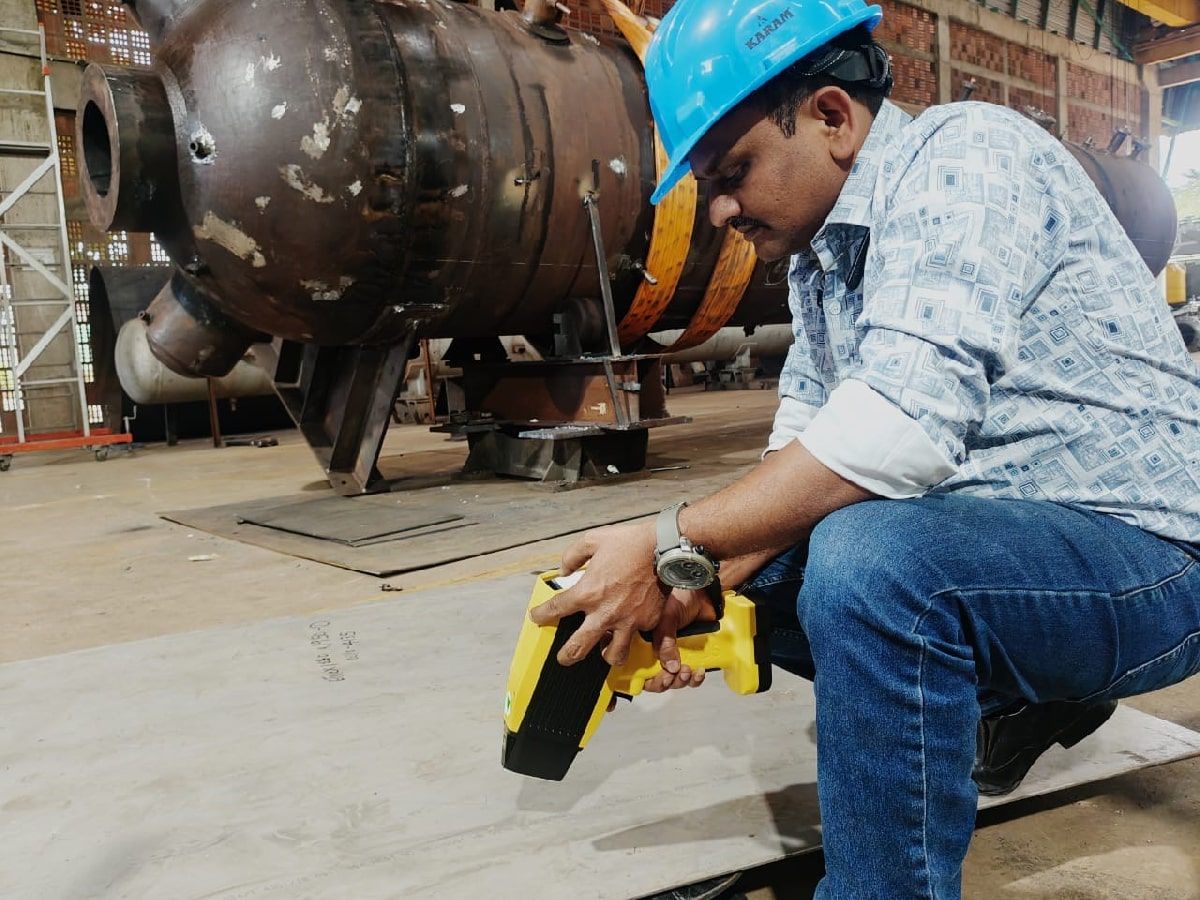
Critical infrastructure construction implements comprehensive PMI programs verifying elemental composition of installed components matches engineering specifications. ProSpector element analysis machines test piping systems, pressure vessels, valves, and structural elements in place without disassembly. Immediate elemental verification prevents installation of wrong alloys that could cause equipment failures or safety incidents.
The portable element analysis capability enables testing elevated structures, assembled equipment, and installed components impossible to transport to laboratories. Inspectors verify thousands of components during construction or maintenance with instant elemental confirmation supporting acceptance decisions and creating complete quality documentation including GPS coordinates, photographs, and analytical certificates.
Geological and Mining Element Analysis
Field exploration employs ProSpector element analysis for rapid ore grade determination through instant elemental detection. Geologists analyze rock outcrops, drill core, and mineral specimens generating immediate geochemical data guiding exploration decisions. The portable capability enables testing in remote locations lacking laboratory infrastructure, accelerating resource discovery and evaluation.
Production mining uses element analysis for ore grade control distinguishing processing material from waste rock based on elemental content. Real-time analytical feedback enables operational adjustments optimizing resource recovery, reducing processing costs, and improving extraction efficiency.
Advanced Analysis Features
Comprehensive Data Management
ProSpector element analysis machines feature extensive data storage recording thousands of test results including complete elemental compositions, timestamps, operator identification, sample locations, and photographic documentation. USB, WiFi, and Bluetooth connectivity enable seamless data transfer to computers, tablets, or smartphones for reporting and quality management system integration.
Customizable report templates include company branding, specification comparisons, pass/fail indicators, and acceptance criteria. Export capabilities in multiple formats support diverse documentation requirements. The comprehensive data management transforms ProSpector from simple testing device into complete element analysis documentation system.
GPS and Camera Integration
Built-in GPS systems automatically tag element analysis results with geographic coordinates creating complete spatial traceability. The location data proves invaluable for PMI programs documenting where specific materials were installed, mining operations mapping geochemical distributions, and any application requiring spatial correlation of elemental data.
Integrated cameras photograph measurement locations, visually documenting what was analyzed. The images automatically link to element analysis results creating complete inspection records with both compositional data and visual confirmation. This comprehensive documentation supports quality assurance, regulatory compliance, and customer reporting requirements.
Selecting the Right ProSpector Configuration
Match ProSpector capabilities to element analysis requirements. High-throughput applications prioritize fastest analysis—ProSpector 3's 1-2 second identification. Certification applications justify extended measurements accumulating better statistics. Light element detection needs advanced configurations. Harsh environments demand maximum environmental protection—IP65 or IP67 ratings.
Balance performance requirements against budget constraints. ProSpector 2 delivers proven element analysis capability at accessible pricing for organizations prioritizing reliability and value. ProSpector 3 provides cutting-edge performance, advanced features, and ultimate portability justifying premium investment for demanding applications requiring maximum capability.
Evaluate comprehensive specifications—element range, detection limits, analysis speed, environmental ratings, battery life, connectivity options, warranty terms, and manufacturer support infrastructure. Request demonstrations using actual materials in operational environments verifying performance meets expectations before committing to purchase.
Conclusion
The ProSpector XRF machine represents sophisticated element analysis technology engineered for practical field application. Whether established ProSpector 2 platforms or cutting-edge ProSpector 3 systems, these element analysis devices deliver laboratory-quality multi-element detection in compact, rugged, handheld packages designed for demanding industrial environments.
From comprehensive alloy analysis supporting manufacturing quality control, through rapid scrap sorting maximizing recycling profitability, to critical PMI verification ensuring infrastructure safety, ProSpector element analysis provides the immediate compositional data modern industries demand. The combination of seconds-scale analysis speed, comprehensive elemental coverage from magnesium through uranium, non-destructive testing preserving valuable materials, and field-portable convenience creates unprecedented capability for material verification and quality assurance.
For organizations requiring reliable element analysis, instant alloy identification, and field-deployable analytical capability, ProSpector XRF machines deliver proven solutions supporting material quality, operational efficiency, and competitive success across metal industries, mining operations, construction projects, and countless applications worldwide where rapid, accurate element analysis drives confident decisions and ensures excellence.
Related posts
-
 Portable XRF: Handheld Metallurgy Analyzer
Metallurgical testing has evolved from laboratory-bound procedures to instant field analysis through portable XRF...Einzelheiten
Portable XRF: Handheld Metallurgy Analyzer
Metallurgical testing has evolved from laboratory-bound procedures to instant field analysis through portable XRF...Einzelheiten -
 XRF Gun: ElvaX Alloy Analysis Pistol Scanner
The XRF gun revolutionizes metal analysis by putting laboratory-quality alloy identification directly in your hand....Einzelheiten
XRF Gun: ElvaX Alloy Analysis Pistol Scanner
The XRF gun revolutionizes metal analysis by putting laboratory-quality alloy identification directly in your hand....Einzelheiten -
 XRF Fluorescence Gun: Portable Metal Scanner
The XRF fluorescence gun transforms metal identification from laboratory procedure to instant field scanning...Einzelheiten
XRF Fluorescence Gun: Portable Metal Scanner
The XRF fluorescence gun transforms metal identification from laboratory procedure to instant field scanning...Einzelheiten -
 XRF Scanner: Chemical Composition Metal Detection
Chemical composition determines every critical property of metal materials—strength, corrosion resistance,...Einzelheiten
XRF Scanner: Chemical Composition Metal Detection
Chemical composition determines every critical property of metal materials—strength, corrosion resistance,...Einzelheiten -
 Handheld XRF: Mobile Fluorescence Analyzer
Mobility transforms analytical capability from laboratory limitation to field advantage. Handheld XRF mobile...Einzelheiten
Handheld XRF: Mobile Fluorescence Analyzer
Mobility transforms analytical capability from laboratory limitation to field advantage. Handheld XRF mobile...Einzelheiten