

Environmental Monitoring
Key Applications
- Soil and sediment screening — direct in-field measurements or lab analysis of hazardous metals per EPA 6200 guidelines
- Liquid analysis — detection of toxic elements in wastewater, lead in paint, and similar matrices
- Air quality monitoring — quantitative measurement of metals collected on air filters in accordance with EPA IO-3.3
Instrument Options
Two versions are available:
- Standard Edition — features a 40 kV Tungsten anode tube and Si-PIN detector; covers elements from Cl to U and accurately quantifies all 26 metals specified in EPA Method 6200.
- Light Edition — equipped with a 40 kV Rhodium anode tube, five specialized filters, and a high-resolution large-area Silicon Drift Detector (SDD). This configuration delivers superior energy resolution, lower detection limits, and faster measurement times, especially for light elements such as Mg, Al, Si, P, and S.
Both models are rugged, lightweight (approximately 1.5 kg), and support a full 8-hour workday on a single battery charge. The intuitive interface requires minimal training.
Measurement Procedure
ElvaX ProSpector supports two modes:
- In-situ (direct field measurement): Clear debris from the surface, compact the soil by tapping, then take multiple readings around the target spot and average them using the built-in software function for improved representativeness.
- Ex-situ (prepared sample) for higher accuracy:
- Collect soil from a 4×4 inch area to a depth of 1 inch.
- Mix thoroughly (use sodium fluorescein dye to verify homogenization if needed).
- Dry 20–50 g of sample at ≤150 °C for 2–4 hours.
- Grind until ≥90% passes a 60-mesh sieve.
- Load into a standard 32 mm XRF sample cup and analyze.
Typical measurement times are 30 seconds (Standard Edition) or 10 seconds (Light Edition), with longer durations improving precision as required.
Summary
ElvaX ProSpector reliably quantifies heavy metal contaminants in soils and sediments in line with EPA Method 6200, showing strong agreement with laboratory reference methods. It also supports air filter analysis per EPA IO-3.3 with calculated detection limits suitable for regulatory monitoring. The instrument enables rapid on-site decisions, reduces the need for off-site lab testing, and delivers significant time and cost savings for environmental assessments, remediation projects, and compliance verification.
Related posts
-
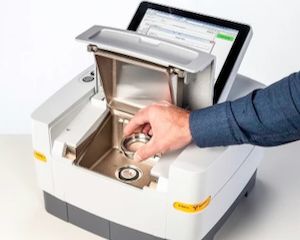 XRF Spectroscopy: X-Ray Fluorescence Principles
X-ray fluorescence (XRF) spectroscopy stands as one of the most powerful analytical techniques for determining...Einzelheiten
XRF Spectroscopy: X-Ray Fluorescence Principles
X-ray fluorescence (XRF) spectroscopy stands as one of the most powerful analytical techniques for determining...Einzelheiten -
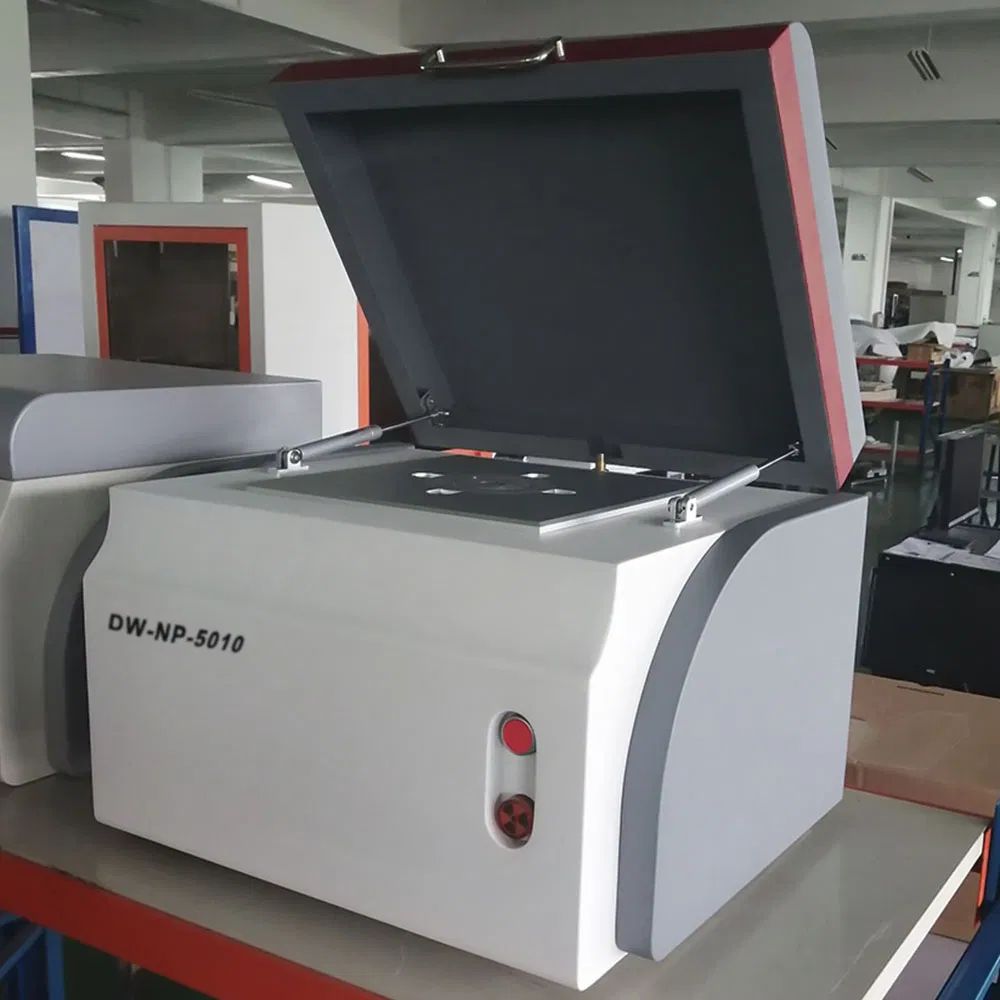 WDS X-Ray Spectroscopy: High-Resolution Analysis
Wavelength-dispersive X-ray spectroscopy (WDS or WDXRF) represents the pinnacle of precision in elemental analysis,...Einzelheiten
WDS X-Ray Spectroscopy: High-Resolution Analysis
Wavelength-dispersive X-ray spectroscopy (WDS or WDXRF) represents the pinnacle of precision in elemental analysis,...Einzelheiten -
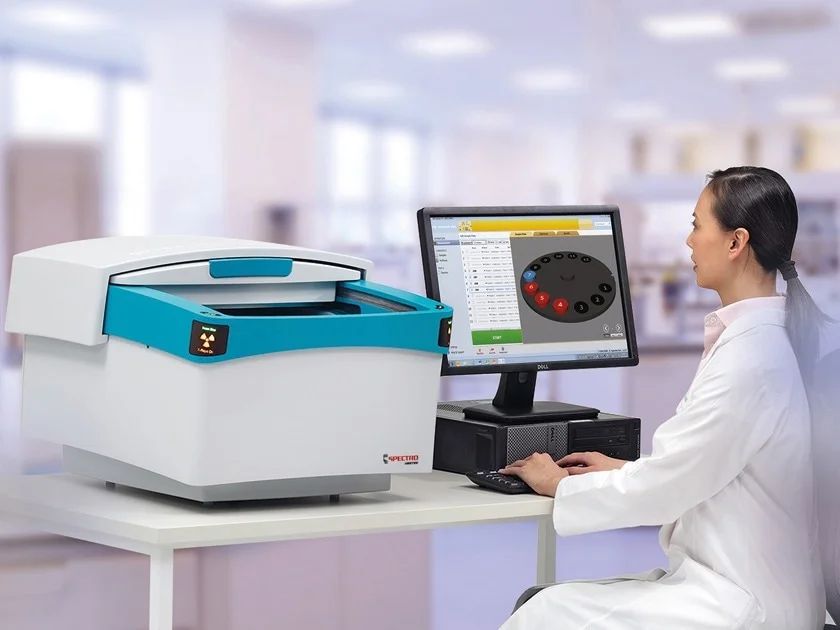 XRF Spectroscopy Equipment & Instrumentation
XRF spectroscopy equipment transforms the principles of X-ray fluorescence into practical analytical tools capable...Einzelheiten
XRF Spectroscopy Equipment & Instrumentation
XRF spectroscopy equipment transforms the principles of X-ray fluorescence into practical analytical tools capable...Einzelheiten -
 XRF Spectrometer: Professional Fluorescence Analyzer
Professional XRF spectrometers represent the pinnacle of non-destructive elemental analysis technology, combining...Einzelheiten
XRF Spectrometer: Professional Fluorescence Analyzer
Professional XRF spectrometers represent the pinnacle of non-destructive elemental analysis technology, combining...Einzelheiten