
Types and Principles
This category covers the fundamental principles of X-ray Fluorescence (XRF) analysis and the main types of XRF instruments.
XRF Principle XRF is a non-destructive method that identifies and quantifies elements by exciting atoms with X-rays, causing them to emit characteristic fluorescent X-rays. Each element has a unique energy signature, enabling fast multi-element analysis (typically Na to U) in seconds to minutes.
Main XRF Types
- EDXRF (Energy Dispersive) Most common in portable and many benchtop systems. Measures all X-rays at once with an energy detector. Fast, compact, and ideal for quick field or routine screening with little sample prep.
- WDXRF (Wavelength Dispersive) High-precision lab technique using crystals to separate X-rays by wavelength. Superior resolution and sensitivity (especially for light elements). Best for demanding QC, research, and complex samples.
By Form Factor
- Portable / Handheld — Lightweight, battery-powered for on-site testing (scrap, PMI, jewelry, soil, RoHS).
- Benchtop / Laboratory — Stationary for higher accuracy and automation in labs (alloys, minerals, cement, environmental).
- Inline / Process — Real-time monitoring in production lines (conveyors, pipes, molten metal).
Choose the right type based on your needs for speed, accuracy, portability, or continuous control. Browse to find the best XRF match for your application.
-
 Environmental MonitoringEinzelheiten
ElvaX ProSpector is a fast, precise, and user-friendly handheld XRF analyzer designed for non-destructive environmental screening. It enables both in-situ (on-site) and ex-situ (prepared sample) analysis of contaminants in soils, sediments, and other media. The instrument fully complies with EPA Method 6200 and detects all regulated heavy metals covered by that method, including the RCRA 8 metals and priority pollutant metals (with the exception of beryllium).
-
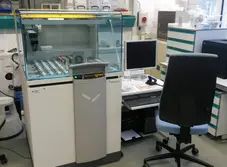 XRF Spectrometer: Professional Fluorescence AnalyzerEinzelheiten
Professional XRF spectrometers represent the pinnacle of non-destructive elemental analysis technology, combining sophisticated instrumentation with powerful analytical software to deliver laboratory-grade precision across diverse applications. These advanced fluorescence analyzers have become indispensable tools in quality control laboratories, research facilities, manufacturing operations, and analytical services worldwide. Understanding what distinguishes professional XRF spectrometers...
-
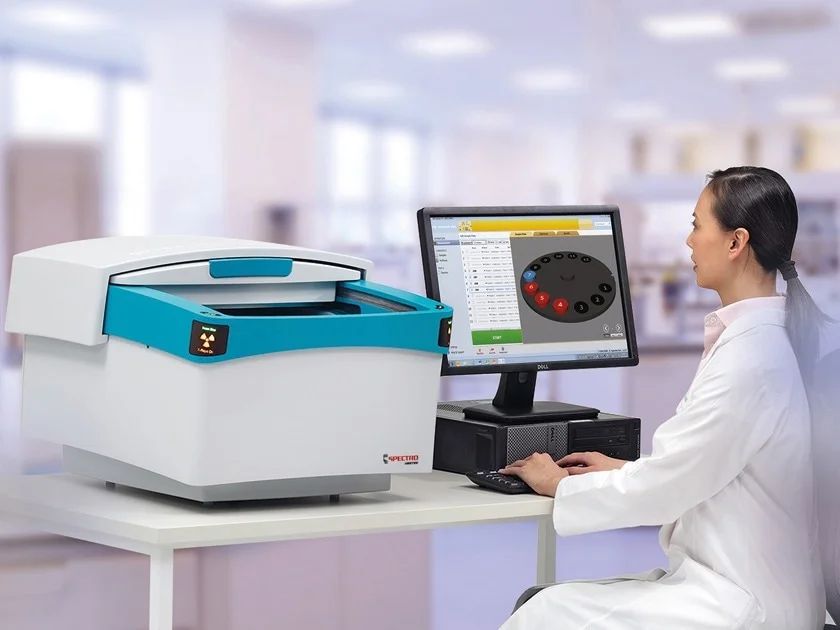 XRF Spectroscopy Equipment & InstrumentationEinzelheiten
XRF spectroscopy equipment transforms the principles of X-ray fluorescence into practical analytical tools capable of identifying and quantifying elements across countless applications. From compact handheld analyzers weighing just over one kilogram to sophisticated laboratory systems occupying entire benchtops, XRF instrumentation ranges widely in capability, cost, and complexity. Understanding the core components, different instrument types, and key selection criteria enables...
-
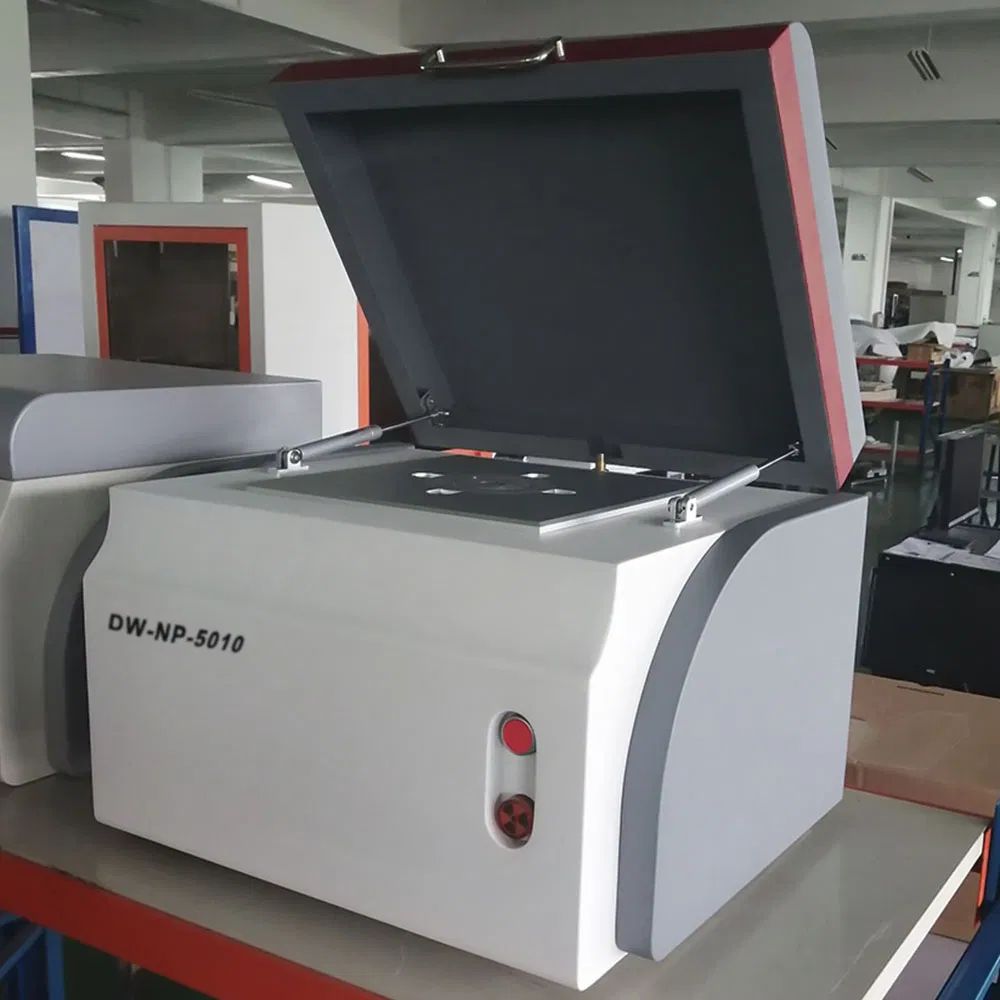 WDS X-Ray Spectroscopy: High-Resolution AnalysisEinzelheiten
Wavelength-dispersive X-ray spectroscopy (WDS or WDXRF) represents the pinnacle of precision in elemental analysis, delivering spectral resolution up to ten times superior to energy-dispersive systems. This advanced analytical technique uses crystal diffraction to separate X-rays with extraordinary precision, enabling detection of trace elements at parts-per-million levels and resolution of overlapping spectral lines that other methods cannot distinguish. For applications demanding ultimate...
-
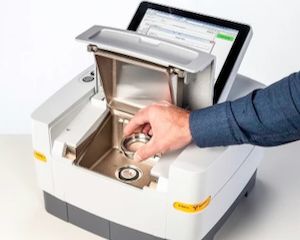 XRF Spectroscopy: X-Ray Fluorescence PrinciplesEinzelheiten
X-ray fluorescence (XRF) spectroscopy stands as one of the most powerful analytical techniques for determining elemental composition across countless applications. From quality control in manufacturing to geological exploration and environmental monitoring, XRF technology provides rapid, accurate, and non-destructive elemental analysis. Understanding the fundamental principles underlying XRF spectroscopy reveals why this technique has become indispensable in modern analytical science and...