
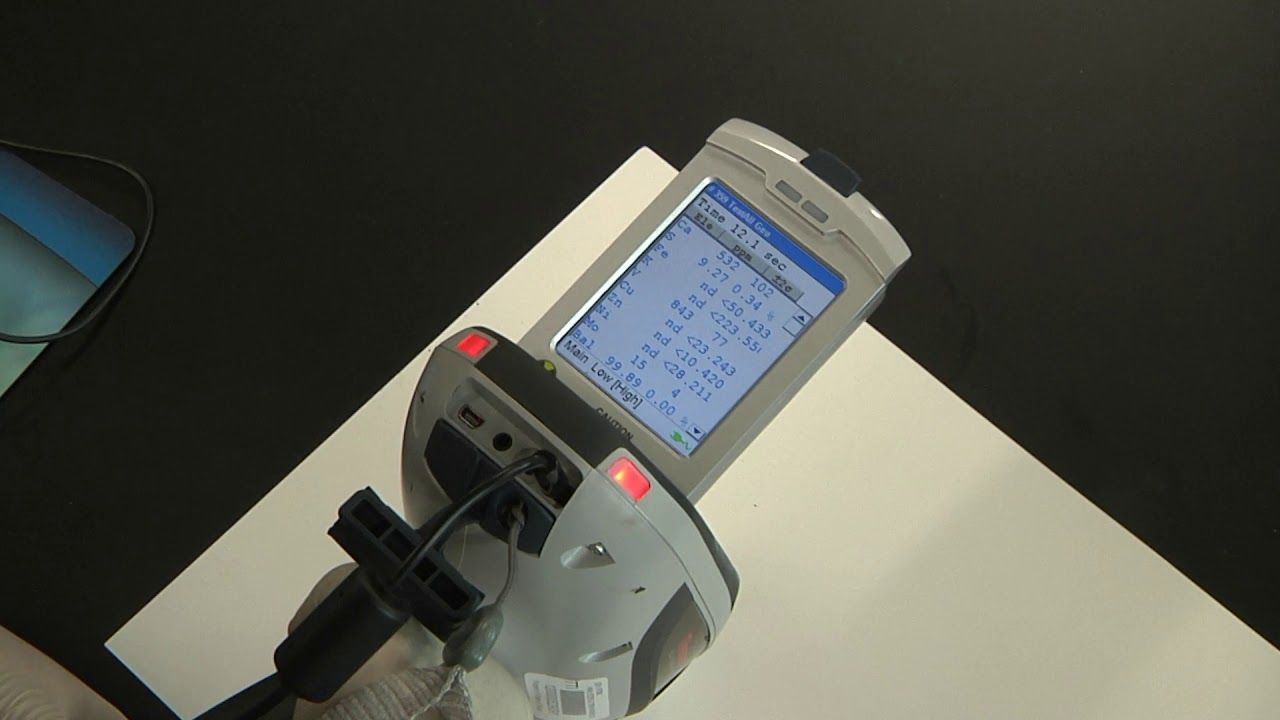
Portable and Handheld Devices: Complete Guide to Mobile XRF Technology
What to Expect in This Section
This section provides exhaustive coverage of portable and handheld XRF technology across all configurations and application domains. You'll discover detailed information about the Portable XRF: Handheld Metallurgy Analyzer and its capabilities for rapid metal identification in field environments. We examine the XRF Gun: ElvaX Alloy Analysis Pistol Scanner and its ergonomic design optimized for industrial testing scenarios, demonstrating how modern engineering creates user-friendly analytical tools.
Our comprehensive coverage includes the XRF Fluorescence Gun: Portable Metal Scanner technology that enables non-destructive material verification across diverse applications. We explore XRF Scanner: Chemical Composition Metal Detection methodologies that identify elemental makeup instantly, supporting quality control and authentication workflows. The XRF Machine: ProSpector Element Analysis Device receives detailed examination as an example of high-performance portable spectroscopy.
You'll learn about Handheld XRF: Mobile Fluorescence Analyzer applications spanning from scrap metal recycling to archaeological artifact authentication. The Portable XRF Analyzer: ElvaX Mobile Model demonstrates practical implementation of advanced detector technology in rugged portable packages. Finally, we cover Portable XRF Spectrometer: Mining Applications that transform geological exploration and ore grade control through real-time field analysis.
Throughout this section, you'll gain comprehensive understanding of how portable and handheld XRF devices solve analytical challenges in environments where traditional laboratory analysis proves impractical or impossible.
Understanding Portable XRF Technology
Fundamental Design Principles
Portable and handheld XRF devices integrate complete analytical systems into compact, battery-powered instruments weighing typically between one and two kilograms. These mobile units incorporate miniaturized X-ray tubes, advanced silicon drift detectors, digital signal processing electronics, rechargeable battery systems, and intuitive user interfaces within rugged housings designed to withstand harsh field conditions. The engineering challenge involves maintaining analytical performance comparable to benchtop laboratory instruments while achieving portability and environmental durability.
Modern portable XRF analyzers utilize high-performance X-ray tubes with selectable anode materials that optimize excitation for different element groups. Silicon drift detector technology provides exceptional energy resolution and count rate capabilities in compact form factors, enabling rapid spectral acquisition without sacrificing data quality. Advanced digital signal processors operating at high sampling rates convert detected X-rays into precise energy spectra, while sophisticated algorithms identify elements and calculate concentrations.
Non-Destructive Testing Advantages
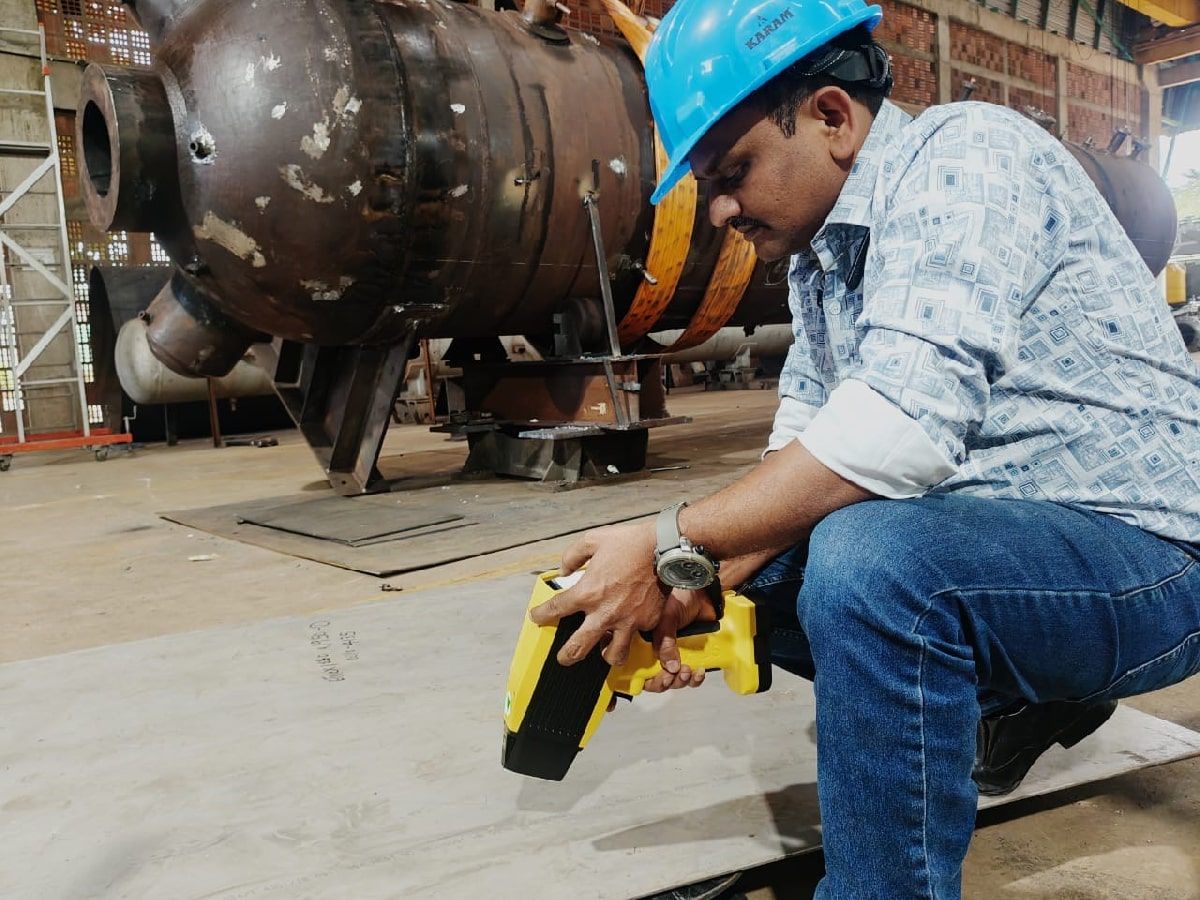
The non-destructive nature of XRF analysis represents one of portable devices' most valuable characteristics. Testing leaves no marks, removes no material, and causes no damage to analyzed items, making the technology ideal for precious materials, finished products, historical artifacts, and any samples where preservation is paramount. This non-invasive capability enables testing in situations impossible with traditional destructive techniques, from analyzing irreplaceable museum artifacts to verifying installed structural components.Analysis requires no sample preparation beyond simple surface cleaning in most cases, dramatically reducing testing time and eliminating preparation-related errors. Samples remain in their original state and location, whether testing welded joints on pressure vessels, examining archaeological finds at excavation sites, or verifying jewelry purity in retail stores.
Handheld XRF Gun Configurations
Pistol-Grip Ergonomic Design
The pistol-grip configuration represents the most common handheld XRF form factor, offering optimal ergonomics for single-handed operation during extended testing campaigns. The trigger-activated measurement system allows operators to position the analyzer precisely against samples, initiate analysis, and receive results while maintaining comfortable grip and control. This design proves particularly valuable when testing hard-to-reach locations, overhead installations, or samples requiring specific positioning for accurate measurements.
Integrated displays provide immediate result visualization without external devices, showing element concentrations, alloy grades, and pass/fail indicators directly on the analyzer. Many models incorporate customer-facing secondary displays or wireless connectivity enabling real-time result sharing with clients or supervisors, enhancing transparency and trust. LED lighting systems illuminate measurement areas, ensuring accurate positioning even in poorly lit industrial environments or field locations.
Radiation Safety Features
Comprehensive safety systems ensure operator and bystander protection during portable XRF operation. Automatic shutoff mechanisms prevent X-ray generation unless proper contact with samples is detected, eliminating stray radiation exposure risks. Visual and audible indicators clearly communicate operational status, warning nearby personnel when X-rays are active. Protective shielding integrated into analyzer housings minimizes backscatter radiation, while regulatory certifications confirm compliance with international safety standards.
Properly operated portable XRF devices present minimal radiation exposure, with typical usage resulting in doses far below natural background radiation levels and regulatory limits. Comprehensive operator training and adherence to manufacturer guidelines ensure safe operation in all application environments.
Rapid Field Analysis Capabilities
Lightning-Fast Results
Modern portable XRF analyzers deliver actionable results in seconds rather than the hours or days required by traditional laboratory methods. Common alloys can be identified in one second or less, while precise quantitative analysis of complex compositions requires typically five to thirty seconds depending on required accuracy levels. This remarkable speed enables high-throughput testing campaigns where hundreds or thousands of measurements occur daily, transforming productivity in quality control, scrap sorting, and exploration applications.
The rapid analysis capability allows real-time decision-making at critical process points. Manufacturing facilities accept or reject incoming raw material shipments immediately upon delivery, preventing production delays from quality issues. Scrap metal operators make instant purchasing decisions with confidence in accurate grade identification and valuation. Construction inspectors verify correct materials in structural applications before irreversible installation.
Multi-Element Simultaneous Detection
Portable XRF analyzers measure multiple elements simultaneously in single measurement cycles, providing comprehensive compositional profiles rather than single-element results. This parallel detection capability distinguishes XRF from sequential techniques, enabling complete alloy characterization including major alloying elements, minor constituents, and trace impurities in unified analyses. The simultaneous multi-element measurement ensures accurate alloy identification even for complex compositions with numerous alloying additions.
Element detection ranges typically span from magnesium through uranium, covering virtually all elements of industrial, geological, and precious metals significance. Advanced models with specialized configurations extend ranges to include lighter elements like sodium and aluminum, expanding application versatility.
Industrial Metallurgy Applications
Positive Material Identification Programs
Positive Material Identification (PMI) represents one of portable XRF's most critical applications, preventing catastrophic failures caused by material mix-ups in industrial facilities. Maintenance professionals and plant operators test critical process components before and after they enter service, ensuring correct alloy specifications in applications where material failures could cause explosions, toxic releases, or structural collapses. Portable analyzers verify that installed pipes, valves, pressure vessels, and structural members match design specifications and material certificates.+2
PMI programs protect against counterfeit materials entering supply chains, detect inadvertent substitutions during construction or maintenance, and confirm proper material selection for corrosive, high-temperature, or high-pressure service conditions. The non-destructive testing capability allows verification of installed components without disassembly or service interruption.
Quality Control and Incoming Inspection
Manufacturing facilities employ portable XRF for rapid incoming inspection of raw materials at delivery points. Rather than relying solely on supplier certificates, quality assurance personnel verify actual composition before materials enter production, preventing costly manufacturing errors and product recalls. The ability to test large quantities quickly enables statistical sampling programs that provide high confidence in batch quality.
In-process testing confirms correct materials at various manufacturing stages, from raw stock selection through intermediate assemblies to finished products. Final inspection verifies that shipped products meet customer specifications and regulatory requirements, supporting quality documentation and customer confidence.
Mining and Geological Exploration
Ore Grade Control
Portable XRF technology has transformed mining operations by enabling real-time ore grade determination directly at extraction faces, drill sites, and processing facilities. Geologists and mining engineers analyze rock samples immediately after collection, guiding excavation strategies to maximize valuable ore recovery while minimizing waste rock processing. This instant feedback optimizes mining efficiency and profitability through better resource delineation and extraction planning.
The technology supports grade control programs that ensure processed ore meets mill feed specifications, preventing efficiency losses from off-specification material. Portable analyzers characterize stockpiles, enabling optimal blending strategies that maintain consistent processing conditions. Environmental monitoring applications track heavy metals and contaminants in soils and waste materials around mining operations.
Exploration Geochemistry
Field exploration teams utilize portable XRF for rapid geochemical surveying across large areas, identifying mineralization patterns and anomalies that guide detailed investigation and drilling programs. The ability to analyze hundreds of samples daily accelerates exploration timelines dramatically compared to traditional laboratory-dependent workflows. Real-time data availability enables adaptive sampling strategies, with geologists focusing efforts on promising areas identified through initial screening.
Portable XRF provides cost-effective preliminary analysis that targets expensive drilling and laboratory assays toward highest-potential locations, optimizing exploration budgets. Integration with GPS and GIS systems creates comprehensive geochemical databases supporting resource modeling and development planning.
Precious Metals and Jewelry Testing
Karat Verification and Authentication
Jewelry professionals, pawn shops, gold buyers, and precious metals traders depend on portable XRF for fast, accurate, non-destructive purity assessment. Analyzers determine exact gold content in karats and percentages, distinguish between various silver alloys, identify platinum group metals, and detect common adulterants in seconds. The non-destructive testing preserves items' value and appearance completely, enabling analysis of finished jewelry, coins, bars, and decorative objects.
Results displayed in familiar karat values make information immediately accessible to customers and non-technical staff, while percentage compositions support precise valuation calculations. The speed enables high-volume testing in retail environments where customers expect immediate results and transparent verification processes.
Fraud Detection Capabilities
Advanced portable XRF analyzers detect surface treatments including plating and coating that traditional testing methods might miss. This capability protects buyers from gold or silver-plated items misrepresented as solid precious metals, while identifying filled or bonded constructions common in contemporary jewelry. Analysis of unusual alloy compositions flags potential counterfeits that don't match standard precious metal formulations.
The technology authenticates historical artifacts, collectible coins, and investment bullion, providing documentation supporting provenance and value assessments. Museums and collectors employ portable XRF for non-invasive characterization of irreplaceable items where destructive testing is unacceptable.
Environmental and Archaeological Applications
Soil Contamination Assessment
Environmental scientists utilize portable XRF for rapid heavy metals screening in soils, sediments, and contaminated sites. The technology enables high-density sampling programs that accurately characterize contamination distributions across large areas, supporting remediation planning and regulatory compliance. Real-time results guide adaptive sampling strategies, with investigators focusing detailed analysis on areas showing elevated contamination indicators.
Agricultural applications include soil nutrient monitoring, pesticide residue assessment, and quality evaluation for food crop production. The non-destructive method with quick analysis time makes portable XRF ideal for field assessments where laboratory analysis would create prohibitive delays.
Cultural Heritage Analysis
Archaeologists and art conservators employ portable XRF for non-invasive characterization of historical artifacts, artworks, and archaeological materials. The technology identifies pigments in paintings, characterizes metal artifacts, analyzes ceramic glazes, and determines stone compositions without sampling or damage. This preservation-focused capability enables comprehensive studies of irreplaceable cultural heritage objects.
Field archaeology benefits from immediate compositional data supporting excavation interpretation and artifact classification, while museum conservation programs utilize portable XRF for authentication, condition assessment, and treatment planning.
Conclusion
Portable and handheld XRF devices have fundamentally transformed elemental analysis by eliminating traditional laboratory constraints and enabling instant decision-making across industries worldwide. From the Portable XRF: Handheld Metallurgy Analyzer serving industrial quality control to the XRF Gun: ElvaX Alloy Analysis Pistol Scanner optimized for field operations, modern mobile technology delivers laboratory-grade accuracy in rugged, user-friendly packages.
The XRF Fluorescence Gun: Portable Metal Scanner and XRF Scanner: Chemical Composition Metal Detection capabilities enable comprehensive material characterization in seconds, while the XRF Machine: ProSpector Element Analysis Device exemplifies high-performance portable spectroscopy. The Handheld XRF: Mobile Fluorescence Analyzer serves diverse applications from manufacturing to archaeology, while the Portable XRF Analyzer: ElvaX Mobile Model demonstrates advanced engineering in compact configurations.
Specialized applications like Portable XRF Spectrometer: Mining Applications transform geological exploration and ore grade control through real-time field analysis. Whether your requirements involve positive material identification, precious metals authentication, scrap metal sorting, environmental monitoring, or archaeological characterization, portable and handheld XRF technology delivers immediate value through improved efficiency, reduced costs, enhanced quality assurance, and expanded analytical capabilities in field environments where laboratory analysis proves impractical.
Related posts
-
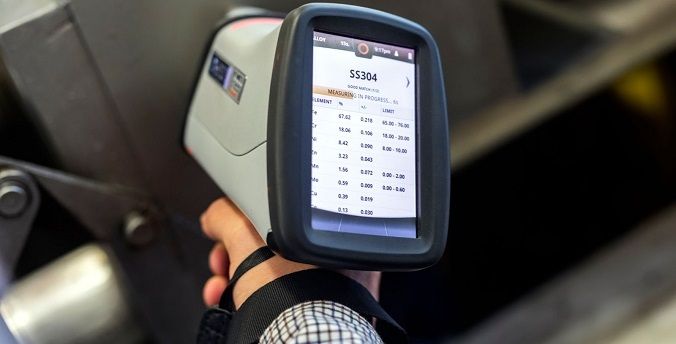 Portable XRF: Handheld Metallurgy Analyzer
Metallurgical testing has evolved from laboratory-bound procedures to instant field analysis through portable XRF...Einzelheiten
Portable XRF: Handheld Metallurgy Analyzer
Metallurgical testing has evolved from laboratory-bound procedures to instant field analysis through portable XRF...Einzelheiten -
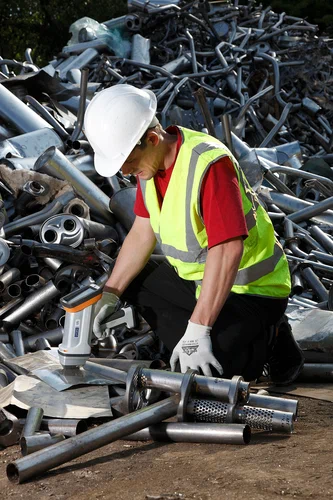 XRF Gun: ElvaX Alloy Analysis Pistol Scanner
The XRF gun revolutionizes metal analysis by putting laboratory-quality alloy identification directly in your hand....Einzelheiten
XRF Gun: ElvaX Alloy Analysis Pistol Scanner
The XRF gun revolutionizes metal analysis by putting laboratory-quality alloy identification directly in your hand....Einzelheiten -
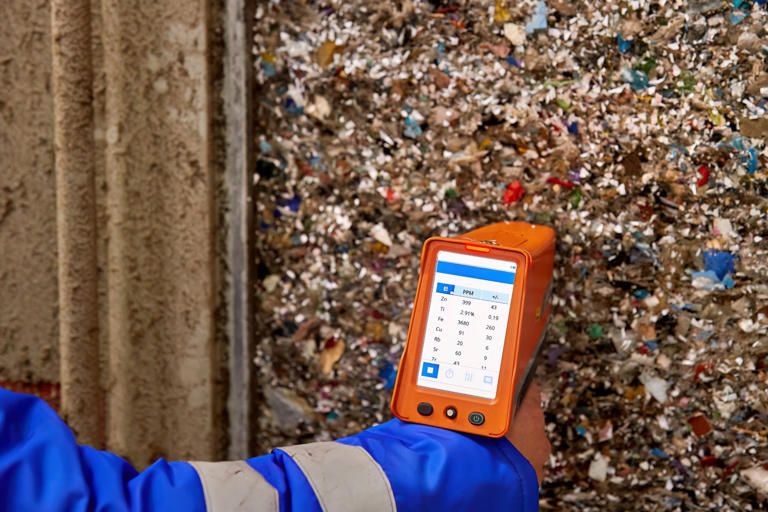 XRF Fluorescence Gun: Portable Metal Scanner
The XRF fluorescence gun transforms metal identification from laboratory procedure to instant field scanning...Einzelheiten
XRF Fluorescence Gun: Portable Metal Scanner
The XRF fluorescence gun transforms metal identification from laboratory procedure to instant field scanning...Einzelheiten -
 XRF Scanner: Chemical Composition Metal Detection
Chemical composition determines every critical property of metal materials—strength, corrosion resistance,...Einzelheiten
XRF Scanner: Chemical Composition Metal Detection
Chemical composition determines every critical property of metal materials—strength, corrosion resistance,...Einzelheiten -
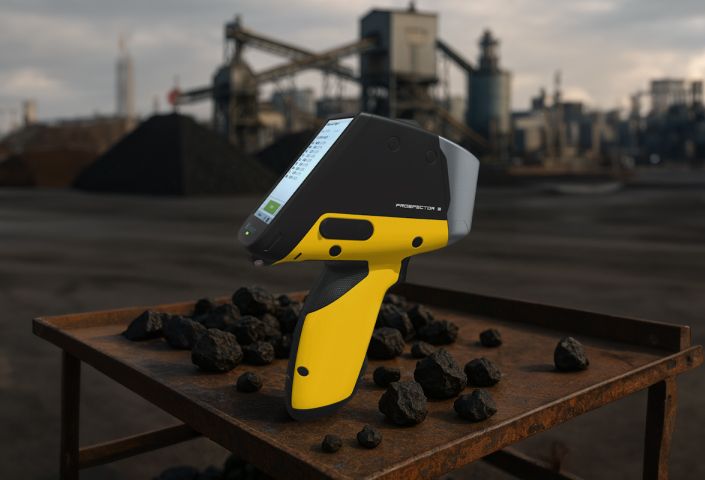 XRF Machine: ProSpector Element Analysis Device
Element analysis drives quality control across industries where material composition determines performance,...Einzelheiten
XRF Machine: ProSpector Element Analysis Device
Element analysis drives quality control across industries where material composition determines performance,...Einzelheiten