
XRF Analysis: Precise Metal Composition Testing
How XRF Technology Identifies Metal Composition
XRF spectrometers work by directing high-energy X-rays at a metal sample, causing atoms to emit characteristic fluorescent X-rays unique to each element. The analyzer measures these emissions to identify and quantify elements present in the alloy, from major constituents like iron and chromium to trace elements in parts-per-million (ppm) concentrations.
The process is remarkably fast—basic alloy identification completes in just 2 seconds, while precise compositional analysis takes 10-30 seconds. Detection capabilities extend to 46 elements, covering virtually all metals used in industrial applications. The technology achieves detection limits as low as a few ppm for heavy metals, making it suitable for both bulk composition and trace contaminant analysis.
Modern XRF analyzers employ the fundamental parameter method, which uses physical constants to model element interactions rather than relying solely on calibration samples. This approach delivers robust results even with exotic alloys or compositions that differ significantly from standard reference materials.
Key Applications in Metal Testing
Alloy Identification and Grade Verification
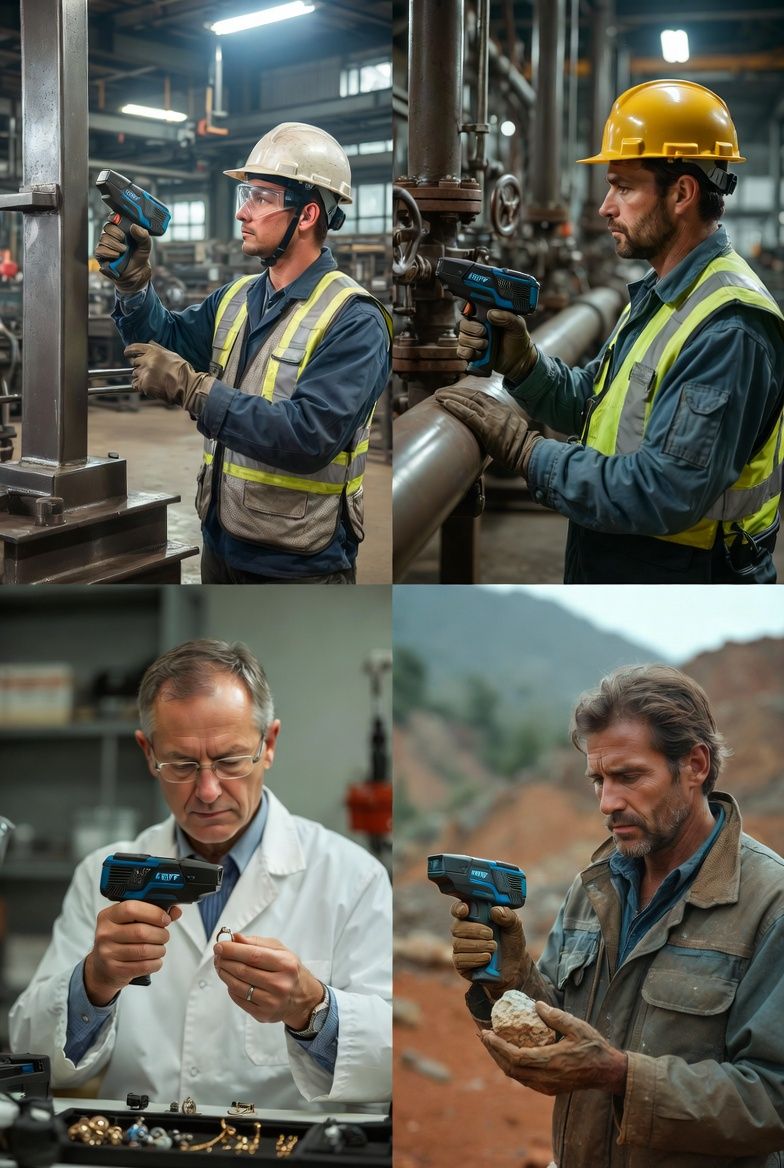
Manufacturing facilities use XRF to verify incoming materials match specifications, preventing costly errors from material mix-ups. The technology identifies all common alloy families including stainless steels, aluminum alloys, titanium grades, nickel-based superalloys, and copper alloys by analyzing signature elements like nickel, chromium, molybdenum, and manganese.
Petroleum pipeline operators rely on XRF to confirm correct materials during construction and maintenance, ensuring safety compliance. Aerospace manufacturers verify titanium and nickel alloy grades where material failure could have catastrophic consequences.
Scrap Metal Sorting and Recycling
Scrap dealers and smelters use handheld XRF analyzers to rapidly sort mixed metal streams, maximizing recovery value. The ability to distinguish between similar-looking alloys—such as 304 versus 316 stainless steel or 6061 versus 7075 aluminum—ensures proper segregation and pricing.
XRF technology enables field testing of large volumes quickly, identifying valuable metal content in complex scrap without laboratory delays. This speed directly translates to increased profitability in recycling operations.
Precision and Accuracy in Metal Analysis
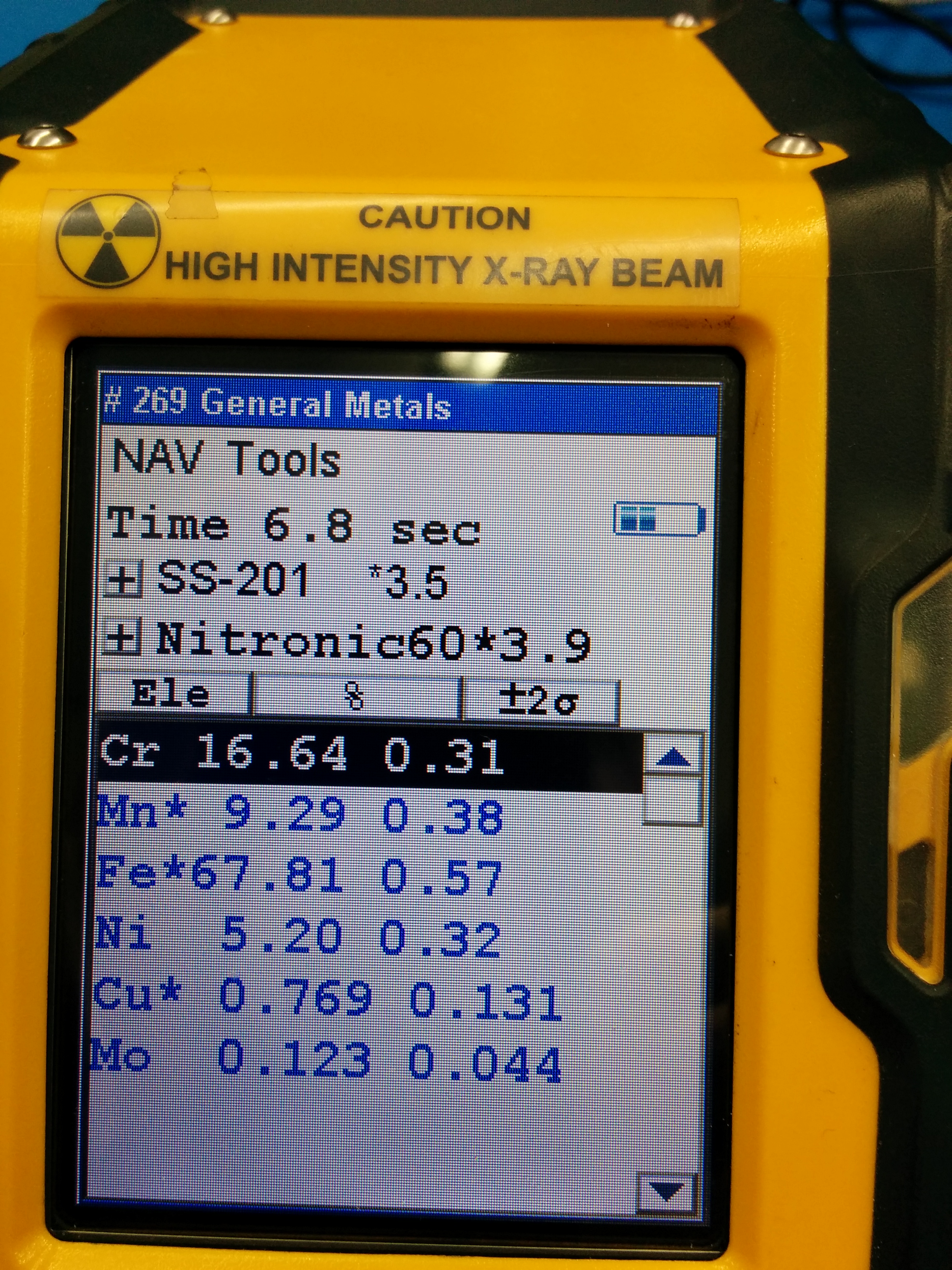
XRF analyzers achieve exceptional accuracy when properly calibrated and operated. For elements at high concentrations (above 1%), accuracy typically reaches within a few percent relative deviation from certified values—equivalent to a few tenths of a percent absolute concentration.
Statistical analysis of certified reference materials shows correlation coefficients (R²) exceeding 0.99 between measured and certified values, with linear regression slopes near 1.0, indicating minimal systematic bias. This performance rivals traditional wet chemistry methods while delivering results in seconds rather than hours.
Measurement accuracy depends on several factors:
- Element concentration levels: Higher concentrations yield better precision
- Surface preparation: Clean, oxide-free surfaces provide optimal results
- Matrix composition: Similar calibration standards improve accuracy
- Measurement time: Extended analysis (30-60 seconds) enhances trace element detection
For aluminum alloys, XRF analysis demonstrates average absolute errors as low as 0.001% for zinc content, with relative errors under 0.070%.
Advantages Over Traditional Testing Methods
XRF technology offers compelling benefits compared to conventional metal analysis techniques:
- Non-Destructive Testing: Samples remain undamaged and usable after analysis, critical for expensive components or limited materials. Traditional methods often require drilling, cutting, or dissolving samples.
- Rapid Results: Analysis completes in seconds versus hours or days for wet chemistry or spark optical emission spectroscopy (OES). This speed enables real-time quality control decisions on production floors.
- Portability: Handheld XRF analyzers bring laboratory-grade analysis to the field, eliminating transportation delays and costs. Operators test materials on-site at construction projects, fabrication shops, or scrap yards.
- Multi-Element Analysis: Simultaneous detection of dozens of elements provides complete compositional profiles in a single measurement. This comprehensive analysis reveals unexpected contaminants or alloying elements.
- Minimal Sample Preparation: Most applications require only cleaning the test surface. No sample digestion, dissolution, or complex preparation procedures are needed.
- Cost Efficiency: Reduced labor, faster throughput, and eliminated sample destruction lower per-test costs significantly.
Practical Considerations for Accurate Results
To maximize XRF measurement accuracy, follow these best practices:
- Surface Preparation: Remove heavy corrosion, paint, or contamination through grinding or solvent cleaning. Light oxidation minimally affects heavy elements (titanium through bismuth) but impacts light element measurements (magnesium, aluminum, silicon).
- Measurement Location: Test representative areas avoiding welds, heat-affected zones, or segregated regions unless specifically investigating these features.
- Calibration Verification: Regularly check performance using certified reference materials matching your typical sample types.
- Operator Training: Understanding instrument capabilities and limitations ensures proper interpretation of results.
- Environmental Factors: Extreme temperatures or humidity may affect electronics; consult manufacturer specifications.
Industry-Specific Applications
Manufacturing and Fabrication
Metal manufacturers verify raw material certifications, sort inventory accurately, and confirm finished product specifications. Fabricators test incoming stock before machining to prevent costly errors from incorrect materials.
Petroleum and Power Generation
Pipeline construction projects use XRF to verify weld materials and base metals meet ASME specifications. Power plants monitor high-temperature alloy components for compositional changes during service.
Precious Metals and Jewelry
XRF provides non-destructive purity verification for gold, silver, platinum, and palladium. Jewelers test karat content, while refiners analyze complex precious metal alloys without melting or sampling.
Mining and Ore Processing
Mining operations use XRF for ore grade analysis, measuring valuable metal concentrations to optimize processing. Flotation plants monitor feed and tails to maintain metallurgical balance.
Choosing the Right XRF Analyzer for Metal Testing
Selecting appropriate XRF equipment depends on your testing requirements:
- Handheld Analyzers: Ideal for field work, large component testing, and mobile operations requiring portability and battery power.
- Benchtop Systems: Provide enhanced precision for laboratory environments, small parts analysis, and high-throughput production testing.
- Specialized Configurations: Precious metal analyzers optimize for gold/silver/platinum analysis, while mining models emphasize light element detection for ore samples.
Consider factors including target elements, required detection limits, sample sizes, testing volume, budget, and whether portability is essential.
Conclusion: The Future of Metal Composition Testing
XRF analysis has become the gold standard for metal composition testing due to its unique combination of speed, accuracy, and non-destructive analysis. As manufacturing demands increase for quality verification and material traceability, XRF technology provides the reliable, rapid results needed to maintain competitiveness.
Whether identifying unknown alloys, verifying material specifications, or sorting scrap metal streams, XRF delivers laboratory-quality results in seconds without damaging valuable samples. This capability makes it an indispensable tool across metal-working industries, from aerospace manufacturing to recycling operations.
Related posts
-
 XRF Analysis: Fast Material Composition Scanner
In today's fast-paced industrial environment, waiting days or weeks for laboratory results is no longer acceptable....Einzelheiten
XRF Analysis: Fast Material Composition Scanner
In today's fast-paced industrial environment, waiting days or weeks for laboratory results is no longer acceptable....Einzelheiten -
 XRF Analyzer: Accurate Element Identification
Accurate element identification forms the foundation of quality control, material verification, and compliance...Einzelheiten
XRF Analyzer: Accurate Element Identification
Accurate element identification forms the foundation of quality control, material verification, and compliance...Einzelheiten -
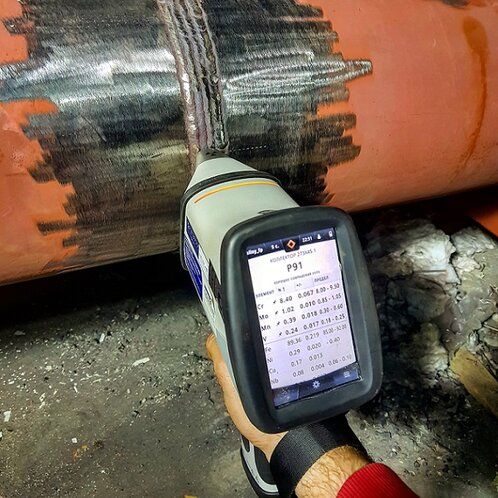 XRF Fluorescence Analysis: Metals & Alloys Testing
X-ray fluorescence (XRF) analysis has transformed metals and alloys testing from a time-consuming laboratory process...Einzelheiten
XRF Fluorescence Analysis: Metals & Alloys Testing
X-ray fluorescence (XRF) analysis has transformed metals and alloys testing from a time-consuming laboratory process...Einzelheiten -
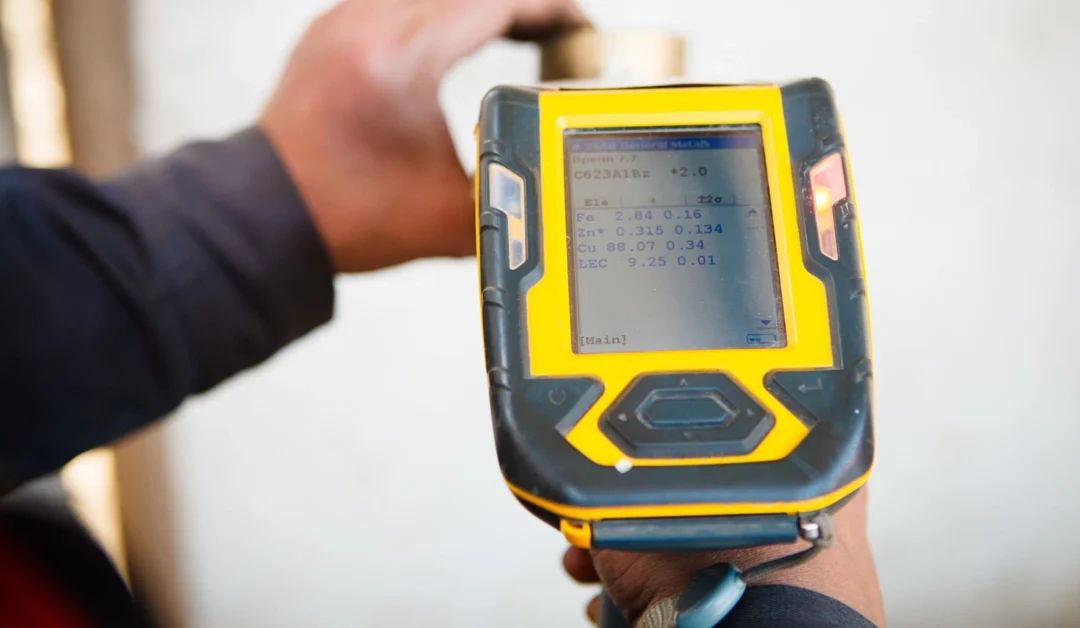 XRF Testing: On-Site Metal Analysis Solutions
Traditional metal analysis required shipping samples to distant laboratories and waiting days or weeks for results....Einzelheiten
XRF Testing: On-Site Metal Analysis Solutions
Traditional metal analysis required shipping samples to distant laboratories and waiting days or weeks for results....Einzelheiten -
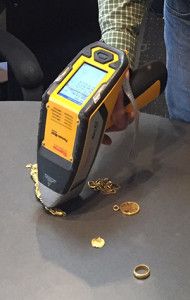 XRF Gold Testing: Precious Metals Verification
X-ray fluorescence (XRF) technology has revolutionized how professionals verify gold purity and authenticate precious...Einzelheiten
XRF Gold Testing: Precious Metals Verification
X-ray fluorescence (XRF) technology has revolutionized how professionals verify gold purity and authenticate precious...Einzelheiten