
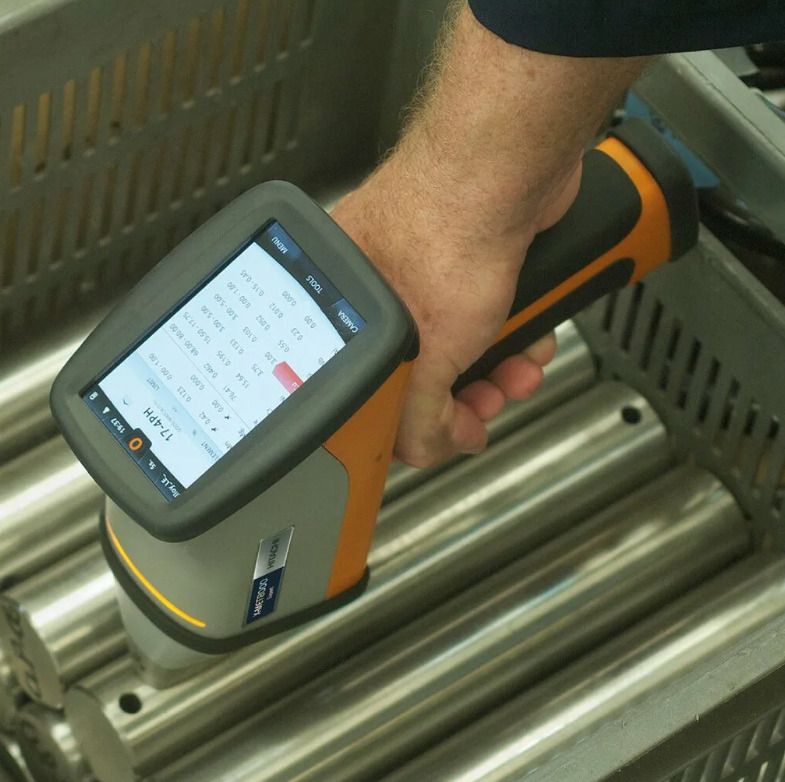
XRF Analyzer: Accurate Element Identification
How XRF Analyzers Identify Elements
XRF analyzers identify elements through a sophisticated process based on atomic physics. When the analyzer directs high-energy X-rays at a sample, these primary X-rays interact with atoms, ejecting inner-shell electrons. Outer-shell electrons immediately fill these vacancies, releasing energy in the form of fluorescent X-rays. Each element emits fluorescent X-rays at characteristic energies unique to that element—creating spectral fingerprints that enable precise identification.
The detector measures both the energy and intensity of these fluorescent X-rays. Energy values reveal which elements are present, while intensity measurements indicate how much of each element exists in the sample. Modern XRF analyzers process this information within seconds, comparing detected energies against comprehensive elemental libraries to identify every element from sodium (atomic number 11) through uranium (atomic number 92).
Advanced silicon drift detectors (SDD) in contemporary XRF analyzers offer exceptional energy resolution, separating closely spaced spectral peaks that older detector technologies might miss. This capability ensures accurate identification even in complex matrices containing many elements simultaneously
Understanding XRF Accuracy Levels
Precision Across Concentration Ranges
XRF analyzers deliver accuracy levels comparable to traditional laboratory methods for most elements and applications. For major constituents present at 0.1% to 100% concentration, modern XRF systems typically achieve accuracy within 0.01% to 0.1% of the actual value. This precision makes XRF suitable for stringent quality control applications requiring tight compositional tolerances.
For trace elements at concentrations between 1 ppm and 1000 ppm, accuracy varies depending on the element and matrix. Heavier elements generally provide better accuracy than lighter ones due to stronger fluorescent signals and less interference from matrix effects. Advanced instruments equipped with silicon drift detectors can detect trace elements at parts per million (ppm) levels with excellent reliability.
Element-Specific Accuracy
Detection accuracy varies across the periodic table. Heavy elements like lead, mercury, gold, and uranium produce strong, well-defined spectral peaks that analyzers measure with exceptional precision. Middle-range elements such as iron, copper, chromium, and nickel also deliver excellent accuracy, making XRF ideal for metal alloy analysis.
Lighter elements below atomic number 11 present challenges for standard XRF systems. Elements like carbon, nitrogen, and oxygen produce weak fluorescent signals that air absorbs readily, limiting detection capabilities. However, elements from sodium through sulfur can be measured accurately with proper instrument configuration and calibration.
Factors Affecting Element Identification Accuracy
Sample Preparation and Presentation
Sample condition significantly impacts identification accuracy. Homogeneous samples with uniform composition produce more consistent results than heterogeneous materials with varying elemental distribution. For powdered samples, fine particle size improves accuracy by reducing grain effects. Solid samples benefit from smooth, flat surfaces that maximize fluorescent signal collection.
Surface contamination, oxidation, or coatings can interfere with accurate element identification. Cleaning test surfaces or analyzing through protective windows ensures the analyzer measures the actual sample composition rather than surface impurities. Proper sample positioning maintains optimal geometry between the X-ray source, sample, and detector.
Calibration and Standards
Calibration quality directly determines identification accuracy. XRF analyzers require calibration using certified reference materials that match the sample types being analyzed. Metal analyzers use alloy standards, environmental analyzers employ soil or sediment standards, and geological applications require mineral reference materials. Regular calibration verification ensures consistent performance over time
Matrix-matched calibrations account for absorption and enhancement effects where one element influences another's fluorescent signal. Advanced calibration algorithms correct these matrix effects mathematically, extending accurate analysis across diverse sample types. Fundamental parameter methods calculate theoretical fluorescent intensities, enabling analysis of materials without identical standards.
Instrument Design and Technology
Detector technology fundamentally impacts accuracy and sensitivity. Silicon drift detectors (SDD) offer superior resolution compared to older PIN diode detectors, separating overlapping spectral peaks that could cause identification errors. Higher resolution means more accurate element identification in complex samples containing many elements.
X-ray source power and energy determine which elements can be excited effectively. Higher-power sources improve detection limits for trace elements. Optimized source-detector geometry maximizes fluorescent signal collection while minimizing background noise, enhancing both accuracy and sensitivity.
Applications Requiring Accurate Element Identification
Alloy Verification and PMI Testing
Positive material identification (PMI) programs depend on XRF's ability to distinguish similar alloy grades accurately. Distinguishing 304 stainless steel from 316 requires precise measurement of molybdenum content. Separating duplex stainless grades or identifying specific aluminum series demands accurate determination of multiple alloying elements simultaneously. Industries including oil and gas, aerospace, and power generation rely on this identification accuracy for safety-critical applications.
Precious Metals Assay
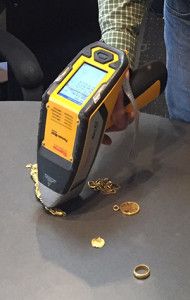
Jewelers, refiners, and precious metals traders use XRF analyzers to identify gold karatage accurately, distinguishing 10K, 14K, 18K, and 24K gold. The technology detects gold-plated or gold-filled items that might appear solid, preventing financial losses from misidentification. Silver purity, platinum group metals, and alloying elements like copper or palladium are measured with precision sufficient for trading and certification.
Environmental Compliance Testing
Environmental regulations establish strict limits for hazardous elements in soil, consumer products, and industrial materials. XRF analyzers accurately identify and quantify restricted elements like lead, cadmium, mercury, and chromium, ensuring regulatory compliance. The accuracy must be sufficient to distinguish safe materials from those requiring remediation or disposal.
RoHS and WEEE Compliance
Electronics manufacturers use XRF to verify compliance with Restriction of Hazardous Substances (RoHS) directives limiting lead, mercury, cadmium, and other elements in electronic products. Accurate element identification prevents regulatory violations and product recalls. The analyzer must detect restricted elements below threshold limits while confirming compliant materials meet specifications.
Optimizing XRF Accuracy
Best Practices for Reliable Results
Achieving maximum identification accuracy requires following established protocols. Test multiple points on heterogeneous samples to obtain representative results. Use appropriate measurement times—longer analysis periods improve precision for trace elements and complex matrices. Maintain calibration currency through regular verification checks using certified standards
Select measurement modes appropriate for your application. Alloy grade identification modes optimize parameters for metal analysis, while soil screening modes configure settings for environmental samples. Custom calibrations developed for specific sample types deliver superior accuracy compared to general-purpose settings.
Complementary Techniques
While XRF provides excellent accuracy for most elements, some applications benefit from complementary techniques. Carbon content determination requires optical emission spectroscopy (OES) or combustion analysis. Ultra-trace element measurements below XRF detection limits may need inductively coupled plasma mass spectrometry (ICP-MS). Using XRF for primary screening followed by confirmatory techniques for critical measurements creates efficient, accurate analytical workflows.
The Accuracy Advantage
Modern XRF analyzers deliver laboratory-quality element identification with field portability and rapid results. Accuracy sufficient for regulatory compliance, quality certification, and material trading enables confident decision-making across applications. Non-destructive testing means samples remain intact for additional analysis if needed, while multi-element capability provides comprehensive compositional profiles from single measurements
As detector technology advances and calibration algorithms improve, XRF accuracy continues increasing. Integration of artificial intelligence and machine learning enhances spectral interpretation, reducing operator influence on results. These developments ensure XRF analyzers remain the preferred solution for accurate element identification wherever materials require testing.
Selecting an XRF Analyzer for Your Needs
Choose XRF analyzers based on your accuracy requirements, target elements, and application environment. Portable handheld units offer excellent accuracy for field applications, while benchtop laboratory systems provide ultimate precision for demanding analyses. Evaluate detector technology—silicon drift detectors deliver superior performance for complex samples and trace element detection.
Request demonstrations using your actual samples to verify that accuracy meets your specifications. Discuss calibration options, reference standards availability, and ongoing support for maintaining optimal performance. The right XRF analyzer delivers accurate element identification that drives quality, compliance, and operational efficiency throughout your organization.
Related posts
-
 XRF Analysis: Precise Metal Composition Testing
X-ray fluorescence (XRF) analysis has revolutionized metal composition testing across industries, offering...Einzelheiten
XRF Analysis: Precise Metal Composition Testing
X-ray fluorescence (XRF) analysis has revolutionized metal composition testing across industries, offering...Einzelheiten -
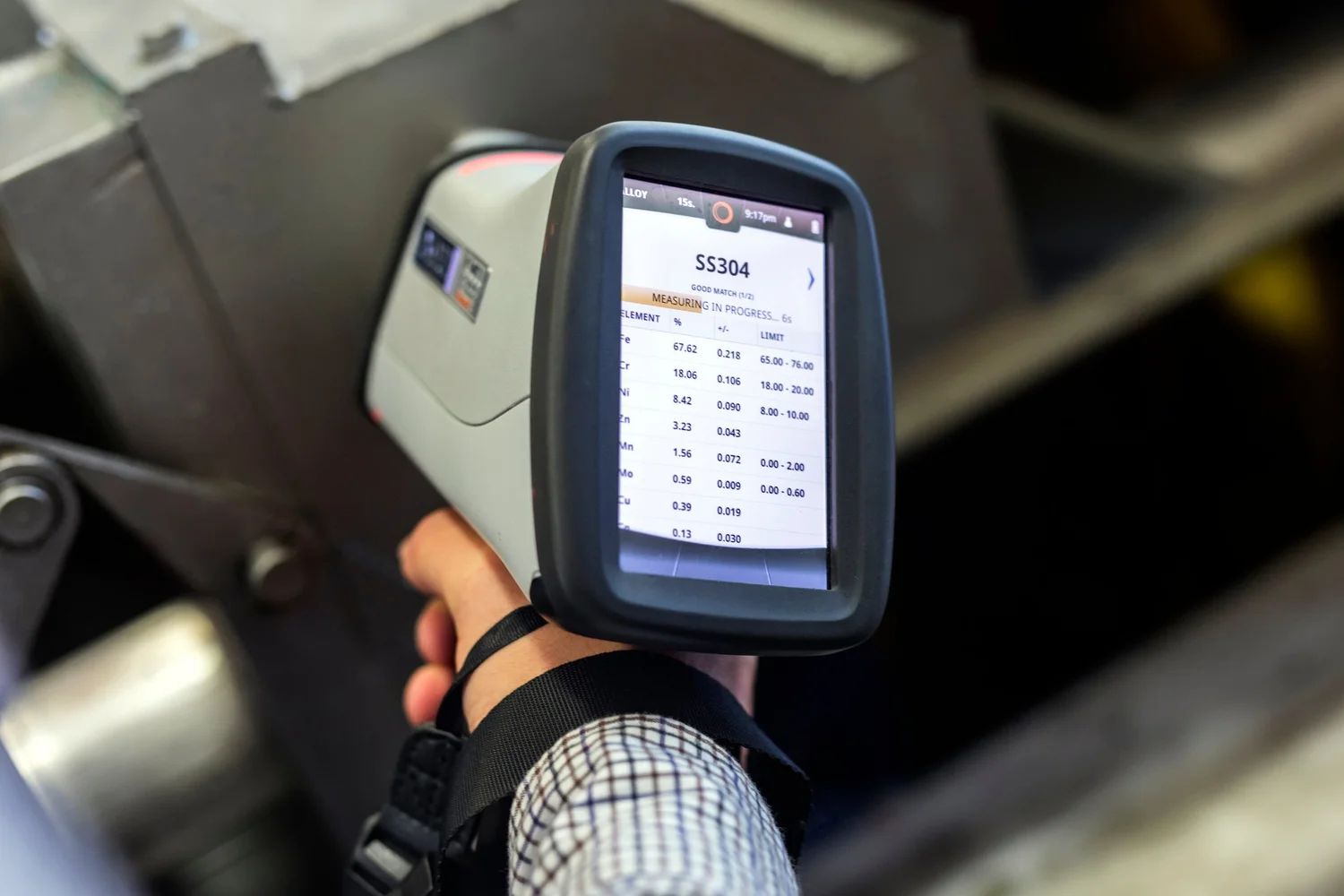 XRF Analysis: Fast Material Composition Scanner
In today's fast-paced industrial environment, waiting days or weeks for laboratory results is no longer acceptable....Einzelheiten
XRF Analysis: Fast Material Composition Scanner
In today's fast-paced industrial environment, waiting days or weeks for laboratory results is no longer acceptable....Einzelheiten -
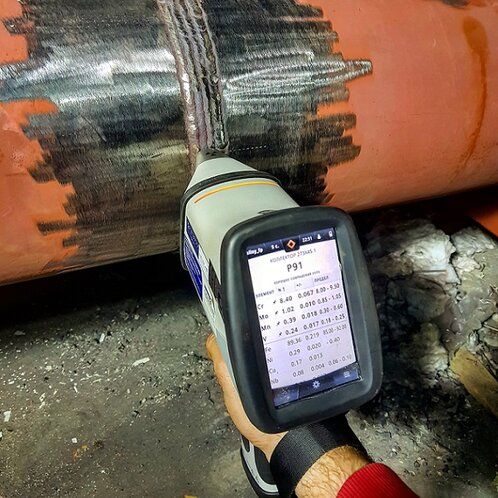 XRF Fluorescence Analysis: Metals & Alloys Testing
X-ray fluorescence (XRF) analysis has transformed metals and alloys testing from a time-consuming laboratory process...Einzelheiten
XRF Fluorescence Analysis: Metals & Alloys Testing
X-ray fluorescence (XRF) analysis has transformed metals and alloys testing from a time-consuming laboratory process...Einzelheiten -
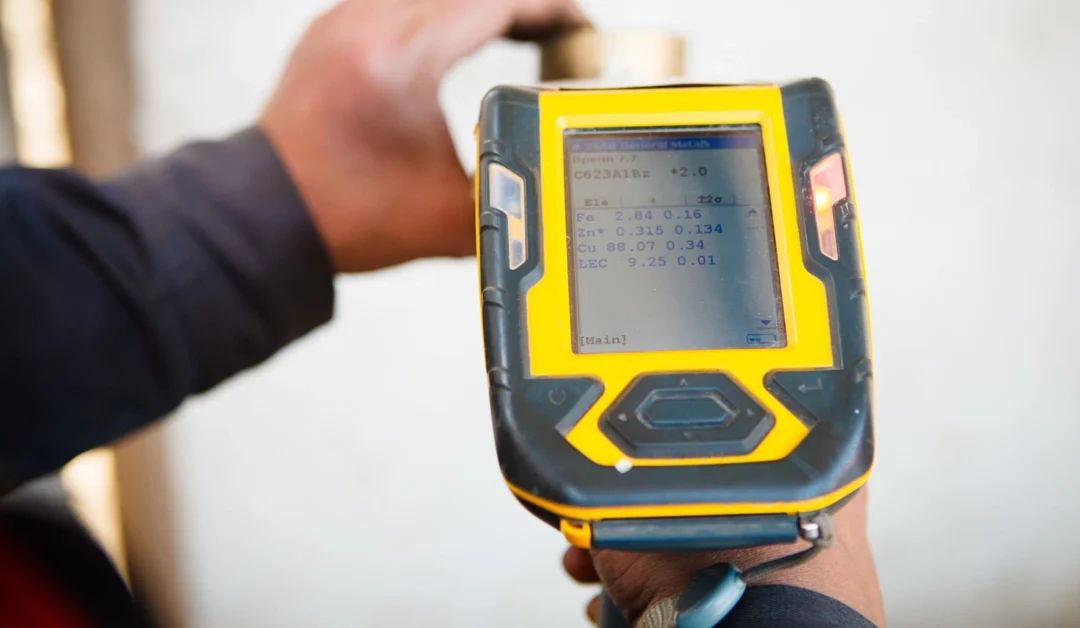 XRF Testing: On-Site Metal Analysis Solutions
Traditional metal analysis required shipping samples to distant laboratories and waiting days or weeks for results....Einzelheiten
XRF Testing: On-Site Metal Analysis Solutions
Traditional metal analysis required shipping samples to distant laboratories and waiting days or weeks for results....Einzelheiten -
 XRF Gold Testing: Precious Metals Verification
X-ray fluorescence (XRF) technology has revolutionized how professionals verify gold purity and authenticate precious...Einzelheiten
XRF Gold Testing: Precious Metals Verification
X-ray fluorescence (XRF) technology has revolutionized how professionals verify gold purity and authenticate precious...Einzelheiten