
XRF Analysis: Fast Material Composition Scanner
Understanding XRF Scanning Technology
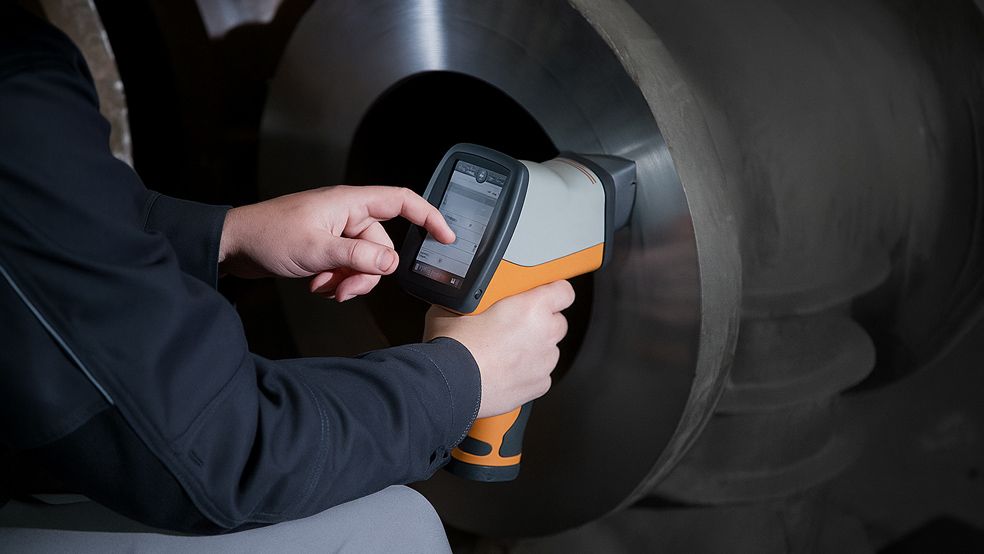
XRF scanners work by directing high-energy X-rays at a material sample, causing atoms within the sample to emit characteristic fluorescent radiation. Each element produces a unique spectral signature, creating an elemental fingerprint that the analyzer detects and processes instantly. Modern XRF scanners convert these signals into precise compositional data, identifying elements from magnesium through uranium and quantifying their concentrations with laboratory-grade accuracy.
The beauty of XRF scanning lies in its simplicity and non-destructive nature. Unlike traditional analytical methods that require cutting samples, dissolving materials in acids, or vaporizing specimens, XRF testing leaves materials completely intact. This means you can test finished products, valuable components, or irreplaceable artifacts without causing any damage whatsoever.

The Speed Advantage: Why Fast Matters
Seconds to Results
Modern XRF scanners deliver complete elemental analysis in remarkably short timeframes. Most common applications achieve accurate results in 2-5 seconds for alloy grade identification and 10-30 seconds for comprehensive compositional analysis with trace element detection. This speed transforms quality control workflows by enabling 100% inspection rather than statistical sampling.
Consider a manufacturing facility receiving shipments of metal materials. Traditional laboratory analysis might take 24-48 hours and cost substantial fees per sample. XRF scanning provides instant verification at the receiving dock, preventing incorrect materials from entering production. The time savings translate directly to reduced inventory holding costs, faster production starts, and elimination of costly material mix-ups.
Real-Time Decision Making
The instantaneous nature of XRF scanning enables real-time process control and immediate corrective actions. Production supervisors can verify raw material chemistry before processing begins. Quality inspectors can test finished products on the line, catching deviations before entire batches are affected. Field technicians can assess materials at construction sites, ensuring compliance before installation.
This speed advantage extends beyond individual measurements. The rapid analysis capability allows XRF scanners to test hundreds of samples per shift, creating comprehensive material profiles across entire operations. Mining companies scan drill cores at centimeter intervals, building detailed ore body maps. Recycling facilities sort thousands of scrap pieces hourly, maximizing material recovery and value.
Versatile Scanning Applications
Metal and Alloy Identification
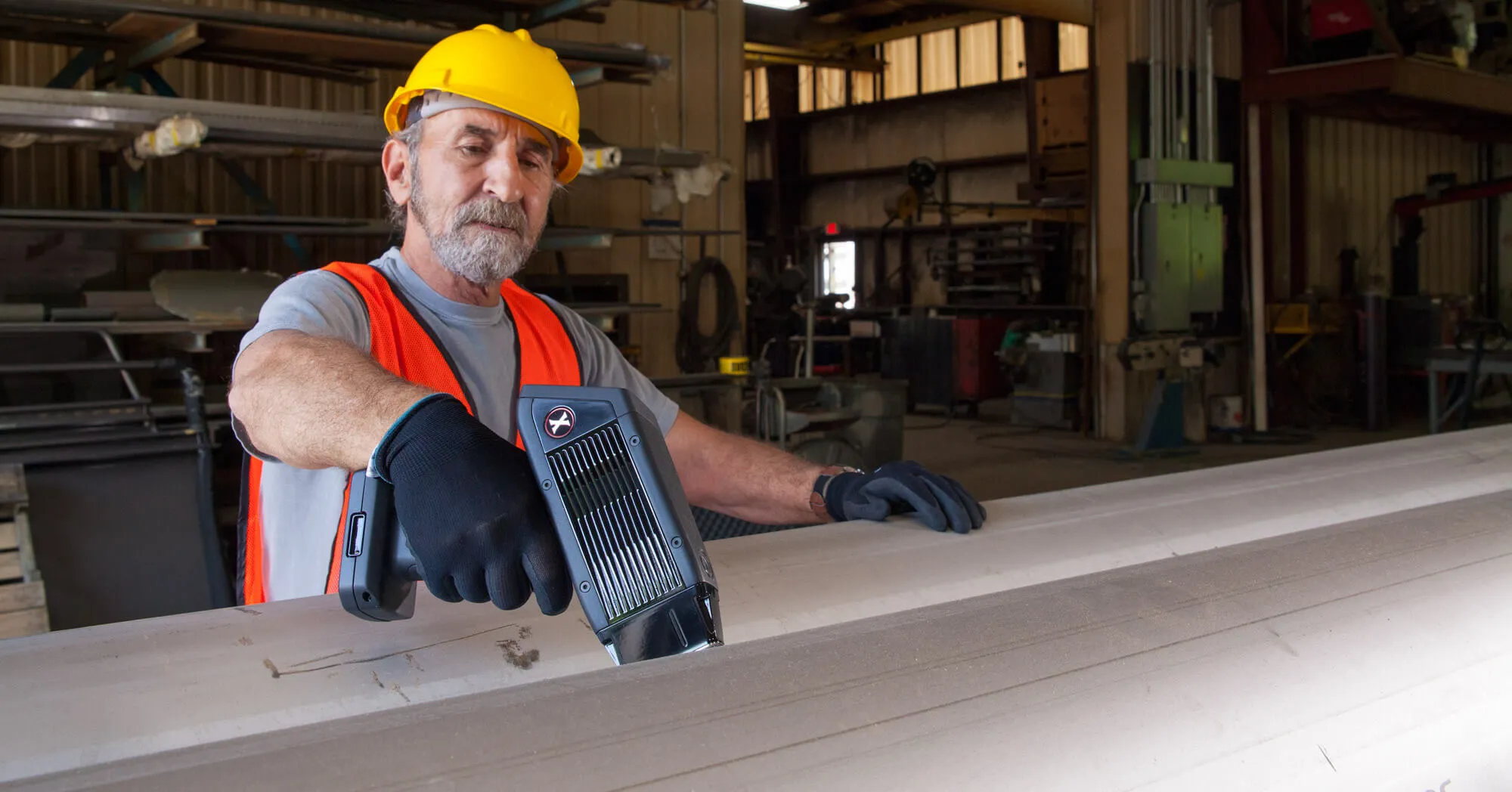
XRF scanners excel at rapid metal composition analysis across all alloy families. Stainless steels, aluminum alloys, titanium grades, copper alloys, and exotic materials like Inconel or Monel are identified within seconds. The technology distinguishes subtle compositional differences—separating 304 from 316 stainless steel, or identifying specific aluminum series—ensuring correct materials throughout manufacturing and construction.
Scrap metal recycling represents a major application where scanning speed directly impacts profitability. XRF analyzers allow operators to sort mixed scrap rapidly, segregating high-value alloys from lower-grade materials. This fast sorting capability increases material recovery rates and revenues while reducing contamination in recycled feedstocks.
Environmental Screening
Environmental professionals use portable XRF scanners for rapid soil contamination assessment, detecting heavy metals like lead, arsenic, mercury, and chromium. The fast scanning capability enables dense sampling patterns across contaminated sites, creating detailed pollution maps that guide remediation efforts. What once required weeks of laboratory analysis now happens in real-time during site investigations.
Water quality monitoring benefits from XRF's ability to scan sediment samples quickly, identifying pollution sources and tracking contamination spread. The portability and speed make XRF ideal for emergency response situations where immediate hazard assessment is critical.
Mining and Geological Exploration
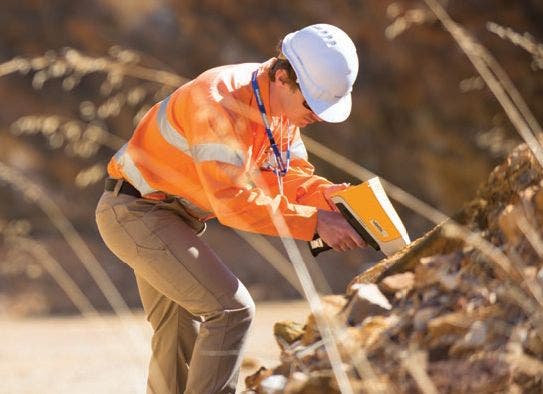
Mining operations depend on XRF scanners for ore grade control and resource estimation. Geologists scan rock samples continuously during drilling programs, generating immediate geochemical data that guides exploration decisions. The fast analysis allows real-time adjustments to drilling patterns, optimizing resource discovery while controlling costs.
Advanced XRF core scanners can analyze entire drill cores automatically, scanning at sub-millimeter intervals without losing speed. A one-meter core section completes scanning in 30 minutes or less, providing comprehensive elemental profiles that reveal mineralization patterns and geological structures.
Quality Assurance in Manufacturing
Manufacturing facilities integrate XRF scanners into quality control programs for incoming material verification, in-process testing, and final product certification. The rapid scanning capability supports lean manufacturing principles by minimizing wait times and enabling immediate feedback loops. When deviations occur, production teams receive instant alerts, preventing defective material from progressing through expensive processing steps.
Aerospace and automotive industries rely on XRF scanning to verify critical component compositions, ensuring safety and performance standards. Electronics manufacturers test solder compositions, connector materials, and component purity. Pharmaceutical companies verify raw material identities and detect contaminants.
Portable vs. Benchtop Scanners
Handheld Portable Scanners
Portable XRF scanners bring laboratory capabilities to the field, weighing just 1-2 kilograms and operating on rechargeable batteries for 8-12 hours. These handheld units deliver results as quickly as benchtop systems while offering unmatched mobility. Field technicians, inspectors, and operators can test materials wherever they exist—on shelves, in pipes, on vehicles, or at remote sites.
The portability eliminates sample transport logistics, reduces turnaround time to zero, and allows testing of large or fixed objects impossible to move to laboratories. Mining exploration, scrap sorting, construction verification, and field environmental surveys all benefit from portable scanning capabilities.
Benchtop Laboratory Scanners
Benchtop XRF scanners provide enhanced precision and capabilities for controlled laboratory environments. These systems accommodate larger samples, offer superior detection limits for trace elements, and deliver higher resolution spectral data. Automated sample handling increases throughput for high-volume testing programs, processing dozens of samples hourly without operator intervention.
Laboratory scanners excel in research and development, detailed material characterization, and applications requiring the ultimate analytical performance. Many facilities employ both portable and benchtop systems—using portable units for screening and field work, then confirming critical results with benchtop systems.
Key Benefits of Fast XRF Scanning
The combination of speed and accuracy makes XRF scanners indispensable across industries. Non-destructive testing preserves sample integrity—finished products, expensive components, and irreplaceable artifacts undergo analysis without alteration. Multi-element detection identifies dozens of elements simultaneously, providing complete compositional profiles from single scans.
Minimal sample preparation requirements mean most materials need only a clean surface for testing. No grinding, polishing, dissolving, or chemical treatment is necessary. This simplicity allows operators with minimal training to achieve reliable results quickly. User-friendly interfaces with automated grade identification and pass/fail indicators make XRF scanning accessible throughout organizations.
Cost-effectiveness comes from eliminating outsourced laboratory fees, reducing sample transport logistics, and preventing expensive material errors before they impact production. The return on investment typically occurs within months for high-volume testing operations.
Choosing Your XRF Scanner
Selecting the right XRF scanner depends on your specific application requirements, target elements, mobility needs, and testing volume. Consider whether field portability or laboratory precision takes priority. Evaluate detection limit requirements—are trace element measurements critical, or is major constituent analysis sufficient?
Consult with XRF manufacturers to arrange demonstrations using your actual materials. Testing real samples reveals whether the scanner meets performance expectations for your unique application. Discuss calibration options, grade libraries, and software capabilities that streamline your specific workflows.
The Future of Material Scanning
XRF scanning technology continues advancing with improved detector technologies that enhance light element detection and reduce analysis times even further. Artificial intelligence integration optimizes measurement parameters automatically and improves spectral interpretation accuracy. Cloud connectivity enables remote monitoring and centralized data management across multiple sites.
As industries demand faster quality control and immediate material verification, XRF scanners stand ready as the essential tool for instant compositional analysis wherever materials need testing.
Related posts
-
 XRF Analysis: Precise Metal Composition Testing
X-ray fluorescence (XRF) analysis has revolutionized metal composition testing across industries, offering...Einzelheiten
XRF Analysis: Precise Metal Composition Testing
X-ray fluorescence (XRF) analysis has revolutionized metal composition testing across industries, offering...Einzelheiten -
 XRF Analyzer: Accurate Element Identification
Accurate element identification forms the foundation of quality control, material verification, and compliance...Einzelheiten
XRF Analyzer: Accurate Element Identification
Accurate element identification forms the foundation of quality control, material verification, and compliance...Einzelheiten -
 XRF Fluorescence Analysis: Metals & Alloys Testing
X-ray fluorescence (XRF) analysis has transformed metals and alloys testing from a time-consuming laboratory process...Einzelheiten
XRF Fluorescence Analysis: Metals & Alloys Testing
X-ray fluorescence (XRF) analysis has transformed metals and alloys testing from a time-consuming laboratory process...Einzelheiten -
 XRF Testing: On-Site Metal Analysis Solutions
Traditional metal analysis required shipping samples to distant laboratories and waiting days or weeks for results....Einzelheiten
XRF Testing: On-Site Metal Analysis Solutions
Traditional metal analysis required shipping samples to distant laboratories and waiting days or weeks for results....Einzelheiten -
 XRF Gold Testing: Precious Metals Verification
X-ray fluorescence (XRF) technology has revolutionized how professionals verify gold purity and authenticate precious...Einzelheiten
XRF Gold Testing: Precious Metals Verification
X-ray fluorescence (XRF) technology has revolutionized how professionals verify gold purity and authenticate precious...Einzelheiten