
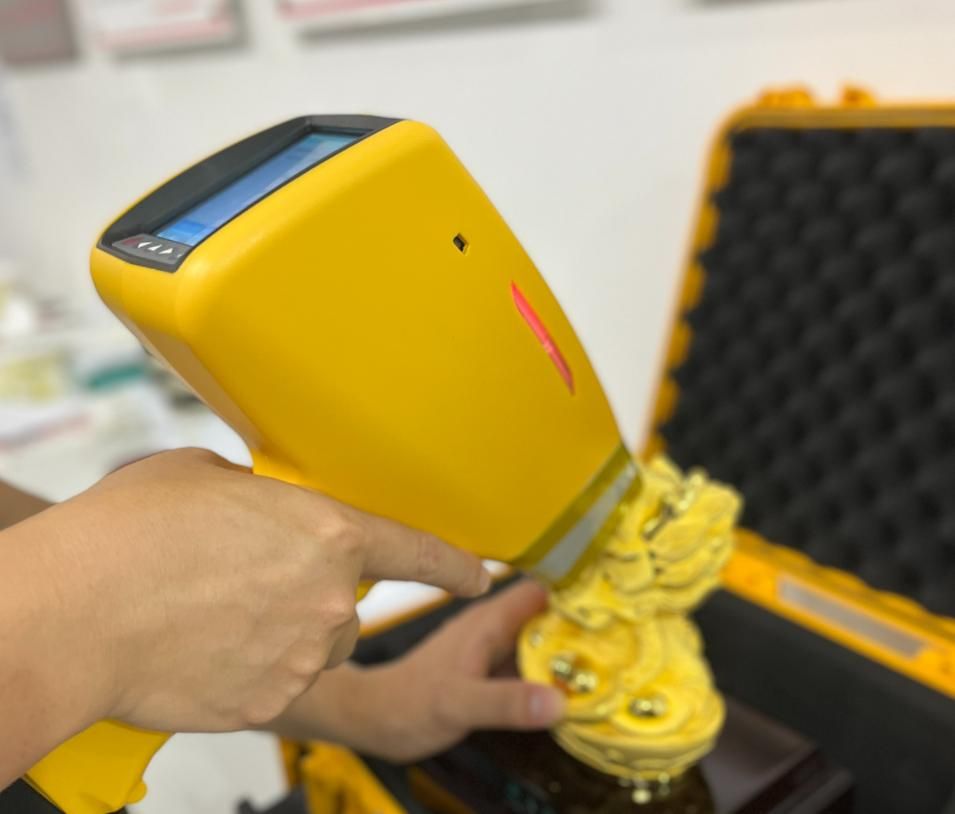
XRF Gold Testing: Precious Metals Verification
What is XRF Gold Testing?
XRF gold testing uses advanced X-ray fluorescence technology to determine the elemental composition of gold and other precious metals in seconds. When an XRF analyzer directs X-rays at a gold sample, it excites the atoms within, causing them to emit secondary (fluorescent) X-rays. Each element emits a unique energy signature, allowing the device to detect and quantify specific elements—most importantly gold (Au), along with silver (Ag), copper (Cu), and other alloying metals.
This non-destructive process delivers a detailed elemental breakdown including gold purity in karats (18K, 22K, 24K), percentage of gold content (75.0%, 91.6%, 99.9%), and the presence of non-gold materials or plating.
How Accurate is XRF for Gold Purity Testing?
Exceptional Precision Standards
Modern XRF analyzers deliver remarkable accuracy, with well-calibrated instruments measuring gold content to within ±0.03% to ±0.001%, depending on the device's design and intended use. For 24K pure gold, detection accuracy exceeds 99.5%, while 18K gold testing maintains error ranges controlled within ±0.3%.
Premium XRF devices can achieve ±0.001% accuracy—precise enough to differentiate between 99.999% and 99.9999% purity gold. This level of precision meets the stringent requirements of jewelry shops, pawn brokers, refining plants, and high-purity bullion manufacturers.+1
Factors Influencing Accuracy
The exceptional accuracy of XRF gold testing stems from several key factors:
- Direct elemental analysis without altering the sample eliminates errors from chemical reactions
- Advanced detectors like Silicon PIN and Silicon Drift Detectors deliver exceptional sensitivity
- Multi-FP algorithms adjust for variations in surface finish and sample geometry
- Stable calibration ensures repeatable, trustworthy results over extended periods
XRF vs. Traditional Gold Testing Methods
XRF Testing Advantages
- Non-Destructive Analysis: Unlike acid scratch tests that may leave permanent marks, XRF testing doesn't harm the metal being evaluated. This makes it ideal for testing heirloom jewelry, rare coins, and antique pieces.
- Speed and Efficiency: XRF analysis takes only 3-5 seconds to complete, instantly displaying gold purity percentage and karat value. Traditional methods like fire assays require hours or even days for results.
- Comprehensive Data: XRF simultaneously detects multiple precious metals including gold, silver, platinum, and palladium, along with trace elements. This complete analysis is crucial for understanding true value.
- Superior Accuracy: XRF analyzers detect gold purity to within 0.01%, identifying exact alloy compositions that acid tests miss entirely.
Acid Test Limitations
The traditional acid test involves applying nitric acid to a scratched surface and observing the reaction. While inexpensive and simple, this method has significant drawbacks:
- Destructive nature requires scratching valuable items
- Limited accuracy provides only rough karat estimates
- Subjective results can vary based on interpretation
- Not quantitative for precise composition analysis
Fire Assay Considerations
Fire assay remains the ultimate purity test for refining purposes but involves completely destroying the sample. This makes it unsuitable for testing intact jewelry, coins, or collectibles that must be preserved.
Common Applications of XRF in Precious Metals
Retail and Wholesale Verification
Gold jewelry stores, dealers, and bullion traders use XRF to test purity quickly and non-destructively. Critical applications include:
- Verifying items meet karat standards (18K, 24K)
- Preventing fraud or mislabeling
- Evaluating pricing before buying, selling, or trading
Counterfeit Detection
XRF analyzers excel at identifying fake gold by revealing lower gold content or the presence of base metals like copper, nickel, or tungsten. The technology can detect gold-plated items where thin layers cover non-precious metal cores.
Scrap Metal Recycling
When testing jewelry with mixed alloys, scrap gold, or recycled components, XRF provides detailed breakdowns of all metals present. This ensures fair pricing based on actual precious metal content rather than visual appearance.
Quality Assurance
Manufacturers and refineries rely on XRF for quality control throughout production processes. The technology verifies that finished products meet specifications and industry standards without damaging inventory.
Best Practices for Accurate XRF Gold Testing
To maximize accuracy and reliability when using XRF analyzers for gold testing, follow these professional guidelines:
- Surface Preparation: Ensure clean surfaces free from dirt, oils, or coatings that may affect readings. Remove any plating or oxidation from test areas when necessary.
- Sample Positioning: Position samples flat against the analyzer window to ensure uniform X-ray measurement and consistent results.
- Regular Calibration: Use certified reference materials (CRM) to calibrate equipment regularly and maintain accuracy over time.
- Multiple Measurements: For critical transactions, take multiple readings from different areas of the same item to verify consistency.
- Understand Limitations: While XRF identifies gold-plated items, extremely thin layers may require cross-section analysis or complementary testing methods.
Why Professionals Choose XRF Technology
From pawnshops to jewelry manufacturers, precious metals professionals consistently choose XRF analyzers for compelling reasons:
- Trust and Reputation: Non-destructive testing builds customer confidence by preserving item integrity while providing transparent, accurate results.
- Efficiency Gains: Testing efficiency increases more than fivefold compared to traditional methods, significantly improving customer service.
- Investment Protection: The ability to test high-value items without damage protects inventory and preserves resale value.
- Comprehensive Detection: Simultaneous analysis of multiple elements provides complete composition data for informed decision-making.
- Portable Solutions: Handheld designs enable testing anywhere, with wireless data transfer supporting cloud storage and instant report generation.
Types of XRF Analyzers for Gold Testing
XRF technology is available in multiple formats to suit different professional needs:
- Handheld Analyzers: Portable devices perfect for field testing, retail environments, and mobile precious metals buying operations. Ideal for pawn shops and dealers who test items on-site.
- Benchtop Models: Designed for showroom environments and high-volume testing facilities where samples come to a dedicated testing station. These units often include integrated scales for weighing and valuation.
- Specialty Devices: Advanced instruments optimized for specific applications like bullion verification, recycling operations, or manufacturing quality control with enhanced precision requirements.
Conclusion
XRF gold testing represents the modern standard for precious metals verification, combining non-destructive analysis, exceptional accuracy, and operational efficiency. With precision reaching ±0.001% for high-purity gold and testing speeds of just 3-5 seconds, XRF technology outperforms traditional methods in virtually every metric.
For professionals in jewelry, precious metals trading, refining, and pawn operations, XRF analyzers eliminate the guesswork and damage associated with acid tests while delivering laboratory-grade accuracy in real-time. The technology's ability to detect counterfeits, verify alloy compositions, and preserve valuable items makes it an essential tool for building customer trust and protecting business reputation.
As the precious metals industry continues evolving, XRF testing stands as the reliable, professional solution for accurate gold verification—protecting both businesses and customers through transparent, scientifically-validated analysis.
Related posts
-
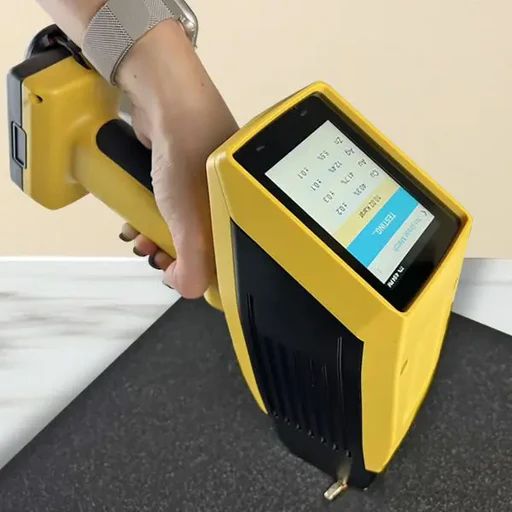 XRF Analysis: Precise Metal Composition Testing
X-ray fluorescence (XRF) analysis has revolutionized metal composition testing across industries, offering...Einzelheiten
XRF Analysis: Precise Metal Composition Testing
X-ray fluorescence (XRF) analysis has revolutionized metal composition testing across industries, offering...Einzelheiten -
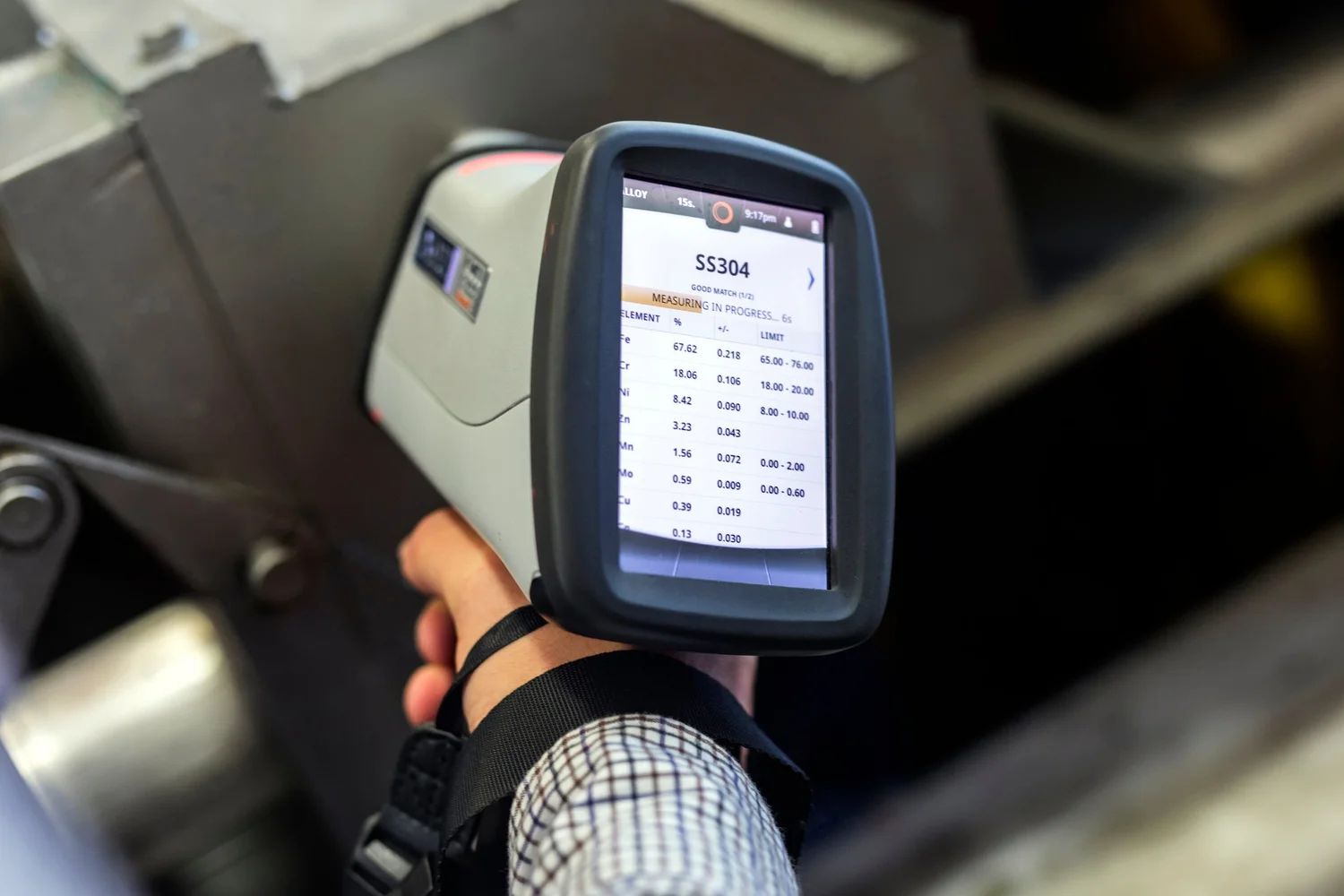 XRF Analysis: Fast Material Composition Scanner
In today's fast-paced industrial environment, waiting days or weeks for laboratory results is no longer acceptable....Einzelheiten
XRF Analysis: Fast Material Composition Scanner
In today's fast-paced industrial environment, waiting days or weeks for laboratory results is no longer acceptable....Einzelheiten -
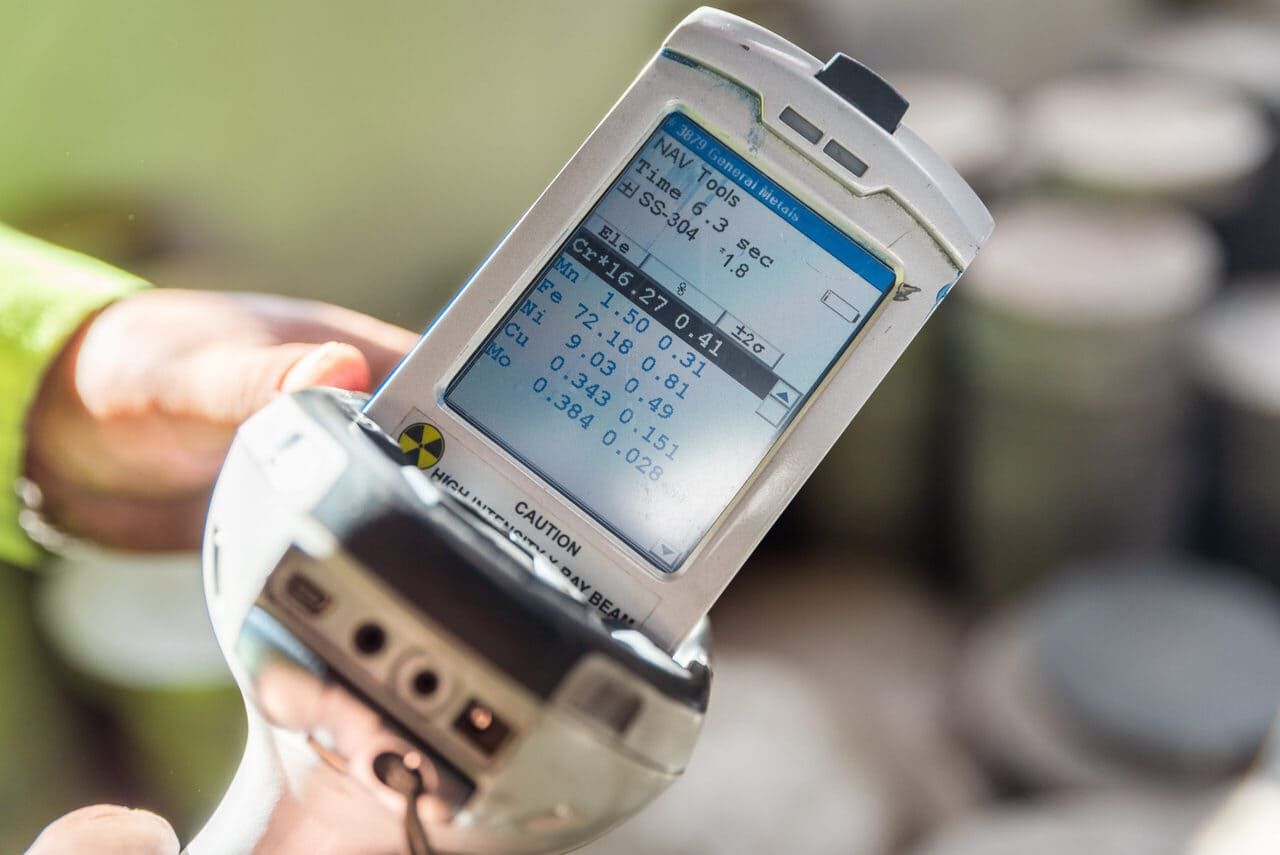 XRF Analyzer: Accurate Element Identification
Accurate element identification forms the foundation of quality control, material verification, and compliance...Einzelheiten
XRF Analyzer: Accurate Element Identification
Accurate element identification forms the foundation of quality control, material verification, and compliance...Einzelheiten -
 XRF Fluorescence Analysis: Metals & Alloys Testing
X-ray fluorescence (XRF) analysis has transformed metals and alloys testing from a time-consuming laboratory process...Einzelheiten
XRF Fluorescence Analysis: Metals & Alloys Testing
X-ray fluorescence (XRF) analysis has transformed metals and alloys testing from a time-consuming laboratory process...Einzelheiten -
 XRF Testing: On-Site Metal Analysis Solutions
Traditional metal analysis required shipping samples to distant laboratories and waiting days or weeks for results....Einzelheiten
XRF Testing: On-Site Metal Analysis Solutions
Traditional metal analysis required shipping samples to distant laboratories and waiting days or weeks for results....Einzelheiten