
General Terms
This category collects the key terminology, abbreviations, and definitions used in X-ray Fluorescence (XRF) analysis.
Here you’ll find clear explanations of essential concepts: EDXRF vs WDXRF, LOD and LOQ, Fundamental Parameters (FP) and empirical calibration, matrix effects, Compton normalization, ROI, repeatability, reproducibility, PMI, in-situ vs ex-situ analysis, and more.
Perfect for:
- Beginners — to quickly understand XRF language
- Operators — to refresh knowledge before changing modes or software
- Managers & buyers — to correctly read specs and compare instruments
- Anyone who wants to interpret results accurately and avoid common mistakes
A concise reference to help when reading product descriptions, manuals, reports, or talking to suppliers.
Regularly updated with new terms as XRF technology evolves.
Great educational add-on when buying your first analyzer or expanding your equipment.
-
 Mining and ExplorationEinzelheiten
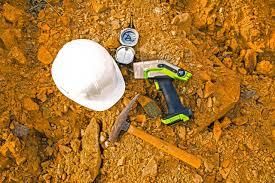
XRF is a fast, accurate, and user-friendly tool for various analytical tasks in the mining industry. It enables on-site analysis of ore samples with minimal preparation, cutting lab assay turnaround from days to minutes. The fundamental parameters method allows direct analysis without calibration standards. Precise measurement of light elements is essential for understanding mineralogy and is particularly important for minerals like bauxite and limestone. During exploration, handheld XRF...
-
 Precious Metals AnalysisEinzelheiten
Precious metals are essential not only in jewelry but also in electronics, laboratory equipment, banking, and medicine. Accurate analysis is required to confirm that the material meets the specific requirements of each application. XRF analyzers for precious metals are designed exactly for this task. Knowing the alloying elements or any additional layers on the base metal is critical, as they directly affect strength, corrosion resistance, ductility, and other properties. X-ray...
-
 Refractory Materials AnalysisEinzelheiten
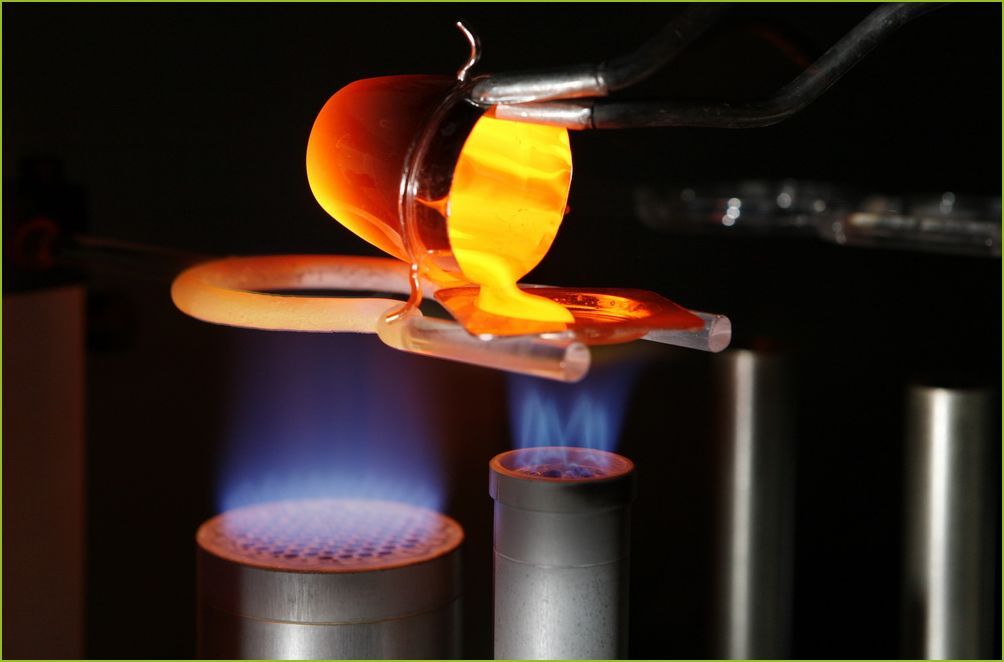
Refractory materials form a broad category of heat-resistant inorganic substances essential for withstanding extreme temperatures in industrial furnaces, kilns, and high-heat environments, as well as in certain construction and household applications. Strict analytical control is necessary throughout every stage of their production and application — from raw material verification to final product testing and in-service monitoring.
-
 Clays and Oxide analysisEinzelheiten
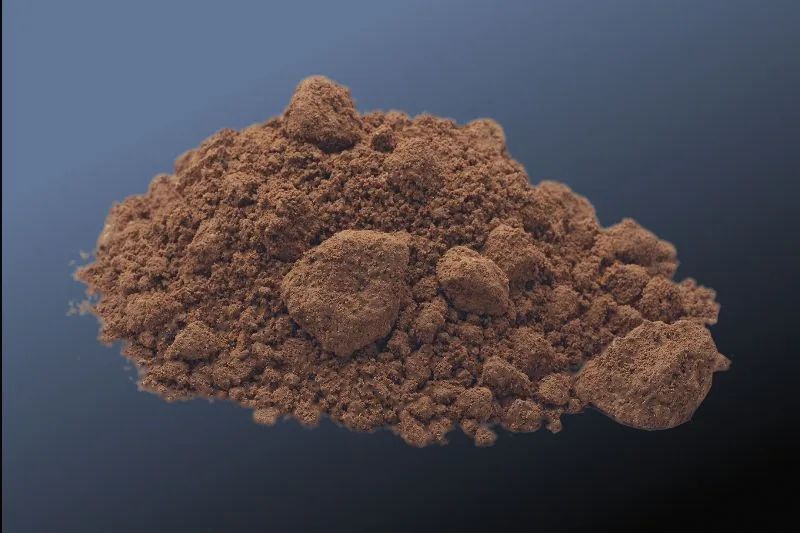
Refractory materials are heat-resistant inorganic products used in high-temperature industrial processes, construction, and some household applications. Their production and use require strict analytical control at all stages.
-
 Alloy AnalysisEinzelheiten
Alloy analysis involves determining the full elemental makeup of a material sample. Unlike Positive Material Identification (PMI), which primarily focuses on matching an alloy to a specific grade or standard, alloy analysis provides a detailed breakdown of all detectable elements present in the sample. This process is commonly performed using X-ray fluorescence (XRF) technology through dedicated alloy testers. It finds extensive use across multiple sectors, including aerospace component...
-
 Positive Material Identification (PMI)Einzelheiten
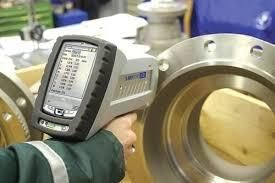
Positive Material Identification, or PMI, is a non-destructive analysis technology that enables precise determination of the chemical composition of metal products, alloys, steels, as well as ores, soils, powders, and liquids using elemental spectrometry. This approach is highly sought after in industry, scientific centers, research institutes, and university laboratories worldwide — mainly due to its fast operation and the reliability of the results. The primary tool for PMI is portable...
-
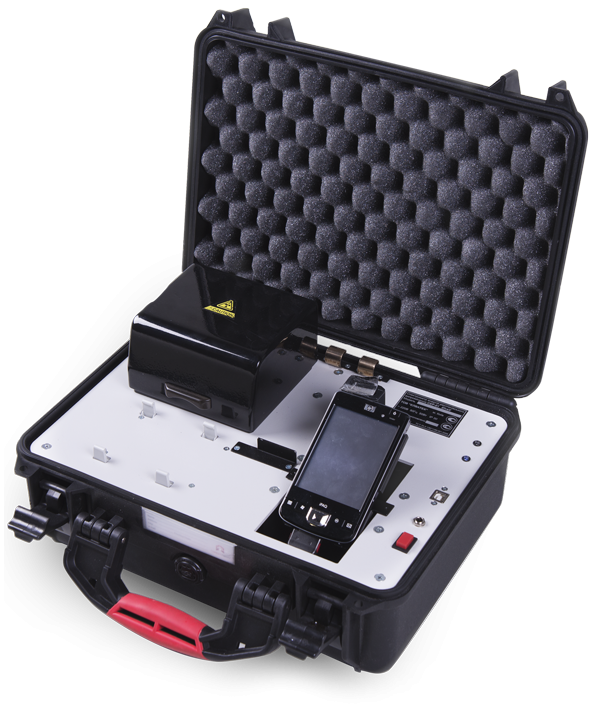 XRF Data Analysis: Spectroscopy Results ProcessingEinzelheiten
Understanding how to properly analyze and interpret X-ray fluorescence (XRF) spectroscopy data transforms raw measurements into actionable insights about material composition. While modern XRF instruments capture elemental data in seconds, extracting accurate quantitative results requires sophisticated data processing algorithms and interpretation techniques. This guide explores the essential methods, software approaches, and best practices for processing XRF spectroscopy results to achieve...
-
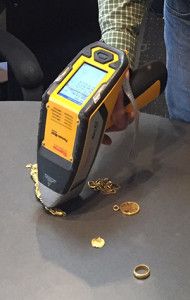 XRF Gold Testing: Precious Metals VerificationEinzelheiten
X-ray fluorescence (XRF) technology has revolutionized how professionals verify gold purity and authenticate precious metals. Unlike traditional destructive testing methods, XRF analyzers provide instant, accurate results without damaging valuable items—making them the preferred choice for jewelers, refiners, pawn shops, and precious metals dealers worldwide.
-
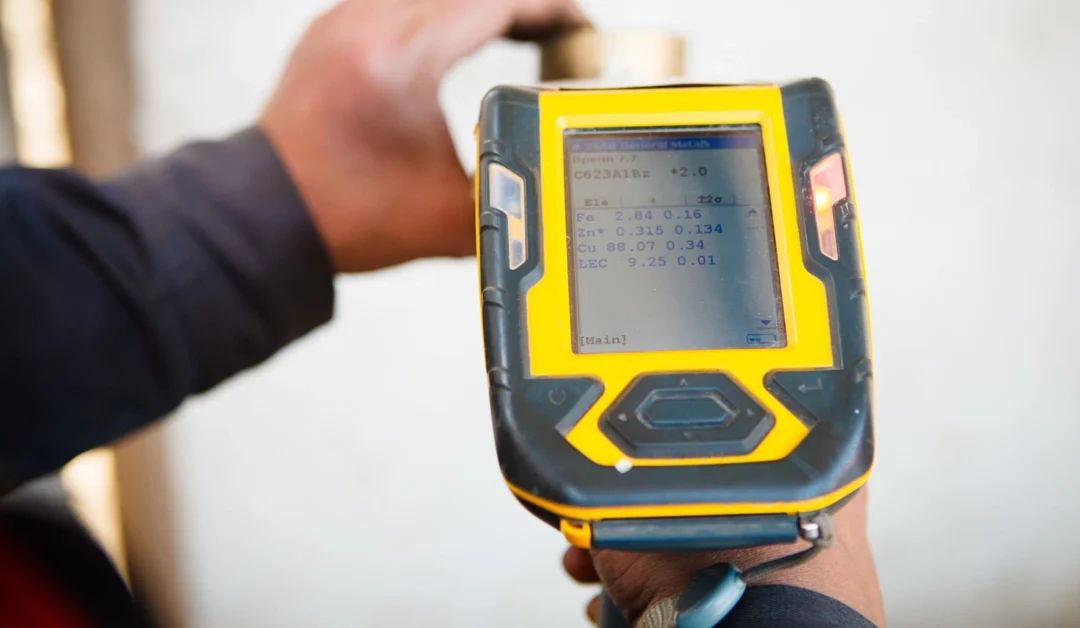 XRF Testing: On-Site Metal Analysis SolutionsEinzelheiten
Traditional metal analysis required shipping samples to distant laboratories and waiting days or weeks for results. XRF testing has revolutionized this process by bringing laboratory-quality analysis directly to wherever metals need verification. On-site XRF metal analysis solutions deliver instant compositional data at manufacturing facilities, construction sites, scrap yards, and remote field locations, enabling immediate decision-making that keeps projects moving and prevents costly errors.
-
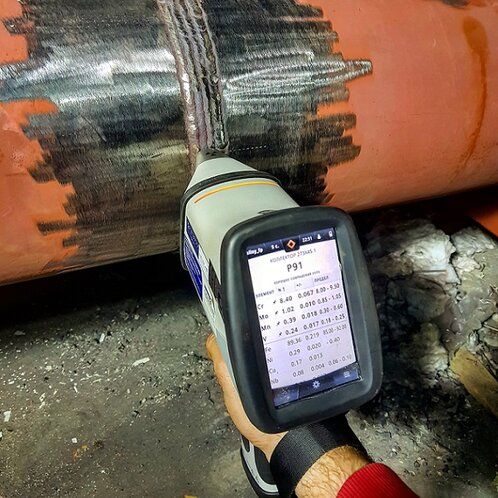 XRF Fluorescence Analysis: Metals & Alloys TestingEinzelheiten
X-ray fluorescence (XRF) analysis has transformed metals and alloys testing from a time-consuming laboratory process into rapid, on-site verification. This powerful analytical technique enables manufacturers, quality control professionals, and metallurgists to determine exact elemental compositions within seconds while preserving sample integrity. Understanding XRF fluorescence analysis capabilities helps organizations optimize quality assurance, prevent material mix-ups, and ensure...