-
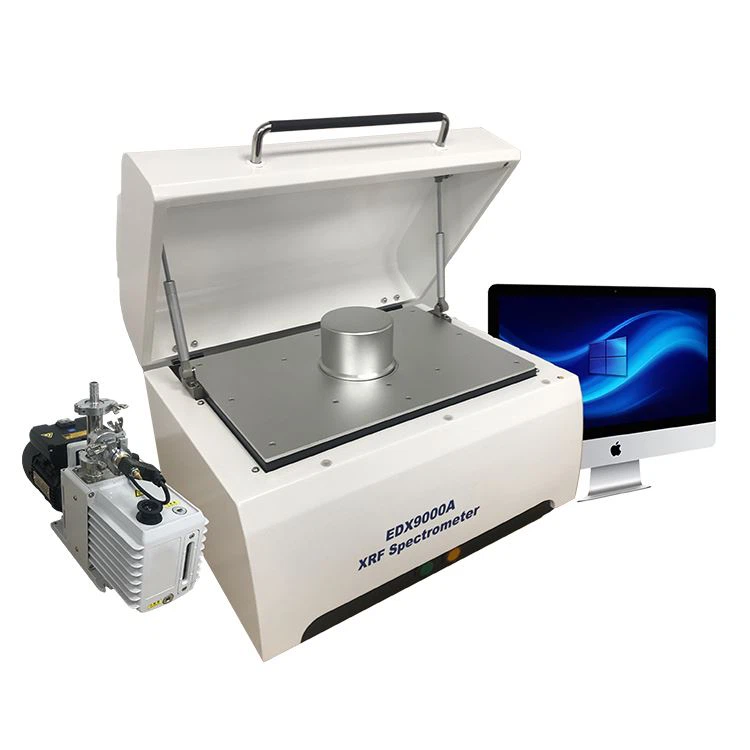 ElvaX XRF Spectrometer: Professional Metal TestingEinzelheiten
Professional metal testing demands precision, reliability, and versatility supporting critical quality control, research, and materials verification applications across manufacturing, aerospace, construction, and specialized industries. ElvaX XRF spectrometer platforms represent comprehensive analytical solutions delivering laboratory-quality elemental analysis through advanced X-ray fluorescence technology. From portable handheld ProSpector analyzers enabling field metal testing to...
-
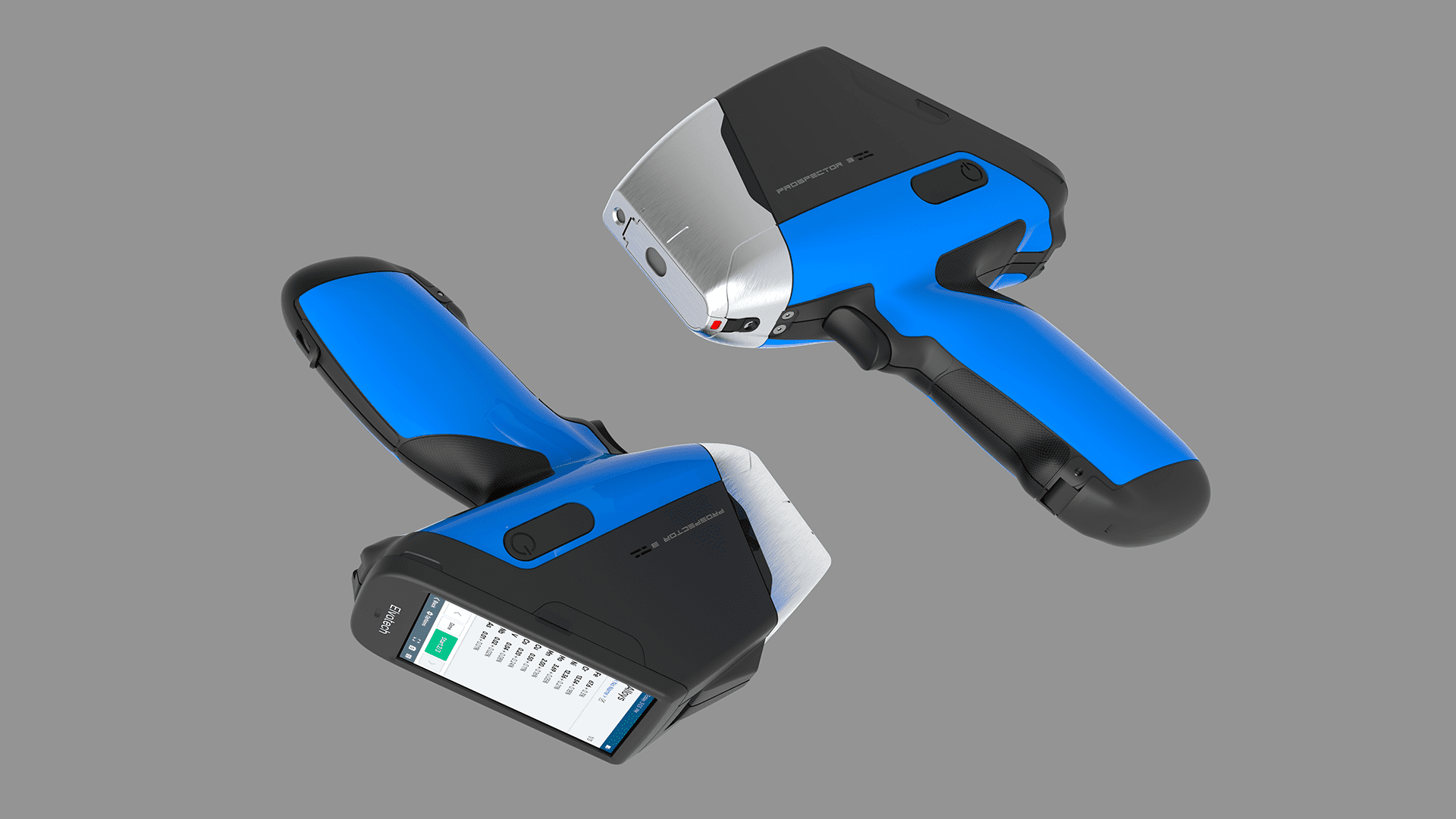 ProSpector Non-Destructive Alloy AnalysisEinzelheiten
Material value preservation determines critical difference between destructive and non-destructive analytical methods. ProSpector handheld XRF analyzers revolutionize alloy analysis through non-destructive X-ray fluorescence technology, identifying elemental composition instantly without damaging, marking, or consuming tested materials. This capability transforms metal testing workflows across jewelry authentication, precious metal trading, aerospace manufacturing, construction verification,...
-
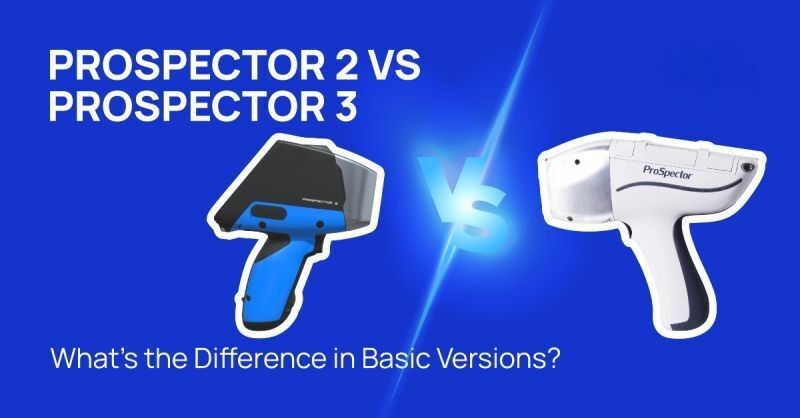 ProSpector 2 vs 3: Speed & Accuracy ComparisonEinzelheiten
Selecting an optimal handheld XRF analyzer requires understanding how competing models balance speed and accuracy across diverse professional applications. The ProSpector 2 and ProSpector 3 represent distinct technology generations from Elvatech—ProSpector 2 delivering proven reliability and solid performance, ProSpector 3 introducing revolutionary innovations in speed, features, and capabilities. Both platforms excel at portable metal analysis, yet each offers unique advantages addressing...
-
 ProSpector 3: Fastest Handheld XRF >500k CPSEinzelheiten
Speed represents the ultimate competitive advantage in portable metal analysis—instruments processing more X-ray photons per second deliver faster compositional results, enabling higher-volume testing and superior operational efficiency. The ProSpector 3 handheld XRF analyzer represents next-generation speed breakthrough through exceptional >500,000 counts per second performance combined with revolutionary compact design, enabling industry-leading 1-2 second alloy identification and...
-
 ProSpector 2 XRF: High CPS Portable Metal AnalysisEinzelheiten
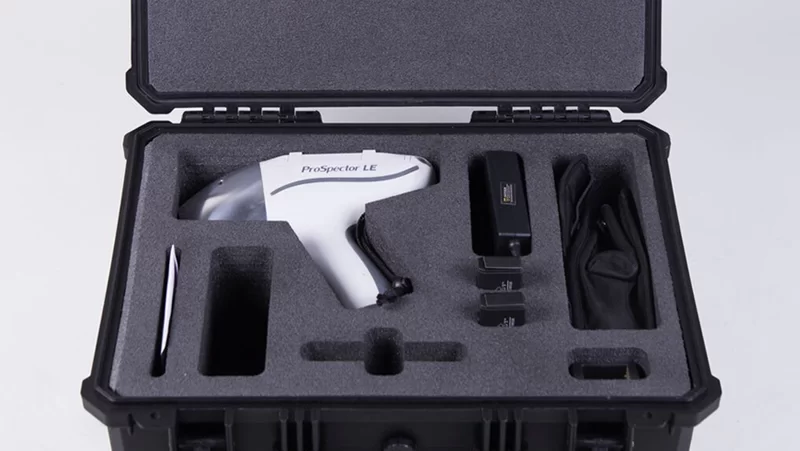
Count rate speed fundamentally determines portable metal analyzer capability—high-performance detectors processing hundreds of thousands of photons per second enable rapid elemental analysis impossible with slower systems. The ProSpector 2 handheld XRF analyzer delivers exceptional count rate exceeding 500,000 counts per second, supporting lightning-fast metal composition analysis completing grade identification in 2-5 seconds and comprehensive quantitative analysis in 10-30 seconds. This...
-
 ProSpector Handheld XRF: Complete Analyzer LineupEinzelheiten
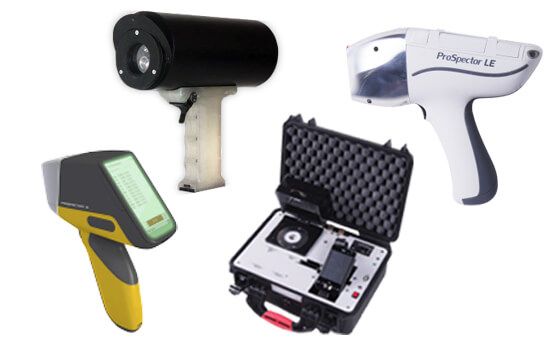
Handheld metal analysis demands portable instruments delivering laboratory-quality elemental composition in seconds without damaging valuable materials. The ProSpector handheld XRF analyzer lineup represents Elvatech's comprehensive platform spanning entry-level through premium configurations addressing diverse professional requirements. From ProSpector 2's proven reliability through ProSpector 3's revolutionary next-generation innovation, this complete analyzer family delivers exceptional...
-
 PANalytical XRF: Axios Zetium Laboratory SystemsEinzelheiten
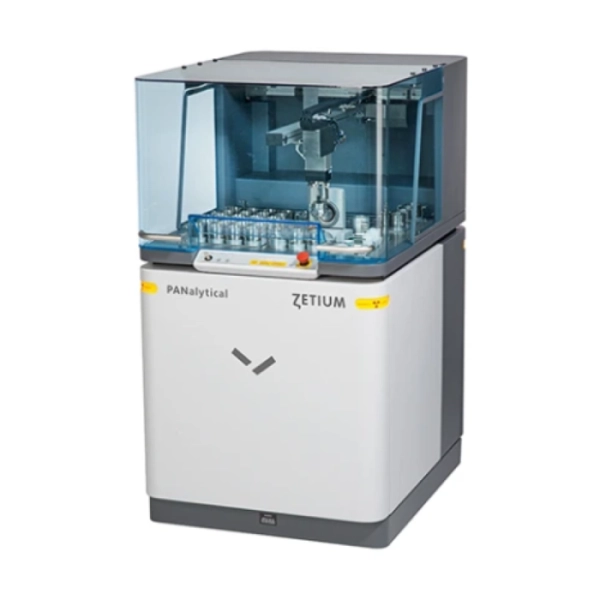
Laboratory X-ray fluorescence spectroscopy represents the gold standard for quantitative elemental analysis across research, quality control, and advanced materials characterization. PANalytical's Axios and Zetium laboratory systems represent world-leading XRF platforms combining exceptional analytical performance with sophisticated automation, comprehensive software, and integrated solutions supporting demanding applications across metallurgy, geology, environmental science, ceramics,...
-
 Thermo Scientific Gold Tester vs ElvaXEinzelheiten
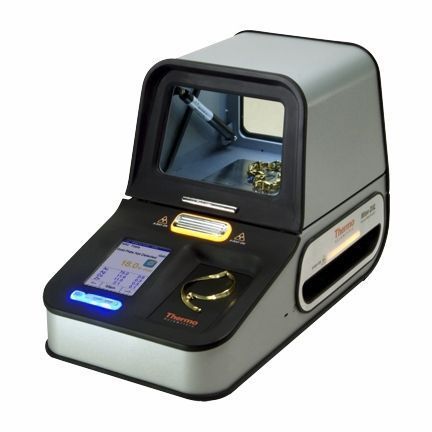
Precious metal testing demands accuracy, speed, and non-destructive analysis that preserves valuable item value while confirming authentic purity. Two leading platforms dominate the handheld precious metal analyzer market—Thermo Scientific's specialized gold testing instruments and ElvaX's comprehensive XRF analyzer lineup. Both technologies employ X-ray fluorescence spectroscopy delivering instant karat identification and compositional analysis, yet each platform offers distinct advantages...
-
 Thermo Scientific XRF: Niton Analyzers ComparisonEinzelheiten
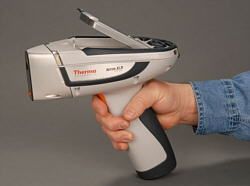
Portable X-ray fluorescence technology has revolutionized metal and material testing across industries, enabling instant compositional analysis without laboratory delays or sample destruction. Thermo Scientific's Niton analyzer lineup represents industry-leading handheld XRF solutions delivering laboratory-quality elemental analysis in rugged field-portable packages. Understanding the differences between Niton models helps professionals select optimal instruments matching specific testing...
-
 Analyzers for Archaeological ScienceEinzelheiten
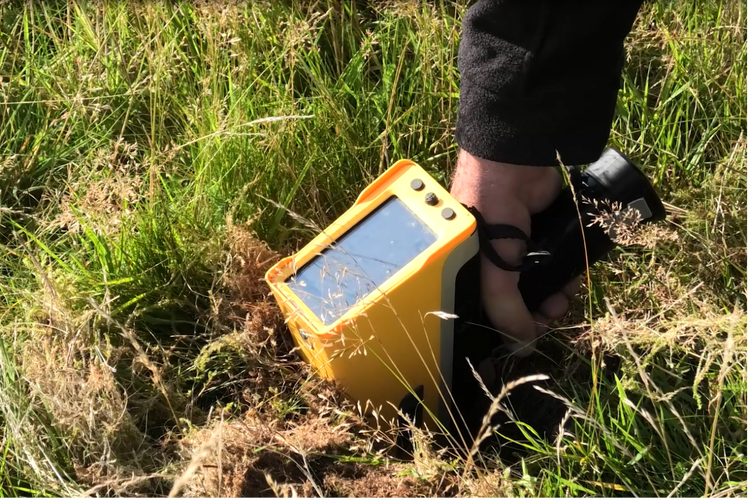
In modern archaeology, X-ray fluorescence (XRF) analyzers have become essential tools for everyday research. Their simplicity, speed, and non-destructive nature greatly accelerate the determination of chemical composition, production technology, age indicators, usage patterns, and distribution paths of artifacts. Studying the physical and chemical properties of archaeological objects helps identify their origin (production centers), manufacturing techniques, trade routes, chronological...

Einkaufswagen
Es befinden sich keine Artikel mehr in Ihrem Warenkorb